
Reviewed · WALKING TOURS
Leeds: 2-Hour Highlights Walking Tour
Leeds grew wealthy on wool, then used that money to build grand civic halls, ornate shopping arcades, markets, and some wonderfully showy industrial buildings. This two-hour walk turns the city centre into a readable story, linking the stones under your feet to engineers, traders, workers, and local characters.
I especially like the mix of industrial history and fine architecture, plus the fact that the route slips into lesser-known corners instead of simply ticking off major sights. The guides, including Sarah and Michelle, are praised for clear storytelling and good humour. The trade-off is simple: you spend two hours outdoors, and the tour runs in rain or shine.
Key points at a glance
- Wool built the city: Learn how the textile trade brought money to Leeds and helped create the conditions for later engineering success.
- Grand arcades included: See the Victorian and Edwardian County Arcade and other elegant shopping spaces.
- City Square start and finish: Meet by the Black Prince statue outside Leeds Station, then return to the same central point.
- Civic Leeds in context: Visit Leeds Town Hall and pass the art gallery, markets, trading places, and pocket gardens.
- Guides who bring the past to life: Sarah, Michelle, Michel, and Jenny have all led tours praised for clear delivery, humour, and local pride.
- A gentle pace: The walk lasts two hours, with stops, and is listed as wheelchair accessible.
Why Leeds makes sense on foot
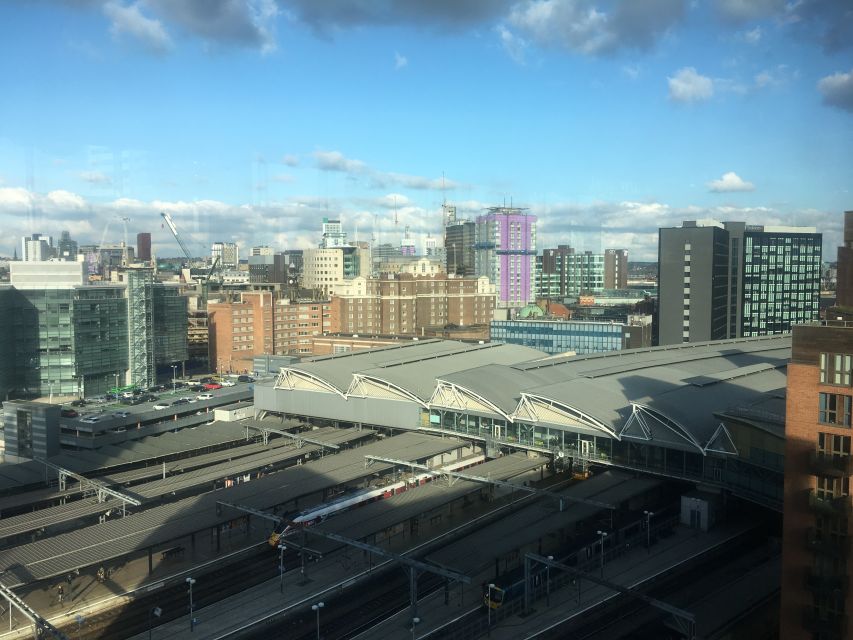
Leeds is easy to underestimate if you arrive by train and head straight into the shops. City Square can feel like a traffic-heavy transport hub, but it is also the right place to begin. From here, the tour shows how the modern city grew from commerce, civic ambition, and the wool trade.
That is the strength of a walking tour in Leeds. You do not just hear that the city became wealthy. You see the buildings that wealth paid for, the spaces where trade took place, and the grand public projects that gave industrial money a polished face.
The route stays in the central city, so you are not losing time to buses or taxis. You move at a gentle pace, with stops for explanations and questions. Two hours is long enough to build a clear picture, but short enough to fit around shopping, museums, lunch, or a train connection later in the day.
I would take this tour near the start of a Leeds visit. The closing tips are useful, and the walk helps you decide which places deserve a longer look afterward.
More walking tours in Britain:
- Magical London: Harry Potter Guided Walking Tour
★ 4.7 · 22,044 reviews - London: The Original Jack the Ripper Walking Tour
★ 4.7 · 7,833 reviews - Oxford: University and City Walking Tour with Alumni Guide
★ 4.7 · 4,429 reviews
Starting beside the Black Prince in City Square
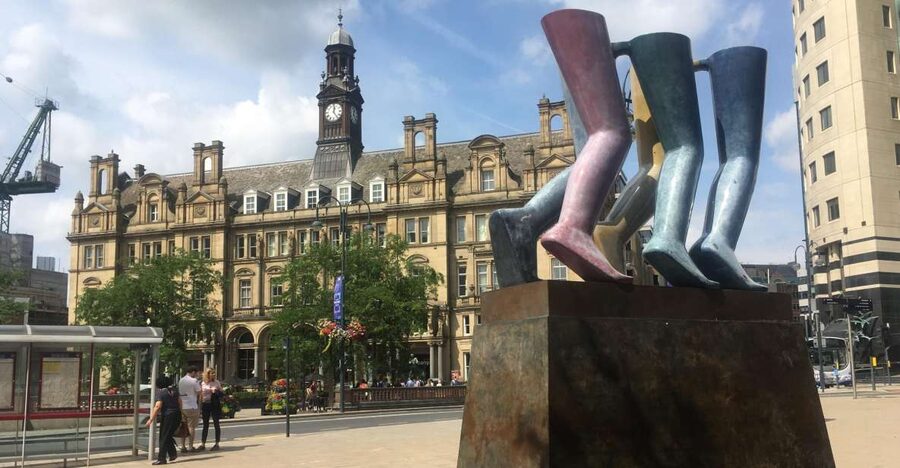
The meeting point is the Black Prince statue, the one on horseback, in City Square outside Leeds Station. That detail matters because City Square has more than one prominent statue, and the station frontage can be busy.
You meet an English-speaking Blue Badge-certified guide here. The guide leads the group through the city centre, using buildings and public spaces as visual evidence rather than treating Leeds like a classroom.
The opening section sets up the central idea: wool was not just one part of Leeds life. It helped shape the city’s wealth, architecture, and later industrial skills. You hear how trade created opportunities for engineers and how the city changed as its economy developed.
The guides’ style is one of the main reasons this tour works. Sarah is often praised for making a clear timeline from buildings, pictures, and local stories. Michelle is described as warm, energetic, and good at making the past easy to follow. Michel and Jenny have also led tours with a friendly, informative approach.
You should expect stories rather than a silent march between photo stops. The guide points out details, answers questions, and helps you picture how parts of Leeds looked in earlier periods.
Leeds Town Hall and the city’s public face
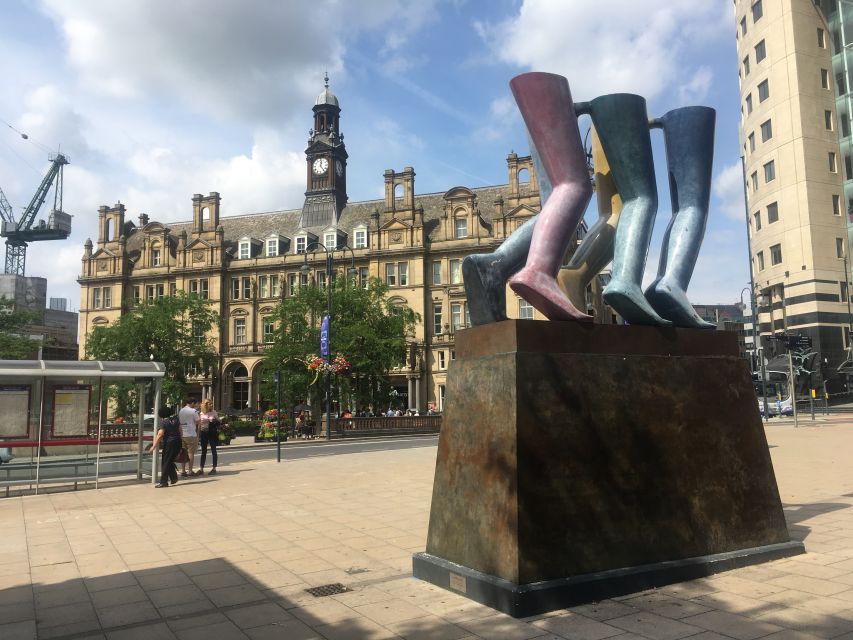
Leeds Town Hall is one of the main stops, and the guide gives it more meaning than a quick exterior photograph. Its place on the route lets you see how a prosperous industrial city wanted to present itself.
The important point is not only the building’s size or decoration. It is what the building says about civic confidence. Leeds had the money and ambition to create impressive public spaces, and the tour connects that ambition to the city’s commercial success.
The Town Hall section also helps balance the wool story. Industrial wealth can sound abstract when it is described only through trade figures or factory work. A grand civic building gives that wealth a physical form. You can look at the architecture while hearing about the people and decisions behind it.
The pace here is helpful. You are not rushed past the building while trying to absorb a long explanation. The walk includes stops, and the guides are used to speaking clearly in city-centre conditions. One guide was specifically praised for remaining easy to hear in windy weather and busy areas.
The exact amount of interior access can depend on the day and the route. The tour information includes Leeds Town Hall as a guided stop, but you should think of this primarily as a city-centre walking experience rather than a guaranteed full building tour.
Leeds Art Gallery and the value of a short photo stop
Leeds Art Gallery provides a change of focus. The walk is not only about factories, merchants, and civic power. It also passes through the cultural side of the city centre.
Here, the stop is listed as a photo stop, so do not book this experience expecting a long gallery visit or a guided art lesson. Instead, you get a chance to see the building within the wider group of public institutions that helped shape central Leeds.
That contrast makes the route more interesting. The city’s identity is not limited to its industrial past. Art, libraries, public buildings, shopping streets, and small open spaces all form part of the story.
A useful feature of the guiding style is the way the past is tied to what you can see now. The guide may use a building, street view, or old image to explain how the area changed. One guide was praised for using pictures and sites together to create a clear timeline. That approach is especially useful if you do not already know Leeds.
A few more Britain days worth weighing up
- Dochgarroch: Loch Ness and Caledonian Canal 2-Hour Cruise
★ 4.7 · 1,959 reviews - Loch Lomond: Island Discovery 2-Hour Cruise
★ 4.6 · 1,576 reviews - London: Ghastly Ghosts 2-Hour Walking Tour
★ 4.9 · 794 reviews - James Bond Shooting Locations 2-Hour Walking Tour of London
★ 4.7 · 332 reviews
The County Arcade and Leeds at its most decorative
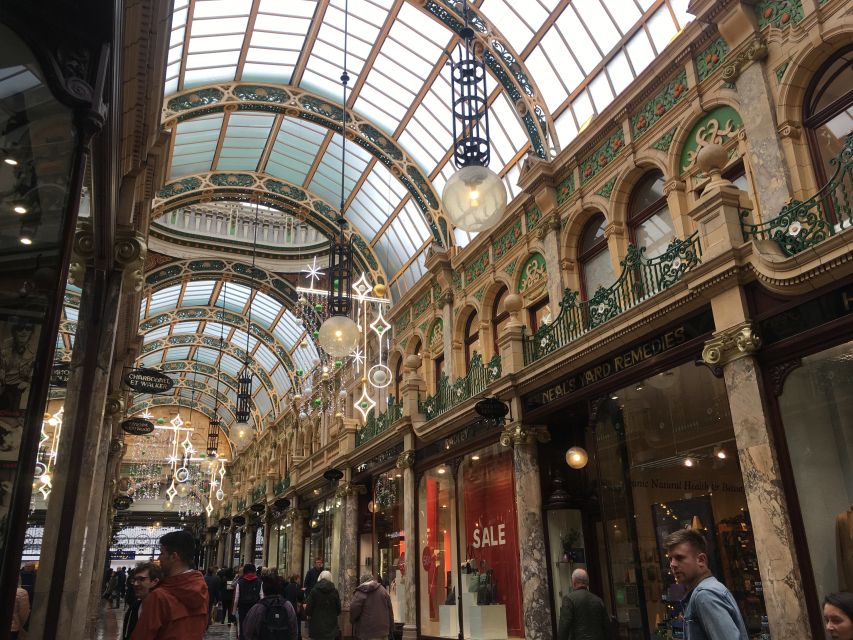
The County Arcade is likely to be the visual high point of the walk. Victorian and Edwardian shopping arcades bring together commerce and theatre: patterned details, polished surfaces, decorative ironwork, and a sense that shopping was once meant to feel like an outing.
The arcades show another side of wool wealth. The money generated by trade did not stay only in mills or warehouses. It helped create sophisticated retail spaces aimed at a city with growing spending power and social ambition.
This is also where your camera will get a workout. The route includes a photo stop at Leeds County Arcade, and the covered setting offers some shelter if the weather turns wet. Still, the overall tour is outdoors, so the arcade is a pleasant pause rather than a guarantee of dry conditions for the whole walk.
I like this part because it makes the city’s economic story tangible. You can hear about trade, then walk through a space built for buying and display. The architecture is not an optional extra. It is evidence of how Leeds wanted to be seen.
If you enjoy historic shopping streets, you may want to return after the tour. A short stop with a guide gives you the context, but you will need your own time afterward to browse properly.
Markets, trading places, and the small details
The route also passes markets, former trading areas, pocket gardens, and less obvious corners of the centre. These sections keep the tour from becoming a straight line between famous buildings.
Markets matter because they show the everyday side of the city. Grand halls and arcades tell one story, but trading places reveal how goods, money, and people moved through Leeds. The guide uses these spaces to explain how the city functioned, not just how it looked.
The pocket gardens add a little breathing room. They are small, but they help you notice how the centre has been adapted over time. A two-hour walk can otherwise become a blur of facades and dates. Small open spaces break up the route and give you a moment to look around.
Expect quirky facts along the way. The exact stories will depend on the guide, and that is part of the charm of a live walk. Sarah and Michelle are both praised for humour and enthusiasm, while other guides have been described as friendly and engaging. You get a human interpretation of Leeds rather than a recorded script.
The route may also include Leeds Central Library. This is not highlighted in the basic stop list, but it has featured as a welcome surprise on past walks. The guide can draw attention to places you might otherwise ignore, which is one reason the tour suits people who already live in Leeds as well as first-time visitors.
The promised factory and the engineering connection
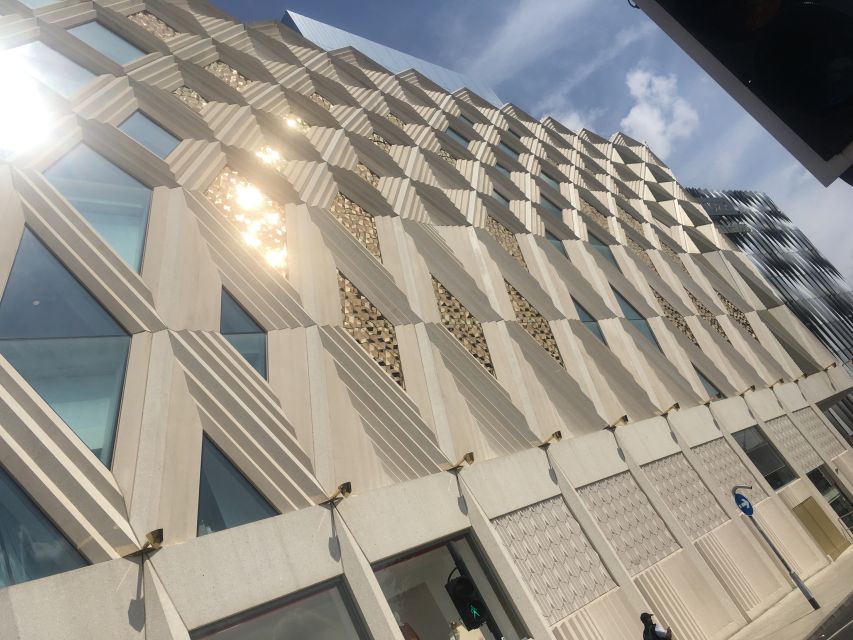
One of the tour’s most memorable ideas is the link between wool and engineering. Leeds became wealthy through textiles, but the skills and money tied to that industry helped support major engineering work later.
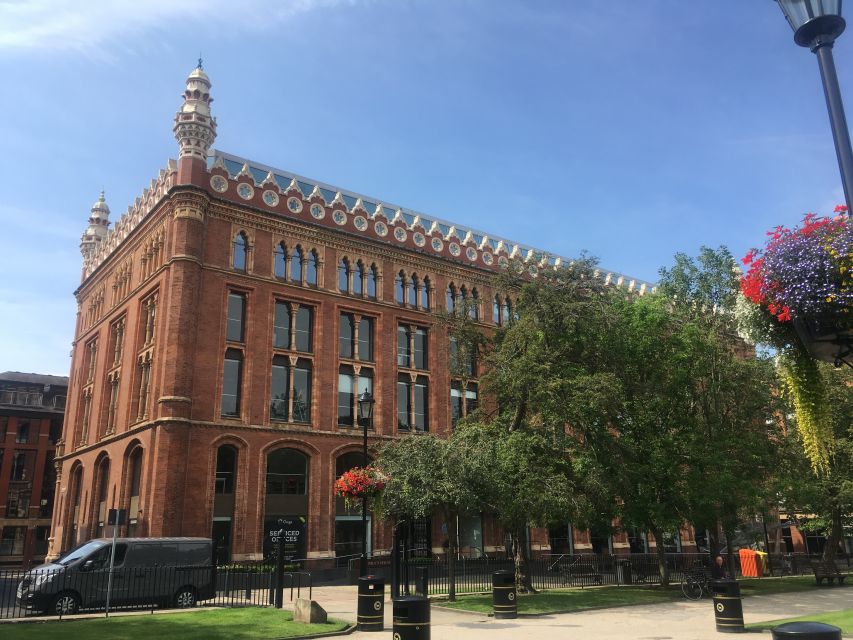
The guide also points out what is presented as one of the world’s most beautiful factories, made from local materials. That is a striking example of the tour’s method. Industrial buildings are not treated as plain leftovers from the past. Their materials, design, and purpose become part of the story.
You will not get a technical engineering course in two hours. What you do get is a useful connection between the city’s commercial success and its built environment. It helps explain why Leeds contains such a mix of practical industrial structures and grand decorative architecture.
This is also where a guide’s storytelling makes a real difference. The building itself may catch your eye, but the explanation tells you why it belongs in the city’s story. The strongest guides on this tour use pride, humour, and a clear sequence of events to keep those connections easy to follow.
How the two-hour pace feels
The walk lasts two hours and moves at a gentle pace with stops. That makes it manageable for most people who are comfortable walking through a city centre, but you still need sensible shoes.
You will be outside for much of the experience. Wear clothing suited to the forecast and bring a rain layer, since the tour operates in all weather. Wind can also affect how easy it is to hear, although guides have been praised for projecting clearly in difficult conditions.
The activity is listed as wheelchair accessible. If you use a walking stick or have specific mobility needs, tell the provider when booking so you can confirm the route arrangements that apply on your date. One past guide was specifically praised for being attentive to a participant using a walking stick.
There is no food or drink included. That is not a serious drawback in central Leeds, where you finish near the station and plenty of places are available for your next stop, but you should carry water if you need it.
Group size is not specified, so I would not book this expecting a private walk. The advantages are the live guide, the chance to ask questions, and the flexibility of a human-led route. The possible downside is that busy streets or a larger group can make it harder to hear, although clear delivery is a repeated strength of the guides.
Is $16 good value for Leeds?
At $16 per person, this is a strong-value introduction to the city. You get two hours with a Blue Badge-certified guide, a central start and finish, and a route covering civic buildings, arcades, cultural sites, markets, and industrial themes.
The real value is the structure. You could walk past Leeds Town Hall, Leeds Art Gallery, the County Arcade, and City Square on your own, but you would miss the links between them. The guide explains why these places appeared, who shaped them, and how the wool trade affected the city beyond the textile mills.
It also saves planning time. Instead of building your own route and researching each building, you get a ready-made introduction with tips for the rest of your stay. Several guides have been praised for suggesting places to eat and sights to visit afterward.
The price is less compelling if you want long interior visits, a specialist architecture tour, or a private experience. This is a broad city overview. It gives you context and orientation rather than exhaustive detail at every stop.
The flexible booking terms help if your plans are uncertain. You can reserve and pay later, and cancellation is available up to 24 hours before the tour for a full refund. Check the current start times when choosing your date.
Who will get the most from this walk?
I would recommend it to first-time visitors who want to understand Leeds before spending the rest of the day shopping or visiting museums. It is also a good choice for residents who know the streets but have never learned how the buildings fit together.
History fans will appreciate the wool and engineering thread. Architecture lovers will enjoy the Town Hall, arcades, art gallery, and industrial buildings. People who prefer short, manageable outings should like the two-hour length and gentle pace.
The tour also works well for mixed groups. One guide was praised for adjusting to younger members and being sensitive to mobility needs. The use of humour and clear explanations helps if your group includes people who are not confident with British history or English. A non-native English speaker specifically found the delivery easy to understand.
You may want something else if you dislike walking in uncertain weather, need guaranteed extended indoor access, or prefer a tightly focused subject. The city-centre route is broad by design, and some stops are brief photo opportunities.
Practical advice before you go
Meet at the Black Prince statue in City Square, outside Leeds Station. Look for the statue on horseback, not one of the other figures in the square.
Wear comfortable shoes. The walk is gentle, but two hours on hard city surfaces is still enough to make poor footwear noticeable.
Bring weather-appropriate clothing. The tour runs rain or shine, and Leeds weather can change quickly. A waterproof layer is more useful than hoping the forecast holds.
Keep a little room in your schedule after the tour. You finish back in City Square, and the guide provides tips for making the most of the rest of your stay. That advice is part of the value, especially if you have only a day in Leeds.
If you want to photograph the arcades or civic buildings without rushing, return later. The tour gives you the story and the best orientation. Your second visit can be slower.
Should you book the Leeds Highlights Walking Tour?
Book it if you want a friendly, well-paced introduction to Leeds that connects wool, wealth, engineering, architecture, and daily city life. At $16, it offers more context than a self-guided stroll and keeps the commitment to just two hours.
I would choose it early in a Leeds stay, especially if you are arriving by train. The central meeting point is convenient, the route finishes where it began, and the final suggestions can shape the rest of your visit.
Skip it only if you need a private tour, extensive interior access, or a specialist focus. For most people who want to understand why Leeds looks the way it does, this is a practical and worthwhile start.
FAQ
Where does the Leeds walking tour meet?
Meet at the Black Prince statue, the figure on horseback, in City Square outside Leeds Station.
How long does the tour last?
The walking tour lasts two hours and moves at a gentle pace with stops.
What language is the tour in?
The tour is conducted in English with a live guide.
Is the tour wheelchair accessible?
Yes, the activity is listed as wheelchair accessible. If you have specific mobility needs, confirm the route arrangements with the provider when booking.
What should I bring?
Bring comfortable shoes and clothing suited to the weather. The tour operates in rain or shine.
What happens if I need to cancel?
You can cancel up to 24 hours in advance for a full refund. You can also reserve now and pay later to keep your plans flexible.
Just added around Britain
- London: Wimbledon Tennis Club and Westminster Walking Tour★ 4.5 · 86 reviews
- Winchester: Historic Castles and Cathedrals Walking Tour★ 4.9 · 154 reviews
- London: Westminster to Richmond River Thames Cruise★ 4.8 · 23 reviews
- Westminster Abbey Skip-the-Line Entry and Private Tour★ 4.6 · 4 reviews
- Best of London by LE GRAND – London’s Luxury Bus Tour★ 4.2 · 23 reviews
- Whitby: Guided Distillery Tour with Gin Tasting★ 5.0 · 28 reviews
- London: Westminster Walking Tour & St Paul’s Cathedral Entry★ 4.7 · 7 reviews
- Warwick: Entry Ticket for Warwick Castle★ 4.7 · 215 reviews
Walking Tours, compared.

Magical London: Harry Potter Guided Walking Tour
Read our review →

University and City Walking Tour with Alumni Guide
Read our review →
Harry Potter Movies Walking Tour (Kids Go Free)
Read our review →
The Great British Rock and Roll Music Walking Tour
Read our review →
Jack the Ripper Walking Tour – Ripper Vision Tours
Read our review →

Browse the lists this tour appears in