
Reviewed · 3-DAY EXPERIENCES
From Inverness: 3-Day Lewis, Harris, and Outer Hebrides Tour
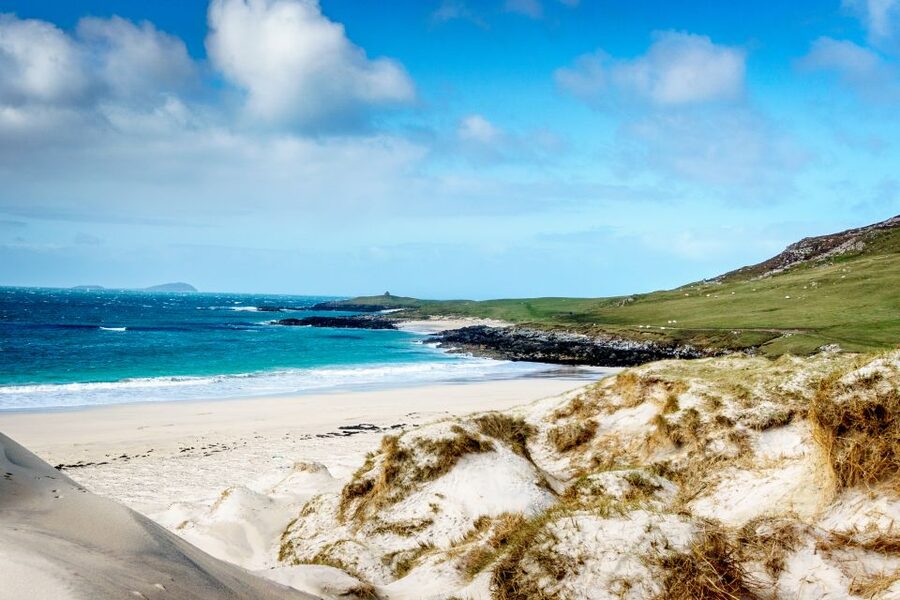
The magic here is the contrast. In three days, you move from the rough waters of the Minch and Lewis’s peatlands to Harris’s mountains and startlingly white beaches. The ferry crossing from Ullapool to Stornoway is part of the experience, not just transport.
I like the small mini-coach, limited to 16 people, and the way a good guide can adjust the plan when Hebridean weather turns sour. I also like the local B&Bs, which make the trip feel less like a conveyor belt and more like a short stay in the islands. The trade-off is a busy schedule, long road days, and weather that may hide the views you came to see.
Key points at a glance
- A scenic ferry ride begins the adventure: Sail from Ullapool through Loch Broom and past the Summer Isles to Stornoway.
- Luskentyre is the natural highlight: Its white sand and turquoise water can look almost tropical on a clear day.
- Arnol Blackhouse gives the islands a human story: See how crofting families once lived in a traditional Hebridean home.
- Small groups make the long drives easier: The mini-coach carries no more than 16 people.
- The islands need flexible planning: Strong wind and rain may require changes to the daily route.
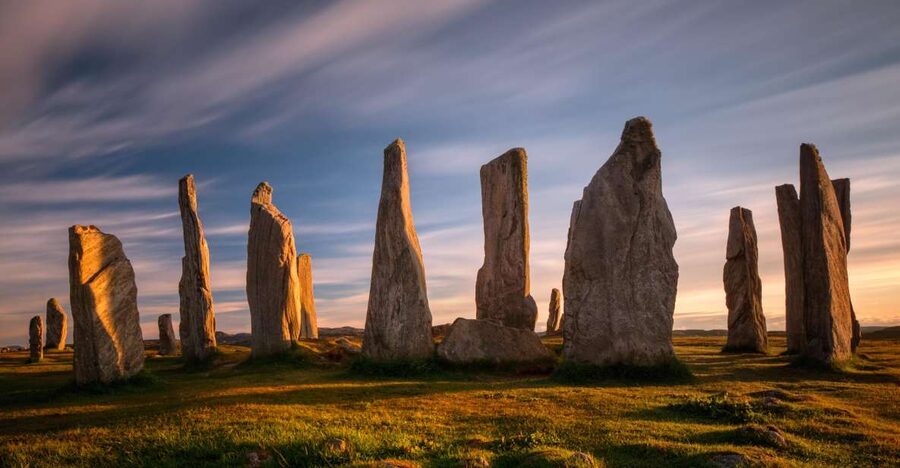
- Calanais is currently unavailable: Until June 8, 2026, extra time is spent at beaches on the west of Lewis instead.
Why Lewis and Harris deserve three days

Lewis and Harris are often described as separate islands, but they form one large island. Lewis occupies the northern part, while Harris lies to the south. The two areas feel different enough to make the distinction useful: Lewis has broad open moorland, crofting villages, and ancient monuments, while Harris is known for steep mountains, sea lochs, and beaches.
This tour works because it handles the difficult part for you. You do not need to research ferry times, find a car, learn the island roads, or decide which historic sites fit together. Your driver-guide handles the route while adding stories about local life, Gaelic culture, and the places outside the usual postcard stops.
The price is $693 per person. That is not a cheap three-day outing, but it covers mini-coach transport, the two ferry journeys, two nights with breakfast, entry to Arnol Blackhouse, and an English-speaking guide. Add up the cost of a rental car, fuel, accommodation, ferry fares, and planning time, and the package can make good sense, especially if you do not want to drive on unfamiliar roads.
You should still budget for lunch, dinner, drinks, and any extra admission fees. Food is not included, and island towns have limited options compared with mainland Scotland. The included breakfast helps, but you will need to pay for the rest of your meals.
A few more Inverness days worth weighing up
- From Inverness: Loch Ness Cruise and Urquhart Castle
★ 4.7 · 2,241 reviews - From Inverness: Isle of Skye and Eilean Donan Castle Tour
★ 4.9 · 1,440 reviews - From Inverness: Jacobite Steam Train and Highlands Tour
★ 4.4 · 921 reviews
Day one: Ullapool, the Minch, and the Butt of Lewis
Meet your Rabbie’s guide at the bus stop beside Inverness Cathedral on Ardross Street. Arrive 15 minutes before departure. The early start is necessary, since you first travel northwest to Ullapool for the ferry.
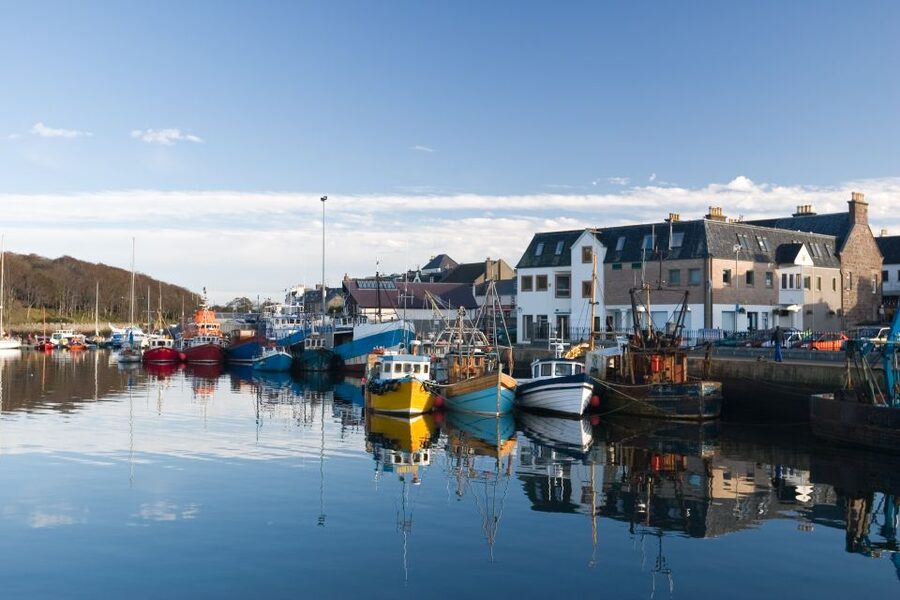
The road to Ullapool takes you through the Northwest Highlands. Once aboard, the crossing carries you along Loch Broom, past the Summer Isles, and across the Minch toward Stornoway. Keep your camera ready, but do not expect calm water every time. This is open sea, and the crossing can feel brisk and windy.
The ferry matters for another reason: it gives you a proper sense of distance. Lewis and Harris are not a quick side trip from Inverness. The sea crossing helps you shift from mainland sightseeing to island time, where roads are slower, settlements are smaller, and weather can control the day.
After arriving in Stornoway, you head northwest to Arnol Blackhouse. This traditional home offers a useful correction to the romantic idea of island life. A blackhouse was a working home for a crofting family, not simply an attractive old building. You can picture people, animals, heat, smoke, and daily work sharing a tightly arranged space.
Arnol is one of the most valuable stops because it connects the scenery to the people who lived from it. The islands may look empty, but the crofting communities have a long story of hard work, local customs, and adaptation to a demanding climate.
The route then passes through more crofting settlements before reaching the Butt of Lewis, the island’s northern tip. Here, waves crash against sea cliffs near the lighthouse, and the view feels exposed in the best possible way. Wind is part of the attraction, but it is also why you need a warm waterproof layer even in summer.
You return to Stornoway for the night. Stornoway is the capital of the Outer Hebrides and the main base for this tour. Your accommodation is usually a small, locally owned guesthouse or B&B with an en suite room. Properties may be on the edge of town, so allow 20 to 30 minutes on foot to reach pubs and restaurants.
Day two: Harris mountains and Luskentyre sand
The second day heads south into Harris. The change is immediate. Mountains rise around the road, and the route becomes a display of rock, water, and open space. Your guide fills the driving time with local stories and explanations, which is one reason the small-group format works well here.
There are not many towns in Harris. That is part of the point, but it also means you should not expect a full choice of cafés or shops at every stop. Lunch is taken in a small town, and food costs are yours to cover. If you have specific dietary needs, it is sensible to check arrangements before departure rather than assume every stop will offer a wide menu.
The day’s main reward is Luskentyre Beach. On a clear day, the sea can turn turquoise beside broad white sand. The color is striking, but the weather decides how much of the famous view you receive. In rain or heavy cloud, the beach is still worth seeing, though it may look more silver and gray than tropical.
Give yourself time to walk rather than treating Luskentyre as a quick photo stop. The open shore, clean sand, and surrounding hills show why Harris is so widely admired. You might find strong wind, wet ground, or conditions that make a long walk less appealing, so comfortable shoes are essential.
The return to Stornoway gives you a second evening in town. This is a chance to try local food, perhaps including black pudding, though meals are not included. The overnight arrangement is practical rather than luxurious. You get a private en suite room and breakfast, but B&B locations and room sizes can vary.
Past visitors have singled out guides such as Duncan, Helen, Liam, Matthew, Emily, and Kev for their storytelling, humor, music, driving, and ability to make sensible changes in bad weather. That last skill matters. One strong wind or rain system can close roads, affect ferry plans, or make a beach stop unpleasant. A guide with backup plans can rescue a day that would otherwise be lost.
Day three: Dun Carloway Broch and Ardroil Beach
The final morning begins at Dun Carloway Broch, an Iron Age stone tower that has stood for nearly 2,000 years. Its thick walls and passageways give you a direct look at early island engineering. From its hillside position, you can also look across Lewis and understand how people chose sites that offered both shelter and views over the surrounding area.
Dun Carloway is more than a pile of old stones. The structure helps explain how communities gathered, protected themselves, and used local materials long before modern roads connected the islands. Wear shoes with a good grip, since historic stone sites can be uneven.
Next comes Ardroil Beach, a wide stretch of golden sand framed by dunes and headlands. It also has a strong link to the islands’ past: the famous Lewis Chessmen were found here in 1831. The chess pieces are now associated with medieval Scotland and Scandinavia, but the discovery site itself remains a quiet beach rather than a formal museum setting.
You can walk along the shore and watch for seals on nearby rocks. The exact wildlife you see cannot be guaranteed, so treat this as a possibility rather than the main reason to book the stop. Ardroil is valuable even without seals because it combines an attractive beach with one of the Outer Hebrides’ most intriguing archaeological discoveries.
The tour then returns to Stornoway for the ferry back to Ullapool. From there, the mini-coach travels through the Northwest Highlands beside Loch Broom and back to Inverness. The planned return is about 19:00, so do not schedule a tight onward connection that evening.
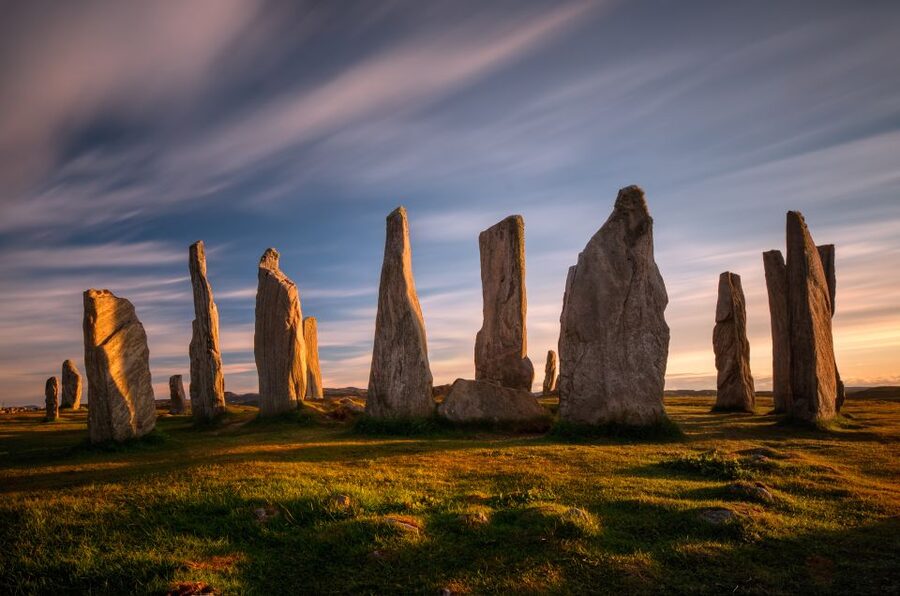
There is one important itinerary change. The Calanais Standing Stones cannot be visited during the redevelopment period for site preservation until June 8, 2026. Instead, the tour spends extra time exploring beaches on the west of the island. If Calanais is your main reason for booking, check your departure date carefully.
Same city, a completely different sort of afternoon:
- From Inverness: Isle of Skye and Fairy Pools Day Trip
★ 4.6 · 890 reviews - Inverness: Isle of Skye and Eilean Donan Castle Day Trip
★ 4.8 · 748 reviews - Inverness: Loch Ness Cruise, Castle, and Outlander Tour
★ 4.7 · 668 reviews - From Inverness: Loch Ness and the Highlands Day Trip
★ 4.8 · 638 reviews
What the mini-coach format adds
The group is limited to 16 people, though some departures may be smaller. One recent group had only eight participants, creating a more personal feel and making it easier to ask questions or get help from the guide.
A mini-coach also suits island roads better than a large bus. You are closer to the scenery, and getting on and off is usually less cumbersome. Still, three days involve plenty of sitting. The schedule covers a large area, and the ferry journeys add several hours of travel.
The biggest benefit is not speed. It is freedom from driving. You can watch the hills, listen to Gaelic music, and pay attention to your guide’s stories instead of dealing with navigation, ferry procedures, and narrow roads.
Guides have used music, humor, local history, and practical judgment to shape the days. Helen has been praised for her friendly manner and driving, while Duncan has handled poor weather with several alternative plans. Liam has helped people use free time well and has been noted for his warmth. The individual guide will shape your experience, but the small-group setup gives the format a strong foundation.
B&B stays, luggage, and practical comfort
Accommodation is in small local guesthouses and B&Bs, with en suite rooms and breakfast included. This is a good fit if you prefer personal, independent lodging to a standard chain hotel. It also means you should accept some variation in location, stairs, room layout, and breakfast style.
B&Bs are often on the outskirts of town. You may need a 20 to 30 minute walk to reach dinner or a pub, so bring a small torch if you are comfortable carrying one, though the supplied information only requires comfortable clothing and shoes. If stairs are difficult, tell the operator in advance. These properties do not have lifts.
Luggage is limited to 20 kilograms per person. Bring one airline carry-on-sized case, about 55 by 45 by 25 centimeters, plus a small bag for items you need on the mini-coach. This is a real limit, not a suggestion for bringing a large suitcase and hoping it fits.
Pack for changeable conditions:
- Waterproof outerwear and warm layers
- Comfortable shoes suitable for beaches and uneven historic sites
- A small day bag for the ferry and walks
- Clothes that can handle wind and rain
- Any snacks or personal items you may want between meal stops
Children under five are not carried, and anyone under 18 must travel with an adult. The tour is conducted in English.
Weather, pacing, and the value question
The islands can reward you with clear water and brilliant sand, but no tour can promise postcard weather. One departure faced stormy conditions that closed or disrupted parts of the islands, yet the guide adjusted the program with backup plans. That flexibility is a strong reason to choose a guided trip rather than build a rigid self-drive itinerary.
The drawback is that some stops may be shorter than you would choose on a private trip. You are following a group schedule and must return to the mini-coach on time. If you want long solitary walks, slow photography sessions, or several hours at one beach, rent a car and stay longer.
For $693, I see solid value if you want the major sights without the work of arranging them. Two nights, breakfasts, transport, the ferries, entry to Arnol Blackhouse, and guide service cover the expensive and awkward parts. The value is weaker if you already have a car, prefer independent accommodation, or plan to spend a week exploring the islands at your own pace.
Should you book this Lewis and Harris tour?
Book it if you have only three days, want a small group, and care about both scenery and island culture. You will see beaches, mountains, crofting communities, an Iron Age broch, a traditional blackhouse, and two ferry crossings without having to manage the route yourself.
Think twice if you need guaranteed sunshine, dislike long drives, or consider Calanais essential before June 8, 2026. Also check that the luggage limit and B&B stairs suit you.
For most first-time visitors to Lewis and Harris, this is an efficient and human-scaled introduction. The beaches provide the visual wow factor, but the best parts may be the guide’s stories, the ferry crossing, and the chance to understand how people have lived on these windswept islands.
FAQ
Where does the tour meet in Inverness?
Meet your Rabbie’s guide at the bus stop next to Inverness Cathedral on Ardross Street, Inverness, IV3 5NS. Arrive 15 minutes before departure.
How long is the tour?
The experience lasts three days. On Day 3, the planned return to Inverness is approximately 19:00.
What transport is used?
Transport is provided by mini-coach, with groups limited to 16 participants. The tour also includes ferry journeys between Ullapool and Stornoway.
Is accommodation included?
Yes. Two nights of accommodation with breakfast are included. Stays are in small locally owned guesthouses and B&Bs, and rooms are en suite.
Is food included?
Breakfast is included with the accommodation. Lunch, dinner, and drinks are not included.
What luggage can I bring?
You may bring up to 20 kilograms per person. This should be one piece similar to an airline carry-on bag, approximately 55 by 45 by 25 centimeters, plus a small onboard personal bag.
Can children join the tour?
Children under five are not accepted. Anyone under 18 must be accompanied by an adult.
Will the tour visit the Calanais Standing Stones?
The Calanais Standing Stones cannot be visited during the redevelopment period until June 8, 2026. During this period, extra time is spent exploring beaches on the west of the island.
What language is the tour conducted in?
The live tour guide speaks English, and the tour is conducted in English.
What is included in the cancellation policy?
You can cancel up to 14 days in advance for a full refund.
Just added around Inverness
- From Inverness: Skye Explorer Full-Day Tour with 3 Hikes★ 5.0 · 136 reviews
- Scotland’s North Coast Online Roadtrip Travel Guide★ 3.9 · 6 reviews
- North Coast 500: 3-Day Small-Group Tour from Inverness★ 4.8 · 17 reviews
- Loch Ness: The Loch Ness Centre★ 4.6 · 39 reviews
- LOCH NESS, INVERNESS, CLAVA CAIRNS & MORE FROM INVERGORDON★ 5.0 · 35 reviews
- LOCH NESS ,CAWDOR CASTLE ,CLAVA CAIRNS & MORE FROM INVERNESS★ 5.0 · 3 reviews
- LOCH NESS, CULLODEN, AND CLAVA CAIRNS TOUR. From Invergordon★ 4.9 · 8 reviews
- Inverness: Private Secret Hike to the Shores of Loch Ness★ 5.0 · 4 reviews
3-Day Experiences, compared.
3-Day Isle of Skye, Highlands, and Loch Ness Tour
Read our review →
Isle of Skye & The Highlands: 3-Day Guided Tour from Glasgow
Read our review →
3-Day Isle of Skye, Highlands & Loch Ness Tour
Read our review →
Isle of Skye 3-Day Small Group Tour from Glasgow
Read our review →
Browse the lists this tour appears in