
Reviewed · WALKING TOURS
Bath: Guided Walking Tour
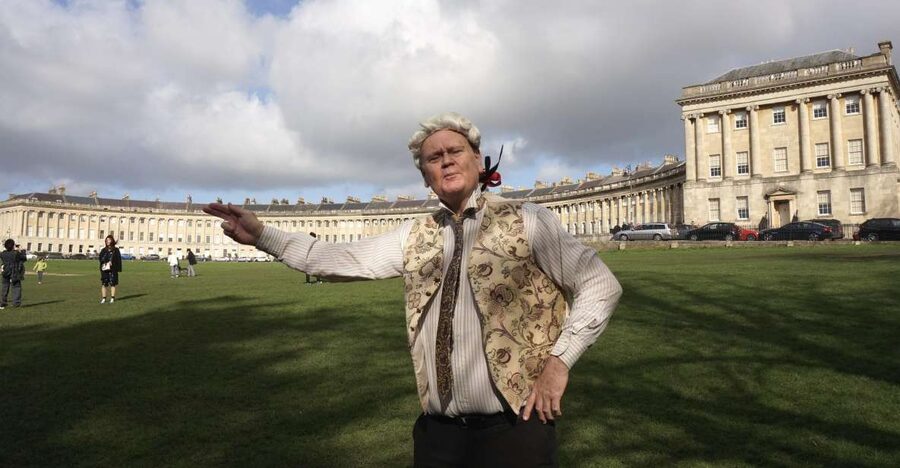
Bath’s story changes block by block, from steaming Roman waters and medieval church grounds to the polished Georgian streets built around Queen Square, the Circus, and Royal Crescent. This tour gives you that full sweep on foot in two hours, with guide Paul Elliott leading the way and adding local stories along the route.
I like the wide range of sights packed into a short walk, and I like that the tour explains what you are seeing instead of simply pointing out pretty buildings. The route also gives you useful orientation early in your Bath visit. The main drawback is its brisk scope: you see many places from outside, but admission to the Roman Baths, Bath Abbey, or other attractions is not included.
Key points at a glance
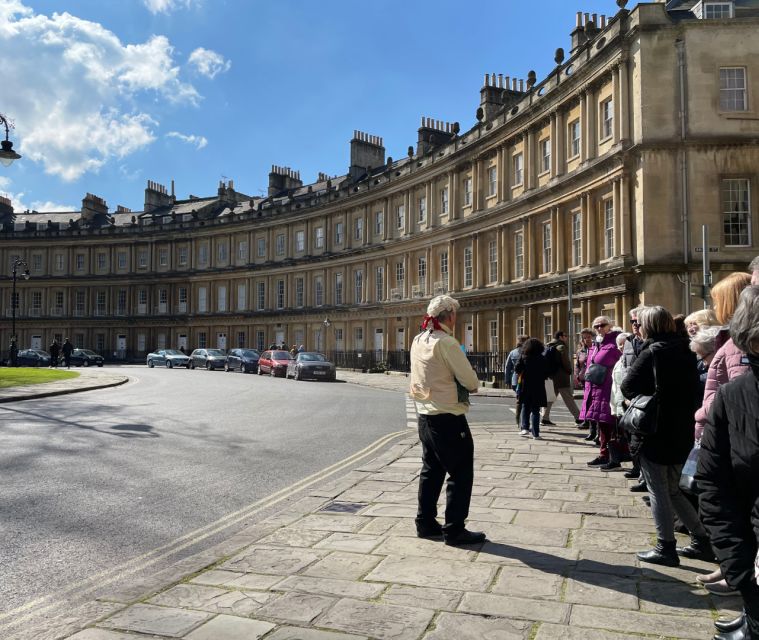
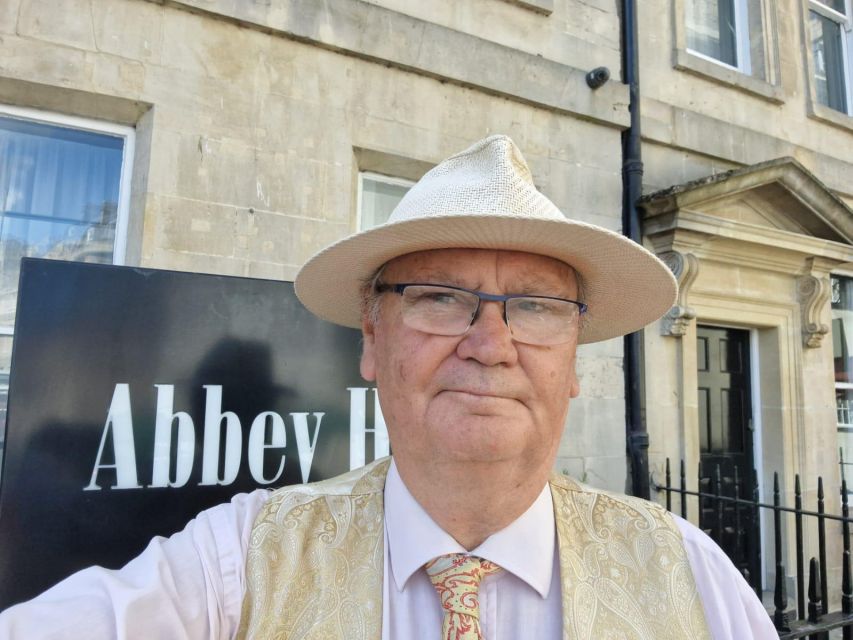
- Paul Elliott leads the English-language walk, with local history, Georgian stories, and practical tips along the way.
- The route covers Bath’s main historic quarters, from Sally Lunn’s and the Abbey to Queen Square, the Circus, and Royal Crescent.
- The Roman Baths are explained from outside, so plan a separate visit if you want to enter.
- Pulteney Bridge and the old East Gate show how Bath connected its city streets with the River Avon.
- The two-hour route ends near Bath Thermae, after passing the Theatre Royal and Royal Victoria Park.
- The walk is not suitable for pushchairs, wheelchair users, babies under one, or children under five.
A two-hour introduction to Bath’s changing face
At about $26 per person, this is best viewed as an orientation walk rather than a full sightseeing day. You pay for a guide and a carefully packed route, not entry to attractions. That can be good value if you want the city to make sense before exploring on your own.
I like the way the walk links Bath’s different eras. You begin near the Abbey and Roman Baths, move through medieval lanes, climb toward John Wood’s Georgian plan, and finish around the Theatre Royal and Bath Thermae. In a city where the major sights can feel scattered, that sequence helps you understand how Bath grew.
The tour has earned a 4.4 rating from 26 bookings, with several strong comments about the historical explanations, fun facts, and Paul’s helpful advice. One serious complaint describes an unpleasant exchange involving a group with a scooter and an eight-month pregnant participant. That account is not something to ignore, especially if your party has young children or mobility needs. Read the restrictions closely and contact the operator before booking if your group has unusual equipment or needs.
More Walking Tours in Bath
- Bath: City Walking Tour with Optional Roman Baths Entry
★ 4.7 · 1,401 reviews - Bath: Guided Walking Tour
★ 4.9 · 1,198 reviews - Bath: Bridgerton Filming Locations Walking Tour with Music
★ 4.7 · 416 reviews
Meeting near Bath Abbey
The stated meeting point is The Abbey Hotel North Parade, in the BA1 1LF area. You meet Paul for a short introduction before setting off. The ending is on Hot Bath Street, near Bath Thermae, so you do not finish at the starting point.
That point-to-point format is useful. You can continue straight on to the Thermae Bath Spa area, return toward the city center, or use the walk as a bridge to another Bath plan. It also means you should not treat the starting location as your place to leave bulky items or a pushchair. The walk is on foot from the start, with no transport between stops.
The two-hour length suits people who want a clear introduction without giving up half a day. The guide has to keep moving, but the schedule includes many stops for explanations and photographs. You should wear shoes suited to city walking and expect some uphill sections as the route rises toward Bath’s Georgian quarter.
Sally Lunn’s and Abbey Green
One of the first stops is Sally Lunn’s, described as Bath’s oldest house. Its importance is not only its age. It gives the walk an early sense of Bath as a lived-in city, where old buildings remain part of the modern street scene rather than sitting apart in a museum compound.
From there, the route reaches Abbey Green. Look for the old London Plane tree and the site of the former monastery. This is a good place to hear how the religious center of Bath shaped the area around the Abbey.
I appreciate this early contrast. Sally Lunn’s brings you close to domestic and commercial Bath, while Abbey Green points to the city’s religious past. You are not just collecting postcard views. You are getting several clues about why this small central area contains so many layers.
The stop is also practical for photographs. Abbey Green gives you a more open view around the Abbey, while the surrounding lanes show how tight the older parts of Bath can be. Since the tour does not list an interior visit at Sally Lunn’s, treat it as an exterior stop and historical explanation rather than a meal or house tour.
The Roman Baths and the legend of Prince Bladud
The Roman Baths are among Bath’s best-known sights, but this walking tour does not include admission. Paul explains the site from outside, including its connection to the founding story of Prince Bladud.
The Prince Bladud tale belongs to Bath’s traditional origin story, and it adds a bit of myth to the city’s Roman setting. The guide’s explanation helps you understand why the springs mattered long before modern spa visitors arrived. You get context for the building and the surrounding streets, but you do not enter the bath complex during this walk.
That distinction matters when you budget. Admission to the Roman Baths must be arranged separately, so you may want to schedule it before or after the walk. The guided explanation can make that later visit easier to follow, but it does not replace seeing the preserved remains indoors.
For a first visit, I like having the Roman Baths introduced early. It gives you a clear anchor for Bath’s story. If Roman archaeology is your main reason for coming, though, reserve extra time for the attraction itself.
A few more Bath days worth weighing up
- Bath: Guided Ghost Tour
★ 4.8 · 1,036 reviews - From Bath: Stonehenge & the Cotswolds Day Tour with Entry
★ 4.8 · 543 reviews - Bath: Tootbus Bath Discovery Hop-On Hop-Off Tour
★ 4.5 · 430 reviews - Bath: Roman Baths Entry Ticket with Audio Guide
★ 4.7 · 425 reviews
East Gate, the Avon, and Pulteney Bridge
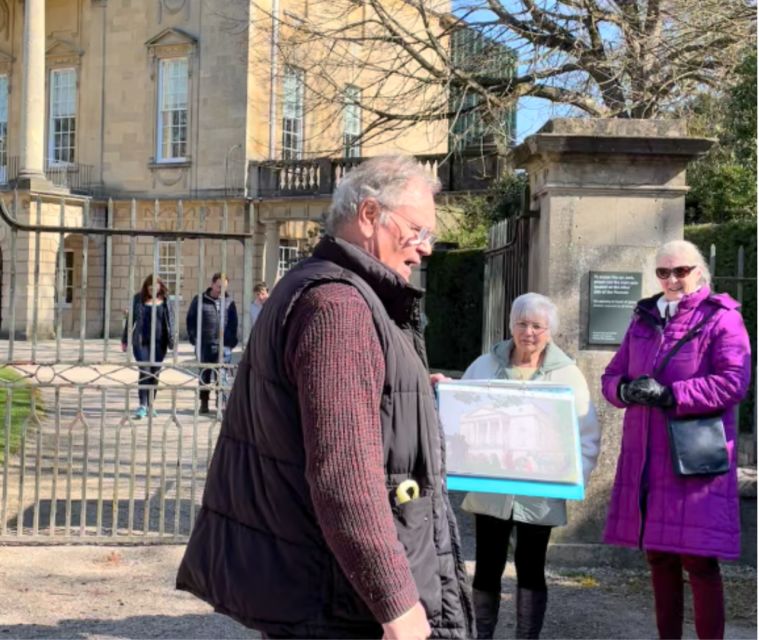
The route continues to the original East Gate of Bath, which once led down toward the River Avon. This stop helps you picture the old limits of the city and the routes people used to move between the defended urban center and the river.
You then reach Pulteney Bridge, one of Bath’s most recognizable sights. The bridge is more than a scenic photo stop. It shows the close relationship between Bath’s streets and the Avon, and it gives the walking route a strong change of setting after the compact lanes near the Abbey.
This part should appeal to photographers. You get the bridge, river setting, and a useful explanation of how the city’s old entrances worked. The tour description promises many photo opportunities, and this is one of the stops where a short pause pays off.
The route does not include a boat ride or a longer river walk. That is fine for a two-hour introduction, but you should plan separate time if you want to linger by the Avon or explore Pulteney Bridge at leisure.
Bath Abbey and the churches beneath it
Bath Abbey receives a full explanation, including the churches that came before it. That background is valuable because the present building is not an isolated monument. It sits on a site used for worship across different periods, and the changing churches help explain why this corner of Bath matters so much.
You see the Abbey as part of the city’s wider story rather than only as a grand facade. Paul’s role here is to connect the building with the earlier religious community around Abbey Green and the former monastery site.
The walk does not include admission to Bath Abbey. If you want to see the interior, memorials, or architectural details inside, plan that separately. This is a recurring feature of the tour: you receive explanations at the key sites, then decide which interiors deserve your own time and entrance fee.
I find that arrangement sensible for people who dislike being rushed through paid attractions. You can learn the basic story with the group, then return later when you are ready to look closely.
Through Bath’s lanes to Queen Square
After the Abbey area, the route heads through Bath’s alleyways and climbs toward the upper city wall. This is where the walk becomes more about street planning than individual monuments. The lanes show the older texture of Bath, while the higher ground opens the way to the Georgian sector.
John Wood planned much of this grander part of the city, using stone from Ralph Allen’s quarries. The result is a more ordered Bath, shaped by broad spaces, repeated facades, and carefully arranged buildings.
Queen Square is an important first stop in this Georgian sequence. The square helps you see the difference between the medieval core and the later city that grew beyond it. Instead of viewing Georgian Bath as a collection of handsome buildings, you begin to see the planning behind it.
The walk passes the Jane Austen Centre on the way to the Assembly Rooms. The Austen connection adds a literary thread, but the tour does not list entry to the center. If Jane Austen is your main interest, note the location now and return separately rather than expecting a museum visit during the walk.
Assembly Rooms and the Circus
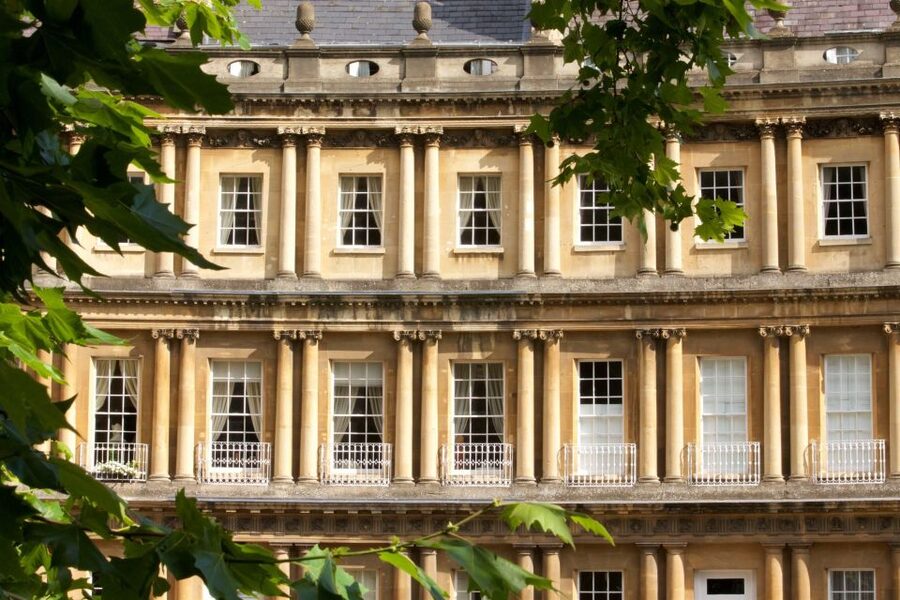
The Assembly Rooms and the Circus show Bath at its most carefully designed. The Assembly Rooms were linked with the city’s social life, while the Circus expresses John Wood’s grand vision through a circular arrangement of buildings.
These stops are especially useful with a guide because the details can blur together when you walk alone. Paul explains how the Georgian period is reflected in the streets, stonework, and public spaces. The aim is not simply to admire the architecture, but to understand the social world that produced it.
The route keeps to the outside at these locations. No admission cost is included, and the supplied information does not promise interior access to the Assembly Rooms. That keeps the walk moving, but it also means architecture fans may want to return later for a closer look.
The Circus is a strong place to pause and lift your eyes above street level. Its scale can be hard to grasp in a quick photograph, so listen to the explanation and take in the curve of the buildings as you walk around it.
Royal Crescent and the walk downhill
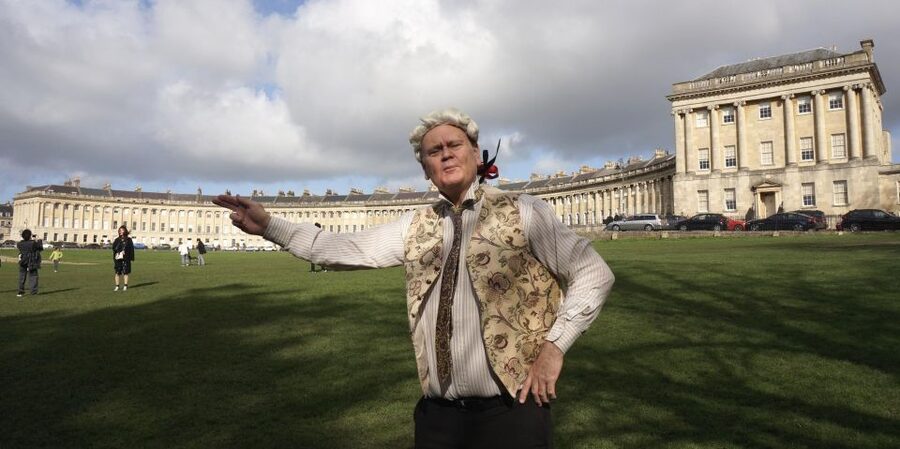
The Royal Crescent is the high point of the Georgian section. Its long curved front is one of Bath’s defining views, and the walk gives you time to see it as the final major architectural statement in the upper city.
I like the progression from Queen Square to the Circus and then the Royal Crescent. Each stop adds scale. You start with a square, move to a circle, and finish with the sweeping crescent. That makes the planning of Georgian Bath easier to remember.
From Royal Crescent, the route goes downhill through Royal Victoria Park. This gives your legs a break from the climb and changes the mood again. You move from formal stone streets into a broad park setting before returning toward the city’s theater district.
The route is described as an easy two-hour stroll, but easy does not mean flat or suitable for everyone. There is a climb earlier in the walk and a downhill section later. Wheelchair users, people with very limited mobility, and families relying on a pushchair should not assume the route will work for them.
Theatre Royal and Bath Thermae
The final section brings you to the Theatre Royal and then toward Bath Thermae, the city’s newer bathing facility. This ending connects Bath’s Georgian social world with its modern spa identity.
The Theatre Royal adds another cultural layer to the route. You see how the city’s public life extended beyond churches, baths, and grand homes into performance and entertainment. The stop is an exterior visit, with no theater admission listed.
Bath Thermae is the final stop, and it provides a useful endpoint because it points to an activity you can book separately. The walking tour does not include bathing or entry to the facility. If you hope to use the spa afterward, check your own booking plans rather than treating the tour as a spa package.
Finishing here also makes the route feel complete. You have moved from ancient springs to present-day bathing, with the Roman Baths and Thermae marking the two ends of Bath’s long connection with hot water.
What the $26 price really covers
At $26 per person, the price is reasonable if you want a local guide to connect Bath’s major areas in one efficient walk. You are paying for interpretation, route planning, and the chance to ask questions during stops. You are not paying for attraction tickets, food, transport, or spa access.
That can make this a good first activity on a Bath visit. After the tour, you can choose which sights deserve your admission budget. The Roman Baths and Bath Abbey are the obvious places to consider, but the Jane Austen Centre, Assembly Rooms, Theatre Royal, and Bath Thermae also require separate planning if you want to go inside or take part.
The strongest praise centers on clear explanations, useful tips, and fun historical facts. One December booking called Paul fantastic and said he helped make the day. Another described the history and presentation as a strong part of the experience. Those points match what this tour is built to do: give you a readable story of Bath in a short time.
The caution is equally clear. A December booking describes a very poor interaction with the guide over a scooter and a group that included a pregnant adult and children. I cannot resolve the conflicting accounts, but I would take the stated restrictions seriously and ask ahead if your party includes a scooter, baby equipment, or anyone who needs a slower pace.
Who should book this Bath walk?
I would choose this tour if you want:
- A two-hour introduction before visiting Bath’s paid sights
- A route covering both the Roman and Georgian sides of the city
- A guide-led explanation of the Abbey, Roman Baths, Georgian planning, and local stories
- Good exterior photo stops without spending a full day on guided sightseeing
- A walk conducted in English by Paul Elliott
I would be more cautious if you need step-free access, use a wheelchair, have a pushchair, or are traveling with a baby under one or a child under five. Baby strollers, baby carriages, and pets are not allowed, though assistance dogs are permitted. The walk also may not suit a party that needs frequent pauses or a very gentle route.
Free cancellation is available up to 24 hours before the start, with a full refund, and you can reserve now and pay later. Those terms help if your Bath plans are still shifting, but they do not change the need to check the physical demands of the walk.
Should you book it?
Book this guided walk if you want Bath’s famous sights placed in order, with enough history to make the streets more meaningful. At $26, it is a fair introduction, especially if you plan to visit the Roman Baths or Bath Abbey separately and want a guide to set the scene first.
Skip it if you mainly want interior visits, a slow architectural study, or a fully accessible route. Also skip it if your group includes pushchairs or very young children. For most mobile adults and older children who can manage a city walk, the route offers a useful first look at Bath, with Paul’s historical explanations and practical tips adding value beyond a self-guided stroll.
FAQ
Where does the Bath walking tour start?
The tour starts at The Abbey Hotel North Parade, in the BA1 1LF area. The meeting includes a short introduction with the guide before the walk begins.
Where does the tour finish?
The tour finishes on Hot Bath Street, Bath BA1 1SJ, near Bath Thermae.
How long does the tour last?
The guided walking tour lasts two hours. The route includes many stops for explanations and photographs.
Who guides the tour?
The named guide is Paul Elliott. The tour is conducted live in English.
Are attraction admission fees included?
No. The walking tour includes the guide and the walk only. Admission to the Roman Baths, Bath Abbey, the Jane Austen Centre, the Assembly Rooms, Theatre Royal, and Bath Thermae must be arranged separately if you want to enter or use them.
Does the tour enter the Roman Baths?
No. The Roman Baths are explained from outside, and admission is not included.
Is the tour suitable for children?
It is not suitable for children under five or babies under one. It is also not suitable for pushchairs or very young children.
Can I bring a wheelchair or pushchair?
No. The activity is not suitable for wheelchair users, and baby strollers and baby carriages are not allowed. Assistance dogs are allowed, but other pets are not.
Can I cancel the booking?
Yes. You can cancel up to 24 hours in advance for a full refund. The reserve-now, pay-later option lets you keep plans flexible and pay nothing at the time of booking.
Just added around Bath
- Southampton Port to London via Stonehenge,Lacock & Bath★ 5.0 · 5 reviews
- Half-Day tour to Stonehenge from Bath for 2-8 adventurers★ 5.0 · 3 reviews
- Bath: Local Pubs & Historic Sights Walking Tour (3h)★ 4.9 · 29 reviews
- Full-Day Stonehenge and Bath Tour★ 4.4 · 39 reviews
- From London: Stonehenge Summer Solstice Sunset Tour (Jun 20)★ 5.0 · 7 reviews
- From Bath: Salisbury and the Jurassic Coast Small Group Tour★ 5.0 · 4 reviews
- From Bath: Private Stonehenge and Salisbury Tour with Pickup★ 5.0 · 3 reviews
- From Bath: Cotswolds and Oxford Full-Day Tour★ 4.7 · 172 reviews
Walking Tours, compared.

Magical London: Harry Potter Guided Walking Tour
Read our review →

University and City Walking Tour with Alumni Guide
Read our review →
Harry Potter Movies Walking Tour (Kids Go Free)
Read our review →
The Great British Rock and Roll Music Walking Tour
Read our review →
Jack the Ripper Walking Tour – Ripper Vision Tours
Read our review →

Browse the lists this tour appears in