
Reviewed · PRIVATE TOURS IN LONDON
London: Private Underground and Tube Tour
London’s Underground is more than a way to get across town. It is a moving museum, an engineering puzzle, and a record of how the city grew. This private tour begins under the clock on Platform 1 at Paddington and follows the story of 150 years of Tube travel, from the first underground railway to the rival companies and strange station details most passengers miss. I especially like the chance to travel along the oldest stretch of railway line and the look at ghost stations that trains pass but passengers rarely see. The main drawback is that you must pay your own Tube fares and manage stairs, and there is no planned toilet stop.
The private format also gives you room to ask questions. Guides such as Rory, Fiona, Chris, and Jericho have been praised for making the tour lively and personal, with Rory even running over time for a group with lots of questions. The route can change because of repair work, and the supplied details give two different descriptions of the finish: the itinerary says Westminster Station, while the meeting information says the activity ends back at the meeting point. Confirm the final stop when you book.
Key points at a glance
- Start beneath Paddington’s Platform 1 clock: Meet at one of London’s best-known railway stations and begin with the story of how the Underground took shape.
- Ride the oldest railway stretch: Follow part of the original underground network and see how the early system differs from the modern Tube.
- Sort out the Circle line puzzle: Learn why knowing the direction of travel once mattered far more than it does today.
- Look for London’s ghost stations: Hear about closed or unused stations and the clues they leave behind.
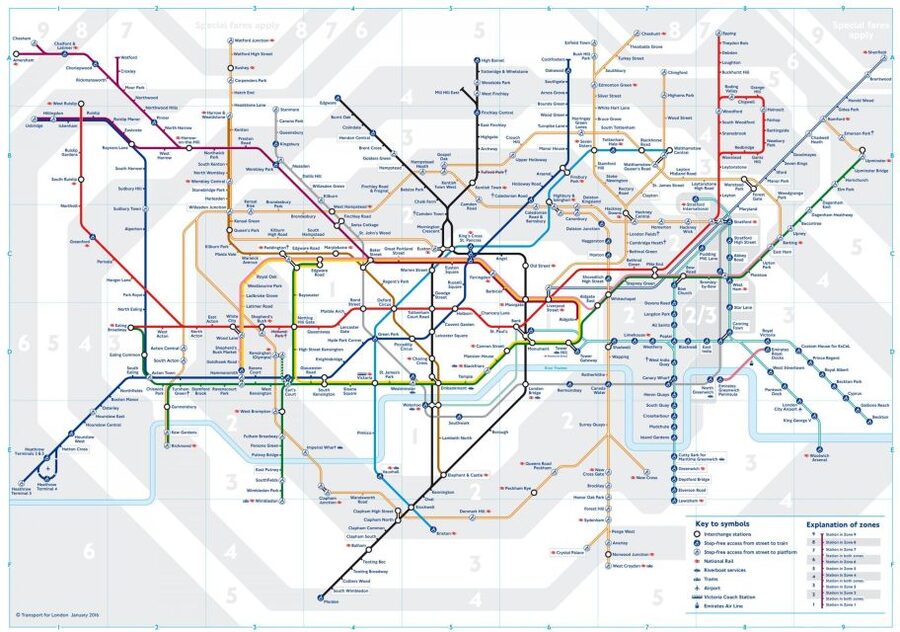
- Study the Tube map with fresh eyes: Find out where its design helps you and where it bends geography for the sake of clarity.
- Plan for stairs and standard Tube access: This route is not suitable for wheelchair users or parents with prams, and baby carriages are not allowed.
Why Paddington is the right place to start
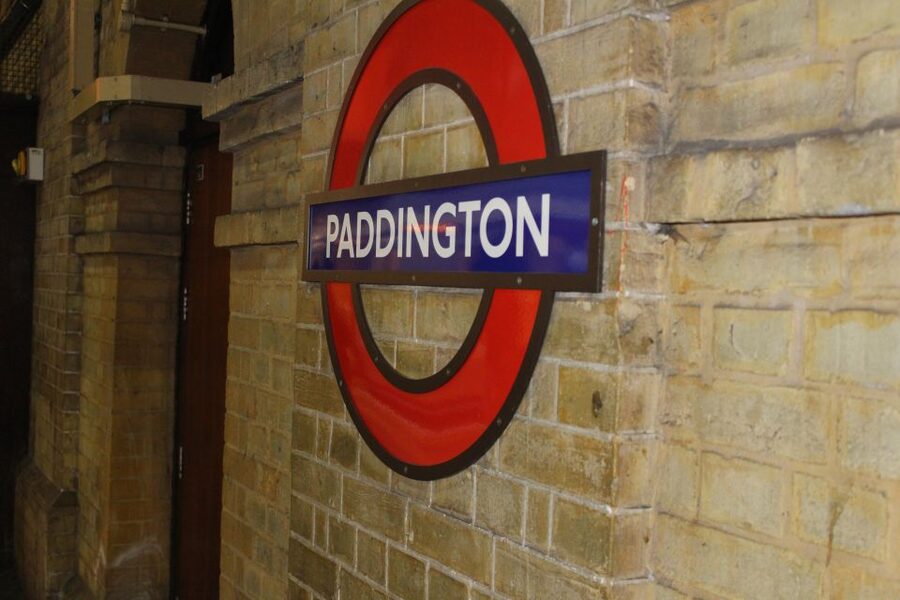
The tour begins underneath the clock on Platform 1 at Paddington Station. That clear meeting point matters in a station with several entrances and levels, so give yourself enough time to find the platform rather than arriving at the last minute.
Paddington is a fitting opening chapter. It links the mainline railway world with the Underground, helping you see that London’s transit system did not appear as one tidy project. Different lines were built and operated by rival companies, each with its own plans, technology, and interests.
Your guide sets up the basic question behind the whole tour: why did London need an underground railway at all? The answer is tied to the city’s growth and the pressure on its streets. Once that context is in place, the Tube stops looking like a collection of colored lines and starts looking like a series of engineering decisions made over many decades.
This is also where the tour’s private format earns its keep. You can ask about the station you use every day, pause over a detail you would normally walk past, or request a clearer explanation when the history gets tangled. The guides are English-speaking, and the tour is offered as a private group rather than a large shared walk.
More Private Tours in London
- London: Tower of London Entry & Beefeater Private Audience
★ 4.4 · 1,441 reviews - London: Private Photoshoot with Video Clip Option
★ 4.8 · 182 reviews - London: Private Walking Sightseeing Tour
★ 4.2 · 175 reviews
Riding London’s first underground railway
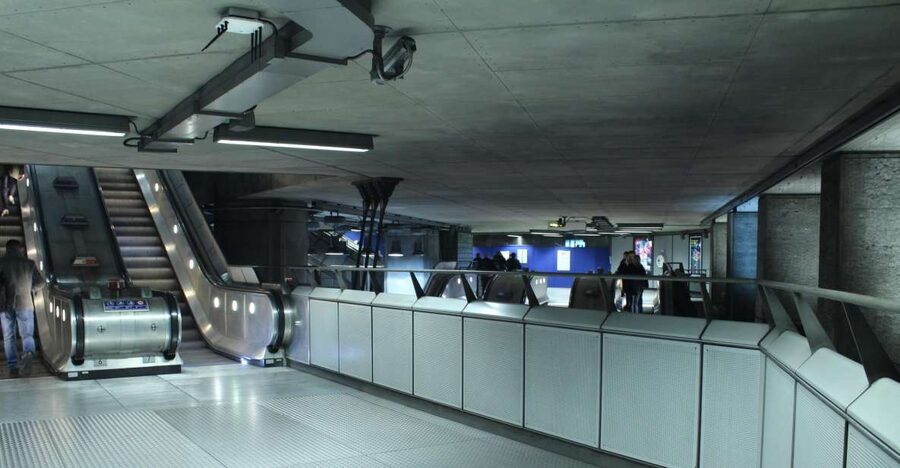
The most unusual part of this experience is that you are not simply hearing a lecture about the Underground. You use the system while learning how it developed. The route takes you through some of London’s oldest, deepest, most famous, and most unusual stations.
The first underground railway opened in 1863. Early trains were powered by steam, which sounds astonishing when you picture them running below busy streets. The tour explains why electric trains replaced steam engines and how the network changed as technology improved.
You will also hear about the lines that were once controlled by competing companies. That rivalry helps explain why the Underground can feel less like a single planned system and more like several railway networks stitched together. Connections, platforms, tunnels, and station layouts often make more sense once you know which company built each section.
The route itself may shift because of improvement work on the network. That is worth accepting from the start. You may not follow exactly the same sequence every time, but the changing route is part of using a working railway rather than visiting a fixed museum exhibit.
The practical cost is your own transport. You need a Zone 1 travel card or an Oyster card with at least £7 of pay-as-you-go credit. That requirement is easy to overlook because the tour price covers the guide, not the Tube fares. If you already have a suitable card for sightseeing in central London, this should be simple. If not, arrange it before meeting your guide.
The Circle line question that once mattered
The Circle line sounds straightforward until you try to understand how it developed. The tour uses it to show how the Tube’s labels and directions can hide a complicated past.
You will learn why it was once important to know which way you were traveling on the Circle line. Today, a route displayed as a circle can seem self-explanatory, but railway operations, station connections, and competing companies made direction more than a minor detail.
This is the sort of subject that makes the tour useful for regular London visitors. You may already know how to reach a station, yet still have no idea why a line is arranged as it is or why a platform has a particular name. The guide points out these oddities while you are near the places where they matter.
Rory has been singled out for being both engaging and willing to answer questions at length. That is important here because the Circle line story can easily become a list of dates and company names. A good explanation connects the past to what you see on the platform today.
Ghost stations and the Tube’s missing pieces
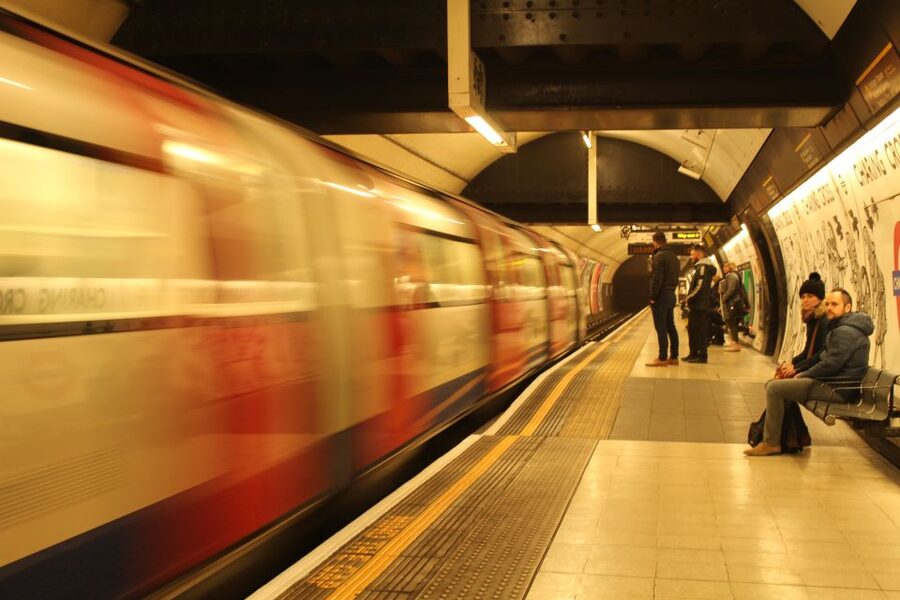
London’s ghost stations are one of the tour’s strongest draws. These are stations that have closed, been abandoned, or remain part of the network’s memory without functioning as ordinary stops. You will learn how to spot signs of stations and infrastructure that most passengers pass without noticing.
The appeal is not just the spooky name. Closed stations show that London’s transport needs have changed. A station may have opened when a neighborhood was growing, then lost its purpose when routes shifted, buildings changed, or nearby stations became more useful.
You should not expect a full underground exploration of every closed station. The experience takes place on a working network, and the guide’s job is to help you understand what can be seen, inferred, or remembered from the current system. That restraint is part of the value. You get the story without turning the tour into a staged ghost attraction.
The ghost station theme also ties neatly to the wider history of the Tube map. The map shows the network as a clean diagram, but the real railway contains closed platforms, altered routes, old entrances, and sections that do not fit a simple colored line.
A few more London days worth weighing up
- From London: Harry Potter Warner Bros Studio Tour
★ 4.7 · 26,588 reviews - London: Westminster to Greenwich River Thames Cruise
★ 4.5 · 22,836 reviews - Magical London: Harry Potter Guided Walking Tour
★ 4.7 · 22,044 reviews - London: Madame Tussauds London
★ 4.6 · 20,915 reviews
Reading the Tube map like a local
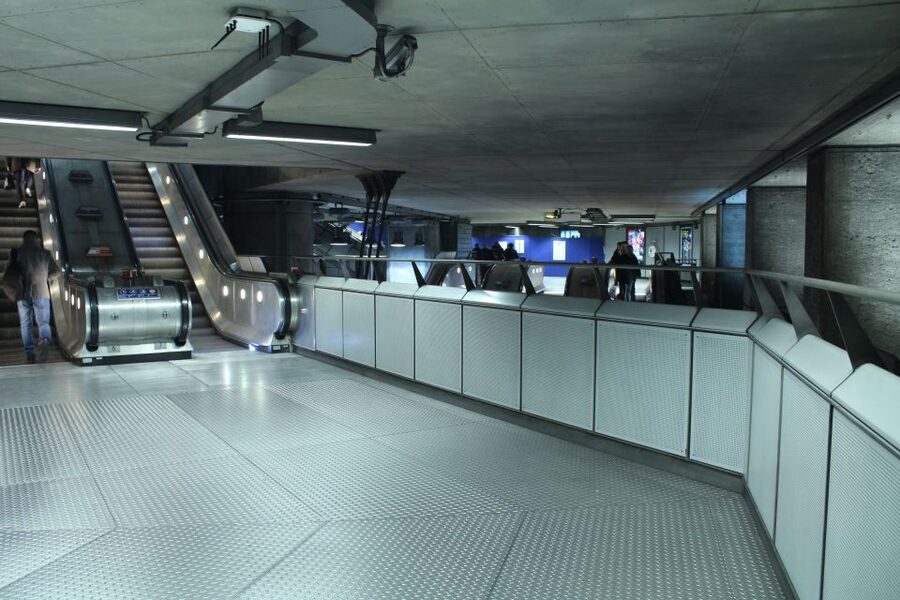
One of the tour’s most useful questions is how accurate the Tube map really is. Most visitors use it because it is clear, not because it is a precise street map. It simplifies distances, angles, and the shape of central London so you can make decisions quickly.
That means the map is excellent at showing connections but less reliable for judging how close stations are above ground or how long a cross-town trip feels. The tour helps you separate the map’s practical truth from its geographic shortcuts.
I like this part because it changes how you use the Tube after the tour. You begin to notice that a tidy line on paper can represent a complicated set of tunnels and platforms. You may also think twice before assuming that two nearby station names mean a quick interchange.
The guide brings attention to quirks that are easy to miss during a normal commute. These may include station details, layout choices, line histories, and small signs of how the railway expanded. The point is not to memorize every fact. It is to make the system more readable.
Stations that are beautiful, famous, or simply strange
The tour visits a selection of stations rather than treating every stop as equal. Some are important for their age, some for their depth, and some because their design or history is unusual.
That variety keeps the 165 minutes moving. You might shift from early railway history to station architecture, then to a practical explanation of electric trains or a curious feature of a particular platform. The Underground is at its best as a subject when engineering, design, and daily life overlap.
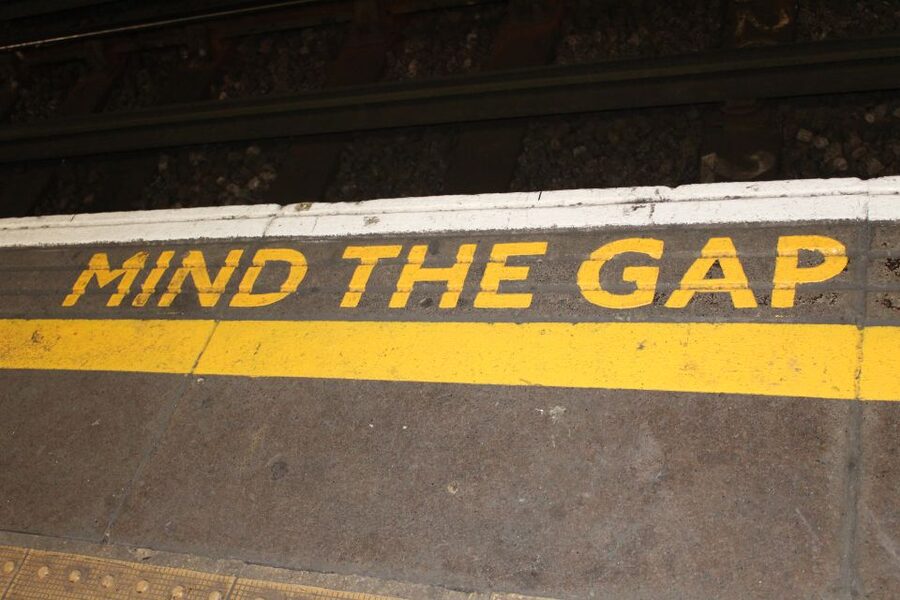
The walking can be more demanding than the word Tube suggests. Station changes often involve stairs, corridors, and regular movement through public spaces. Wheelchair users cannot take this tour, and it is not suitable for parents with prams. Baby carriages are specifically not allowed.
Older visitors should also plan carefully. One person found the lack of a toilet stop inconvenient, and no scheduled loo break is included in the information provided. Use facilities before the tour and avoid assuming you will have a convenient chance to stop once the route begins.
The guide makes the difference
A private Underground tour depends heavily on the person leading it. Rory is described as entertaining, attentive, and willing to continue beyond the planned time when questions kept coming. Fiona is noted for a warm greeting and for helping a birthday group feel part of the story. Chris and Jericho are also described as enthusiastic and informative.
Those details point to the tour’s strongest feature: the guide is not only delivering facts but interpreting a system that can otherwise feel confusing. The best moments are likely to come when you ask about something you have always noticed but never understood.
The private setting helps with that. You do not have to compete with a large group to hear, and the guide can respond to your interests. A family might focus on engineering and unusual stations. A pair of longtime London visitors might spend more time on map design, company rivalries, and station changes.
Still, guide-led experiences vary by person. The named guides are examples of the people who may lead the tour, not a guarantee that you will receive a particular guide. If having Rory, Fiona, Chris, or Jericho matters to you, ask the provider before booking.
What the $84.86 price gets you
At $84.86 per person, this is not the cheapest way to ride the Tube. You still need to cover your own travel costs, and the experience lasts 165 minutes rather than a full day.
The value comes from the private guide and the subject matter. A normal Tube ride gets you from one place to another. This tour gives you a reason to look at the stations, understand the route, and connect what you see with the Underground’s development.
The price makes the most sense for people who have already seen London’s headline sights and want a more focused experience. It can also suit a small private group marking a birthday or special occasion, especially if you enjoy asking questions. For a visitor who only needs transport tips or wants a quick overview, the cost may feel high.
The 4.6 rating from 42 reviews suggests a strong overall response, with repeated praise for the guides’ personal manner, clear explanations, and ability to make the history entertaining. The one practical complaint about toilet access is worth taking seriously, as is the stair-heavy nature of the route.
Timing, transport, and the uncertain finish
The tour lasts 165 minutes, or two hours and 45 minutes. That is long enough for a real historical tour but short enough to fit around other central London plans. I would avoid booking it immediately before a timed attraction, theater performance, train, or airport transfer.
The start time varies, so check availability before planning the rest of your day. Meet under the clock on Platform 1 at Paddington Station, and arrive early enough to find the platform without rushing.
The ending requires a small clarification. The tour description says it concludes at Westminster Station, while the meeting-point information says the activity ends back at the meeting point. Because those details do not match, confirm the ending location with Brit Icon Tours before you book or before the day of the tour.
Bring a valid Zone 1 travel card or an Oyster card with at least £7 of credit. The guide is included, but your Tube journeys are not. Comfortable shoes are a sensible choice because the experience combines walking with rail travel, though the supplied information does not specify a recommended dress code.
Free cancellation is available up to 24 hours in advance for a full refund. You can also reserve now and pay later, which helps if your London schedule is still moving around.
Who should book this Underground tour
I would recommend this experience to anyone who enjoys city history in small details. It is especially well suited to repeat visitors who have used the Tube for years but never stopped to ask why it looks and operates the way it does.
It is also a good choice for families with older children or teenagers who enjoy trains, maps, engineering, or unusual stories. The private format means the guide can adjust the conversation to the group, although the walking and stairs may not suit young children in prams.
This is less suitable if you want a relaxed ride with little walking, need step-free access, or dislike fixed guide-led activities. It is also not the right pick if you expect a dedicated toilet break or a guaranteed route through every famous station.
For the best experience, arrive curious rather than expecting a checklist of sights. The tour’s pleasure lies in noticing the details you normally ignore: a confusing line direction, a strange map angle, an old station clue, or a reason the trains changed from steam to electric power.
Should you book it?
Book this private Tube tour if London’s transport system interests you and you want more than a basic sightseeing ride. The strongest reasons are the oldest railway route, the Circle line explanation, the ghost stations, and the chance to ask a guide detailed questions in a private group.
Skip it if accessibility is a concern, if stairs are difficult, or if the extra Tube fare makes the price poor value for your budget. Before booking, confirm the final stop, prepare your Zone 1 travel card or Oyster card, and use a toilet before meeting at Paddington. If those points work for you, this is a smart way to see London’s Underground as part of the city’s story rather than just a transport system.
FAQ
Where does the London Underground tour start?
It starts underneath the clock on Platform 1 of Paddington Station in London.
Where does the tour finish?
The tour description says it concludes at Westminster Station, while the meeting information says it ends back at the meeting point. Confirm the final location with the provider because the details conflict.
How long does the tour last?
The tour lasts 165 minutes, or two hours and 45 minutes.
What language is the tour in?
The live tour guide speaks English.
Is this a private tour?
Yes. The activity is offered for a private group.
Are Tube fares included?
No. Travel costs are not included. You need a Zone 1 travel card or an Oyster card with at least £7 of pay-as-you-go credit.
Is the tour wheelchair accessible?
No. The tour is not suitable for wheelchair users because of the nature of the locations visited.
Can I bring a pram or baby carriage?
No. Parents with prams cannot take the tour, and baby carriages are not allowed.
Are toilet breaks included?
No scheduled toilet stop is listed. Plan to use facilities before the tour begins.
Can I cancel for a full refund?
Yes. You can cancel up to 24 hours in advance for a full refund. You can also reserve now and pay later.
Just added around London
- London: Wimbledon Tennis Club and Westminster Walking Tour★ 4.5 · 86 reviews
- London: Westminster to Richmond River Thames Cruise★ 4.8 · 23 reviews
- Westminster Abbey Skip-the-Line Entry and Private Tour★ 4.6 · 4 reviews
- Best of London by LE GRAND – London’s Luxury Bus Tour★ 4.2 · 23 reviews
- London: Westminster Walking Tour & St Paul’s Cathedral Entry★ 4.7 · 7 reviews
- From London: Oxford, Stratford-upon-Avon & Cotswolds Trip★ 4.5 · 64 reviews
- From London: Warwick, Oxford, Stratford & Cotswolds Day Tour★ 4.0 · 270 reviews
- Warner Bros. Studios and 1-Day London Hop-on Hop-off tour★ 4.7 · 9 reviews
Private Tours in London, compared.
Tower of London Entry & Beefeater Private Audience
Read our review →


Stonehenge Private Inner Circle Tour with Bath
Read our review →

Browse the lists this tour appears in