
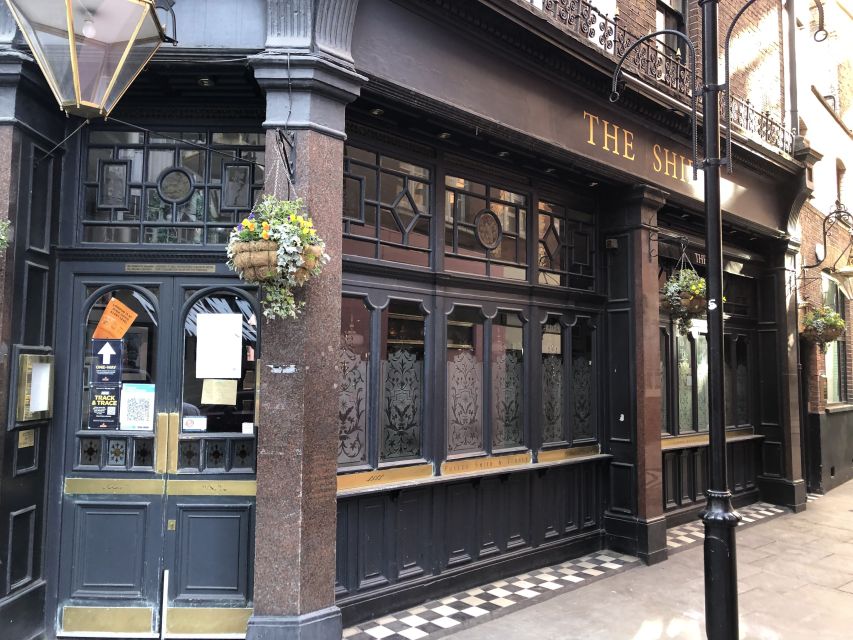
Reviewed · WALKING TOURS
London: Soho Rock and Roll Walking Tour
London’s rock story is written across ordinary streets. On this two-hour walk through Soho, you follow the routes of Queen, the Beatles, Led Zeppelin, the Rolling Stones, the Sex Pistols, the Who, and Jimi Hendrix. You also see where Bohemian Rhapsody and other classic tracks were recorded, then walk down Tin Pan Alley, the street tied to Britain’s songwriting trade.
I like the way this tour connects music history with real places, rather than leaving you with a list of famous names. I also like the guide-led storytelling, especially when Spencer is leading. His enthusiasm for the 1960s and his store of small facts give the walk a personal feel. The main drawback is that a short tour cannot cover every corner in detail, and you must pay your own Tube fare to reach Abbey Road.
Key points to know
- Soho gives the tour its musical heart: Walk streets linked with Queen, Led Zeppelin, the Rolling Stones, the Sex Pistols, the Who, and Jimi Hendrix.
- Carnaby Street recalls the Swinging 60s: You see the shopping street tied to London’s mod and pop culture.
- Tin Pan Alley adds songwriting context: This stop helps explain the business behind Britain’s music boom.
- Abbey Road requires extra Tube fare: Bring money or a valid travel pass for this part of the route.
- Spencer brings a personal touch: His stories about 1960s life and music are a major reason to choose this walk.
- Comfortable shoes matter: The experience lasts two hours and is not suited to people with mobility impairments.
Starting outside the Dominion Theatre

Your meeting point is outside the Dominion Theatre, reached from Exit 2 of Tottenham Court Road Underground Station. This is a sensible central London starting place, but you should come up to street level before looking for the guide. If you arrive by Tube, follow the exit instructions carefully rather than assuming every station entrance leads to the same corner.
The theatre sets the tone nicely. You are beginning in the West End, close to the streets where music, theatre, nightlife, and popular culture have overlapped for generations. The tour is not a concert and does not include a performance. Its appeal is seeing the city itself and hearing how musicians used it.
Plan to arrive ready to walk. Comfortable shoes are specifically advised, and that is practical advice rather than a polite suggestion. The route lasts two hours, and standing around on hard city pavements can wear you down faster than the distance itself.
More Walking Tours in London
- Magical London: Harry Potter Guided Walking Tour
★ 4.7 · 22,044 reviews - London: The Original Jack the Ripper Walking Tour
★ 4.7 · 7,833 reviews - London: Harry Potter Movies Walking Tour (Kids Go Free)
★ 4.7 · 3,071 reviews
Soho, where Britain’s music story gets personal
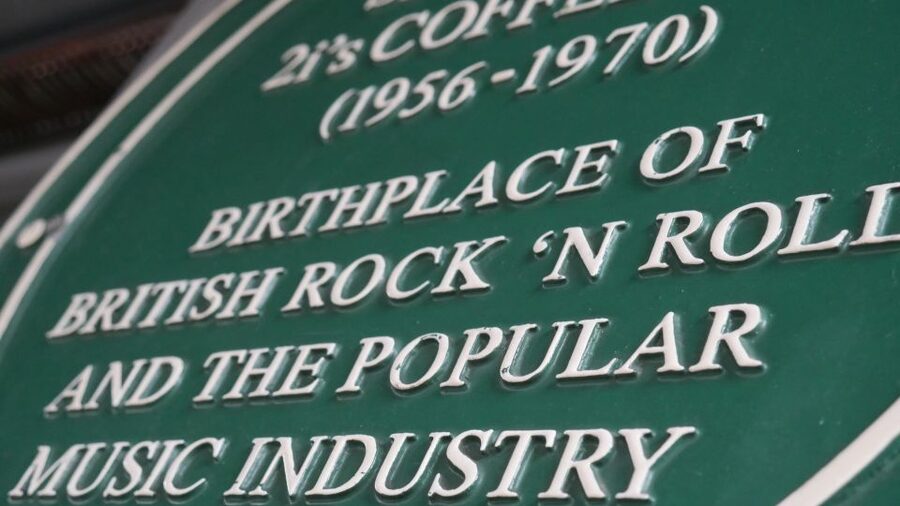
Soho is the main stage for the walk. Here, the guide places London’s rock story in a compact area that is easy to cross on foot but full of associations. You learn where major performers lived, worked, played, and, in some cases, died.
That list includes the Sex Pistols, Queen, Led Zeppelin, the Rolling Stones, the Who, Jimi Hendrix, and the Beatles. The value is not simply spotting a building and moving on. A good guide explains why a particular address matters, which turns a street corner into part of a bigger story about British rock, blues, pop, and punk.
This is where an enthusiastic guide makes a real difference. Spencer has a strong connection to the music and a clear affection for 1960s life. His approach is suited to people who enjoy side stories, small facts, and the human details behind famous records. You should expect an informed talk as you walk, not a silent photo stop.
The tour also helps you see that British rock did not grow from one sound or one room. The route brings together blues influence, pop songwriting, hard rock, punk energy, and the public image of the Swinging 60s. That range makes the experience useful for anyone whose music taste goes beyond a single band.
Recording places and the story behind Bohemian Rhapsody
One highlight is seeing where Bohemian Rhapsody and other classic rock tracks were recorded. The supplied details do not name each studio or recording address, so you should not expect a full studio tour or access inside working buildings. The point is to view the locations from the street and hear why they matter.
That distinction is important. This is a walking history experience, not a behind-the-scenes recording session. You will not be handling equipment or entering every location. Still, standing outside a place tied to a famous song can sharpen your sense of how much music history is packed into London’s central streets.
For Queen fans, this part may be a highlight. For general rock fans, it adds useful context. Records can feel detached from the places that produced them, especially when you know only the finished track. Linking a song to an actual London address gives the story a physical anchor.
The best way to enjoy this section is to listen closely to the guide’s explanation rather than rushing to take a photograph. The buildings may look ordinary. That is part of the lesson. Music history often happened in regular-looking rooms, above shops, behind plain doors, or along streets that now serve very different purposes.
Carnaby Street and the Swinging 60s

Carnaby Street brings a change of mood. It is presented as the home of the Swinging 60s, the London era associated with new clothes, new sounds, and a more relaxed attitude toward popular culture.
You get more than a shopping stop here. Carnaby Street helps explain the world around the music. Bands did not exist apart from fashion, nightlife, record shops, clubs, and youth culture. The street gives you a visual reminder that the British music boom was also a social shift.
This stop will suit you if you enjoy the connection between music and everyday city life. It is less about one performer and more about the atmosphere of a period. The guide’s personal stories are particularly useful here. Spencer is known for loving the 1960s lifestyle, so his commentary can add color that a basic date-and-name tour would miss.
Keep your expectations realistic. Carnaby Street is a living part of London, not a preserved museum set. The current street may not look exactly as it did during the 1960s. The value comes from learning how its reputation was formed and then comparing that history with what you see today.
A few more London days worth weighing up
- From London: Harry Potter Warner Bros Studio Tour
★ 4.7 · 26,588 reviews - London: Westminster to Greenwich River Thames Cruise
★ 4.5 · 22,836 reviews - London: Madame Tussauds London
★ 4.6 · 20,915 reviews - London: Warner Bros. Studio Tour with Transfers
★ 4.7 · 17,586 reviews
Tin Pan Alley and Britain’s songwriting machine
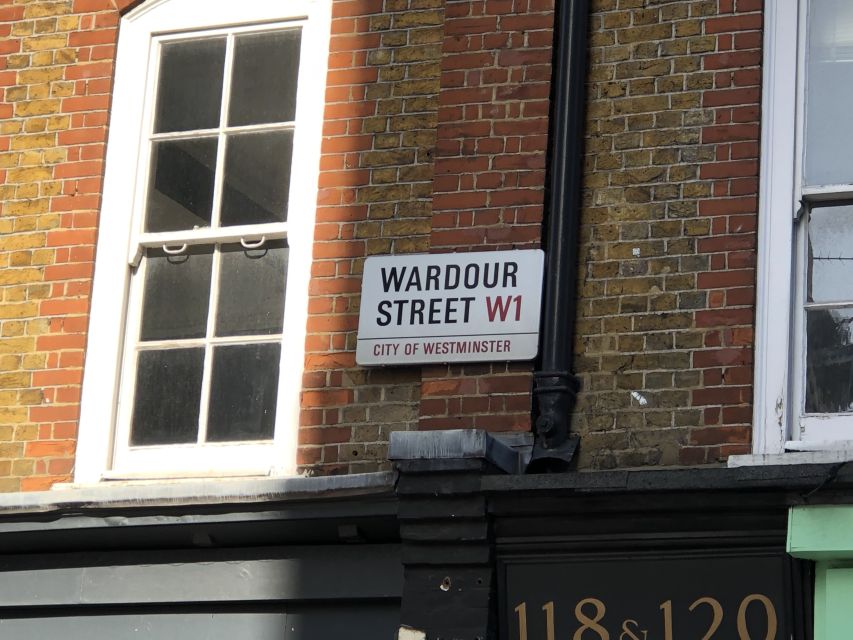
The walk down Tin Pan Alley adds an important piece that many rock tours leave out. This was a key part of London’s songwriting and music-publishing world, so it gives you a look at the business behind the records.
Rock history often focuses on singers and bands. Tin Pan Alley broadens the picture by pointing to the writers, publishers, and commercial system that helped songs reach the public. It reminds you that successful music needs more than a performer. There are people writing, arranging, promoting, printing, recording, and selling it.
For me, this is one of the most useful stops for understanding the city’s role in music. You are not just following famous personalities. You are seeing the machinery that helped turn songs into careers.
The stop also makes the tour more worthwhile for people who are interested in British pop as well as rock. The experience covers rock, blues, pop, and punk, and Tin Pan Alley helps connect those styles to the wider music trade. If you want only a Beatles or Queen tribute, this broader focus may feel less targeted. If you want the story of London’s music scene, it adds depth.
Abbey Road and the extra Tube journey
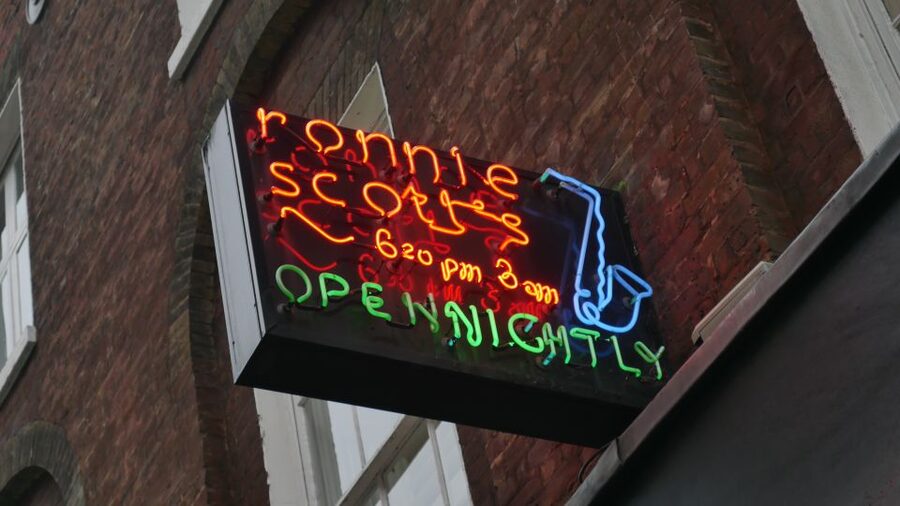
The tour includes travel to Abbey Road, but you need to buy your own Tube ticket for that part of the experience. This is the main practical detail to plan around. A valid London travel pass may cover your ride, but the tour price itself does not include the fare.
Abbey Road carries obvious Beatles associations, and it gives the walk a strong closing point for fans of the band. You should allow for the fact that this is not simply another nearby Soho street. The Tube ride changes the rhythm of the tour and makes the route less compact than the two-hour length might first suggest.
Because the activity description does not provide the exact station sequence or time spent at Abbey Road, check the starting time and current route details when booking. Do not assume that the whole experience stays within walking distance of the meeting point.
This part is a good reminder to bring the right essentials. Comfortable shoes matter for the walking sections, and you should have a Tube ticket, travel card, or payment method ready. A little preparation keeps the music talk from being interrupted by a last-minute transport problem.
How the guide shapes the experience
A music walking tour lives or dies by its guide. The streets alone cannot tell the full story, especially when some locations are plain buildings with no obvious sign. The guide has to explain the connection, keep the group moving, and make the facts memorable.
Spencer is the name most closely associated with the strongest praise for this experience. His interest in the 1960s is clear, and he brings stories about that period rather than offering only formal dates. That personal enthusiasm is useful for this subject because rock history is full of characters, rivalries, changing fashions, and odd details.
The tour is conducted in English, so you should be comfortable following spoken commentary while walking through a city street. It is not offered in multiple languages. The route is best for listeners who enjoy a lively explanation and are willing to ask questions or stay engaged.
You should also remember that a passionate guide may spend more time on certain bands or eras. That can be a benefit if your interests match the guide’s, but it means the exact balance of Queen, punk, blues, or Beatles material may vary. The central theme remains London’s rock and roll story, not a fixed museum audio track.
What two hours can and cannot cover
Two hours is a good length for a taste of Soho’s music story. It is long enough to connect several neighborhoods and artists without taking up an entire day. If you are fitting the walk between other London plans, the duration is manageable.
It is also a limit. London’s connection to rock music is far too large for a complete survey in one short walk. You will get selected locations and a guided explanation, not an exhaustive tour of every studio, club, home, and memorial tied to British music.
That makes this experience most useful as an introduction. You can use it to find the places that interest you most, then return on your own with more time. It also works well near the start of a London visit, when you are still learning how Soho, the West End, and the wider music district fit together.
The walk is not suitable for people with mobility impairments. The activity involves city walking and a Tube journey, with no accessible format or alternative route stated. If you need guaranteed step-free access or frequent rest periods, this is not the safest choice based on the available information.
Is $22 a fair price?
At $22 per person, the tour offers reasonable value if you care about classic rock and want a guide to connect the locations. You are paying for two hours of live English commentary, a planned route, and access to stories that can be hard to assemble on your own.
You could walk around Soho without paying anything, of course. The trouble is knowing what you are looking at. A plain doorway means little until someone explains its link to a recording, band, songwriter, or turning point. The fee pays for that interpretation.
The value is strongest for fans of several artists and styles. You get Queen, the Beatles, Led Zeppelin, the Rolling Stones, the Sex Pistols, the Who, and Jimi Hendrix in one experience, along with the wider story of blues, pop, and punk. A specialist fan focused on one band may prefer a dedicated tour with more locations tied to that group.
Free cancellation up to 24 hours before the start and the option to reserve now and pay later reduce the risk of booking. They are useful features for a London schedule that may change. Just remember that your Tube fare to Abbey Road is separate.
Who should book the Soho rock walk?
I would recommend this tour to classic rock fans, music-loving couples, solo visitors, and anyone who wants a history walk with a strong pop-culture theme. It is especially suitable if you recognize the major bands but want to understand their London setting.
It is also a good fit for parents and older children who already enjoy the music. The route turns familiar songs into places, and the guide’s stories can make the period easier to picture.
You may want to skip it if you dislike walking tours, need a highly accessible route, or want to enter recording studios and historic venues. The experience is about street-level locations and storytelling. It does not promise indoor access, live music, or a full day devoted to one band.
Should you book it?
Book this walk if you want a compact introduction to London’s rock story and value a guide who brings genuine personal enthusiasm. Spencer’s 1960s stories and the range of artists covered are the strongest reasons to choose it.
The $22 price is sensible, but add your Tube fare to Abbey Road and wear proper shoes. If you keep those details in mind, this is a lively way to see Soho as more than restaurants and nightlife. You will leave with a better sense of how London’s streets helped shape the sound of British music.
FAQ
Where does the Soho Rock and Roll Walking Tour meet?
Meet your guide outside the Dominion Theatre. From Tottenham Court Road Underground Station, take Exit 2 and head to street level.
How long does the tour last?
The walking tour lasts two hours.
What language is the tour conducted in?
The tour is conducted in English with a live English-speaking guide.
Is Abbey Road included in the tour?
Yes. The tour includes travel to Abbey Road, but you must pay your own Tube fare.
Do I need to bring anything?
Bring comfortable shoes for the walking route. You should also have a Tube ticket, travel card, or another way to pay for your journey to Abbey Road.
What music and artists does the tour cover?
The tour covers England’s rock and roll scene, including rock, blues, pop, and punk. Artists named for the route include Queen, the Beatles, Led Zeppelin, the Rolling Stones, the Sex Pistols, the Who, and Jimi Hendrix.
Is the tour suitable for people with mobility impairments?
No. The experience is listed as unsuitable for people with mobility impairments.
Can I cancel the booking?
You can cancel up to 24 hours in advance for a full refund. You can also reserve now and pay later.
Just added around London
- London: Wimbledon Tennis Club and Westminster Walking Tour★ 4.5 · 86 reviews
- London: Westminster to Richmond River Thames Cruise★ 4.8 · 23 reviews
- Westminster Abbey Skip-the-Line Entry and Private Tour★ 4.6 · 4 reviews
- Best of London by LE GRAND – London’s Luxury Bus Tour★ 4.2 · 23 reviews
- London: Westminster Walking Tour & St Paul’s Cathedral Entry★ 4.7 · 7 reviews
- From London: Oxford, Stratford-upon-Avon & Cotswolds Trip★ 4.5 · 64 reviews
- From London: Warwick, Oxford, Stratford & Cotswolds Day Tour★ 4.0 · 270 reviews
- Warner Bros. Studios and 1-Day London Hop-on Hop-off tour★ 4.7 · 9 reviews
Walking Tours, compared.

Magical London: Harry Potter Guided Walking Tour
Read our review →

University and City Walking Tour with Alumni Guide
Read our review →
Harry Potter Movies Walking Tour (Kids Go Free)
Read our review →
The Great British Rock and Roll Music Walking Tour
Read our review →
Jack the Ripper Walking Tour – Ripper Vision Tours
Read our review →

Browse the lists this tour appears in