
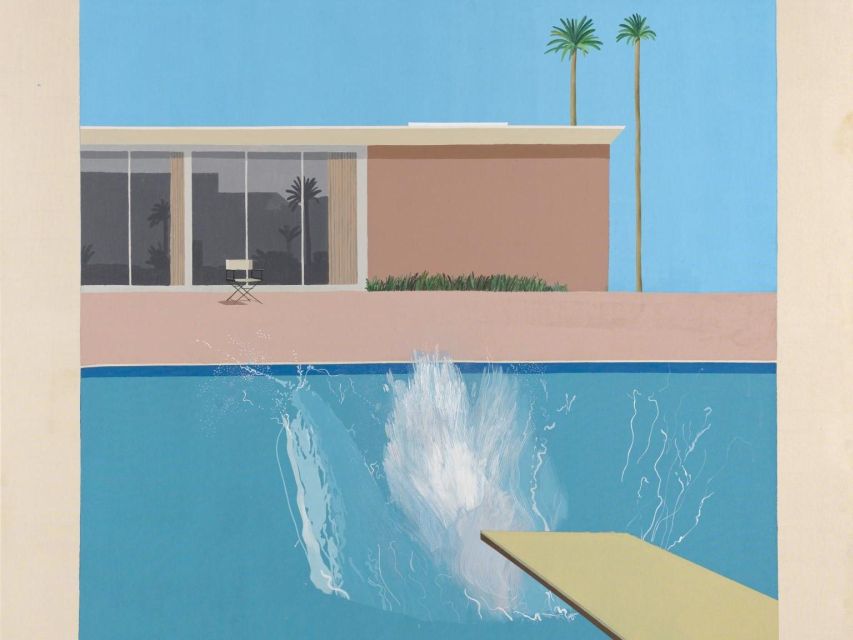
Reviewed · 3-HOUR EXPERIENCES
Tate Britain London: Private Guided Tour – 3 Hour
Tate Britain is the place to make sense of British art, from royal portraits and grand history paintings to Turner’s storms and Bacon’s unsettling figures. This three-hour private tour gives you a clear route through a large collection instead of leaving you to wander from room to room with a map.
I like the small group size, capped at five, and the chance to ask questions without competing with a crowd. I also like the broad sweep, which links artists such as Rubens, Reynolds, Turner, Blake, Millais, and Hockney to the changing story of Britain. The main drawback is that temporary exhibitions are not included, and visitors with visual or hearing impairments may find the tour unsuitable.
Key points
- Follow British art across four centuries, from 16th-century painting to contemporary work.
- Focus on major names, including Turner, Blake, Millais, Bacon, Freud, Hockney, Moore, and Sargent.
- Travel privately with up to five people, allowing the guide to adjust the pace and answer your questions.
- Ask for context, not just dates, including how Tate Britain grew and built its collection.
- Expect a guide-led highlight route, with room to tailor the visit to your interests.
- Meet at the front entrance by the River Thames, where your guide carries a card with your name.
Why three hours works well at Tate Britain
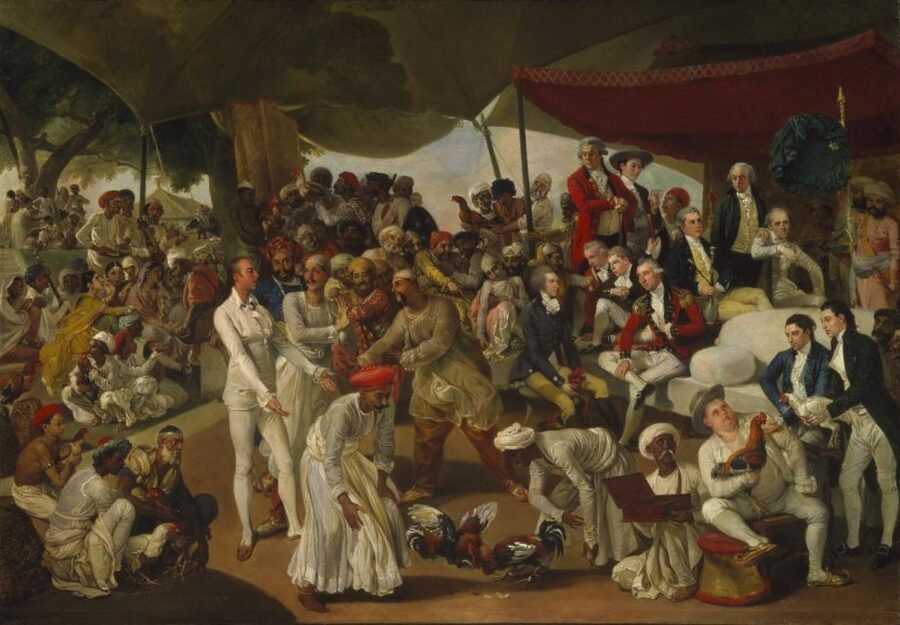
Tate Britain rewards a guided visit because its collection covers a long stretch of art history. You are not simply looking at famous pictures in isolation. You are moving through changing ideas about power, society, portraiture, national identity, nature, and the role of the artist.
Three hours gives your guide enough time to explain those connections without reducing the tour to a hurried list of names. You should see a selection of important works from the permanent collection, with the route shaped around the most significant pieces and your own interests.
That matters at Tate Britain. A large museum can leave you with a handful of pretty images and very little sense of how they fit together. A good guide supplies the missing thread. You may begin with courtly portraits and formal painting, then move toward artists who questioned convention, painted modern life, or changed what British art could look like.
This is not a tour that promises every room. That would be impossible in three hours, and it would not be much fun. Instead, expect a focused visit built around highlights, anecdotes, and the guide’s judgment about what deserves your time.
More Private Tours in London
- London: Tower of London Entry & Beefeater Private Audience
★ 4.4 · 1,441 reviews - London: Private Photoshoot with Video Clip Option
★ 4.8 · 182 reviews - London: Private Walking Sightseeing Tour
★ 4.2 · 175 reviews
Meeting at Tate Britain beside the Thames
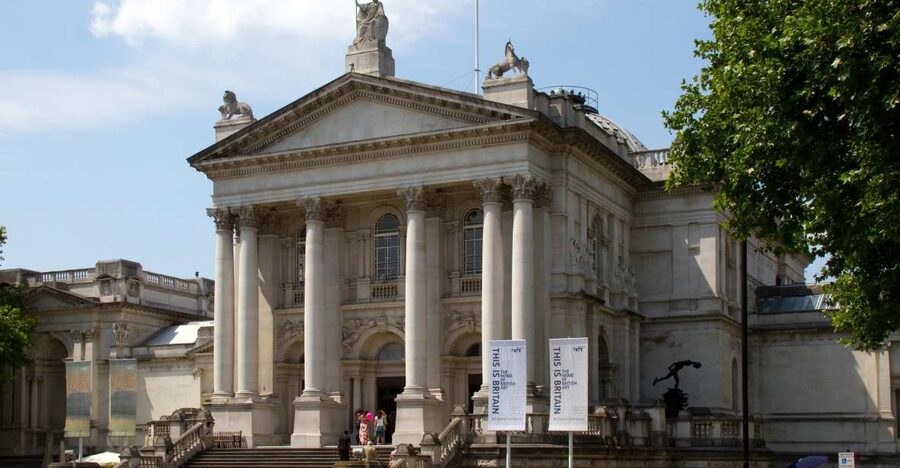
The meeting point is the front entrance overlooking the River Thames. Your guide carries a card printed with your name, which should make the first meeting easier, especially if the entrance area is busy.
The riverside setting gives the visit a pleasant beginning. You are entering a museum devoted to Britain’s art, but you are also starting in a part of London strongly tied to the city’s civic and cultural life. The exact meeting instructions are simple, though you should allow enough time to reach the entrance rather than arriving at the last minute.
The tour is in English, and the group is private. That combination is useful if your party has different levels of art experience. You can ask for basic explanations, or you can spend longer on a technical point without worrying about holding up strangers.
The group limit of five is one of the strongest practical features. With one or two people, the tour can feel like a conversation. With five, you still have a manageable group, but the price becomes better value when shared.
Starting with the gallery and its collecting story
Before charging toward the most famous paintings, your guide explains Tate Britain and the way its collection developed. This background gives the pictures a setting. You learn not only what an artist painted, but why these works are in this particular museum and how the idea of British art has changed over time.
The collecting story also helps explain the range of the visit. Tate Britain is not limited to one period or one style. The tour can move from 16th-century works through portraiture, landscape painting, modernism, and contemporary art.
This part is especially useful if you know British art mainly through Turner. It shows that Turner is part of a much bigger sequence, not an isolated genius placed in a room for tourists. Earlier portrait painters, Victorian artists, and 20th-century figures all help explain the changes that made Turner’s work possible and influential.
You should expect anecdotes as well as formal art discussion. The stated aim is to bring the works to life, and that means your guide may connect a painting to its sitter, its period, its technique, or the habits of the artist. The experience is best suited to people who want more than a label beside each picture.
Portraits, power, and the British tradition
The earlier part of the collection can include artists such as Rubens, Van Dyck, Lely, and Kneller. Their paintings offer a useful lesson in how portraiture shaped ideas about status and authority.
Rubens and Van Dyck also remind you that British art did not grow in complete isolation. Artists, styles, and patrons crossed borders. A guided explanation can make that clear without treating the collection as a simple march toward modern painting.
Lely and Kneller bring you closer to the world of court portraiture. Their work is not just about a face on a canvas. Clothing, pose, setting, and gesture all communicate rank. Once you have been shown how to read those details, you may find that even a formal portrait becomes more engaging.
The tour can also include Reynolds and Gainsborough, two central figures in 18th-century British painting. Their work offers a chance to compare different approaches to portraiture, brushwork, color, and personality.
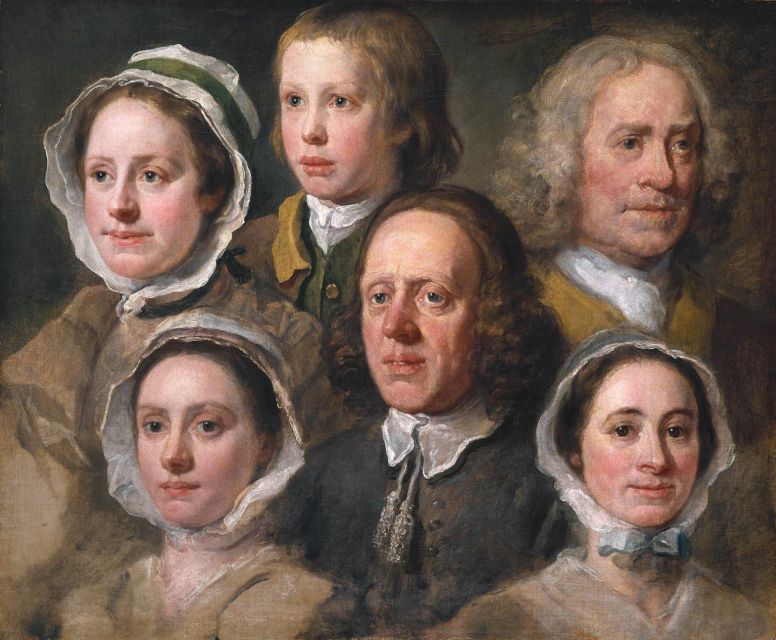
William Hogarth adds another angle. His pictures are closely tied to social observation and everyday behavior. A guide can point out the visual jokes and moral details that are easy to miss when you are looking from several feet away. This is where personal explanation earns its keep. You do not need a degree in art history, but you do need someone to show you where to look.
A few more London days worth weighing up
- From London: Harry Potter Warner Bros Studio Tour
★ 4.7 · 26,588 reviews - London: Westminster to Greenwich River Thames Cruise
★ 4.5 · 22,836 reviews - Magical London: Harry Potter Guided Walking Tour
★ 4.7 · 22,044 reviews - London: Madame Tussauds London
★ 4.6 · 20,915 reviews
Turner and the part many people remember best
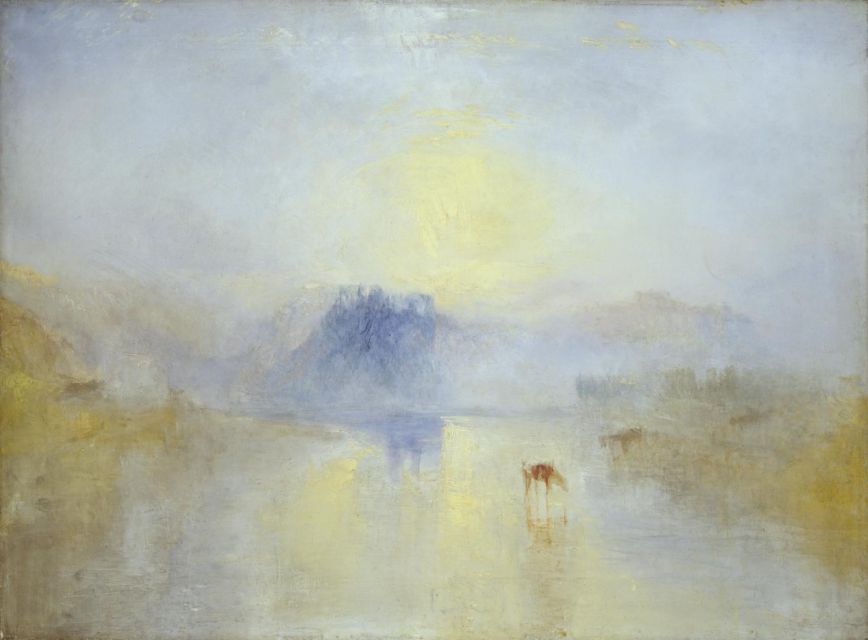
Turner is likely to be a major focus. The experience specifically highlights his holdings, and the named guide Robert Miller has been praised for his enthusiasm for the Turner collection.
That enthusiasm matters because Turner’s paintings can seem simple at first glance. A haze of light, a sweep of color, or a stormy sea may look loose and unfinished if you do not know what the artist was testing. With guidance, you can start to see the decisions behind the effect.
Turner also gives the tour a strong center because his work connects older traditions with modern painting. He understood landscape, weather, travel, industry, and light in ways that pushed beyond the conventions of his time.
You may spend more time with Turner than with some other artists, depending on your guide and your interests. That is a benefit for anyone who came to Tate Britain with Turner in mind. If your group prefers portraiture, Victorian painting, or modern art, say so early. The tour is bespoke, so your priorities can help shape the balance.
Victorian imagination and changing ideas about art
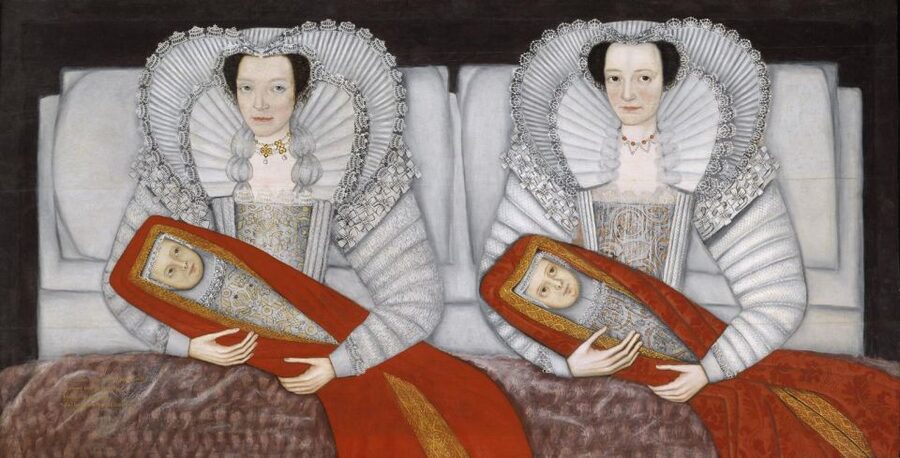
The 19th-century portion can bring together artists such as John Everett Millais and William Blake. They represent very different approaches, which makes comparison worthwhile.
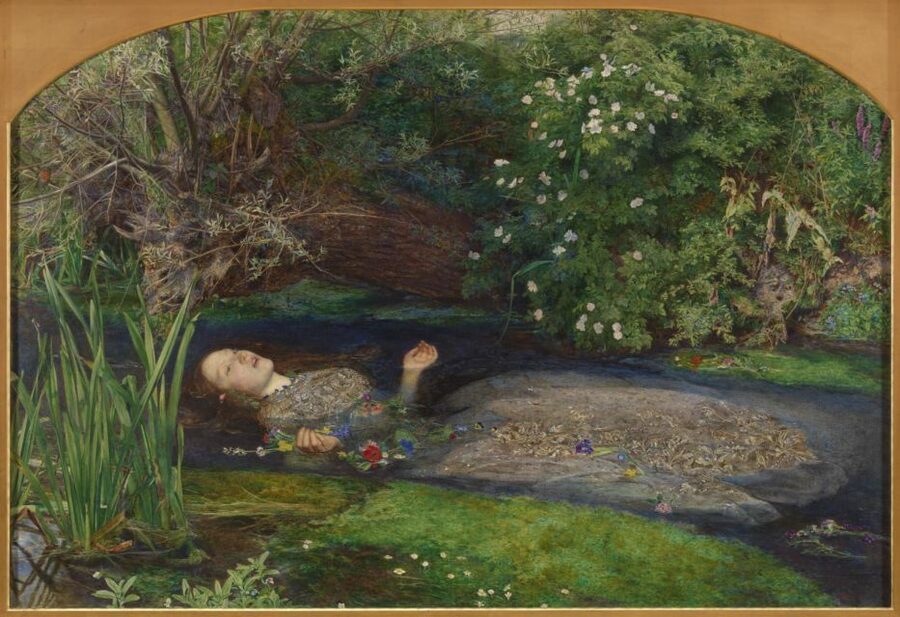
Millais is linked with the detailed, often intense world of Victorian painting. Blake takes you toward poetry, symbolism, and visionary imagery. The value of seeing them in one guided route is that you can compare how artists responded to the pressures and possibilities of their age.
John Singer Sargent adds another important thread. His portraits show how brushwork can feel quick and loose while still creating a strong sense of presence. A guide can draw your eye to the marks that carry the expression, fabric, and posture.
Canaletto may seem like an unusual name in a discussion of British art, but his inclusion reflects the wider story of collecting and taste. The important point is not that every artist fits a narrow national label. It is that the collection shows how Britain looked outward, collected internationally, and formed its own artistic culture through exchange.
You will get more from this section if you ask questions about technique. Which parts were painted carefully? Where does the artist let the surface remain visible? How does a painter make a person or place feel convincing? These are simple questions, but they can change the way you see the work.
From Blake and Sargent to Bacon and Hockney
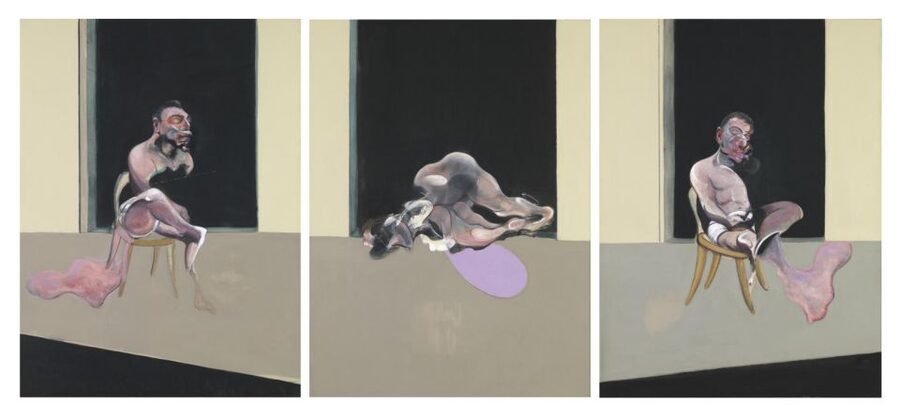
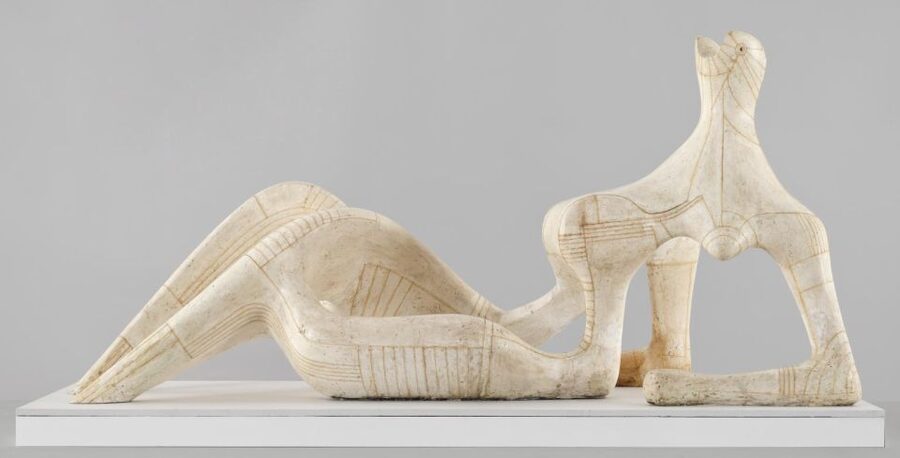
The tour reaches into the 20th century and contemporary art, with names including Bomberg, Bacon, Freud, Epstein, Moore, and Hockney. This is where the visit becomes less predictable for people who associate British art mainly with portraits and countryside scenes.
Francis Bacon can be difficult work. The distorted figures and tense spaces are not designed to offer easy beauty. A guide can give you a way into the paintings by discussing mood, form, and the choices that make them uncomfortable.
Lucian Freud brings a different kind of intensity. His portraits ask you to look closely at the body, the face, and the physical facts of a person. Jacob Epstein and Henry Moore open another path through sculpture, where mass, surface, and space matter as much as subject.
David Bomberg offers a route toward abstraction and modernist experiment. David Hockney brings the story forward again, showing how British artists continued to test color, space, technology, and popular visual culture.
The benefit of a private tour here is freedom to pause. If contemporary work leaves you cold, you can ask for context rather than pretending to understand it. If a particular painting catches you, you can stay with it and discuss why it works, or why it does not.
Robert Miller and the value of a strong guide
Robert Miller is the guide named in the most detailed feedback for this experience. He has been praised for clear communication, thought-provoking views, and a strong interest in Turner.
That combination is important. Art tours can fail in two opposite ways. A guide may recite facts without helping you look, or offer personal opinions without enough evidence. The best moments here appear to come from joining information with interpretation.
You should feel free to ask direct questions. Why is this work important? What should I notice first? Why did the artist choose this pose? What was happening in Britain at the time? A private format makes those questions easier to ask, and the guide can adjust the explanation to your group.
One useful detail from a recent three-hour visit is that Robert helped the group find the Tube station afterward. That is not advertised as a formal part of the tour, so you should not book on the assumption that it is included. Still, it suggests a practical, personal finish when circumstances allow.
What the private format changes
A private tour is not merely a smaller public tour. It changes how the visit feels. You can set the pace, interrupt with questions, and tell the guide what your group already knows.
For first-time museum visitors, that can reduce the worry of missing the important works. For people with some art background, it lets you avoid a basic introduction and spend time on harder questions.
Families and mixed-age groups may also benefit, though the supplied information does not describe a child-specific route. The three-hour length requires reasonable attention, so you should consider your group’s stamina before booking.
The experience is wheelchair accessible. It is listed as unsuitable for people with visual or hearing impairments, and the live tour is offered in English only. These are important limitations, not minor footnotes. Contact the provider before booking if your access needs require a different format.
Is $263 good value for up to five people?

The listed price is $263 for a group of up to five. If five people share the cost, that works out to about $52.60 per person. For a couple, the per-person cost is much higher, so the value depends on how strongly you want personal guidance.
I see the price as reasonable for a private three-hour museum tour when the group is full. You are paying for an expert-led route, conversation, and the ability to shape the visit around your interests. You are not paying for a temporary exhibition ticket, which is extra and must be booked separately.
A self-guided visit costs less, of course. If you enjoy reading labels and choosing your own path, you may prefer that freedom. The private tour earns its price when your time in London is limited, when the collection feels intimidating, or when your group wants a shared learning experience rather than several hours of independent looking.
The flexible booking terms help with planning. You can reserve now and pay later, and cancellation is free up to 24 hours before the tour for a full refund. Starting times vary, so check availability before building the rest of your day around it.
Who should book this Tate Britain tour?
I would choose this for a first visit to Tate Britain, especially if you want the big picture of British art rather than a single artist. It also suits anyone who wants Turner explained properly, since the collection is a clear focus and Robert Miller has a particular enthusiasm for it.
The tour is a good match for couples, families, or friends who want to share the cost of a private guide. It is also useful if you have limited museum time and do not want to spend the first hour finding your bearings.
I would skip it if you want to spend the whole visit in a temporary exhibition, since those tickets are not included. I would also think twice if your group prefers complete independence or does not want three hours of guided discussion.
Final decision
Book this tour if you value interpretation, personal attention, and a clear route through Tate Britain’s long story. The strongest reasons are the five-person limit, the wide range of artists, and the chance to ask questions while focusing on Turner, Victorian painting, modern art, or your own chosen interests.
For the best value, bring a full group of five and tell the guide what you most want to see. If you do that, the tour should give you more than a list of famous names. It should help you understand why British art changed, and why these particular works still deserve your time.
FAQ
Where does the Tate Britain private tour meet?
You meet at the front entrance of Tate Britain overlooking the River Thames. The guide carries a card printed with your name.
How long does the tour last?
The private guided tour lasts around three hours.
How many people can join the private group?
The tour is for up to five people.
What language is the tour offered in?
The live tour guide speaks English, and English is the listed tour language.
Which artists may I see?
The route can include artists such as Rubens, Van Dyck, Lely, Kneller, Hogarth, Canaletto, Reynolds, Gainsborough, Turner, Sargent, Millais, Blake, Bomberg, Bacon, Freud, Epstein, Hockney, and Moore.
Can the tour focus on my interests?
Yes. The tour is bespoke and can be tailored to include your particular interests.
Are temporary exhibitions included?
No. Temporary exhibitions are not included and require pre-booked tickets at an additional cost.
Is the tour wheelchair accessible?
Yes, the activity is listed as wheelchair accessible. It is listed as unsuitable for people with visual or hearing impairments.
More 3-Hour Experiences in London
- Highlights of Royal London Bike Tour (3 Hours)
★ 4.8 · 140 reviews - London: 3-Hour Secret Indian Food Tour
★ 4.8 · 91 reviews - London: 3-Hour Sunset Bike Tour
★ 4.7 · 77 reviews - London: Harry Potter 3-Hour Private Walking Tour
★ 4.2 · 76 reviews
Just added around London
- London: Wimbledon Tennis Club and Westminster Walking Tour★ 4.5 · 86 reviews
- London: Westminster to Richmond River Thames Cruise★ 4.8 · 23 reviews
- Westminster Abbey Skip-the-Line Entry and Private Tour★ 4.6 · 4 reviews
- Best of London by LE GRAND – London’s Luxury Bus Tour★ 4.2 · 23 reviews
- London: Westminster Walking Tour & St Paul’s Cathedral Entry★ 4.7 · 7 reviews
- From London: Oxford, Stratford-upon-Avon & Cotswolds Trip★ 4.5 · 64 reviews
- From London: Warwick, Oxford, Stratford & Cotswolds Day Tour★ 4.0 · 270 reviews
- Warner Bros. Studios and 1-Day London Hop-on Hop-off tour★ 4.7 · 9 reviews
3-Hour Experiences, compared.



Browse the lists this tour appears in