
Reviewed · DISTILLERY TOURS
Bombay Sapphire Gin Distillery Tour
Bombay Sapphire’s distillery tour is as much about the beautiful old mill as it is about gin. At Laverstoke Mill, you move from a self-serve gin and tonic at the Turbine Bar to glasshouses, scent stations, and the rare vapor infusion process that gives Bombay Sapphire its character.
I like the smart two-hour pace and the small groups, limited to six people. I also like the mix of old and new: historic red-brick buildings, modern design by Heatherwick Studio, and a working distillery with a clear production story. The main drawback is simple: your included drink is one gin and tonic, and some people may want a larger pour or more time for cocktails afterward.
Key points to know before you book
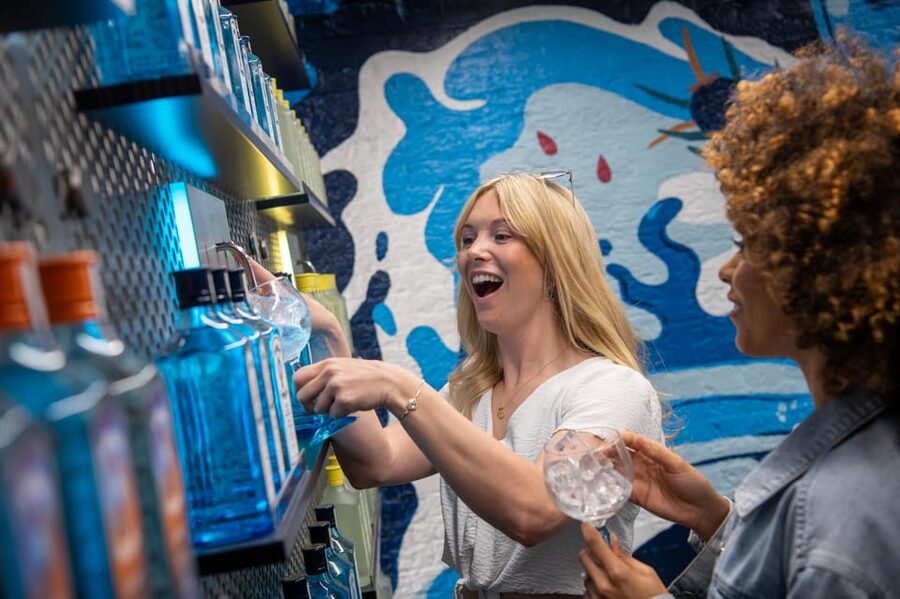
- Your first drink is self-made: Choose a Bombay gin and prepare a complimentary gin and tonic at the Turbine Bar using the self-serve gin machines.
- The setting is part of the tour: Laverstoke Mill has a long industrial past, a connection to the Bank of England, and striking red-brick buildings reshaped for the distillery.
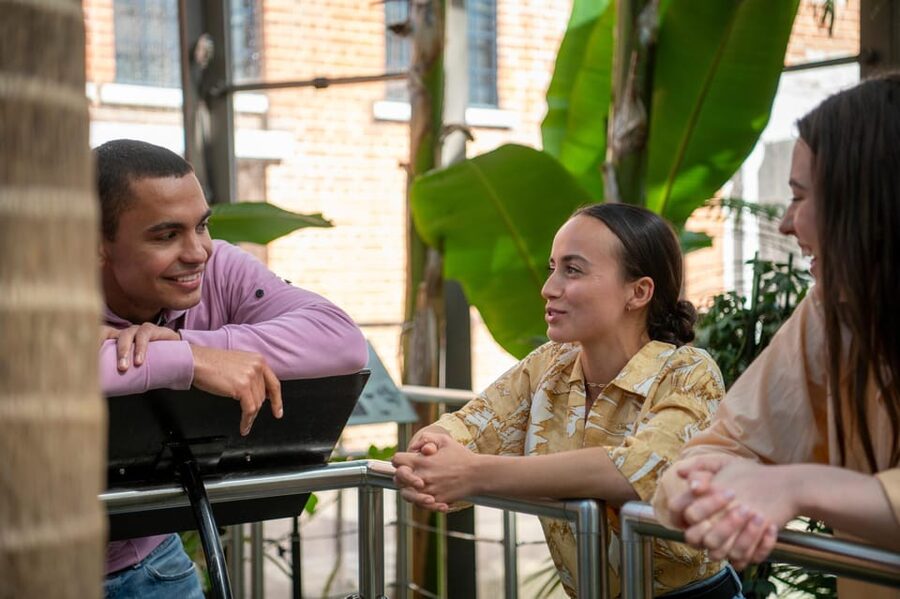
- You will meet the botanicals: The glasshouses introduce the ten exotic botanicals used in Bombay Sapphire.
- The Botanical Dry Room is hands-on: You use scent and flavor clues to work out which botanical notes appeal to you.
- The group is very small: With no more than six participants, you can hear the host clearly and ask questions without battling a crowd.
- Plan your shoes carefully: Closed-toe shoes are required. Open-toed shoes and high heels are not allowed.
Why Laverstoke Mill makes this more than a standard gin tour
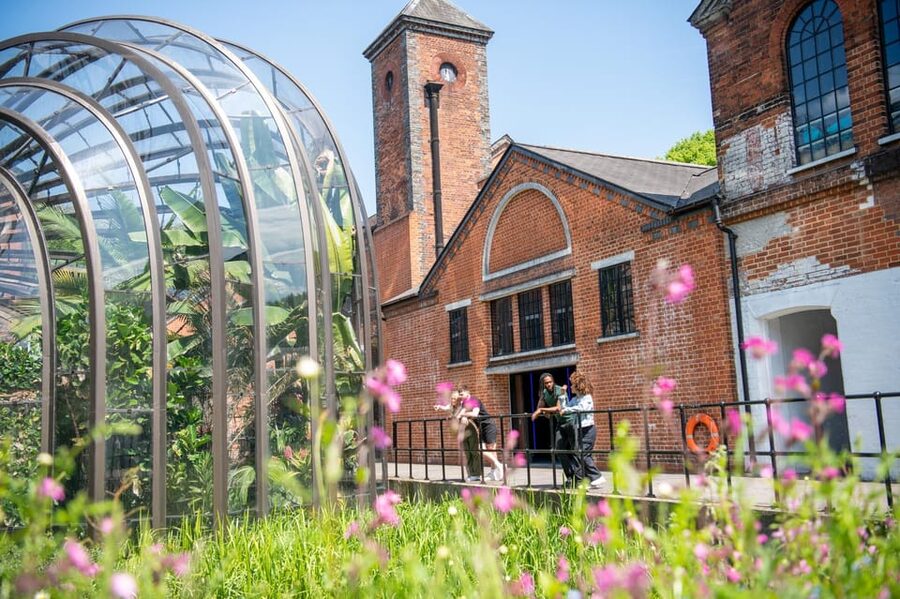
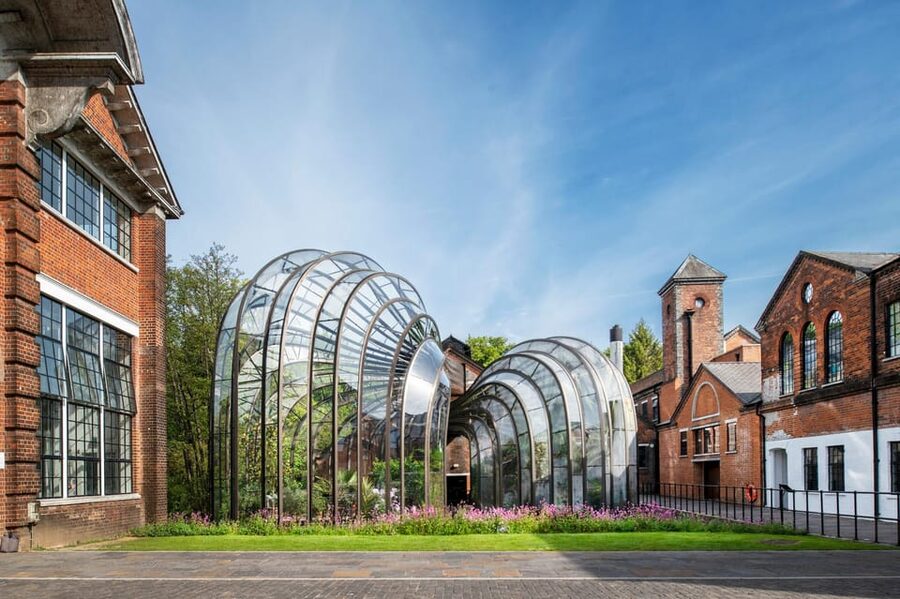
Many spirit tours happen in sleek visitor centers that could be anywhere. This one has a stronger sense of place because the distillery occupies historic Laverstoke Mill in the Hampshire countryside of South East England.
The site’s past includes a connection to the Bank of England, a detail that adds weight to the opening history lesson. You are not simply being shown a modern factory with a brand story attached. You are learning how an older industrial site has been adapted for gin production and public tours.
That contrast continues throughout the visit. The old red-brick mill buildings give the place a solid, working character, while the visitor areas bring in clean modern lines and carefully planned displays. Heatherwick Studio designed the distillery’s visitor-facing elements, and the result is a useful mix of architecture and storytelling rather than a collection of disconnected exhibits.
I would set aside time to notice the buildings between stops. The tour is not only about what goes into a bottle. It also shows how a major drinks brand can use a historic site without turning it into a hollow stage set.
More distillery visits and tastings near Britain:
- From Edinburgh: Scottish Highlands Tour with Whisky Tasting
★ 4.8 · 628 reviews - Edinburgh: Loch Ness, Scenic Walk, Glencoe & Whisky Day Tour
★ 4.9 · 393 reviews - Edinburgh: Ultimate Whisky Experience
★ 4.8 · 305 reviews
Starting at the Turbine Bar with your complimentary drink
The tour begins at the Turbine Bar, where you choose a Bombay gin and make your own gin and tonic. Self-serve gin machines give you a more active start than simply receiving a pre-poured drink.
This is a small but clever touch. It lets you get your bearings, see how a basic gin and tonic comes together, and begin thinking about the spirit’s flavor before the technical part of the visit starts. You can take your drink with you as the experience moves forward, depending on the instructions from the distillery team.
The included drink is part of the admission value, but keep expectations in check. It is one complimentary gin and tonic, not an open cocktail session. If you are hoping to sample several serves or order a double, this tour may feel restrained. One visitor specifically wished the included cocktail had been a double.
Still, I think the drink works well as an introduction. You are not rushing straight into a lecture. You begin with something practical and social, then learn why the drink tastes the way it does.
The cinema room sets up the Bombay Sapphire story
After the bar, you move to the cinema room for an introduction to Bombay Sapphire. This gives you a short visual briefing before the walking portion of the tour.
The comfortable cinema room is useful because gin production can involve a lot of new terms. Rather than asking you to absorb the brand’s history, the site’s past, and the production method all at once, the film prepares you for what you are about to see.
This stop is not likely to be the main reason you book. The real value comes later, when the host connects the film’s broad story to the actual buildings, botanicals, and stills. But it gives the tour a clean structure and helps the two-hour visit feel planned rather than improvised.
The glasshouses reveal the ten botanicals
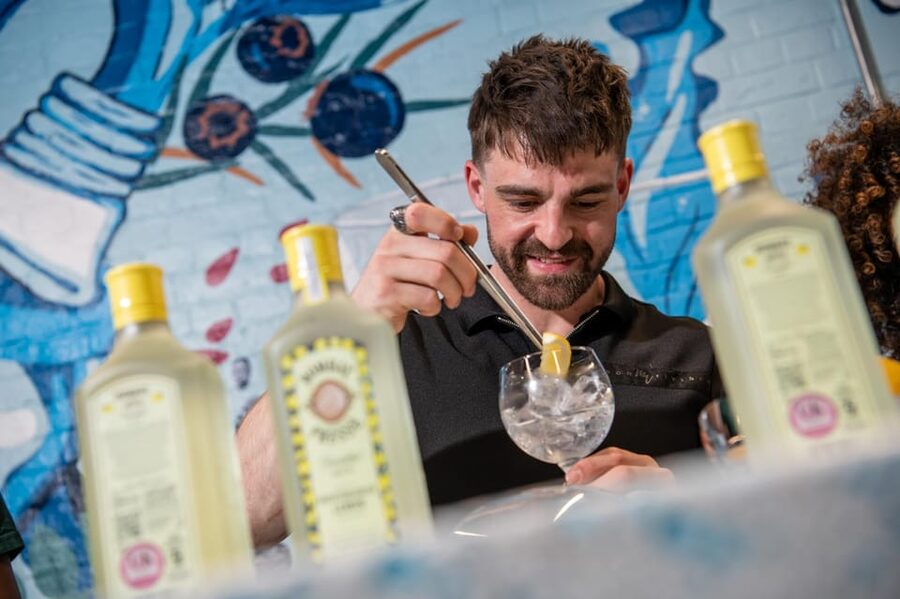
The glasshouses are one of the clearest stops for anyone who wants to understand why gin is different from vodka or other neutral spirits. You learn about the ten exotic botanicals used in Bombay Sapphire and begin to link individual aromas with the final drink.
Expect this section to be sensory rather than purely technical. You may recognize some botanical notes quickly, while others can be harder to place. That is part of the point. Gin can smell familiar in the glass but become more complex when its ingredients are considered one at a time.
I like this approach because it gives you a way to taste with more purpose. Instead of hearing that a gin contains a list of botanicals and forgetting them five minutes later, you get a better sense of how flavor is built from separate elements.
The botanical section also suits people who do not normally choose gin. You do not need to arrive with a trained palate. The host guides you through the process, and the emphasis is on curiosity rather than getting the right answer.
Same city, a completely different sort of afternoon:
- London: The London Eye Entry Ticket
★ 4.6 · 35,875 reviews - From London: Harry Potter Warner Bros Studio Tour
★ 4.7 · 26,588 reviews - London: Westminster to Greenwich River Thames Cruise
★ 4.5 · 22,836 reviews - Magical London: Harry Potter Guided Walking Tour
★ 4.7 · 22,044 reviews
The Botanical Dry Room turns scent into a useful lesson
The Botanical Dry Room is designed as a sensory stop. Here, your host helps you explore flavor preferences and identify the notes that appeal to you.
This is one of the more personal parts of the tour. You may find that citrus, spice, floral notes, or earthy aromas attract you more than others. That information can make future gin choices easier, especially if you are standing at a bar faced with a long list of bottles and no idea what to order.
The room also helps explain why two gins can taste very different even when both are mixed with tonic. The difference is not just strength. It comes from the balance and treatment of the botanicals.
The experience is deliberately approachable. You are not expected to describe aromas like a professional taster. A good host, such as Louise or Phoebe, can keep the mood light while still explaining the process clearly. The tour’s strongest guides have been described as friendly, funny, easy to understand, and well prepared, which matters in a sensory section where a dry presentation could quickly become dull.
Seeing vapor infusion in a working distillery

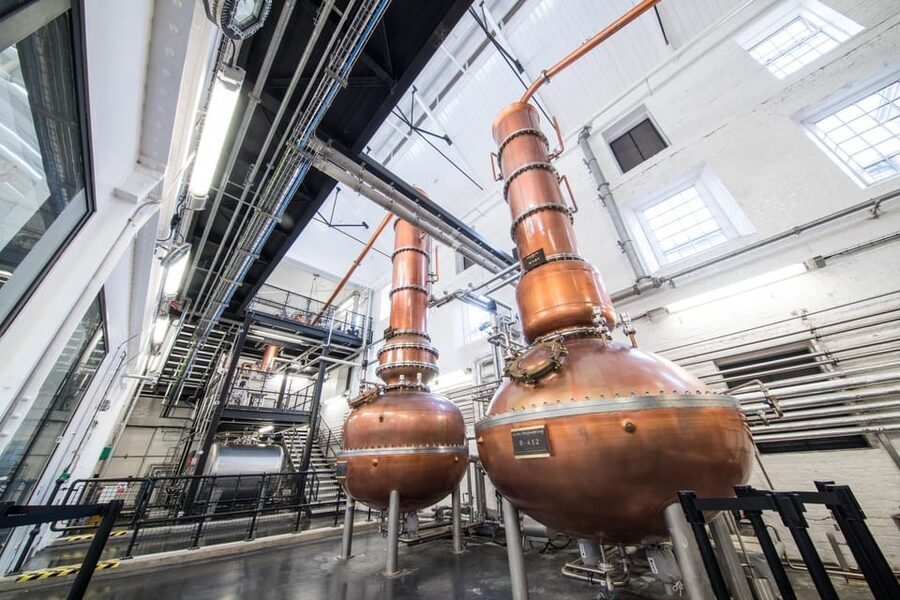
The production section explains Bombay Sapphire’s vapor infusion distillation process. This is the technical heart of the tour and the point where the earlier botanical displays begin to make sense.
You learn how the botanicals are handled during distillation and why the process is important to the finished gin. The exact value of this stop depends on your interest in production, but even a casual drinker can follow the basic idea: the method is intended to draw flavor from the botanicals in a controlled way.
Because Laverstoke Mill is a working distillery, this is not just a museum display. That gives the tour a stronger connection to the product in your glass. You are seeing the setting where gin is made, while also learning how the machinery and process fit into Bombay Sapphire’s style.
The host-led format helps here. A written display can tell you what a still does, but a person can pause, explain a term, and adjust the level of detail. The small group of up to six is a real advantage. You can ask about the stills, botanicals, or flavor without feeling like you are interrupting a large crowd.
What the two-hour timing feels like
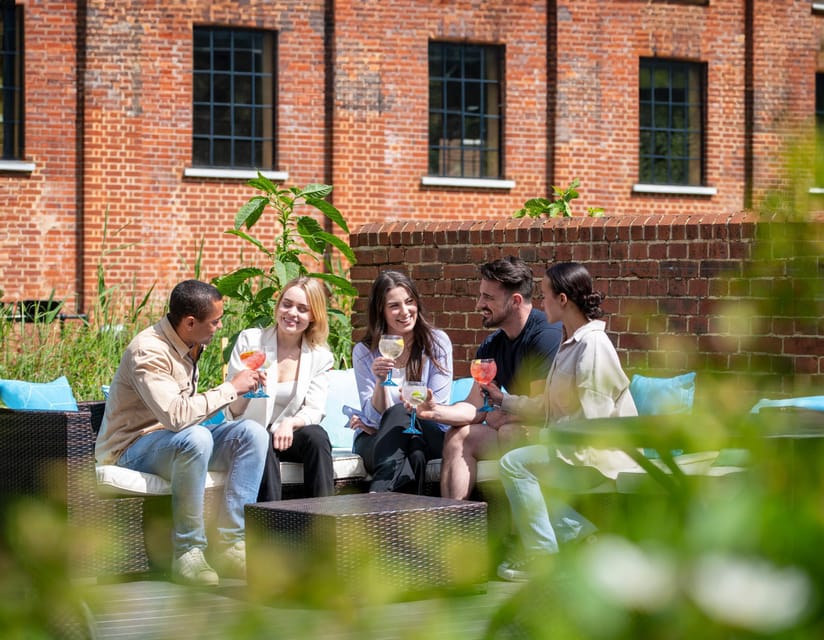
Two hours is a good length for this visit. It gives you enough time for the bar, cinema room, glasshouses, Botanical Dry Room, site history, and distillation explanation without turning the afternoon into a full technical course.
The pace has been described as neither rushed nor overlong, and that matches the structure. Each stop has a clear job. The bar introduces the drink, the film gives context, the glasshouses and dry room explain flavor, and the distillery section shows how production works.
You should still arrive ready to walk and stand for parts of the experience. This is a working site, not only a seated tasting. Closed-toe shoes are required, and high heels are not suitable. Open-toed shoes are not allowed.
The distillery is wheelchair accessible, which makes the visit workable for many people with mobility needs. Since the tour moves through an active industrial setting, it is sensible to check the exact route and access arrangements when booking if you need specific assistance.
The value of the $29 admission
At about $29 per person, the price is reasonable if you want more than a drink and a quick look around. You are paying for a two-hour guided visit, the history of Laverstoke Mill, the botanical and sensory sections, an explanation of vapor infusion, and one gin and tonic.
The small group improves the value. A large group can make a distillery tour feel like a lecture delivered to the back of a room. With six or fewer people, the host can keep the conversation moving and respond to questions.
The setting also helps justify the cost. You are visiting a purpose-designed distillery site with historic buildings and modern architectural work, not simply sitting at a branded bar. If you enjoy industrial heritage, architecture, or the mechanics of food and drink production, the tour offers more than a standard tasting.
The value is less convincing if your only goal is to drink gin. You receive one included drink, and the focus is educational. You should book this for the combination of place, process, and tasting, not for the amount of alcohol included.
Who will enjoy this distillery tour most
I would recommend this experience to gin drinkers who want to understand what they are tasting. The Botanical Dry Room is especially useful if you are still learning which flavors suit you.
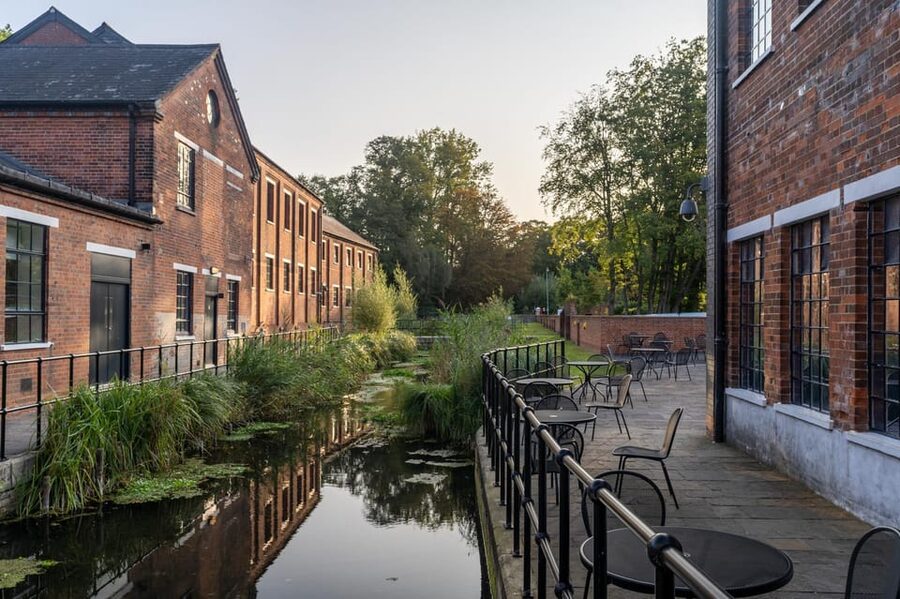
It also works well for couples, small groups of friends, and visitors who enjoy historic buildings. The countryside setting and old workers’ cottage tea room make it possible to turn the visit into a relaxed half-day outing, although the tea room is separate from the tour itself.
You do not need to be a serious gin fan. The guides explain the production in clear terms, and the sensory stops give beginners something concrete to follow. People who prefer a very short tasting, several cocktails, or a highly technical factory tour may find the format less suited to them.
Families and non-drinkers should consider the nature of the visit. The activity centers on gin, includes a gin and tonic, and is only available in English. The tour is best for adults and for anyone comfortable with an alcohol-focused experience.
Practical details that can make the visit easier
Book a starting time that gives you room to arrive early. The tour has a set schedule, and arriving late can create stress, even though the staff may sometimes help move you to a later slot. Car trouble and taxi delays have caused late arrivals in the past, so a little extra time is wise.
Bring a passport or ID card. The required identification is listed as part of the visit information, so do not assume a casual arrival without ID will be fine.
Wear closed-toe, comfortable shoes. This is the most important clothing rule. Open-toed shoes and high heels are not allowed because Laverstoke Mill remains a working distillery.
The tour is led in English, with a live English-speaking host. If you need another language, this is not the right booking.
The experience allows free cancellation up to 24 hours in advance for a full refund, and you can reserve now and pay later. Those terms are useful if your South East England plans are still shifting.
Should you book the Bombay Sapphire Distillery Tour?
Yes, if you want a well-paced introduction to gin that also gives you a real sense of place. The strongest parts are the historic Laverstoke Mill setting, the ten botanicals in the glasshouses, the Botanical Dry Room, and the chance to see how vapor infusion fits into Bombay Sapphire’s production.
I would book it for the architecture and story as much as for the drink. The complimentary gin and tonic is a pleasant start, but the lasting value comes from understanding why the gin tastes the way it does.
Skip it if you only want a quick cocktail or several generous samples. At $29, the price is fair for a guided small-group visit, but the experience rewards attention and curiosity more than drinking quantity.
FAQ
Where is the Bombay Sapphire Gin Distillery Tour located?
The tour takes place at Laverstoke Mill in South East England, United Kingdom.
How long does the tour last?
The guided experience lasts two hours.
How much does the tour cost?
The listed price is $29 per person.
Is a drink included?
Yes. You receive a complimentary gin and tonic and begin by making it at the Turbine Bar using the self-serve gin machines.
What will I see during the tour?
You visit the Turbine Bar, cinema room, glasshouses, Botanical Dry Room, and distillery areas. The host explains the site’s history, Bombay Sapphire’s ten botanicals, Heatherwick Studio’s design, and the vapor infusion distillation process.
Is the tour available in languages other than English?
No. The guided tour is available in English only.
What should I wear?
You must wear closed-toe shoes. Open-toed shoes and high heels are not allowed because Laverstoke Mill is a working distillery.
Is the tour wheelchair accessible?
Yes, the activity is listed as wheelchair accessible.
Just added around Britain
- London: Wimbledon Tennis Club and Westminster Walking Tour★ 4.5 · 86 reviews
- London: Westminster to Richmond River Thames Cruise★ 4.8 · 23 reviews
- Winchester: Historic Castles and Cathedrals Walking Tour★ 4.9 · 154 reviews
- Westminster Abbey Skip-the-Line Entry and Private Tour★ 4.6 · 4 reviews
- Best of London by LE GRAND – London’s Luxury Bus Tour★ 4.2 · 23 reviews
- Whitby: Guided Distillery Tour with Gin Tasting★ 5.0 · 28 reviews
- London: Westminster Walking Tour & St Paul’s Cathedral Entry★ 4.7 · 7 reviews
- Warwick: Entry Ticket for Warwick Castle★ 4.7 · 215 reviews
Distillery Tours, compared.


Loch Ness, Scenic Walk, Glencoe & Whisky Day Tour
Read our review →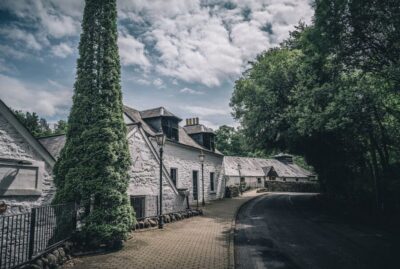



Browse the lists this tour appears in