
Reviewed · TICKETS
The Mary Rose: Day Admission Ticket
The Mary Rose is not just a ship in a glass case. It is a carefully preserved slice of Tudor life, still showing the hull that carried Henry VIII’s guns and crew before sinking in the Solent in 1545. You walk through a museum built around the surviving ship, with personal objects, weapons, tools, clothing items, and even reminders of the people and animals on board.
I especially like the real Tudor objects you can handle, because they turn a distant royal story into something physical and human. I also like the excellent presentation, from the low lighting around the hull to the 1545 sound-and-image experience and the award-winning 4D film about raising the wreck.
The main drawback is price. At about $43.10 per person, it is not a casual stop, especially if you plan to visit other Portsmouth Historic Dockyard attractions. Check your ticket carefully, since some dockyard tickets already include the Mary Rose and buying a second admission can mean paying twice.
Key points to know before you go

- The only visitable 16th-century warship: The Mary Rose is a rare chance to see an actual Tudor warship rather than a reconstruction.
- 9,000 objects from one wreck: The collection covers work, warfare, food, medicine, religion, clothing, and daily life at sea.
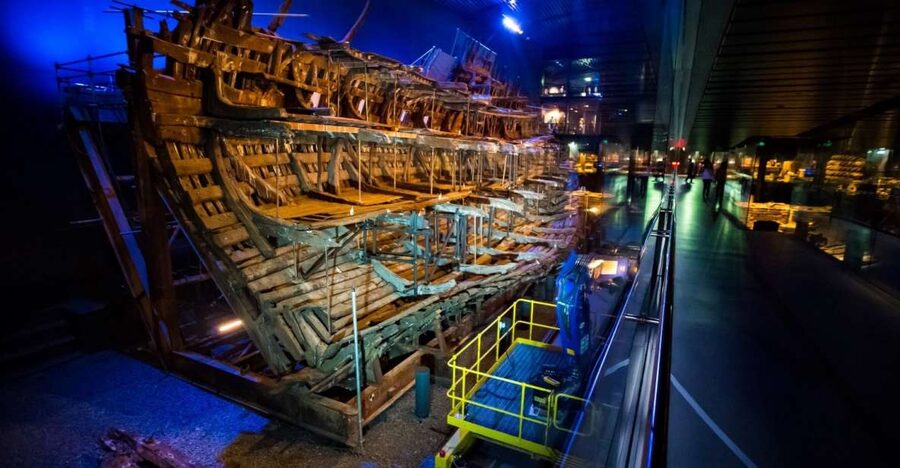
- A museum built around the hull: The ship is presented upright, making it easier to understand its decks and structure.
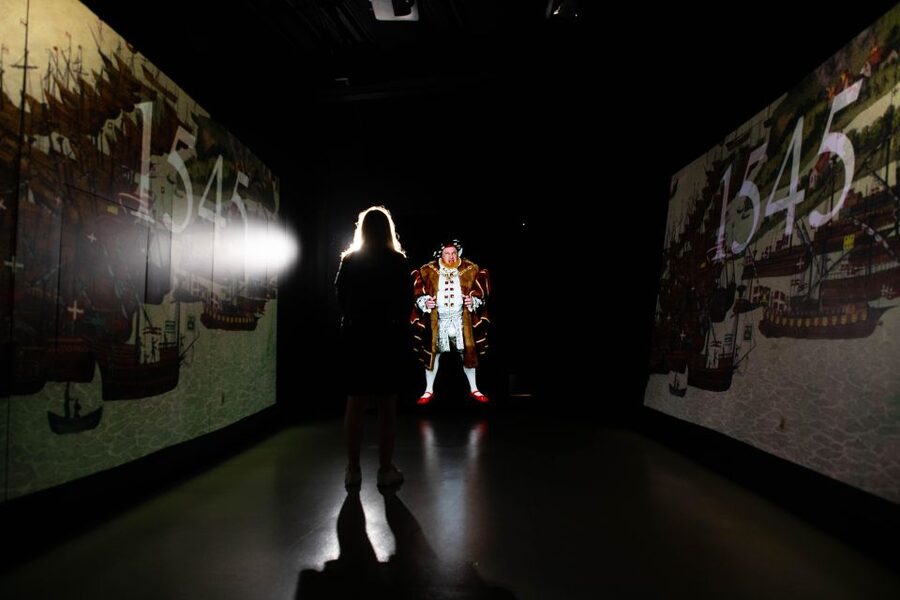
- The 1545 sinking brought to life: Sound, lighting, and displays recreate the final moments of the Battle of the Solent.
- A new 4D film about the recovery: The production follows the wreck from underwater archaeology to the 1982 raising.
- Plan for at least 1.5 to 2 hours: You can visit at any time during the day, but careful readers may want much longer.
Why the Mary Rose feels different from an ordinary museum
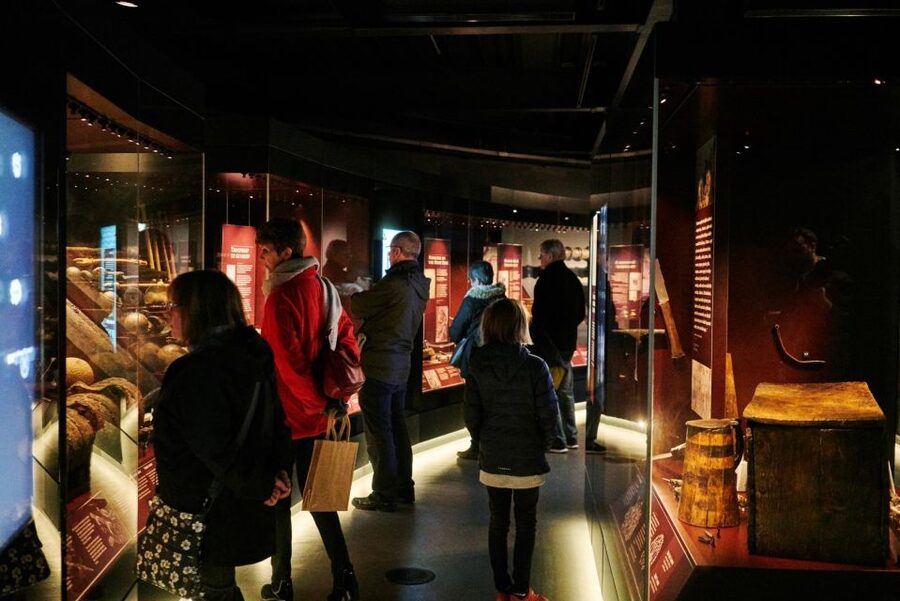
The Mary Rose sank on 19 July 1545 during a battle in the Solent. The ship remained on the seabed for centuries before being raised in 1982, and the museum opened in 2013 after years of conservation work.
That sequence matters. You are not looking at a later replica built to suggest Tudor naval power. You are seeing the surviving hull of a working warship, along with objects that went down with it. The shipwreck preserved an unusually detailed record of life on board, from military equipment to small personal belongings.
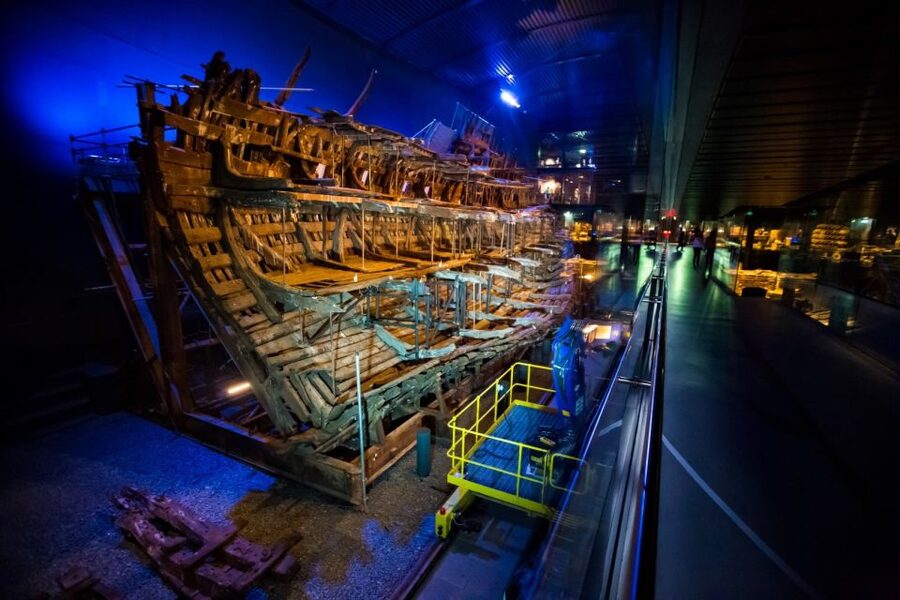
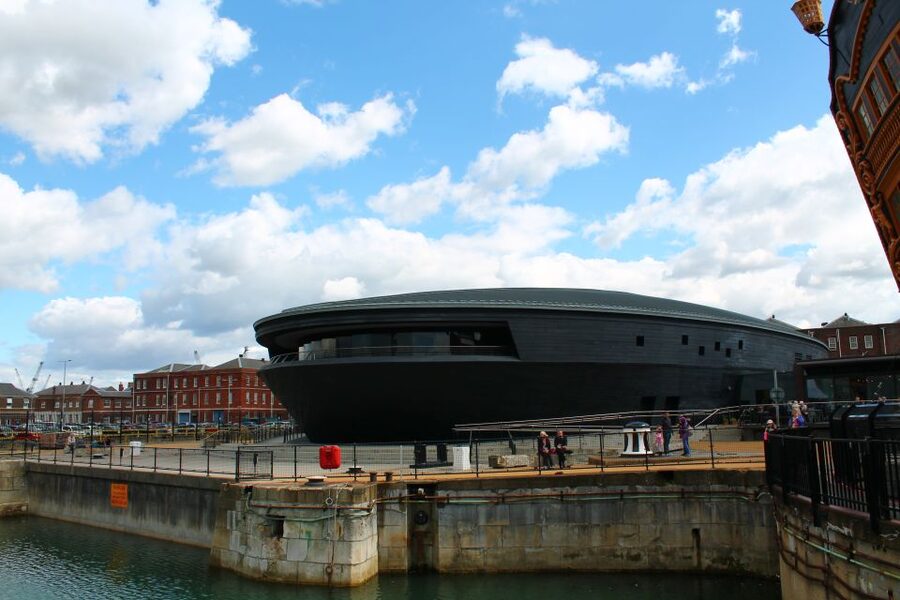
The museum’s design helps you grasp the scale of the vessel. Instead of placing the ship at the end of a long gallery, the building was made around it. You move through displays on three levels, with the hull visible as the central object. The low lighting creates a solemn mood and helps protect the collection, though it can make small labels harder to read.
The atmosphere is one of the attraction’s strengths. This is not a quick look at a famous name followed by a gift shop. You get a sense of a real vessel that was crowded with people, supplies, weapons, animals, and all the untidy business of life at sea.
A few more Britain days worth weighing up
- London: The London Eye Entry Ticket
★ 4.6 · 35,875 reviews - London: Tower Bridge Entry Ticket
★ 4.7 · 15,560 reviews - London: Westminster Abbey Entrance Ticket
★ 4.6 · 11,254 reviews
The preserved hull and the shape of a Tudor warship
The hull is the star of the visit. Seeing it upright lets you connect the surviving timbers with the decks and objects shown nearby. The arrangement helps explain how the ship functioned, even if you are not familiar with naval architecture.
The Mary Rose was Henry VIII’s flagship, but the museum does not limit the story to the king. The displays also focus on the officers, sailors, soldiers, craftsmen, and other people who lived and worked aboard the vessel. That wider view gives the attraction its strongest human quality.
You might find yourself spending as much time with a small object as with the hull itself. A tool, weapon, personal belonging, or piece of equipment can reveal more about ordinary life than a grand royal portrait. The collection includes longbows and arrows, along with items connected to work, food, health, and personal care.
One particularly memorable detail is the presence of Hatch the dog in the story of the ship. Small details like this prevent the Mary Rose from becoming only a tale about Henry VIII and military technology. They remind you that a working ship carried individuals with everyday routines and attachments.
The Tudor collection: 9,000 objects with a human scale
The Mary Rose Museum houses about 9,000 Tudor artifacts recovered from the seabed. That number can sound overwhelming, but the displays are arranged to give the objects a clear purpose.
You see how the finds explain life on board for both crew and officers. The collection covers practical equipment, military supplies, personal possessions, and objects that show how people ate, worked, traveled, and kept themselves occupied.
The ability to touch genuine Tudor artifacts is a welcome feature. Hands-on displays give children and adults a direct way into the subject, while interactive panels help explain objects that might otherwise seem mysterious. Staff are available to explain what you are seeing, and the presentation makes clear which objects are original rather than replicas.
I recommend taking your time here. The museum can be walked through in roughly 1.5 to 2 hours, but that is a brisk visit if you read every panel. Several people have found they needed much longer, and returning visitors still found new details on later visits.
If you are visiting with children, the interactive elements should help hold attention. If you are an adult who normally finds museums heavy on text, the objects, sound effects, and staged displays provide a change of pace. Still, the museum rewards patience. The more you read, the clearer the social story becomes.
1545: When the ship went down
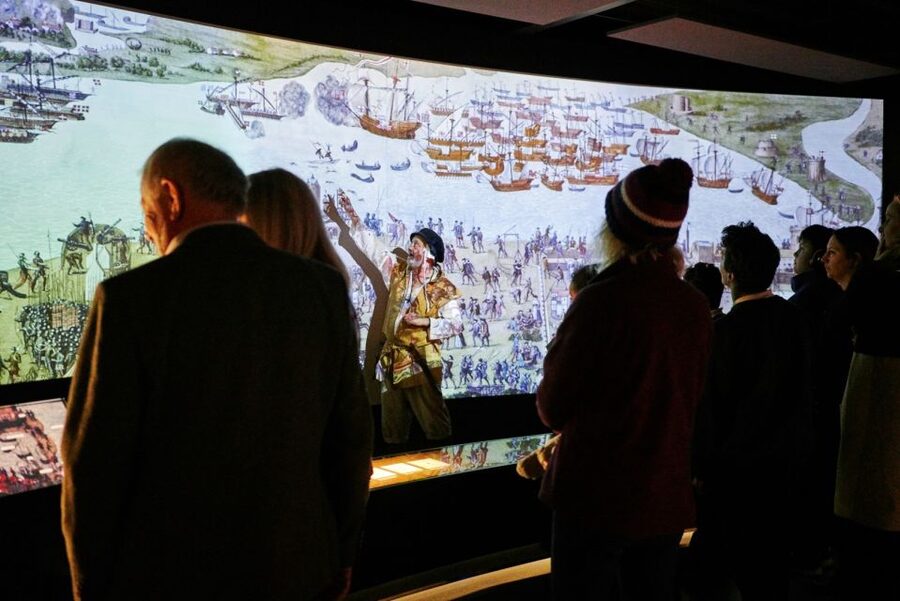
The 1545 experience places you on board during the final moments of the Mary Rose. It takes you back to 19 July 1545, when the ship sank during the Battle of the Solent.
This section uses sound, images, and atmosphere to show the end of the voyage. You hear from Henry VIII and members of the crew, which gives the disaster a more personal frame. Rather than treating the sinking as a single dramatic event, the presentation helps you imagine the confusion and fear surrounding it.
The effects are atmospheric, but they serve a useful purpose. They connect the objects in the galleries with the moment they became part of the seabed. A shoe, tool, weapon, or personal item is no longer just an artifact in a display. It becomes something that belonged to a person caught in a sudden catastrophe.
The low lighting throughout the museum supports this section particularly well. The setting feels serious without turning the experience into a theme-park spectacle. If you prefer museums with quiet, traditional galleries, this part may feel more theatrical than expected. For most people, it helps make the story easier to understand.
Same city, a completely different sort of afternoon:
- From London: Harry Potter Warner Bros Studio Tour
★ 4.7 · 26,588 reviews - London: Westminster to Greenwich River Thames Cruise
★ 4.5 · 22,836 reviews - Magical London: Harry Potter Guided Walking Tour
★ 4.7 · 22,044 reviews - London: Madame Tussauds London
★ 4.6 · 20,915 reviews
The award-winning Mary Rose 4D film
The 4D film tells the story of exploring the wreck site and raising the ship in 1982. It focuses on the recovery effort and the divers who helped bring the Mary Rose back to the surface.
This is an important part of the visit because the ship did not simply appear in the museum. Its recovery required years of planning, underwater work, conservation, and engineering. The film gives you a sense of the difficulty involved and explains why the surviving hull is so valuable.
The production won the Museums and Heritage Best Use of Technology in Heritage award in 2024. It is designed for all ages and adds movement and sensory effects to the story of the wreck. You should not treat it as a replacement for the museum galleries, though. The film explains the recovery, while the displays show what was found and what those objects tell us.
Make time for this feature rather than leaving it until the last few minutes. It is easy to spend longer than expected with the artifacts, then rush the film before closing. Last admission is 45 minutes before closing, so arriving late in the day can limit what you see.
A self-guided visit, not a guided tour
This admission gives you access to the museum rather than a scheduled guided tour. You walk through at your own pace, using the exhibits and the free multilingual audio guide available through the Mary Rose app.
Bring headphones if you want to use the audio guide comfortably. The host or greeter language is English, while the app provides multilingual support. This arrangement suits independent visitors who like stopping at their own pace, but it may disappoint anyone expecting a guide to lead a group from room to room.
The freedom is useful. You can linger at the hull, skip a long text panel, return to an object, or spend extra time with the interactive displays. Families also benefit from being able to move at different speeds.
Staff are described as friendly and helpful, and the ticket office can assist on arrival. There are no named personal guides attached to this admission, so plan on exploring independently.
Getting to the museum in Portsmouth
The meeting point is the Mary Rose Museum at Portsmouth Historic Dockyard, Main Road, Portsmouth PO1 3PY. On arrival at the dockyard, go through the Mary Rose entrance. From there, it is about a five-minute walk to the museum.
The site is close to Portsmouth Harbour station and other dockyard attractions. That makes it easy to combine with a broader day at the historic dockyard, but it also creates the most important ticketing warning: check what your other admission includes before buying this ticket separately.
The museum itself is fully accessible across all three levels, with lifts available. Baby-changing facilities are provided. Bags, buggies, and scooters must remain with you, and the museum operates a 100 percent bag search policy. Large bags and luggage are not allowed, so leave bulky items elsewhere before arriving.
Parking can require extra thought, particularly for older visitors or anyone who cannot walk far. The museum’s information notes that car parking may not be immediately close, and signage at the car park can be easy to miss. If you arrive by car, allow time to find the correct area and walk to the entrance.
Timing your visit and making the price worthwhile
The ticket costs about $43.10 per person. That is a fairly high admission for a single museum, but the value improves if you care about Tudor history, shipwreck archaeology, naval warfare, or conservation.
You are not paying only to see a preserved hull. Your admission includes the museum, the interactive displays, the 1545 experience, and the Mary Rose 4D film. It also gives you access to an unusually large group of objects from one historic event rather than a scattered collection gathered from different places.
The best way to judge the price is by the time you will spend inside. A quick visit of less than an hour would feel expensive. Give it two hours, and ideally more, and the cost becomes easier to justify. Some visitors have spent four and a half hours working through the displays.
The museum opens at 10:00, and your ticket allows you to visit at any time during the day. You do not need to arrive at a fixed starting time, but you should check the current availability and closing hours before setting out. Last admission is 45 minutes before closing.
If you are also visiting HMS Victory or another Portsmouth Historic Dockyard attraction, compare the ticket options first. The Mary Rose may already be included in a wider dockyard ticket. This is the simplest way to avoid paying twice.
Who will enjoy the Mary Rose most
I would choose this for anyone with an interest in Henry VIII, Tudor politics, naval battles, archaeology, or ordinary life in the 16th century. It also works well for people who want more than a traditional museum display, since the sound, film, and hands-on exhibits add variety.
Families should find plenty to keep younger visitors involved, though the low light and large amount of information may make a very short visit difficult. The museum is also a good choice for someone who does not usually seek out museums, because the ship and the recovered objects provide a clear story from the start.
You should think twice if you dislike reading, atmospheric presentations, or spending several hours indoors. The Mary Rose is carefully presented, but it is still a museum. There is no open deck to walk on and no live sailing demonstration.
Wear comfortable shoes if you plan to combine the museum with the rest of Portsmouth Historic Dockyard. The site is easy to reach from the station, but a full dockyard day involves more walking than the Mary Rose alone.
Practical details that make the visit easier
Download the Mary Rose app before you enter if you want the free multilingual audio guide. Bring headphones. Keep bags small, since every bag is searched and large luggage is not allowed.
The museum is wheelchair accessible, with lifts between all three levels. Buggies and scooters can be brought along but must stay with you. The low lighting is intentional, both for atmosphere and to help preserve the collection.
Food and drinks are not included. If you need a break, plan that separately as part of your Portsmouth day. A longer visit may require a lunch stop, especially if you are also seeing HMS Victory or other dockyard attractions.
The ticket includes free cancellation up to 24 hours before the visit and a reserve-now, pay-later option. Those terms are useful if your Portsmouth plans may change. If the Mary Rose is closed for some reason, the ticket remains valid for another attraction of your choice.
Should you book the Mary Rose?
Yes, if you want to see a genuine Tudor warship and understand how people lived aboard it. The hull is remarkable, but the real strength of the museum is the combination of ship, personal belongings, interactive displays, recovery story, and carefully staged final voyage.
I would book it as part of a wider Portsmouth Historic Dockyard day if possible, after checking that you are not buying duplicate admission. If the Mary Rose is your only planned attraction, make sure you can spare at least two hours so the $43.10 price does not feel out of proportion.
Choose this experience for its objects and atmosphere, not because you expect a guided tour. You explore on your own, with help from the app and museum staff. For anyone curious about Tudor England, the people on Henry VIII’s ships, or the remarkable work of recovering a 500-year-old wreck, this is a strong and worthwhile visit.
FAQ
How long should I allow for the Mary Rose Museum?
The recommended visit time is 1.5 to 2 hours. You can spend much longer if you read the displays closely or want to experience everything at a relaxed pace.
Is the Mary Rose visit a guided tour?
No. This admission is for self-guided access to the museum. A free multilingual audio guide is available through the Mary Rose app, and staff can help explain the displays.
What does the ticket include?
It includes entrance to the Mary Rose Museum, the Mary Rose 4D film, and access to the free multilingual audio guide through the app.
Is the museum wheelchair accessible?
Yes. The museum is accessible across all three levels, and lifts are available.
Can I visit at any time during the day?
Yes. The museum opens at 10:00, and you can visit at any time during the day with your ticket. Last admission is 45 minutes before closing.
What should I bring, and what is not allowed?
Bring headphones if you want to use the audio guide. Pets, smoking, luggage, and large bags are not allowed. All bags, buggies, and scooters must remain with you, and every bag is searched for safety.
Just added around Britain
- London: Wimbledon Tennis Club and Westminster Walking Tour★ 4.5 · 86 reviews
- London: Westminster to Richmond River Thames Cruise★ 4.8 · 23 reviews
- Winchester: Historic Castles and Cathedrals Walking Tour★ 4.9 · 154 reviews
- Whitby: Guided Distillery Tour with Gin Tasting★ 5.0 · 28 reviews
- Westminster Abbey Skip-the-Line Entry and Private Tour★ 4.6 · 4 reviews
- Best of London by LE GRAND – London’s Luxury Bus Tour★ 4.2 · 23 reviews
- London: Westminster Walking Tour & St Paul’s Cathedral Entry★ 4.7 · 7 reviews
- Warwick: Entry Ticket for Warwick Castle★ 4.7 · 215 reviews
Tickets, compared.





Buckingham Palace: The State Rooms Entrance Ticket
Read our review →