
Reviewed · BRIGHTON TOURS
Brighton: Royal Pavilion Admission Ticket
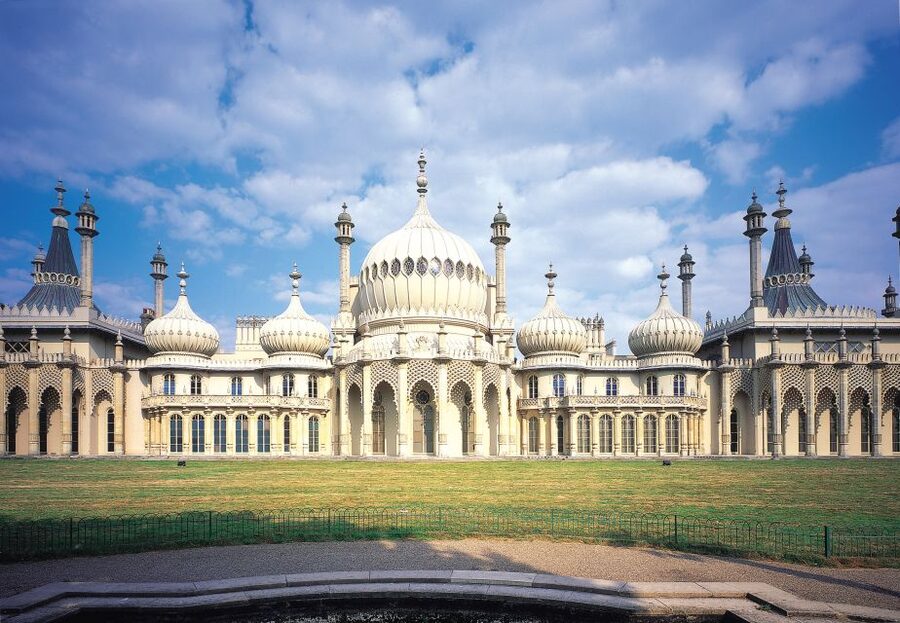
The Royal Pavilion is the kind of palace that ignores good taste and has a wonderful time doing it. Its exterior hints at India, its interiors turn to China, and the result is a riot of dragons, chandeliers, carved decoration, and royal excess. I especially like the restored 1823 rooms, where the building feels more like a royal fantasy than a standard English palace, and the helpful staff stationed throughout the route. The main drawback is practical: the building has no passenger lift, and current rules do not allow cameras inside.
This is a self-guided admission visit rather than a fixed walking tour. You can take your time through the grand ground-floor rooms, continue upstairs, then stroll through the gardens. At $26 per person, it is good value if you give it a couple of hours instead of treating it as a quick photo stop.
Key points before you go
- A palace unlike any other in England: The Royal Pavilion combines an Indian-inspired exterior with lavish Chinese-inspired interiors.
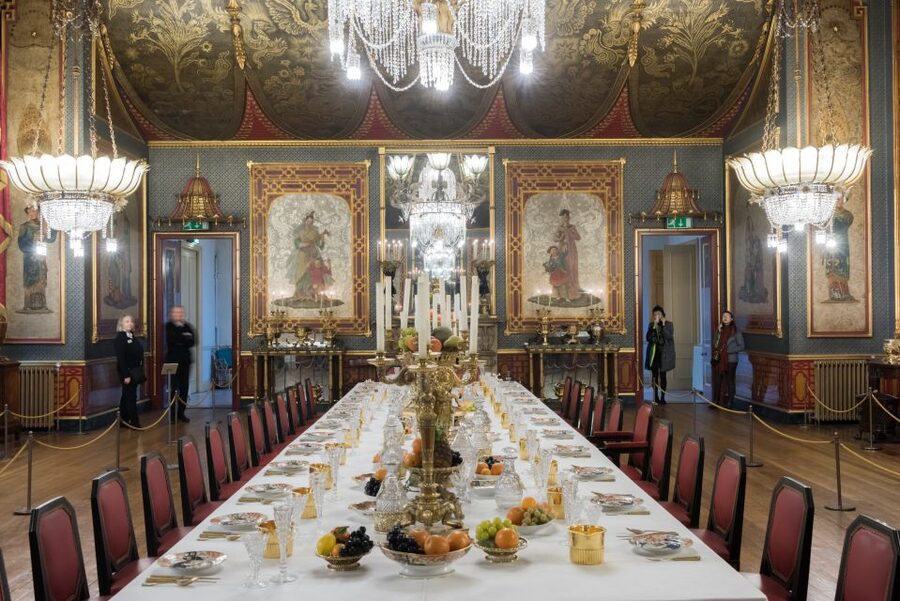
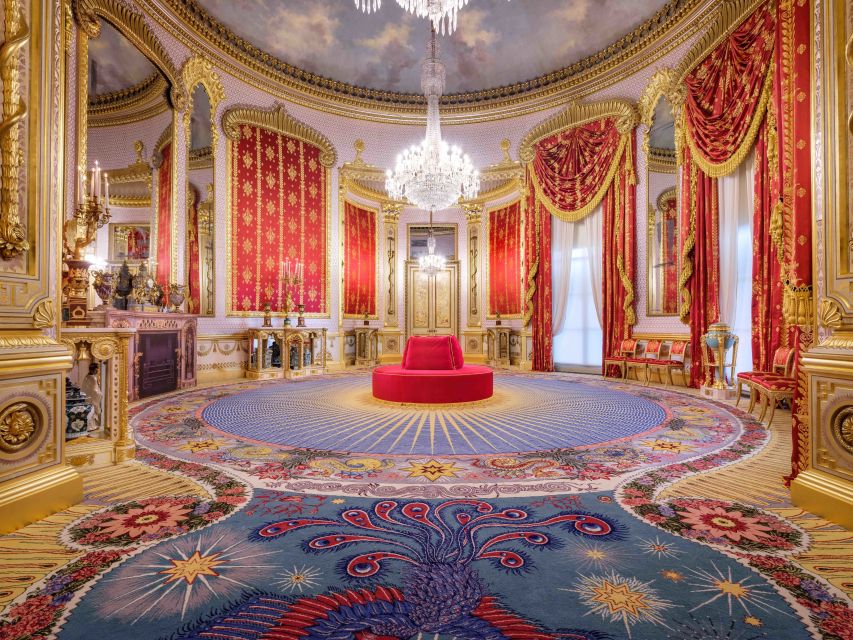
- The Banqueting Room and Saloon are the big showstoppers: Expect huge chandeliers, intense colour, detailed ceilings, and furnishings designed to impress.
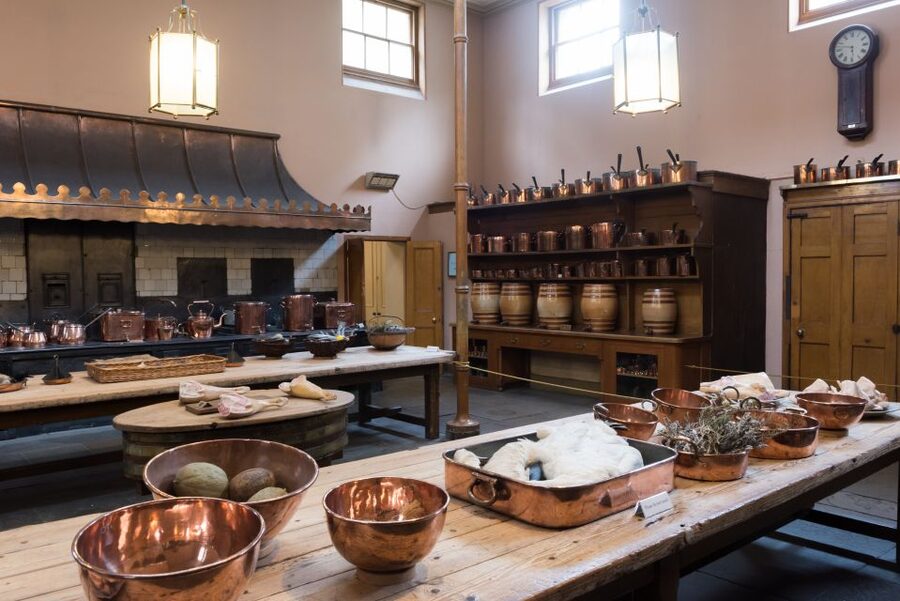
- The Great Kitchen adds useful context: It shows the hard work behind royal entertaining, including the difficult heat faced by kitchen staff.
- Staff bring the rooms to life: Room stewards are available to explain objects, decoration, and how the building was used.
- The First World War story is easy to miss: Look for information about the Pavilion’s time as a hospital for Indian soldiers.
- Plan around the access rules: No cameras, food, drinks, large bags, mobility scooters, or non-folding wheelchairs are allowed inside.
Why Brighton’s Royal Pavilion feels so different
Many British royal residences are built around restraint, symmetry, and centuries of formal tradition. The Royal Pavilion takes another route. It was created as a seaside retreat for the future George IV, then Prince Regent, and completed by architect John Nash. The building you see today reflects the 1823 design that has been carefully restored.
The palace has a split personality. Outside, domes, minarets, and exotic forms give it an Indian-inspired appearance. Inside, the decoration takes its main ideas from China, with dragons, lacquer-like surfaces, ornate furniture, and elaborate patterns. You are not looking at a plain country house with a few unusual rooms added later. The whole place was designed to surprise.
That makes this visit especially rewarding if you enjoy architecture, interior design, or buildings with a strong sense of character. I would not come expecting a quiet sequence of portraits and polished oak rooms. The Pavilion is theatrical, colourful, and at times almost dizzying in its detail.
The restoration work is part of the appeal. The building has had several lives since the royal period, and keeping the rooms close to their original 1823 appearance requires constant care. In some areas, you can see the effort that goes into preserving delicate decoration and furnishings. The result feels more convincing because the work is visible rather than hidden behind a perfectly untouched facade.
A few more Brighton days worth weighing up
- From Brighton: Seven Sisters and South Downs Tour
★ 4.9 · 746 reviews - Brighton: City Sightseeing Hop-On Hop-Off Bus Tour
★ 4.5 · 352 reviews - Brighton: Zip Wire Experience Ticket
★ 4.5 · 260 reviews
Entering through the Pavilion Garden
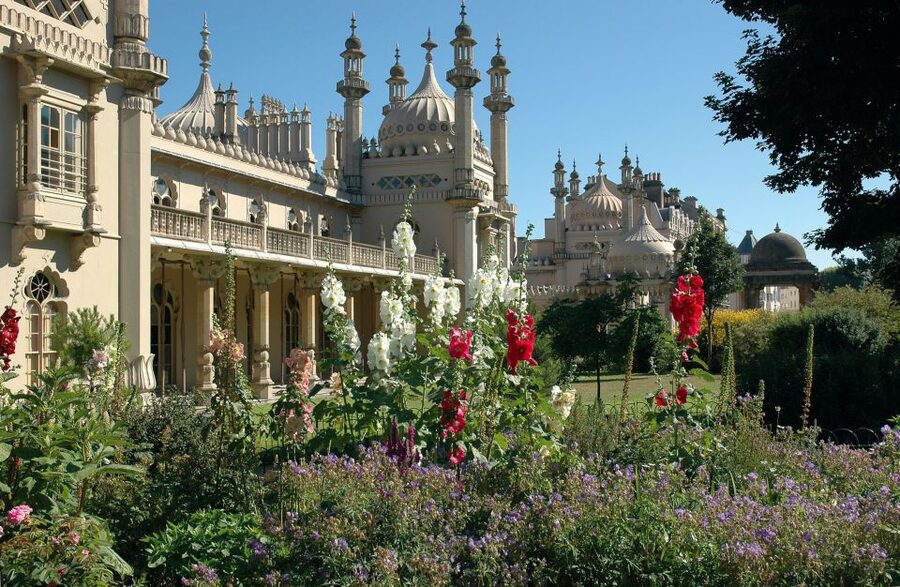
Your entrance is via the Royal Pavilion Garden, reached from Pavilion Buildings, New Road, or Church Street. This is useful to know because the ticket does not mean you simply walk up to any side of the building and enter. Follow signs toward the garden entrance and allow a little time to get oriented in central Brighton.
The garden gives you a good first look at the building before you go inside. Take a few minutes here if the weather is pleasant. The contrast between the open garden and the palace’s crowded exterior decoration helps you appreciate just how unusual the design is.
The admission is valid for one day, so you are not forced to rush through every room in a single short slot. Starting times may need to be checked when you book, but once inside, the day-pass format gives you useful flexibility. It also works well if you want to combine the Pavilion with other time in Brighton rather than making it your only activity.
The grounds are not the main event, but they make a pleasant pause before or after the interior route. One practical note: the cafe and toilets are part of the wider visitor facilities, and the toilets have been described as clean but somewhat dated. The cafe is a handy place to stop, though the ticket itself covers admission, not food.
The Banqueting Room sets the tone
Begin with the ground-floor state rooms, where the Banqueting Room makes the strongest first impression. This was a space for royal meals and display, so it was built to overwhelm. Look upward as much as you look at the furniture. The ceiling, chandeliers, and decorative details are just as important as the table setting.
The room explains the Pavilion’s central idea: dining was also theatre. Every object had to contribute to the effect, from the lighting to the wall decoration. If you move quickly, you will miss the small details that make the room memorable, so give yourself time to scan the ceiling and corners.
This is also a good place to use an audio guide if one is available during your visit. The guide helps explain the purpose of the room and the features of the furnishings, while staff in the rooms can answer questions in person. You get more from the visit when you combine both rather than relying only on the printed information.
Families can make this room work well by looking for repeated shapes and creatures in the decoration. Children may not care about royal protocol, but dragons and dramatic chandeliers are easier to remember. The Pavilion is unusually good at giving younger visitors something visual to focus on.
The Music Room and restored Saloon
The Music Room continues the theatrical mood but shifts the focus toward performance and entertainment. This was not a private sitting room designed for quiet reading. It was part of a royal residence built for social life, music, and display.
The recently restored Saloon is another major highlight. Restoration matters here because so much of the room’s appeal lies in the surface detail. Colour, pattern, furniture, and ceiling decoration work together, and the room can look very different from a distance than it does when you stand close to the objects.
You may find room stewards stationed nearby, and they are worth speaking with. Staff have been praised for offering clear explanations and lively discussions rather than simply pointing you toward a label. If you have a question about a chandelier, furnishing, or royal habit, ask. These small conversations add useful human detail to what could otherwise become a parade of beautiful rooms.
The route is well signed and generally straightforward. Crowds can still affect the experience, especially when school groups move through several rooms together. If you have flexibility, a quieter time will let you stop in the Saloon and Banqueting Room without feeling that you are blocking the route.
Same city, a completely different sort of afternoon:
- From Brighton: Seven Sisters Boat Tour
★ 4.9 · 169 reviews - Brighton: Upside Down House Entry Ticket
★ 4.3 · 138 reviews - Brighton City Bike Tour
★ 4.9 · 106 reviews - From Brighton: Stonehenge and Bath Full-Day Trip
★ 4.7 · 87 reviews
The Great Kitchen shows the work behind the spectacle
The Great Kitchen is one of the most useful stops because it changes the pace of the visit. The state rooms show the royal image. The kitchen shows the labour needed to maintain it.
Look for the practical side of palace life: heat, preparation, organisation, and the demands placed on staff when large meals had to be produced. A room steward can help explain how the kitchen operated and what conditions were like for the people working there. The heat is an especially memorable detail. Royal comfort depended on intense effort in rooms that were far less comfortable than the Banqueting Room.
I like this part of the route because it stops the Pavilion from being only a collection of lavish interiors. You begin to understand the machinery behind royal entertaining. The building was designed to delight the people at the top of the household, but it also required a large working operation below that level.
For visitors who are less interested in decoration, the kitchen provides a practical story with clear human interest. It also gives children a change of subject after the more formal rooms.
Upstairs to Queen Victoria’s bedroom
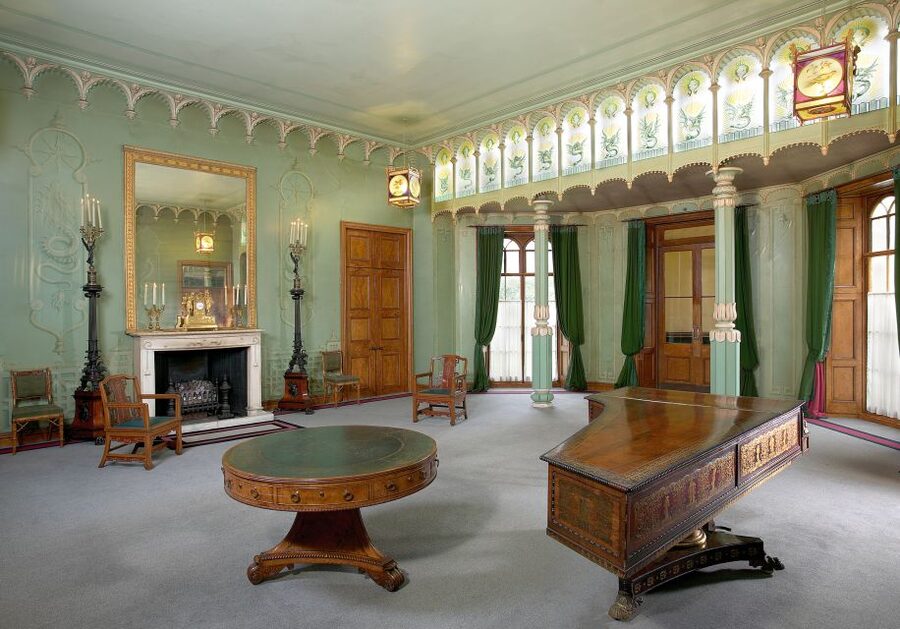
Continue upstairs to see further rooms, including Queen Victoria’s bedroom. The first floor offers a different view of the building. Instead of looking only at grand public rooms, you get closer to the private and domestic side of royal use.
The bedroom is valuable because it gives the Pavilion a more personal scale. Royal residences can otherwise feel like stages with no one living in them. A bedroom suggests routines, privacy, and the everyday needs of the people who occupied the building.
There is no passenger lift in the Pavilion. If you cannot climb the stairs, you can watch a video of the first floor in the AV room instead. Manual wheelchairs may be available on arrival, but they cannot be reserved in advance. Mobility scooters and non-folding wheelchairs are not allowed inside, so check the arrangements before setting out if access is important to your day.
Children under 14 must be accompanied by someone over 16. The building is wheelchair accessible in some respects, but the stairs and equipment restrictions mean it is best to treat accessibility as something to plan, not something to assume.
The Pavilion’s hospital chapter
The Royal Pavilion has a wider story than royal entertainment. During the First World War, it served as a military hospital for Indian soldiers. This chapter gives the building a very different meaning and is worth seeking out rather than focusing only on the palace decoration.
The hospital story also explains why preservation here is about more than returning rooms to a royal appearance. The building has been a royal residence, a civic building, and a hospital. Each use forms part of its identity, even when the restored rooms take you back to 1823.
I find this historical shift important. Without it, the Pavilion can seem like a strange but isolated royal project. With it, you see how one building can change purpose as the needs of a city and country change. Allow time for the written displays and any information available along the route so you do not miss this part of the visit.
How much time should you allow?
The ticket is valid for one day, but most people will not need a full day inside. I would allow at least two hours if you want to read the displays, listen to the audio guide, speak with staff, and pause in the main rooms. Add time for the garden and cafe if you want a slower visit.
A quick circuit will show you the architecture and major rooms, but it will flatten the experience into a series of striking pictures. The Pavilion rewards a slower pace because the decoration is dense. Look at the walls, ceiling, furniture, lighting, and smaller objects separately.
If you visit Brighton on a busy day, consider entering earlier or later rather than arriving at the busiest central time. School groups and larger parties can make access to particular rooms awkward. The route remains manageable, but you may need patience at the most popular stops.
Photography is not allowed under the current visitor rules. That can disappoint anyone hoping to record the interiors, especially since the rooms are so visually unusual. Bring your attention instead of your camera, and check the rules before visiting because older information may differ.
Is the $26 admission good value?
At $26 per person, the Royal Pavilion is not the cheapest quick attraction in Brighton. It is good value when you treat it as a substantial historic visit rather than a brief look inside an attractive building.
The ticket covers one day of admission and gives you access to the main ground-floor rooms, further rooms upstairs, the Great Kitchen, and the gardens. You also get the benefit of staff explanations and, where available, audio guidance. That combination makes the price easier to justify for anyone interested in design or social history.
The value is weaker if you dislike ornate interiors or plan to spend only 30 minutes inside. The Pavilion has no large collection of paintings to tick through, and its main strength is the building itself. You are paying for the setting, decoration, preserved rooms, and unusual story.
Booking ahead also gives you flexibility because cancellation is available up to 24 hours before the visit for a full refund, and a reserve-now, pay-later option is offered. Those terms are useful if your Brighton plans depend on the weather or a changing day schedule.
Who will enjoy this most?
I would recommend the Pavilion to:
- Architecture and design fans who want something far less restrained than a typical English palace.
- Families who respond to dragons, chandeliers, bold decoration, and rooms that feel like movie sets.
- History fans interested in royal life, John Nash, restoration, civic use, and the First World War hospital chapter.
- Returning Brighton visitors who have admired the exterior but never paid to see inside.
- Visitors with limited time who want one memorable indoor attraction on a rainy day.
It may not suit you if you need step-free access throughout, want to take interior photographs, or prefer a quiet, minimalist historic house. The palace can also feel crowded in the main rooms at peak times.
Practical details that affect your visit
Leave food and drinks outside. Large bags and luggage are not allowed inside, so avoid arriving with more than you need. Pets are not permitted, apart from assistance dogs.
The visit is self-paced, with no requirement to follow a live guide. Audio guidance can help you understand the rooms, while staff in the galleries add extra detail when you want it. The combination is more personal than simply reading a short label at each stop.
For a calmer experience, choose a quieter time if your schedule allows. The Pavilion is popular, and large school groups can make some rooms harder to enter or view. A little patience solves most of the problem, but the Banqueting Room and Saloon are more enjoyable when you can stop without being hurried.
Should you book the Royal Pavilion?
Yes, if you want to see a palace with real personality. The Royal Pavilion is not merely a handsome building in central Brighton. It is an extravagant royal retreat, a major restoration project, a former hospital, and one of the most unusual historic interiors in England.
Book it if you like bold decoration, practical history, or buildings that refuse to blend into their surroundings. Give yourself at least two hours, speak with the room stewards, and pay special attention to the Great Kitchen and hospital story. If stairs, photography, or crowds are deal-breakers, check the restrictions first. For most visitors, the $26 ticket buys a memorable and worthwhile look at Brighton’s strangest royal address.
FAQ
Where is the entrance to Brighton’s Royal Pavilion?
Entrance is through the Royal Pavilion Garden, accessed from Pavilion Buildings, New Road, or Church Street.
How long is the Royal Pavilion ticket valid?
The admission ticket is valid for one day.
Are cameras allowed inside the Royal Pavilion?
No. Cameras are not allowed inside the building.
Can I take food or drinks into the Royal Pavilion?
No. Food and drinks are not allowed inside.
Is the Royal Pavilion wheelchair accessible?
The venue is described as wheelchair accessible, but there is no passenger lift. Visitors unable to climb stairs can watch a video of the first floor in the AV room. Mobility scooters and non-folding wheelchairs are not allowed, and manual wheelchairs may be requested on arrival but cannot be booked in advance.
Can I cancel my ticket if my plans change?
Yes. You can cancel up to 24 hours in advance for a full refund. A reserve-now, pay-later option is also available.
Just added around Brighton
- Seven Sister Coastal eBike & Drive Tour★ 5.0 · 8 reviews
- From Brighton: Seven Sisters Boat Tour★ 4.9 · 169 reviews
- Brighton City Bike Tour★ 4.9 · 106 reviews
- From Brighton: Stratford-upon-Avon & The Cotswolds Day Trip★ 4.6 · 4 reviews
- From Brighton: Oxford, Windsor and Eton Full Day Trip★ 4.7 · 32 reviews
- From Brighton: Private Boat Charter★ 5.0 · 5 reviews
- From Brighton: Stonehenge and Bath Full-Day Trip★ 4.7 · 87 reviews
- From Brighton: Cambridge and Greenwich Day Trip★ 4.9 · 18 reviews
Brighton Tours, compared.





Browse the lists this tour appears in