

Reviewed · SELF-GUIDED TOURS
Shepton Mallet Prison: Self-Guided Tour
Shepton Mallet Prison gives you a rare look inside a real decommissioned jail, not a polished museum built to resemble one. You can walk through Victorian wings, see the execution room, and stand near the wall where seven executed men were buried. I like the freedom to stop where you wish, and I like the mix of visual displays, sound boxes, and original spaces.
The self-guided format works well for families and curious visitors who prefer their own pace. It also offers strong value at about $20 per person for a full day. The main drawback is navigation. One recent visit found the entrance and route difficult to follow, with some advertised areas missed entirely, so you need to pay close attention to the map and ask staff for help.
Key points to know before you go
- Original prison buildings: Explore a working prison with Victorian wings, an old gate lodge, a governor’s office, and later prison facilities.
- Execution history: Visit the execution room, the graves of seven executed men, and the site of two military firing squad executions.
- Hard labour on display: The treadwheel building explains the punishing work prisoners were made to perform.
- Flexible pace: Take your time with the boards and interactive sound boxes instead of keeping up with a group.
- Family-friendly choice: Children can investigate the site at their own speed, with staff on hand to give directions.
- Allow time to find the route: Signage may not make every section obvious, so use the map and ask for help early.
Entering through the visitor centre on Frithfield Lane

Your visit starts at the Shepton Mallet Prison Visitor Centre, just beyond the main prison gates on Frithfield Lane, Shepton Mallet, BA4 5FQ. This is where you collect your bearings before moving into the former jail.
The visitor centre also gives you a useful finish to the visit. Prison and local history displays provide extra context, while the café offers barista-style hot and cold drinks and snacks. A gift shop sells prison-themed souvenirs and local memorabilia.
The café and shop are not included in the ticket price, so treat them as optional extras. They are useful if you want a drink during a long visit or a small reminder of the day, but the core experience is the prison itself.
The site covers enough ground to make this more than a quick look at a few cells. Wear warm clothing in winter. Old prison buildings can feel cold, and the advice to wrap up is practical rather than decorative.
More self-guided walks in Britain:
- London: Emirates Stadium Entry Ticket and Audio Guide
★ 4.7 · 5,513 reviews - London: British Museum Audio Tour & Priority Entrance Ticket
★ 4.5 · 631 reviews - Bath: Roman Baths Entry Ticket with Audio Guide
★ 4.7 · 425 reviews
How the self-guided route works
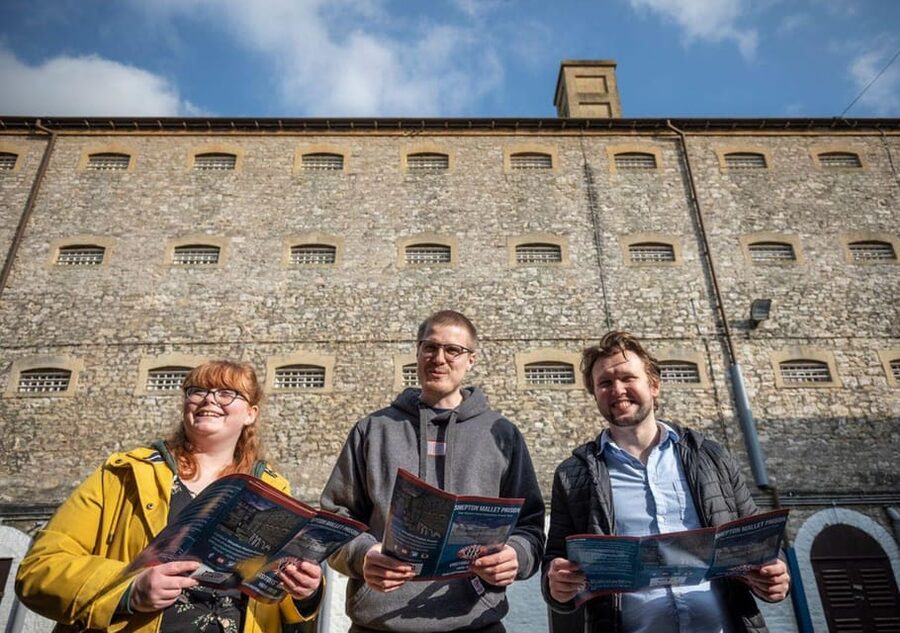
You receive a map to guide you around the prison. The map matters. The site contains several buildings and areas, and the route is not always obvious from one point to the next.
At different stops, you can use interactive sound boxes to hear facts and stories connected with the prison. Information boards and interpretation spaces add background, giving you something to read when a particular room or building needs explanation.
I like this setup because you can linger over subjects that interest you. If you want to spend extra time in the execution room or study the details of the old prison buildings, nobody is waiting for the group to move on.
The trade-off is that you must manage the visit yourself. A self-guided ticket gives you access to the information, but it does not give you a person explaining how every part connects. Staff are available to point you in the right direction and answer questions, so ask early if you are unsure where to go.
One visitor found the route hard to follow and missed the kitchens and workshops. That is useful advice for planning your visit. Do not assume that seeing one major building means you have covered the whole site. Check the map as you go, and speak to a staff member if a named area does not appear on your route.
The kitchens show the daily work behind prison meals
After arriving in the Visits area, make your way to the recently renovated kitchens. This section shows where meals for prisoners were prepared and cooked.
The kitchens add an important practical layer to the visit. Prison history can easily become a story of cells, punishment, and executions. Here, you see the routine work needed to feed a large prison population. Cooking, preparation, and service were part of the daily system, even if they receive less attention than the more dramatic rooms.
The kitchens are also one of the areas you should make a point of locating. Since the route can be confusing, use your map and confirm the direction with staff. If you simply follow the most obvious path, you may miss rooms that sit away from the main flow.
The wall holds graves and execution sites

Against the perimeter wall are the graves of seven executed men. The site also marks two military firing squad executions.
This is one of the more serious parts of the visit. The setting makes the prison’s punishment system feel concrete. You are not just reading a date on a panel. You are standing in a place connected with the final moments and burial of named or recorded prisoners.
The military firing squad site adds another layer to the prison’s history. It reminds you that the grounds were used for more than ordinary prison routines. Take your time here, but approach it with respect. It is not a theatrical attraction, and the value comes from understanding what happened on the ground around you.
The self-guided format suits this section well if you prefer a quiet pause rather than a scripted explanation. On the other hand, some people may want a guide to explain the background and answer questions as they stand at the site. That is one reason the guided option may be worth considering if you want more historical detail.
A few more Britain days worth weighing up
- Magical London: Harry Potter Guided Walking Tour
★ 4.7 · 22,044 reviews - Liverpool: City & Beatles Tour with Live Guide & Live Music
★ 4.8 · 5,249 reviews - Oxford: University and City Walking Tour with Alumni Guide
★ 4.7 · 4,429 reviews - London: Christmas Lights Nighttime Bus Tour with Live Guide
★ 4.1 · 3,720 reviews
The treadwheel reveals Victorian hard labour
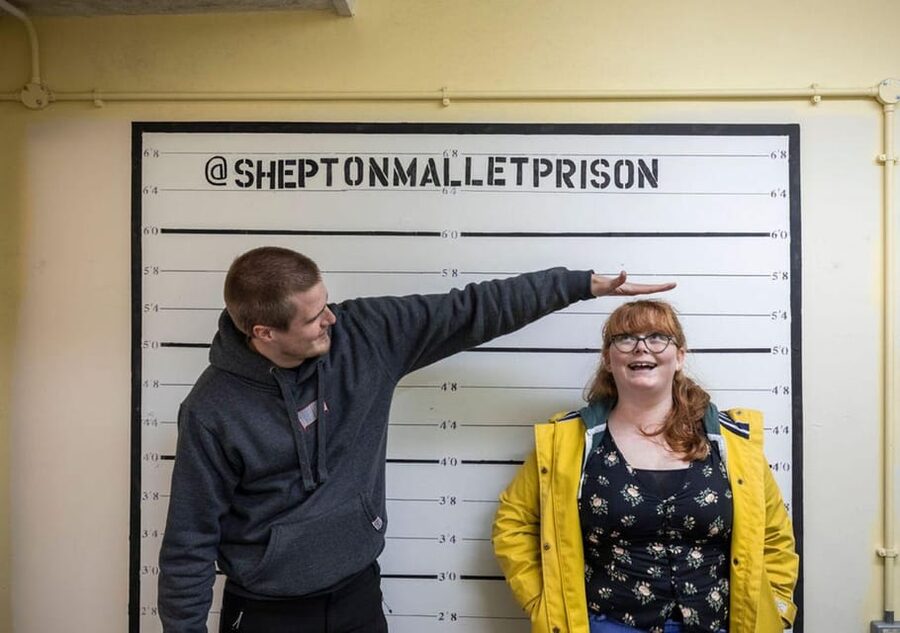
Around the treadwheel building, you learn about the different forms of Victorian hard labour imposed on prisoners. The building also connects with the infirmary above, where information covers diseases prisoners suffered while inside.
The treadwheel is an effective focus because it turns an abstract phrase, hard labour, into something physical. Even without a guide, the building and interpretation help you understand that punishment involved exhausting routine work as well as confinement.
The infirmary material changes the mood again. Illness was part of prison life, and the space above the treadwheel building shows how disease affected people held inside. Together, the treadwheel and infirmary broaden the visit beyond architecture. You see the prison as a place of work, illness, discipline, and controlled daily life.
This section may appeal to adults and older children who want more than atmospheric rooms. Younger children may find the building interesting, but the subject of disease and punishment can be heavy. You know your family best, and the self-guided pace lets you move on when needed.
The oldest corners include the gate lodge and governor’s office
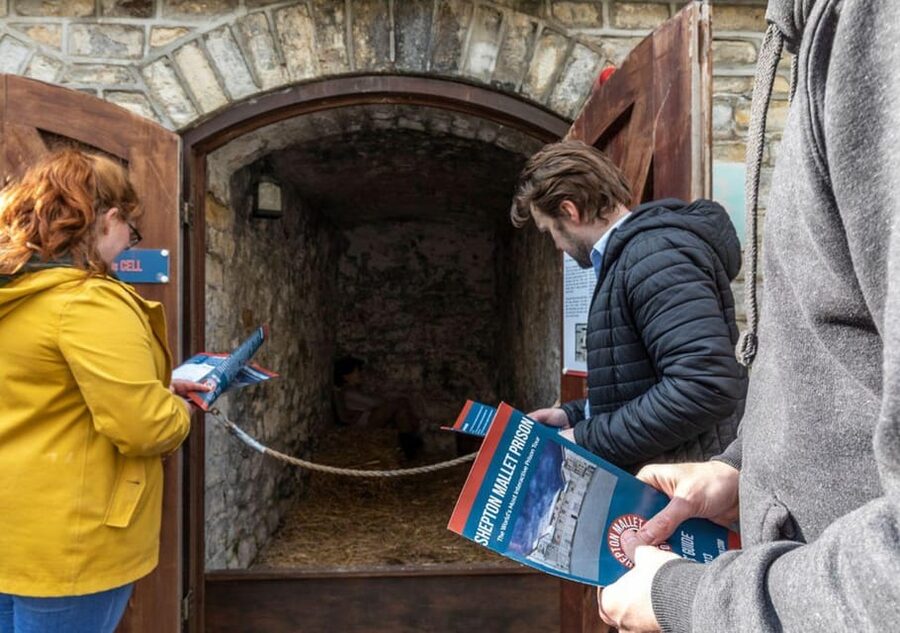
The Old Gate Lodge and the governor’s office contain features from the original 1600s prison. These rooms help you trace the site across different periods instead of seeing it only as a Victorian building.
The Old Gate Lodge is especially useful for understanding the entrance and control of the prison. The governor’s office offers a look at the administrative side of the institution. The prison was not just a row of cells. It required staff, rules, records, oversight, and a system for managing everyone inside.
These older spaces can be easy to overlook when the Victorian wings attract most of the attention. Use the map and read the signs carefully. If you are interested in how the prison changed over time, this is one of the most valuable parts of the route.
The contrast between the old structures and later additions also makes the visit easier to understand. You can see that the prison grew and changed rather than appearing all at once in its present form.
Three Victorian wings surround the exercise yard
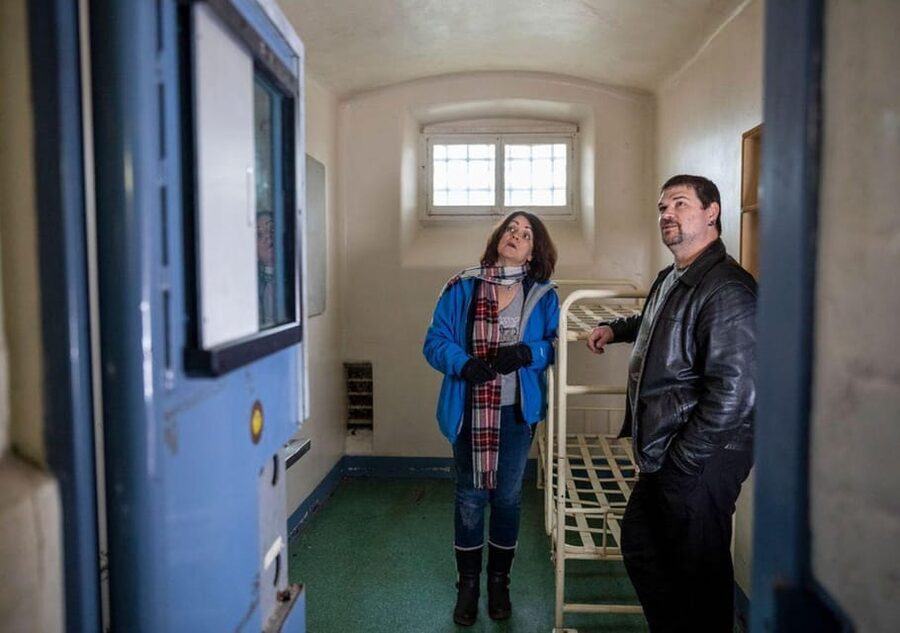
The exercise yard is surrounded by three Victorian wings, with a fourth wing a short distance away. This layout gives you a sense of how the prison was organized.
The yard acts as a central reference point. If you lose track of the route, returning to a familiar open space may help you work out where you are. It also lets you view several wings together, which is more useful than seeing each corridor in isolation.
The Victorian wings are among the most direct ways to experience the prison’s scale. You are moving through buildings designed for control and separation, not comfort. The physical arrangement helps explain how movement, exercise, and access were managed.
The fourth wing being set slightly apart means you should not stop after seeing the three around the yard. Check your map before leaving the area. This is another point where a self-guided visit rewards careful attention but can frustrate anyone expecting one clearly marked loop.
The execution room is the most intense stop
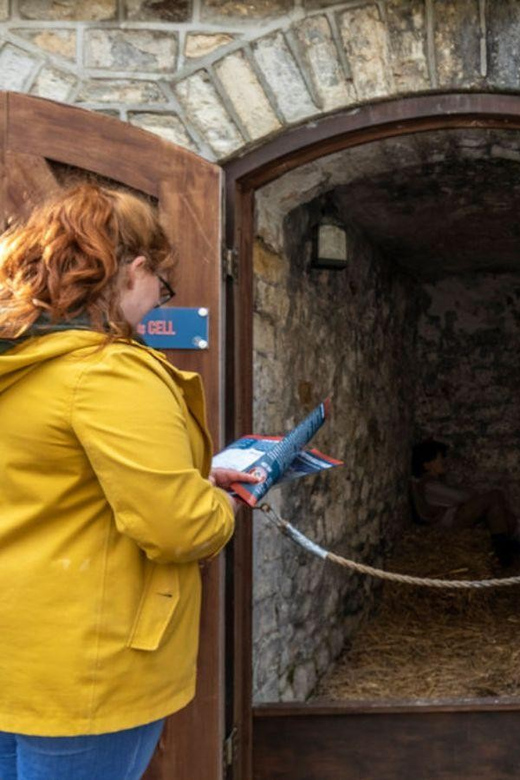
The execution room follows the final route taken by many condemned men who were hanged at the prison. It is likely to be the most emotionally difficult part of the day.
The room is not simply another historic interior. Its importance comes from the direct connection between the space and the people who died there. The interpretation helps you place the room within the prison’s wider system of sentencing and punishment.
You can choose how long to stay. Some people will want to read every panel and listen to the sound boxes. Others will prefer a brief look before moving on. That control is a real benefit of the self-guided ticket.
If you are bringing children, prepare them in simple terms for what this room represents. The activity is marketed as a good family day out, but the prison includes executions, graves, illness, and hard labour. Families can manage the visit at their own level because there is no pressure to enter or linger in every area.
Sound boxes and displays fill the gaps
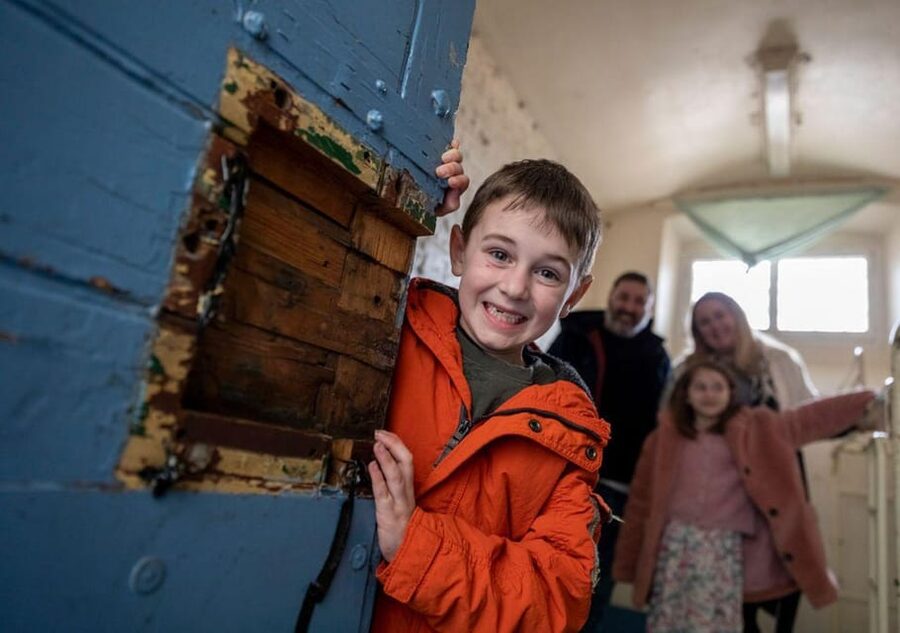
The information boards are the backbone of the independent tour. They provide facts about the buildings, prison life, punishments, and key events. The sound boxes add variety, which helps prevent the visit from becoming a long sequence of signs.
I like the choice between reading and listening. You can move at a steady pace, pause for a board, then use a sound box when you want more detail. This also helps families, since children may respond better to an interactive feature than to a wall of text.
Still, the self-guided tour depends on your willingness to read and connect the pieces. You will not receive the continuous story that a guide can provide. One visitor found the independent route informative but said a guided tour would have added more.
That is the clearest difference between the two options. Choose self-guided if you want control, privacy, and a lower-cost day out. Choose guided if you want someone to explain the prison’s story as you move from room to room.
Is $20 good value for a full day?

At about $20 per person, the self-guided ticket offers good value if you use the full opening period and take time with the displays. You are paying for access to a substantial former prison, not a short viewing of one cell block.
The value depends on your touring style. If you enjoy historic buildings, reading interpretation, and taking photographs, you can make a full visit of it. If you prefer a fast, tightly narrated tour, you may find the experience less satisfying.
The guided tour may be the better use of money for visitors who want detail and direction. One person described the self-guided option as very good value while still wishing they had been able to join a guide. Another chose the independent route and gave it a high rating but noted that a guide would have added information.
You can also factor in the flexibility of booking. Cancellation is free up to 24 hours before the visit, and you can reserve now and pay later. The ticket is valid for one day, with available starting times shown when you check dates.
Who should choose the self-guided visit?
I would recommend this format to families with young children, independent history fans, photographers, and anyone who dislikes being hurried. You can stop for a snack, return to a display, or spend more time in a room that catches your attention.
It also suits visitors who want to combine the prison with other time in Shepton Mallet. The one-day validity gives you room to plan the day around your own schedule, subject to the available starting time.
I would be more cautious if you want a polished, easy-to-follow route with a constant stream of explanation. The signs and map may not make every section obvious, and one visit missed the kitchens and workshops. Ask staff for directions rather than hoping the route will sort itself out.
Bring a warm layer in winter, keep the map in hand, and do not rush away from the visitor centre without understanding the route. Those small steps should make the independent format much easier.
The café and gift shop make a useful finish
Once you have completed the prison route, return to the Visitor Centre. The displays there cover prison and local history, giving you a final chance to place what you have seen in a wider setting.
The café serves barista-style hot and cold drinks and snacks. Since the prison is expansive, this is a practical stop rather than just a souvenir extra. A drink can help break up the visit, especially if you are exploring with children.
The gift shop sells Shepton Mallet Prison merchandise and gifts. Nothing here changes the historical value of the tour, but it gives you a simple way to mark the day.
Should you book Shepton Mallet Prison?
Book the self-guided tour if you want a flexible, affordable look at a genuine former prison and are happy to guide yourself with a map, displays, and sound boxes. The kitchens, treadwheel building, Victorian wings, old gate lodge, governor’s office, graves, firing squad sites, and execution room give you plenty to see.
Choose the guided tour instead if you place a high value on a clear route and spoken background. The self-guided visit can be very good value, but it asks you to take responsibility for finding every area.
For the best experience, arrive prepared to read, wear warm clothing in cold weather, and ask staff for directions as soon as the route becomes unclear. If you do that, the $20 ticket gives you a thoughtful and unusually direct look behind the walls of a real prison.
FAQ
Where does the Shepton Mallet Prison self-guided tour start?
The tour starts in the Shepton Mallet Prison Visitor Centre, just beyond the main prison gates on Frithfield Lane, Shepton Mallet, BA4 5FQ.
How long is the self-guided tour?
The activity is valid for one day. You can explore the prison at your own pace, with starting times shown when you check availability.
How much does the self-guided tour cost?
The listed price is $20 per person.
Is the tour guided?
No. This is a self-guided experience using a map, information boards, interpretation spaces, and interactive sound boxes. Staff are available to answer questions and help with directions.
What can you see inside the prison?
You can see the kitchens, treadwheel building, infirmary area, Old Gate Lodge, governor’s office, exercise yard, Victorian wings, execution room, graves of seven executed men, and the sites of two military firing squad executions.
Is the self-guided tour suitable for families?
Yes. The experience is described as suitable for families with young children who want to explore the venue at their own pace. Keep in mind that the prison includes subjects such as executions, disease, and hard labour.
Is there a café at Shepton Mallet Prison?
Yes. The on-site café sells barista-style hot and cold drinks and snacks. These purchases are not included in the tour price.
Is there a gift shop?
Yes. The Visitor Centre gift shop sells Shepton Mallet Prison merchandise and gifts.
Should I wear warm clothing?
Yes, especially in winter. You are advised to wrap up warm during the colder months.
Can I cancel my booking?
You can cancel up to 24 hours in advance for a full refund. You can also reserve now and pay later, which keeps your travel plans flexible.
Just added around Britain
- London: Wimbledon Tennis Club and Westminster Walking Tour★ 4.5 · 86 reviews
- London: Westminster to Richmond River Thames Cruise★ 4.8 · 23 reviews
- Winchester: Historic Castles and Cathedrals Walking Tour★ 4.9 · 154 reviews
- Westminster Abbey Skip-the-Line Entry and Private Tour★ 4.6 · 4 reviews
- Best of London by LE GRAND – London’s Luxury Bus Tour★ 4.2 · 23 reviews
- Whitby: Guided Distillery Tour with Gin Tasting★ 5.0 · 28 reviews
- London: Westminster Walking Tour & St Paul’s Cathedral Entry★ 4.7 · 7 reviews
- Warwick: Entry Ticket for Warwick Castle★ 4.7 · 215 reviews
Self-Guided Tours, compared.

Emirates Stadium Entry Ticket and Audio Guide
Read our review →
British Museum Audio Tour & Priority Entrance Ticket
Read our review →
Canterbury Cathedral: Entry Ticket with Audio Guide
Read our review →
Churchill War Rooms Ticket & Political London Audio
Read our review →
Royal Walking Tour and Buckingham Palace Audio Tour
Read our review →
Self-Guided Notting Hill Walking Tour with an APP
Read our review →Browse the lists this tour appears in