Reviewed · TICKETS
London: Westminster WW2 Tour & Churchill’s War Rooms Ticket
London’s wartime story becomes much clearer when you connect the grand buildings above ground with the cramped bunker hidden below. This tour does just that, taking you past Westminster’s political landmarks before sending you underground into Churchill’s War Rooms, preserved much as they were when the lights went out in 1945.
I like the one-hour walk, which gives the War Rooms a useful setting, and I like the freedom to explore the museum at your own pace. The main drawback is physical: you are on your feet for the walking portion and the bunker can feel tight and crowded, especially at busy times.
Key points to know
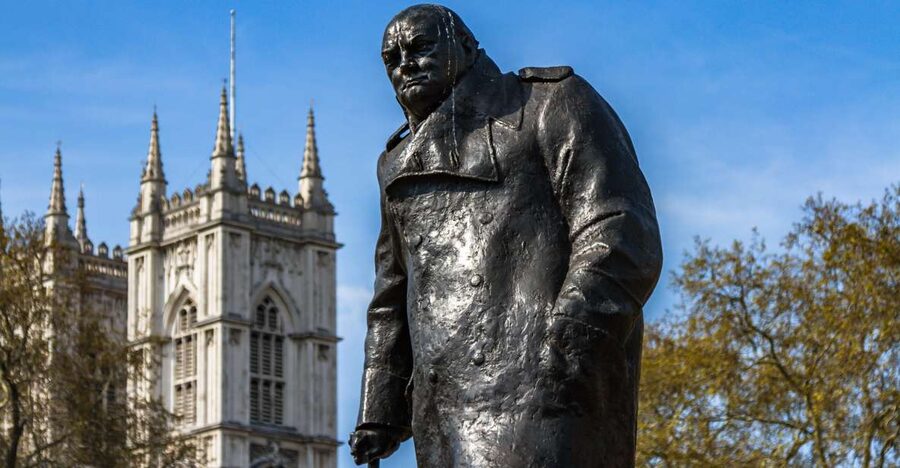
- Walk from Westminster Station to the wartime bunker: See Big Ben, Parliament, Westminster Abbey, Downing Street, the Cenotaph, and Churchill’s statue before entering the museum.
- Original underground rooms: The War Rooms preserve offices, map rooms, kitchens, sleeping quarters, and communication spaces used during World War II.
- A strong mix of public and private history: You learn about Churchill’s speeches and political choices, but also about sun lamps, family secrecy, food, and daily work underground.
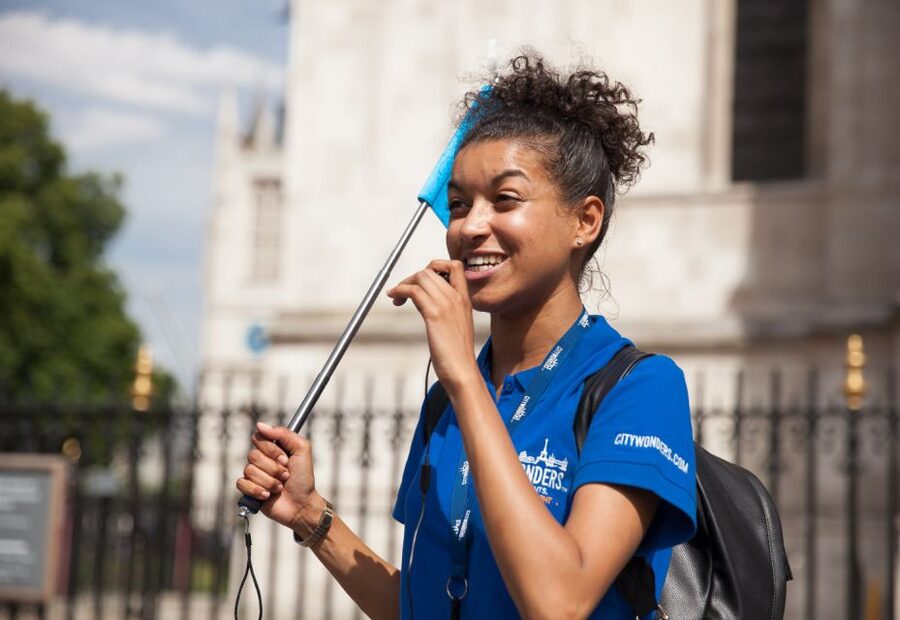
- The walk is guided, the museum is not: Your English-speaking guide leads the Westminster portion, then you continue inside with the museum’s audio guide.
- Allow extra time if you enjoy museums: The planned visit is 1.5 hours, but you can stay longer. Some people spend several additional hours inside.
- Best for history-minded adults: The material is political and military, and the route involves substantial walking and narrow underground spaces.
Why the above-ground walk matters
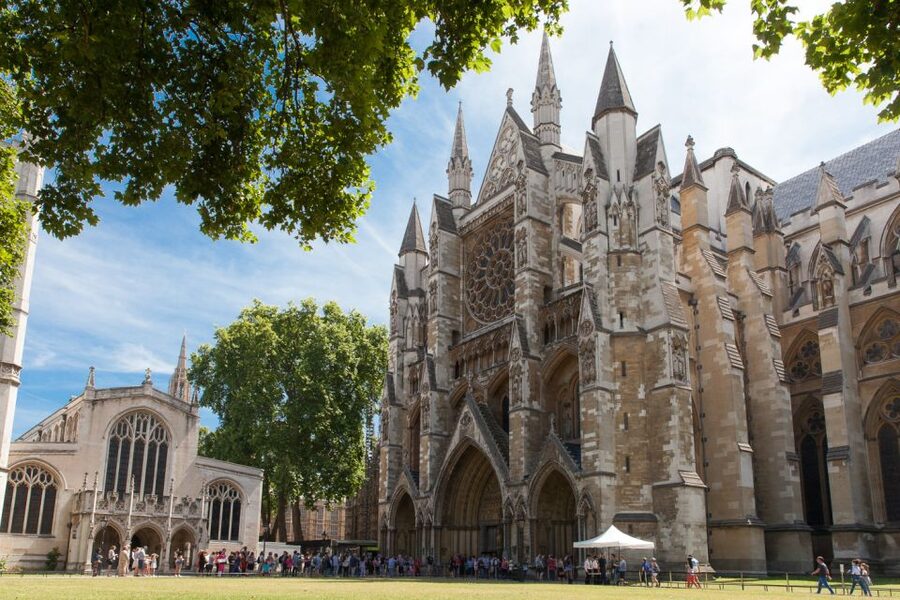
The tour begins outside Westminster Station, not at the Churchill War Rooms. This is an important detail. Follow signs inside the station for Exit 2, Victoria Embankment, then take the stairs to street level. Your meeting point is at the top of the stairs, behind the statue of Boadicea on her chariot.
Arrive with time to spare. The group does not meet at the museum entrance, and rushing from the wrong location could mean missing the start. Comfortable shoes are a must, since the tour moves through central London on foot before the indoor visit.
The first hour places World War II London in its political setting. You pass the Houses of Parliament and Westminster Abbey, two buildings that represent the country’s government and national ceremony. You also stop near Big Ben, where you have time for photographs, though this is a photo stop rather than a full visit inside any of these landmarks.
That distinction matters. Westminster Abbey admission is not included, and the tour does not take you through the Houses of Parliament or 10 Downing Street. You see the buildings from outside and hear how they fit into the wartime story.
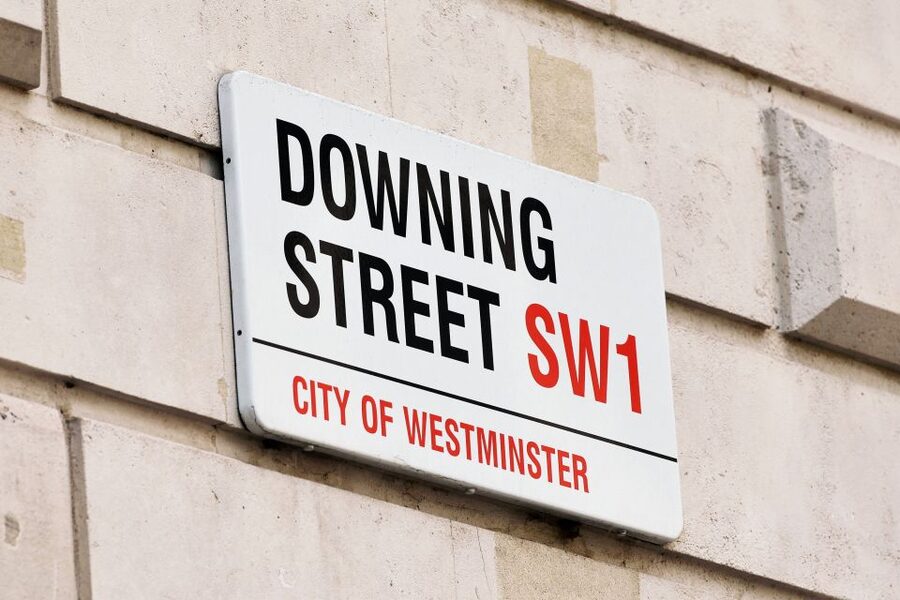
At Downing Street, the focus shifts toward Churchill and the office of the prime minister. You also see the original door connected with Churchill’s arrival as prime minister. The street itself is controlled, so this is an exterior stop, but it still gives the story a strong sense of place.
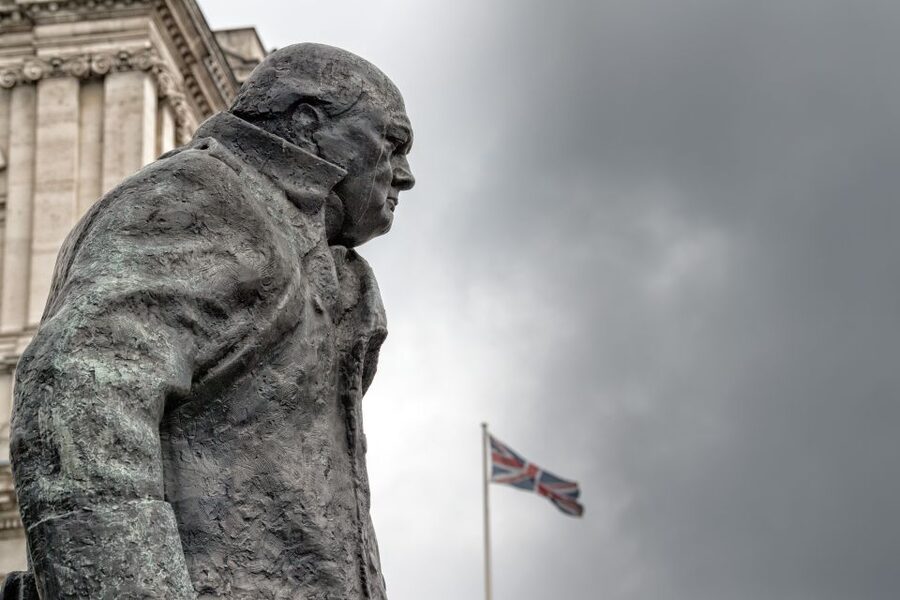
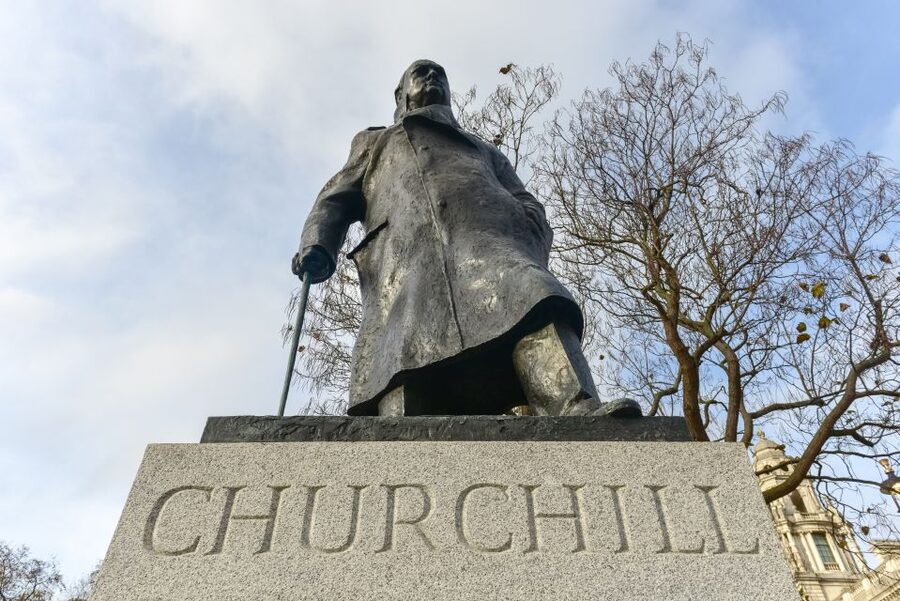
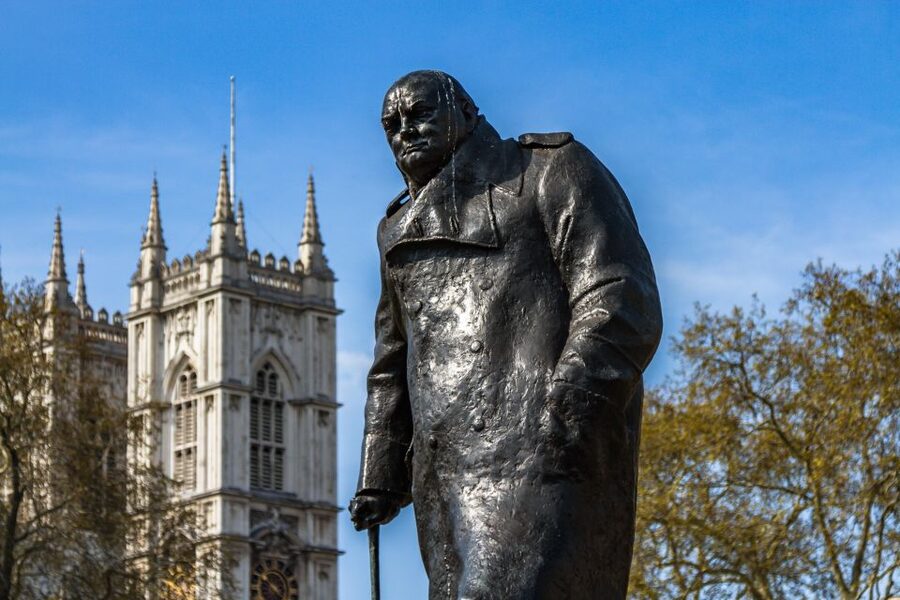
The route ends at the Cenotaph, the United Kingdom’s main national war memorial. It was built to honor those lost in the First World War, yet it now serves as a central memorial for British military remembrance more broadly. Along the way, you also see the statue of Churchill and the Monument to the Women of World War II.
The most useful part of the walk is the wider European context. As Germany took control of much of Europe, governments and monarchs forced into exile came to London. Westminster became a center for diplomacy, intelligence work, and wartime decision-making, not simply a district of grand offices.
Your guide may also add details about parliamentary politics, the Blitz, espionage, and nearby wartime sites. Guides have included Paul, Michael, Maggie, Lee, Andy, Dave, and Peter, and the style can vary by day. The most praised approach is lively and clear, with humor used to keep the facts moving rather than burying them.
Headsets are provided for the walking tour. They are useful around traffic and busy streets, allowing you to hear the guide without standing shoulder to shoulder. A few people have had to switch channels or reconnect the device at the start, so check your headset early and speak up if the sound is not working.
A few more London days worth weighing up
- From London: Harry Potter Warner Bros Studio Tour
★ 4.7 · 26,588 reviews - London: Westminster to Greenwich River Thames Cruise
★ 4.5 · 22,836 reviews - Magical London: Harry Potter Guided Walking Tour
★ 4.7 · 22,044 reviews
Entering Churchill’s War Rooms
After the walking tour, your guide takes you to the entrance of Churchill’s War Rooms and helps make sure you have the information needed to continue. The guide does not accompany you through the museum. From this point, the experience becomes self-guided with an audio guide.
The museum occupies the wartime bunker beneath Westminster. It is not a theatrical reconstruction. The rooms were preserved after the operation ended, with the furniture, equipment, signs, maps, and workspaces left in place. You get a strong sense of a functioning office complex rather than a polished memorial hall.
The rooms were kept as they were when the lights were switched off in 1945. Some signs showed the weather above ground, a small but telling detail in a place where many workers spent long hours without seeing daylight. That contrast helps you understand the strange rhythm of underground life.
The bunker is a maze, and that is part of its appeal. You move from broad strategic spaces to small rooms tied to ordinary work. Maps tracked military movements, communications staff handled information, and senior officials planned responses to the German bombing campaigns.
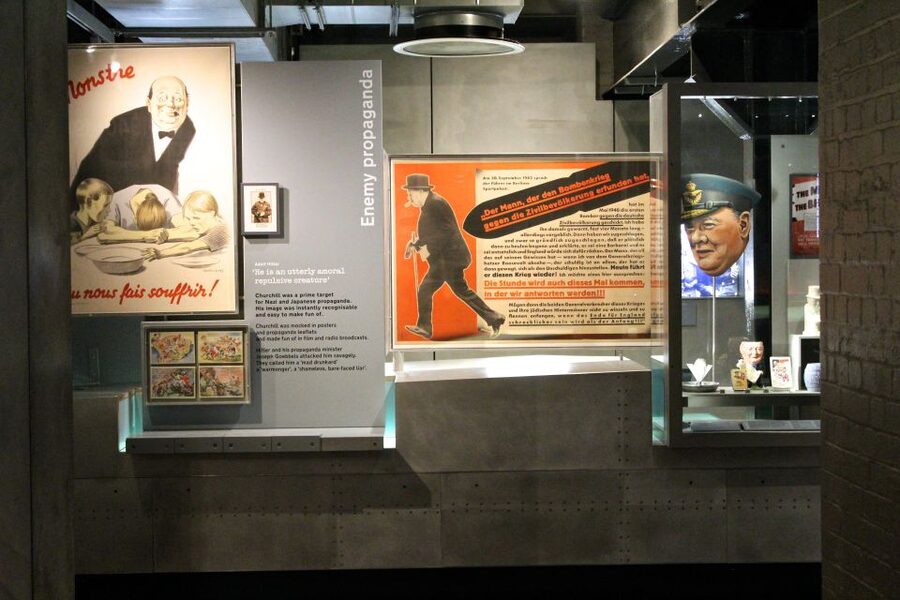
The museum also shows how enemy communications were studied and deciphered. You see the practical tools used to make sense of a fast-moving war, including maps and planning materials. The setting makes the work feel less abstract than a book or display case can manage.
The people who kept the bunker running
It is easy to focus only on Churchill, but the War Rooms also tell the story of the staff who made the operation possible. Many people worked in dark rooms for long periods, handling messages, maps, schedules, and conversations that had to remain secret.
Some workers’ families did not know what their relatives actually did. Official cover stories kept the bunker’s purpose hidden. That detail gives the site a human edge: secrecy was not only a matter of military policy, but also part of daily family life.
The conditions were basic. Primitive sun lamps were used to help workers get enough vitamin D while they spent so much time underground. You also see domestic spaces, including Churchill’s kitchen, which shows how ordinary needs continued beneath the pressure of war.
The Transatlantic Telephone Room is another memorable stop. It was used for top-secret conversations between Churchill and President Roosevelt. The room points to the special relationship between the two leaders, while the surrounding offices show the large staff and systems needed to support such communication.
This combination is one of the tour’s strengths. You hear about military strategy and national leadership, but you also see kitchens, workstations, rest areas, and signs of repetitive office labor. The bunker feels like a workplace under extreme pressure.
The Churchill Museum adds the personal story
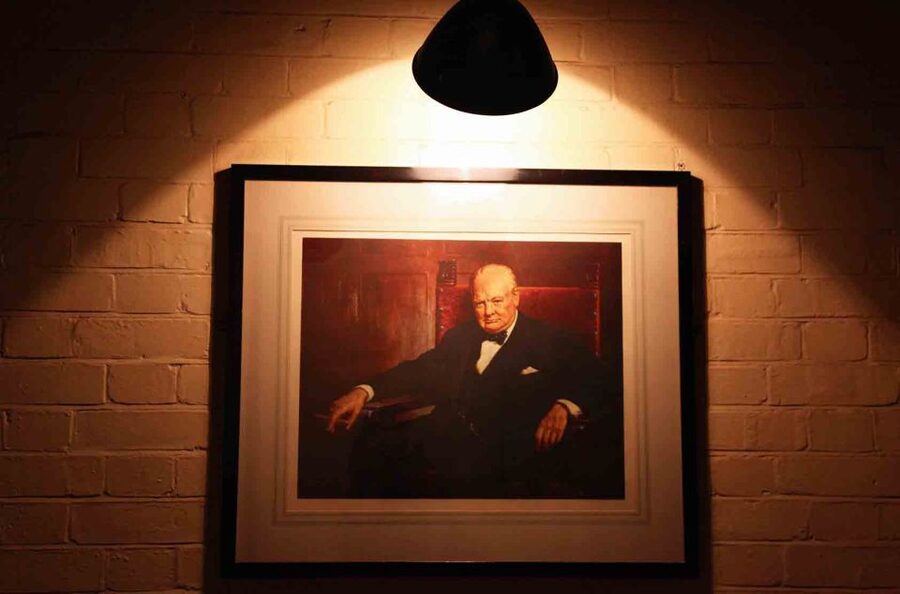
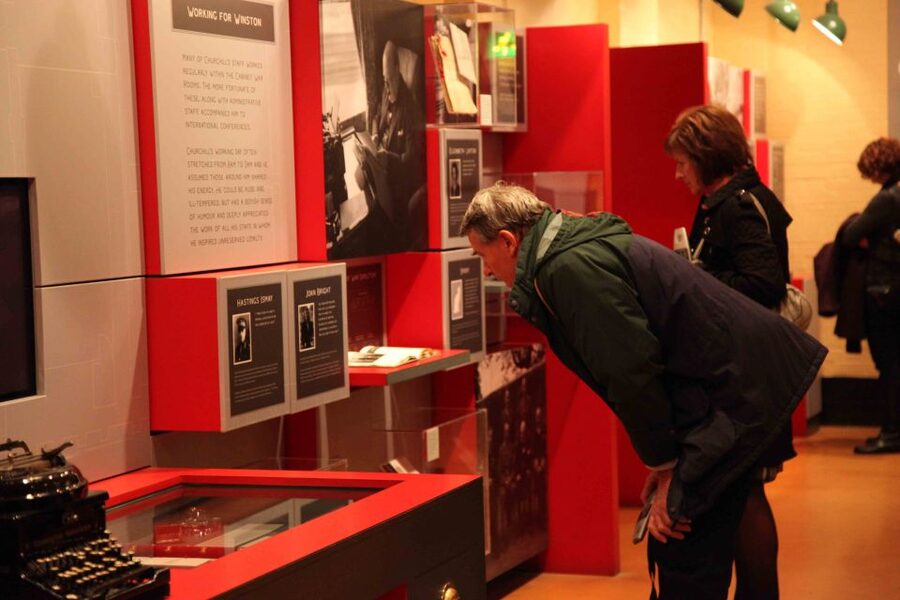
The Churchill Museum forms a major part of the visit. It follows Churchill’s life and legacy, from his early years through his political career and wartime leadership. Authentic recordings of his speeches give the displays a direct connection to the period.
Churchill’s voice is central to his public image, and hearing the wartime speeches inside the bunker adds weight to the words. You can consider both sides of his legacy here: the force of his leadership during the war and the wider political life that shaped his reputation.
The museum also covers his private life, including his relationship with his wife. This keeps the visit from becoming only a display of speeches and military maps. You see the person behind the office, though the main focus remains his public and political career.
The original Downing Street door provides another physical link between the museum and the opening walk. Above ground, you see where the prime minister worked. Below ground, you see how that leadership was supported by a hidden network of staff, communications, and planning rooms.
I recommend taking the audio guide seriously rather than racing through the bunker. It helps explain what you are looking at and adds stories that might be easy to miss in a crowded room. At times, the audio instructions can be hard to coordinate with your exact position, so pause and make sure you are listening to the section that matches the room in front of you.
Same city, a completely different sort of afternoon:
- London: Madame Tussauds London
★ 4.6 · 20,915 reviews - London: Warner Bros. Studio Tour with Transfers
★ 4.7 · 17,586 reviews - London: Tower Bridge Entry Ticket
★ 4.7 · 15,560 reviews - London: St Paul’s Cathedral Entry Ticket
★ 4.7 · 9,813 reviews
Time, crowds, and comfort underground
The advertised duration is 2.5 hours, including roughly one hour outside and 1.5 hours inside the War Rooms. That timing is a useful baseline, not a hard limit for the museum portion. Once inside, you can continue at your own pace and stay longer.
Some people finish close to the planned time. Others spend two or more hours in the museum, stop for lunch at the café, and leave several hours after the initial meeting. If Churchill and World War II are major interests, keep the rest of your schedule open.
The bunker can be cramped. Corridors and rooms are not designed for large modern crowds, and popular sections may feel crowded when several groups arrive together. The limited space is historically accurate, but it can make the audio guide and displays harder to follow.
The walking portion is also more active than the headline duration may suggest. You stand at several stops, cross central streets, and remain on your feet before reaching the museum. A guide can adjust the pace and find shade during hot weather, but you should still plan for changing London conditions.
Rain does not cancel the outdoor section, so bring suitable clothing. The route includes open streets and exposed areas. Good shoes will help more than stylish ones, especially if you decide to spend extra time in the museum afterward.
This experience is not suitable for wheelchair users or people with mobility impairments. Baby strollers are not allowed. If you need a slower route or step-free access, check carefully before booking rather than assuming the underground setting will work for you.
Is $59 a fair price?
At $59 per person, the tour costs more than simply walking around Westminster on your own. You are paying for the guide, the guided route, the headsets, the reserved War Rooms admission, the reservation fee, and the museum audio guide.
The value depends on how much context you want. The War Rooms ticket is the main expense, and the one-hour walk adds sites you could visit independently but might not connect so neatly to the bunker. You also avoid having to plan a route among Downing Street, Parliament, the memorials, and the museum entrance.
I think the added cost is reasonable for a first visit, especially if you want the political background explained as you walk. A self-guided museum visit can work well for confident history readers, but the outside walk helps explain why Westminster became such a key wartime center.
You should also consider the flexibility of the indoor portion. The guide-led walk has a fixed start, but the museum lets you set your own pace. That is useful if one person in your group wants to study every map while another prefers the main Churchill displays.
The strongest value comes when you treat this as a half-day experience rather than a strict 2.5-hour appointment. If you rush out of the War Rooms at the planned finish, you may miss some of the best material.
Who should book this tour?
I recommend it for adults and older children with a real interest in political or military history. The subject is serious and often detailed, so it may not hold the attention of young children. It suits you particularly well if you want more than landmark photographs and prefer stories about how governments, leaders, and ordinary staff operated during wartime.
It is also a good choice for visitors who want an English-speaking guide with a sense of humor. The best guides bring energy to a subject that could otherwise become a long list of dates. Names and assignments vary, but guides such as Paul, Michael, Maggie, and Lee have led sessions praised for clear explanations, humor, and attention to the group.
You may prefer a direct museum ticket if you have already explored Westminster or want complete control over your timing. You may also find the guided walk less appealing if you dislike standing outdoors or moving with a group.
The tour works especially well early in a London visit. It introduces Parliament, Downing Street, the memorials, and the wartime role of Westminster, giving later sightseeing in the area more meaning. Just remember that this is an exterior tour of the landmarks, not admission to the Abbey or Parliament.
Should you book the Westminster and War Rooms tour?
Book it if you want the War Rooms placed in a larger story. The preserved bunker is the main attraction, but the walk explains the political neighborhood above it and introduces the people, governments, and wartime decisions that made the rooms important.
Skip it if you need step-free access, dislike group walking, or want only a quick museum visit. For everyone else, $59 is a sensible price for the combination of a guided Westminster walk, reserved entry, and a self-paced museum visit.
Plan to wear comfortable shoes, arrive at Westminster Station rather than the museum, and leave extra time underground. If you do that, you get a thoughtful look at Churchill, his staff, his relationship with Roosevelt, and the everyday work that kept Britain’s wartime government operating below the streets.
FAQ
Where does the tour begin?
Meet your English-speaking guide outside Westminster Station. Follow the signs for Exit 2, Victoria Embankment, then go up the stairs to street level. The group meets behind the statue of Boadicea on a chariot.
Does the tour begin at Churchill’s War Rooms?
No. The meeting point is outside Westminster Station, not at Churchill’s War Rooms. The group walks through Westminster before finishing at the War Rooms.
Is entry to Westminster Abbey included?
No. The tour includes an exterior photo stop at Westminster Abbey, but admission to the Abbey is not included.
Is the War Rooms visit guided?
The Westminster walk is guided. Your guide does not accompany you inside the War Rooms, where you explore independently with the museum’s audio guide.
How long can I stay inside Churchill’s War Rooms?
The planned self-guided visit lasts about 1.5 hours, but there is no stated time limit once you enter. You can stay longer and explore at your own pace.
Is the tour suitable for wheelchair users or people with mobility impairments?
No. The experience is not suitable for wheelchair users or people with mobility impairments. Baby strollers are also not allowed.
Just added around London
- London: Wimbledon Tennis Club and Westminster Walking Tour★ 4.5 · 86 reviews
- London: Westminster to Richmond River Thames Cruise★ 4.8 · 23 reviews
- Westminster Abbey Skip-the-Line Entry and Private Tour★ 4.6 · 4 reviews
- Best of London by LE GRAND – London’s Luxury Bus Tour★ 4.2 · 23 reviews
- London: Westminster Walking Tour & St Paul’s Cathedral Entry★ 4.7 · 7 reviews
- From London: Oxford, Stratford-upon-Avon & Cotswolds Trip★ 4.5 · 64 reviews
- From London: Warwick, Oxford, Stratford & Cotswolds Day Tour★ 4.0 · 270 reviews
- Churchill’s Wartime London Walking Tour★ 4.3 · 4 reviews
Tickets, compared.

Buckingham Palace: The State Rooms Entrance Ticket
Read our review →