
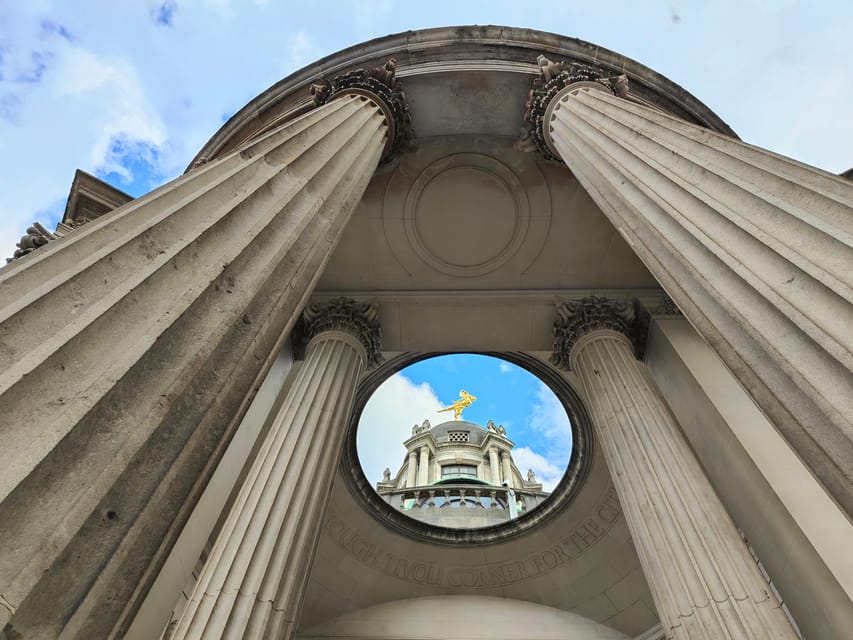
Reviewed · HISTORICAL TOURS
City of London Historical Walking Tour
The most surprising part of this walk is how clearly it separates the City of London from the London most visitors picture. This compact square mile was not simply another royal district. It had its own customs, corporation, privileges, and stubborn habit of resisting the Crown.
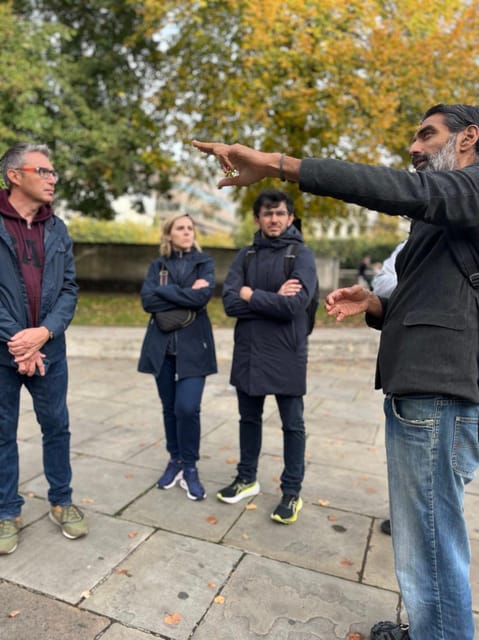
I like two things right away. First, the tour follows power and ideas, not just famous buildings, so you learn why democracy, law, trade, and empire grew from these streets. Second, the small group, limited to eight people, gives guide Arjun room to explain odd corners and answer questions. The dragon emblem, for example, becomes much more than decoration.
The main consideration is pace. Two and a half hours brings a lot of centuries and stops, so this suits you if you enjoy a history-heavy walk. It is not a food tour, and the focus is on stories, streets, and buildings rather than entering a long list of major attractions.
Key points to know before you book
- The City is London’s original power center: Follow its separate identity from Celtic and Roman roots through the Saxon, Viking, and Norman periods.
- Democracy is part of the route: Learn how the City challenged royal authority and helped shape England’s legal and political traditions.
- The dragon has a story: London’s emblem connects the city’s survival, identity, and rebirth after crisis.
- The route favors overlooked places: Salters’ Hall, Guildhall, the Royal Exchange, Mansion House, and the Bank of England frame the story.
- Small groups change the experience: With no more than eight people, conversation is easier than on a large city walk.
- The tour ends at the Bank of England: You finish with London’s older civic and commercial power connected to its modern financial role.
Why this one square mile matters
I find the City of London easier to understand once you stop treating it as the whole capital. Westminster grew around the monarchy, Parliament, and royal government. The City grew around commerce, civic rights, law, and a corporation that could bargain with kings.
That distinction gives the walk its main idea. London was never controlled by one power alone. Royal authority mattered, but the City had money, organized guilds, legal privileges, and a strong civic identity. Those forces often pulled in different directions.
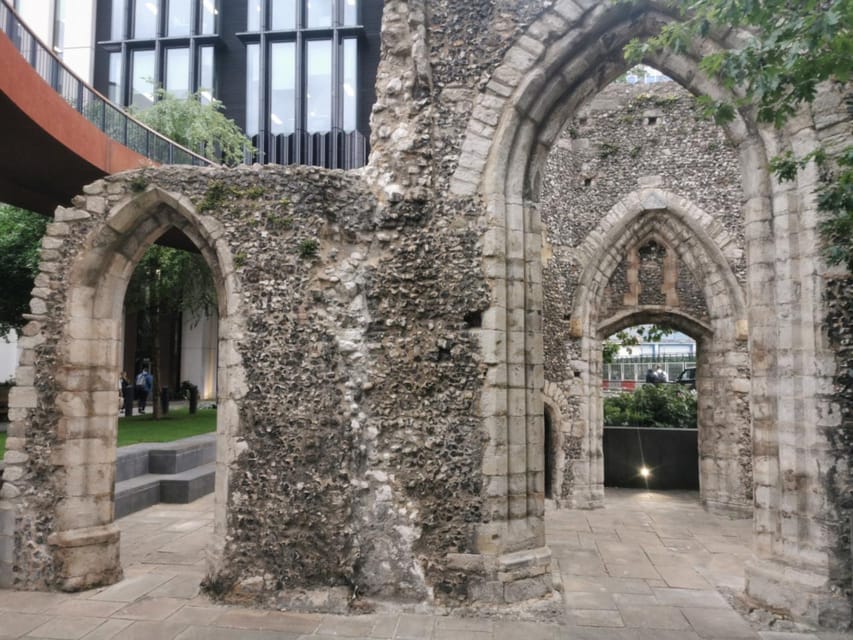
The walk begins at Barbie Green restaurant, opposite the ruins. That meeting point is practical rather than grand, so arrive looking for the guide with longish hair and a beard, plus a felt green dragon on his backpack. The dragon is a useful marker, and it previews one of the tour’s central themes.
From there, you move through the ancient City on foot. The route is not built around one blockbuster sight. Instead, it uses buildings, fragments, symbols, and street corners to show how layers of London were placed on top of one another.
More City Tours in London
- London: City Sights Hop-On Hop-Off Bus & Bookable Extras
★ 4.4 · 6,579 reviews - London: Go City Explorer Pass® – Tickets for 2-7 Attractions
★ 4.3 · 1,111 reviews - London: Speedboat Tour Through Heart of the City
★ 5.0 · 387 reviews
From Celtic roots to Roman London
The opening section reaches back before the familiar medieval and Georgian city. You hear how Celtic communities occupied the area before Roman rule, then how the Romans built Londinium into a settlement with commercial and administrative importance.
The value here is the long view. London did not appear fully formed as a medieval capital. It changed hands, names, customs, and physical shape over many centuries. The early guided stops, lasting about 15 minutes, 10 minutes, and 10 minutes, build this foundation before the walk reaches Salters’ Hall.
The Roman period is not treated as an isolated museum chapter. It helps explain why this location mattered in the first place. Later London inherited a site with roads, trade links, and a useful position beside the Thames.
You should expect plenty of explanation rather than a parade of preserved Roman monuments. Some places may look ordinary at first. That is part of the method: Arjun connects the modern street to the older settlement, so a small clue can carry more weight than a dramatic facade.
Salters’ Hall and the City’s working identity
Salters’ Hall receives about 10 minutes of guided attention. Its place in the walk helps shift the story from ancient settlement to the guilds and organized trades that gave the City much of its civic structure.
The City’s companies were not just social clubs. Their traditions, money, and influence helped shape how the corporation worked. You begin to see why the City could act as a serious political force rather than merely a collection of merchants.
This is also where the tour’s preference for less obvious sights pays off. If you came expecting a greatest-hits route, Salters’ Hall may not be familiar. I like that choice. It shows how institutional power can hide behind buildings that do not shout for attention.
The guide’s role matters here. Arjun has been praised for making small and initially unremarkable places easier to read. That is useful in the City, where a doorway, hall, plaque, or narrow street can carry an important civic story without looking spectacular.
Saxons, Vikings, Normans, and a city that kept adapting
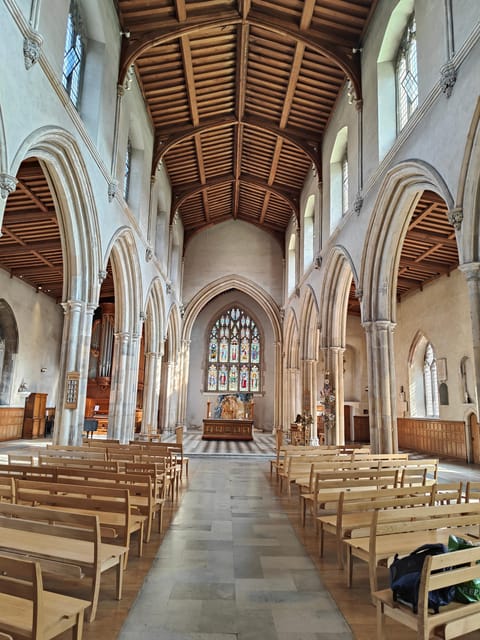
The next part adds the Saxons, Vikings, and Normans to the story. The point is not simply to memorize a succession of invaders and rulers. You learn how each period altered London while leaving older habits and structures in place.
The City’s identity was never fixed. It absorbed new peoples and new authority, yet it also preserved local rights and customs. That tension helps explain its later disputes with the monarchy.
The tour gives several short guided sections, including stops of about 10 minutes, 10 minutes, and 5 minutes. That rhythm keeps you moving through the district. It also means you should listen closely, since the guide may make one historical connection at a time before the group moves on.
I would not choose this walk if you want a relaxed stroll with only occasional commentary. The story is dense, and names and dates arrive quickly. If you enjoy connecting political history to physical places, though, the concentration is a strength.
More History Tours in London
- London: Historic Pubs of Central London Walking Tour
★ 4.9 · 1,065 reviews - London: Soho Music and Historic Pubs Walking Tour
★ 4.9 · 836 reviews - London: Rock ‘n’ Roll History Tour
★ 4.6 · 645 reviews - London: Royal Historic Pubs Walking Tour
★ 5.0 · 536 reviews
Guildhall and the fight over royal authority
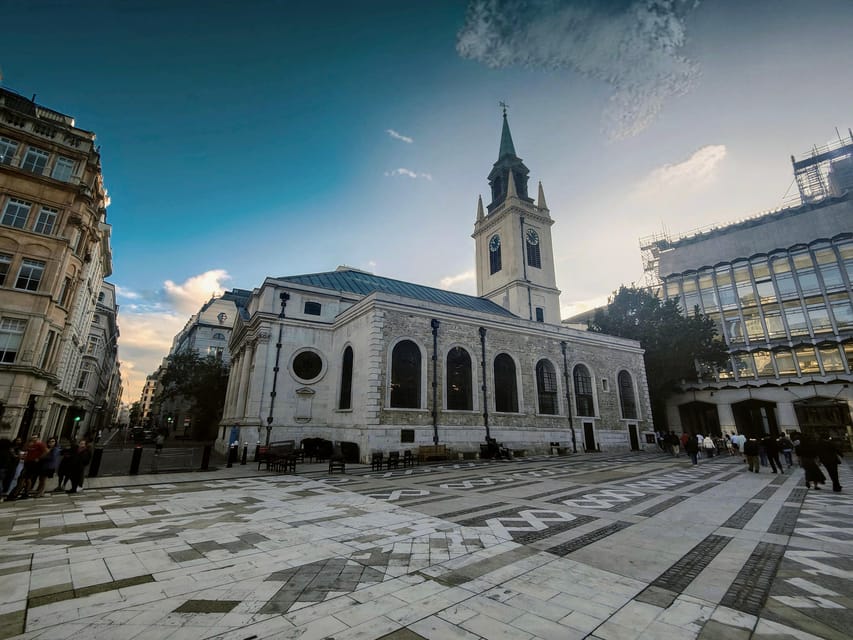
Guildhall is one of the route’s longer stops, with about 15 minutes set aside for the site. It provides a natural stage for the City’s political story and its long relationship with the Crown.
The central lesson is that London did not simply obey royal commands. The City had privileges worth defending and a corporation capable of protecting them. Its leaders could negotiate, resist, and use their economic importance to secure room for self-government.
This is where the tour links local civic history to England’s wider democratic development. The Magna Carta is not presented as a distant document floating above everyday life. Instead, the story shows how the City and its political culture helped create conditions in which royal power could be challenged by law.
The phrase envy of kings makes sense in this setting. A wealthy, organized city with legal rights was useful to monarchs, but it could also be difficult to control. You get a clearer idea of why kings wanted London’s support and feared its independence.
Guildhall also helps you see the difference between ceremonial power and practical power. A royal palace may look more impressive, but a corporation with money, trade, and civic organization could exert pressure in a different way.
Magna Carta, law, and the birth of a corporation
One of the tour’s strongest themes is the connection between the City’s corporation and the rise of an empire. That claim needs careful handling. The walk does not reduce the story to a simple line from medieval rights to global dominance. Instead, it shows how civic organization, trade, legal privilege, and commercial ambition reinforced one another.
The corporation gave the City continuity. Monarchs changed, borders shifted, and disasters struck, but the institution could keep operating and defending its interests. That long memory helped London build influence far beyond its walls.
You also hear about the City’s role in the legal foundations associated with Magna Carta. The attraction here is not a single relic. It is the political idea that authority could be limited, rights could be defended, and the law could become a tool used against unchecked rule.
I appreciate that the tour treats democracy as something shaped by conflict. The City’s story is not a neat march toward modern freedom. It involves merchants, rulers, corporations, privilege, and competing interests. That makes the history more useful, because it shows how political rights often grow out of arguments over who gets to make decisions.
Royal Exchange and Mansion House
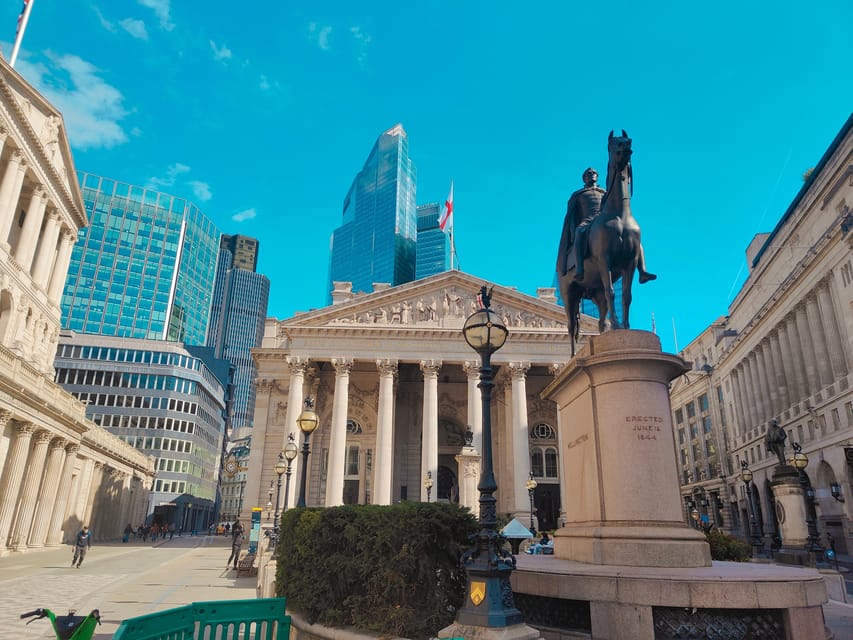
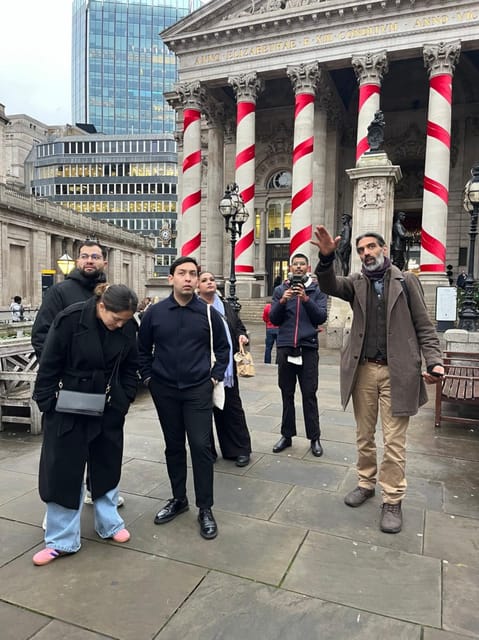
The Royal Exchange receives about five minutes, followed by a similar short stop at Mansion House. These visits keep the commercial story in view.
The Royal Exchange represents the City’s role as a place where trade could be organized and expanded. Its importance is not only architectural. It represents the habits of dealing, credit, corporate organization, and international ambition that helped London extend its reach.
Mansion House brings the civic side of that power back into focus. Together, these stops show that commerce and government were closely connected in the City. The walk does not treat finance as an abstract modern topic. It traces it through the institutions and civic offices that made the City influential.
Because each stop is short, you will not get an extended architectural tour of either building. You get the reason each place matters within the larger story. That is a fair trade on a 2.5-hour walk, especially if your priority is historical connections rather than interior access.
Plague, fire, revolution, and the dragon
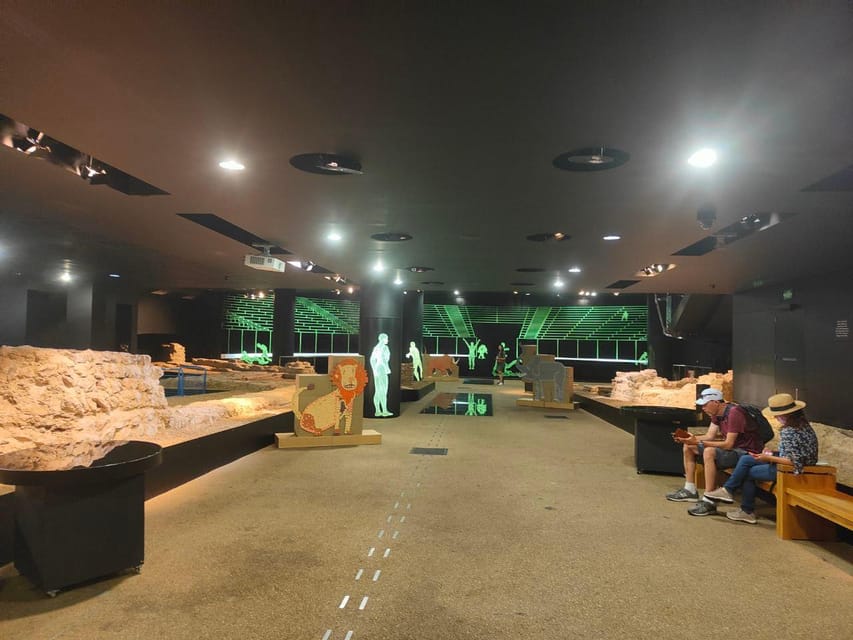
The final historical section reaches the turbulent 17th century. Plague, the Great Fire, and revolution reshaped the City, and the walk treats these disasters as more than dramatic background.
The plague shows the danger of crowding, trade, and movement in a growing city. The fire shows how quickly an old urban fabric could be destroyed. Revolution shows that political authority remained contested, even after centuries of negotiation between the Crown and the City.
The dragon emblem takes on its full meaning against this backdrop. It expresses protection, identity, and survival. After plague and fire, the City did not simply vanish. It rebuilt, defended its privileges, and used the dragon as a symbol of its enduring character.
I like ending on this image because it gives the tour a clear emotional shape without turning history into a fairy tale. The City suffers, changes, and rebuilds. Its identity comes from adaptation as much as from age.
A 25-minute guided section appears near the later part of the route, making this the longest single portion. That gives the guide time to connect the crises of the 17th century with the civic rights and institutions discussed earlier.
Finishing at the Bank of England
The walk ends at the Bank of England after short stops at the Royal Exchange, Mansion House, and nearby City locations. This ending links the medieval corporation and early commercial institutions to the financial district you see today.
You do not finish with a grand royal palace or a sweeping viewpoint. You finish with an institution that represents money, monetary authority, and the City’s continuing economic role. It is a fitting final stop for a tour that treats finance as part of London’s identity from the start.
The final location is also useful for planning the rest of your day. The walk ends in the Bank area, so you can continue exploring the City on your own or use public transport from there. No onward route is included, so plan your next stop separately.
What the small group and guide add
The group is limited to eight people. That matters more here than it would on a simple sightseeing loop, because the subject is layered and questions can improve the experience.
Arjun is the named guide in the available booking information and direct feedback. His style is described as conversational, friendly, and story-led. He brings contemporary City life into the historical setting, which helps prevent the walk from becoming a string of disconnected dates.
The small group also makes the tour feel less formal. You can ask about a building that catches your eye, pause over a political point, or compare what you already know with the guide’s explanation. Larger groups often force a guide to keep talking without stopping. Eight people gives this walk more breathing room.
The live tour is in English. The activity information also says to request your language in advance, so make that request before booking if English is not suitable. Do not assume a language change is automatic.
Price, timing, and practical comfort
At $30 per person, the walk offers solid value if you want a guided explanation of the City rather than a quick photo tour. You receive 2.5 hours with a live guide, a small group, and a post-tour PDF covering the locations and themes.
The value depends on your interests. If you mainly want London icons such as the Tower, Westminster Abbey, or Buckingham Palace, this route may feel too indirect. If you have already seen the main sights, or you want to understand the institutions behind London’s power, the price is easier to justify.
There is no food served, so eat beforehand or plan something after the Bank of England finish. The walk is wheelchair accessible, which is important in a historic district where old streets and modern business buildings sit close together.
You can cancel up to 24 hours in advance for a full refund, and you can reserve now while paying later. Availability and starting times should be checked before booking, since the stated duration does not guarantee a particular departure time.
Who should book this City of London walk?
I would choose this tour for repeat London visitors, history fans, students of politics and law, and anyone curious about the difference between the City and Westminster. It also suits people who prefer a guide-led conversation to a self-guided walk through financial streets.
First-time visitors can enjoy it too, but I would pair it with a separate tour of London’s most famous landmarks. This experience is about origins, institutions, civic rights, and survival. It is not designed as a broad introduction to every major London sight.
You should also be ready to walk for two and a half hours while listening closely. The route includes many short guided stops, but the amount of information is high. Wear sensible shoes and choose a day when you are comfortable being outdoors.
Should you book it?
Book this City of London Historical Walking Tour if you want the story beneath the streets: Celtic beginnings, Roman foundations, Saxon and Norman change, royal resistance, Magna Carta, commercial power, plague, fire, revolution, and the dragon that ties the tale together.
Skip it if you want food, major interiors, or a relaxed route built around famous photo stops. At $30, the strongest value comes from Arjun’s storytelling, the eight-person limit, and the unusual focus on places that can seem ordinary until their civic importance is explained. For a deeper look at how London gained and defended its power, this is a smart use of half a day.
FAQ
Where does the City of London Historical Walking Tour begin?
It begins at Barbie Green restaurant, opposite the ruins. You can identify the guide by his longish hair and beard, along with a felt green dragon on his backpack.
Where does the tour finish?
The walk finishes at the Bank of England.
How long does the tour last?
The tour lasts 2.5 hours.
How much does the tour cost?
The listed price is $30 per person.
How many people are in the group?
The group is limited to eight participants.
Is the tour wheelchair accessible?
Yes. The activity is listed as wheelchair accessible.
What language is the live tour in?
The live tour guide speaks English. The activity information also says to tell the provider your language in advance.
Is food included?
No. Food is not served during the tour.
Can I cancel for a refund?
Yes. You can cancel up to 24 hours in advance for a full refund. You can also reserve now and pay later.
More History Walks around London
- London: Medieval History Walking Tour from The Tower
★ 4.9 · 318 reviews - London: Witches and History Bankside Walking Tour
★ 4.8 · 223 reviews - London: Natural History Museum Entry Ticket and Guided Tour
★ 3.8 · 212 reviews - London: 2-Hour Historic Pub Tour
★ 4.9 · 133 reviews
More Walking Tours in London
- Magical London: Harry Potter Guided Walking Tour
★ 4.7 · 22,044 reviews - London: The Original Jack the Ripper Walking Tour
★ 4.7 · 7,833 reviews - London: Harry Potter Movies Walking Tour (Kids Go Free)
★ 4.7 · 3,071 reviews - London: The Great British Rock and Roll Music Walking Tour
★ 4.9 · 1,783 reviews
Just added around London
- London: Wimbledon Tennis Club and Westminster Walking Tour★ 4.5 · 86 reviews
- London: Westminster to Richmond River Thames Cruise★ 4.8 · 23 reviews
- Westminster Abbey Skip-the-Line Entry and Private Tour★ 4.6 · 4 reviews
- Best of London by LE GRAND – London’s Luxury Bus Tour★ 4.2 · 23 reviews
- London: Westminster Walking Tour & St Paul’s Cathedral Entry★ 4.7 · 7 reviews
- From London: Oxford, Stratford-upon-Avon & Cotswolds Trip★ 4.5 · 64 reviews
- From London: Warwick, Oxford, Stratford & Cotswolds Day Tour★ 4.0 · 270 reviews
- Warner Bros. Studios and 1-Day London Hop-on Hop-off tour★ 4.7 · 9 reviews
Historical Tours, compared.





J&M’s City Sightseeing and History Walking Tour
Read our review →Browse the lists this tour appears in