
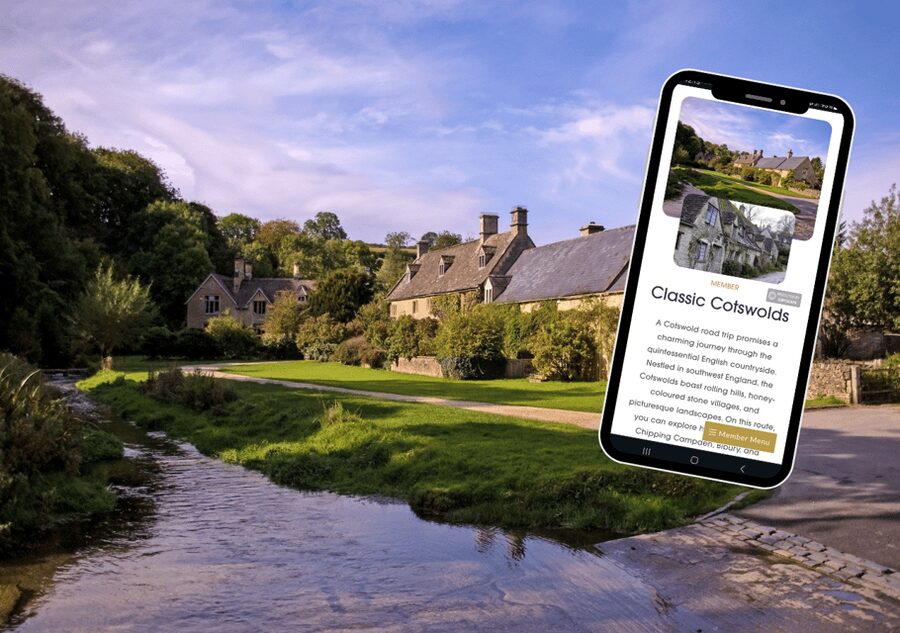
Reviewed · COTSWOLDS TOURS
Classic Cotswolds: Online Road Trip Travel Guide
The best thing about this Cotswolds guide is its flexible 183-mile route. Instead of forcing you through one fixed tour, it gives you five clusters of towns, villages, estates, river stops, valleys, and ancient sites to mix into a trip lasting roughly 3 to 14 days. You choose the pace, the overnight stops, and the places worth your fuel.
I like the 12 months of access, which gives you time to plan now and return to the guide before another visit. I also like the practical links, parking advice, and pre-populated Google Maps routes. The main drawback is clear: this is a planning guide, not live navigation, and its map system may feel awkward if you want to browse the whole region at a glance.
Key points at a glance
- 183-mile point-to-point plan: Connects 20 Cotswolds destinations into one broad road-trip idea.
- Five themed sections: Pick classic villages, country estates, riverside towns, western valleys, or less-visited historic sites.
- Good for different trip lengths: Use the suggestions for anything from about 3 to 14 days.
- Online access for 12 months: Read it on a phone, tablet, or desktop without downloading an app.
- Useful planning links: Find ideas for parking, getting there, places to stay, walks, and local sights.
- Best for independent drivers: You need your own transport, and you arrange all accommodation and activities yourself.
A Cotswolds road trip you can reshape
The Cotswolds are easier to enjoy when you give yourself room to wander. The villages look close together on a map, but narrow country roads, busy summer days, and the urge to stop often can stretch a simple drive into a full day.
This online guide helps by giving you a broad route rather than a rigid timetable. You can use the full 183-mile journey, or take one small section and save the rest for another visit. That matters because a short visit focused on Bourton-on-the-Water and Bibury feels very different from a week that adds estates, valleys, steam trains, and historic towns.
You receive access after booking through a separate guidebook account. The guide works through a website on your smartphone, tablet, or computer. There is no app to install, and you do not meet a guide at a starting point. The start date shown when booking is mainly an access date, not the beginning of a guided tour.
The practical value is in the structure. You can read about a destination, follow links for more detail, check suggested routes, and adapt the plan on your own device. You are still the driver and trip planner, but you do not have to begin with a blank sheet of paper.
More days out through the Cotswolds:
- From London: Full-Day Cotswolds Small-Group Tour
★ 4.8 · 4,665 reviews - From London: Cotswolds and Oxford Guided Day-Trip
★ 4.7 · 3,720 reviews - From London: Oxford and Cotswolds Villages Day Trip
★ 4.6 · 1,659 reviews
Five ways to divide the 20 destinations
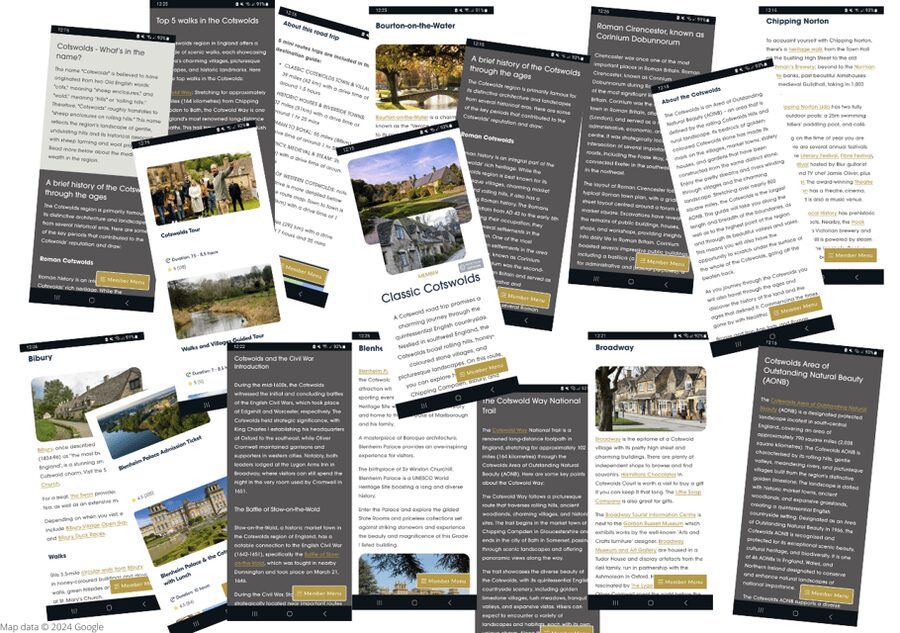
The guide is organised into five mini ideas, each built around a different side of the Cotswolds. That arrangement is more useful than a simple list of pretty villages because it lets you choose a mood for your trip.
The first group focuses on classic Cotswold towns and villages. These are the familiar places many first-time visitors want to see: Bourton-on-the-Water, Bibury, Castle Combe, Stow-on-the-Wold, Moreton-in-Marsh, Chipping Campden, and Winchcombe. They give you honey-coloured stone, old market squares, traditional inns, and well-known views.
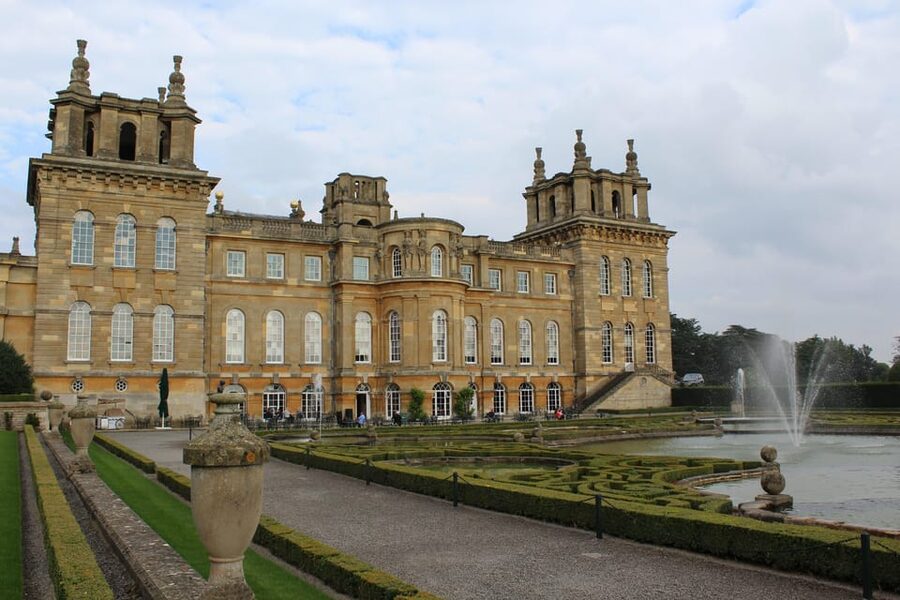
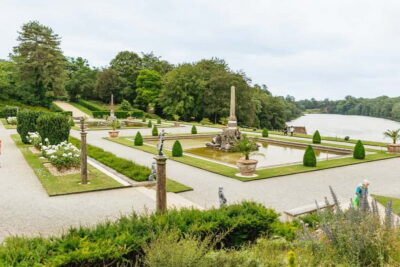
A second group covers country estates. Blenheim Palace, Highgrove House, and Snowshill Manor offer a change from village streets. These stops suit you if you want grand houses, gardens, and a stronger sense of how wealthy landowners shaped the region.
The third idea follows riverside places such as Fairford and Lechlade. These towns provide a gentler alternative to the most photographed villages. The guide also points you toward the story of the wool trade and medieval wool churches, so the trip is not only about taking pictures of stone cottages.
The western valleys section includes Stroud and Slad Valley, Berkeley and Severn Valley, plus a scenic driving route. This is useful if you want countryside roads and broader views instead of moving from one compact village centre to the next.
The final group reaches beyond the usual postcard circuit. You can consider ancient sites from the Neolithic to the Iron Age, walks in the Cotswolds AONB, Victorian steam trains, and Regency Cheltenham. These choices help you build a trip around history, walking, railways, or architecture rather than village-hopping alone.
Bourton-on-the-Water, Bibury, and the classic postcard circuit
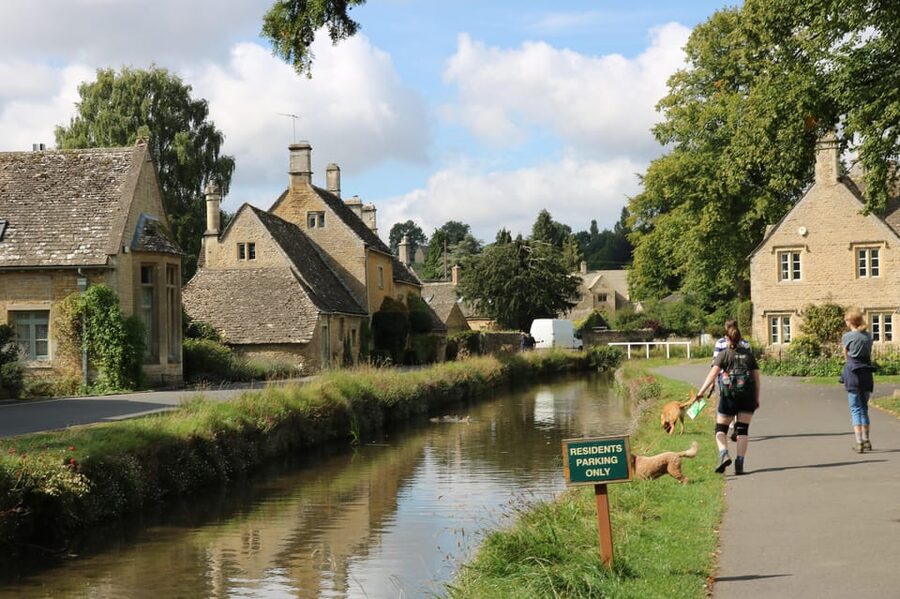
Bourton-on-the-Water is presented as the Venice of the Cotswolds, thanks to its low bridges and cottages along the water. It is an obvious first choice if you want the classic image of the region, though its popularity means you should treat it as one part of your day rather than the entire Cotswolds experience.
Bibury has a similar appeal. William Morris called it the most beautiful village in England, and the guide gives it a place among the essential stops. You can pair it with other nearby ideas, then decide how much time to give its cottages and riverside setting.
Castle Combe offers a different feel, with a medieval village character described as untouched by time. It is a strong choice for a short, atmospheric stop, especially if you want a place that feels compact and old rather than a larger market town.
Stow-on-the-Wold gives you more room to browse. Its historic market square, antique shops, and traditional inns make it a good base for a slower day. Moreton-in-Marsh adds another market-town option, with antique shops, cosy inns, and a long-running Tuesday market.
Chipping Campden deserves more than a quick photograph. Its golden stone buildings and Arts and Crafts heritage give it a distinct identity among the Cotswold towns. Winchcombe adds timber-framed houses, historic trails, and access to Sudeley Castle, making it useful for anyone who wants a town stop with more history built into the day.
The guide does not require you to visit all of these places. That is important. Trying to collect every classic village in a rushed trip can leave you with parking stress and little time to look around. I would use the suggestions to select two or three anchors, then add one smaller stop if the day allows.
Estates, wool churches, and the story behind the stone
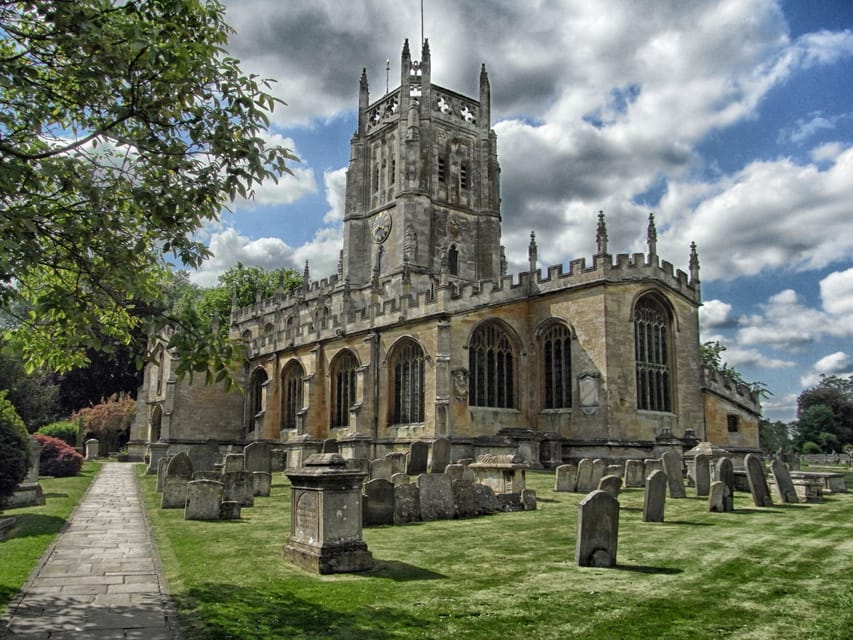
The country estates provide a welcome break from the narrow lanes and village centres. Blenheim Palace, Highgrove House, and Snowshill Manor are included as options, giving you a choice between grand architecture, gardens, and more personal historic interiors.
The guide also connects the villages to the wool trade. Cotswold prosperity grew from sheep and wool, and the medieval wool churches are a useful way to see that wealth in physical form. You are not simply driving between attractive buildings. You are following the economic story that helped create many of the towns you see today.
This historical thread makes the guide more valuable than a basic list of photo stops. If you enjoy context, you can use the links to read before setting out, then look for the signs of past trade in market squares, church buildings, and large stone houses.
Allow extra time for estate visits and churches if they are central to your interests. The guide suggests what to consider, but it does not book admissions, tours, or timed visits for you. You will need to check each attraction separately and fit it into your own route.
A few more Britain days worth weighing up
- Magical London: Harry Potter Guided Walking Tour
★ 4.7 · 22,044 reviews - London: Emirates Stadium Entry Ticket and Audio Guide
★ 4.7 · 5,513 reviews - Liverpool: City & Beatles Tour with Live Guide & Live Music
★ 4.8 · 5,249 reviews - Oxford: University and City Walking Tour with Alumni Guide
★ 4.7 · 4,429 reviews
Stroud, Slad, Berkeley, and the western valleys
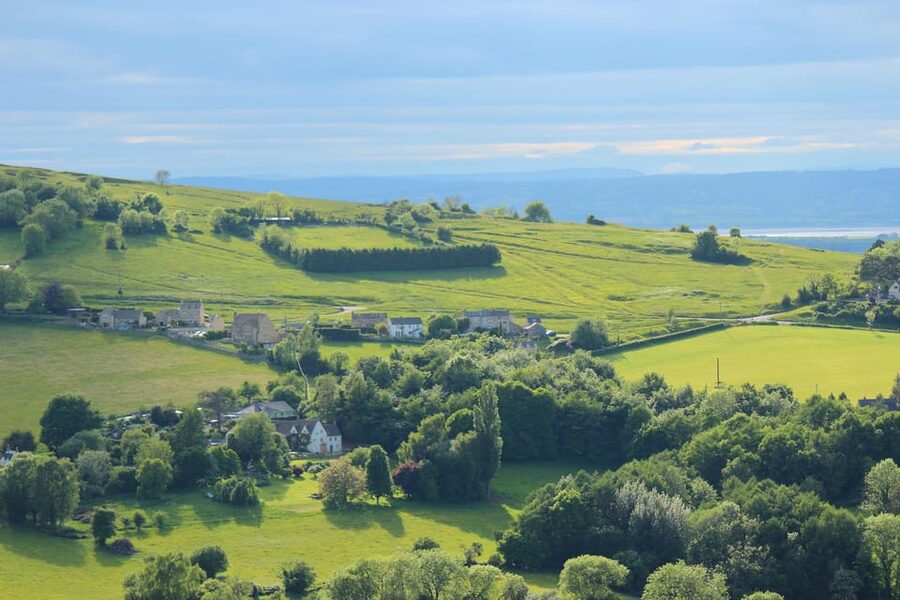
The western side of the region gives you a useful change of pace. Stroud and Slad Valley, along with Berkeley and the Severn Valley, are included in a scenic driving idea that focuses less on famous village centres.
This section will suit you if you enjoy the act of driving through the countryside as much as arriving at a landmark. It also gives your trip more balance. After several stops built around cottages, inns, and market squares, a valley route can make the journey feel broader and less repetitive.
The guide points to scenic drives, but it does not provide live navigation. You should treat the linked Google Maps as a suggested framework, then use your own navigation app for current road conditions and turn-by-turn directions. The pre-populated maps contain suggested pins and directions that you can view and adapt on your device, but the guide itself does not let you fully customise the route.
This is one area where preparation matters. Save the places you want before leaving your accommodation, especially if your phone signal is uncertain. The guide helps you decide what to see, but you remain responsible for the actual drive.
Fairford, Lechlade, Cheltenham, and the less expected stops
Fairford and Lechlade add riverside scenery and a different kind of town atmosphere. They are good choices if you want to step away from the most famous Cotswold villages or build a route around waterways and quieter stops.
Cheltenham offers Regency architecture and a more urban break from the small towns. It gives you a chance to see a different period and style of the region, rather than repeating the same stone cottage view all day.
The guide also includes Victorian steam trains. That option could be especially useful for families or for anyone who wants a day with a clear activity rather than a loose collection of village visits. Since no specific train timetable or booking service is included, check current operating dates before you commit the day to rail travel.
Ancient sites from the Neolithic to the Iron Age broaden the trip again. The information supplied does not promise a particular site-by-site walking plan, so use these references as prompts for further planning. You can choose them if archaeology interests you, but you should not expect the guide to replace a specialist history book or a detailed walking map.
Planning three days, seven days, or two weeks
The strongest feature here is the ability to scale the trip. For three days, choose one compact cluster and avoid trying to cover all 183 miles. A plan centred on Bourton-on-the-Water, Bibury, Stow-on-the-Wold, or Chipping Campden can give you a taste of the classic villages without turning every day into a long drive.
With five to seven days, you can combine classic towns with one estate, a riverside section, and a valley drive. Winchcombe and Sudeley Castle can add a historic day, while Cheltenham or a steam train offers a break from village sightseeing.
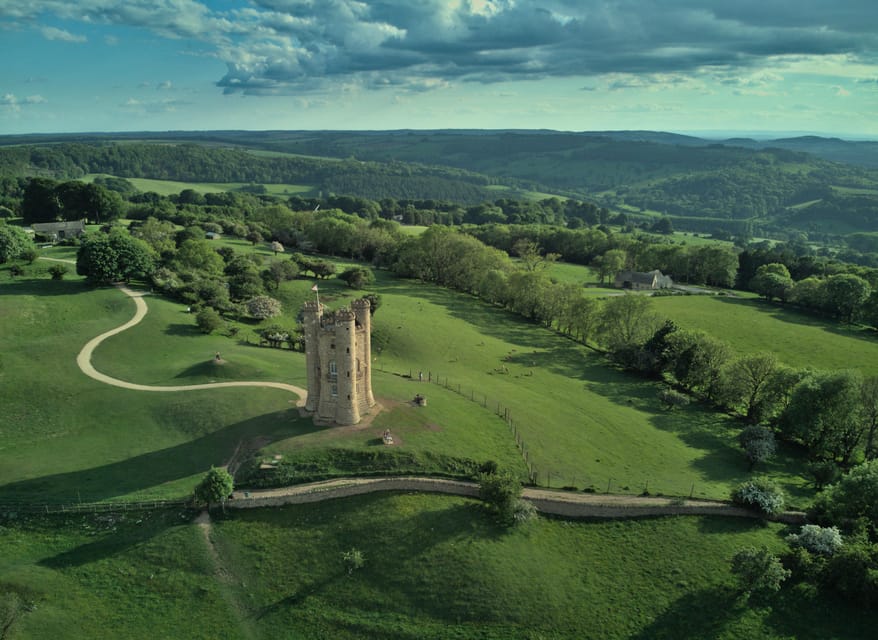
For up to 14 days, the full route becomes more realistic. You can take time over walks in the Cotswolds AONB, add the western valleys, visit more than one estate, and leave space for weather changes or unplanned stops.
I would not treat the suggested journey as a race. The Cotswolds reward short walks, quiet lanes, and time spent in a market square. The guide works best when you use its route ideas to protect your time, not when you try to complete every pin.
What the $17 price really buys you
At $17 per private group of up to seven, the price is modest if several people use the guide. It can cost less per person than a coffee and snack, while giving your group a year of access. The value rises if you are planning a multi-day holiday and want one place to collect destinations, links, route ideas, and practical notes.
The price is less compelling if you already know the Cotswolds well or prefer to build every route yourself. One person could also buy it and barely use it, which makes the low price irrelevant. The guide only pays off when you actually read it before and during your trip.
The 12-month access period is a real advantage. You can book well before your holiday, plan in stages, and return later if your first visit does not cover everything. It also suits people who may make more than one Cotswolds trip within a year.
The map limits you should understand before buying
The biggest practical issue is the online format. You click through destination information and links, then return to the map. If you want one simple, browsable map showing every option at once, this may feel clumsy.
The guide includes pre-populated Google Maps with suggested pins and directions, but it is not a live navigation tool. It does not automatically reroute you, and it does not provide a fully customisable route inside the guide. Use your own phone navigation for the drive itself.
It also does not arrange accommodation, activities, or transport. You need your own vehicle, and you must make your own bookings. If you are coming from Canada or another country and need detailed instructions from London to the Cotswolds, allow extra time to research that separately because transport information is not the guide’s strongest feature.
Bring a charged smartphone and travel insurance. Since there is no in-person guide, your phone is the key to accessing the information on the road.
Who will get the most from this guide
I would recommend it most to first-time visitors who want help shaping a self-drive holiday but do not want a fixed tour. It is also a good fit for families or private groups of up to seven, since everyone can use one account and choose the stops that suit them.
It works well for independent planners who enjoy making choices. You can focus on villages, estates, wool churches, ancient sites, walking, steam trains, or Regency Cheltenham. You can also return to the material during the 12-month access period.
I would be more cautious if you do not plan to drive, need step-by-step navigation, or want someone to handle hotel and attraction bookings. It is also not ideal if you need an easy visual map with instant search. In that case, pair it with a standard road map and your preferred navigation app.
Cancellation is available up to 24 hours before the booked date for a full refund, and you can reserve now and pay later. Just remember that you can access the guide on the booked date, so bring that date forward if you want to plan well before your holiday.
Should you book the Classic Cotswolds guide?
Book it if you want a flexible road-trip framework, especially if you are visiting for several days or travelling with a group. The combination of 20 destinations, five themed sections, suggested maps, and 12 months of access gives you a useful starting point for $17.
Skip it if you expect a guided experience, live directions, detailed public transport planning, or a fully customisable digital map. I would also avoid relying on it alone. Use the guide for ideas and structure, then confirm opening times, attraction bookings, parking, and current driving directions yourself.
For the right kind of traveller, this is a handy trip-planning tool. Its greatest strength is freedom. Its main weakness is that the freedom still requires you to do the final organising.
FAQ
Is this a guided tour with someone meeting me?
No. This is a self-guided online experience. You will not meet a guide, and any stated starting point is for illustration only.
How long do I have access to the guide?
You receive one account licence with 12 months of access. You can use it on a smartphone, tablet, or desktop through the website.
Do I need my own car?
Yes. You need your own transport to visit the suggested destinations and create the self-drive trip.
Can I customise the suggested route?
The guide itself is not customisable, but each route includes pre-populated Google Maps with suggested pins and directions. You can view and adapt those maps using your own device.
Does the guide provide live navigation?
No. It provides suggested routes, destination information, links, and planning tips, but it does not provide live navigation.
Does the price include hotels, activities, or transport?
No. The online guidebook does not book or arrange accommodation, activities, or transport on your behalf.
Just added around Britain
- London: Wimbledon Tennis Club and Westminster Walking Tour★ 4.5 · 86 reviews
- London: Westminster to Richmond River Thames Cruise★ 4.8 · 23 reviews
- Winchester: Historic Castles and Cathedrals Walking Tour★ 4.9 · 154 reviews
- Westminster Abbey Skip-the-Line Entry and Private Tour★ 4.6 · 4 reviews
- Best of London by LE GRAND – London’s Luxury Bus Tour★ 4.2 · 23 reviews
- Whitby: Guided Distillery Tour with Gin Tasting★ 5.0 · 28 reviews
- London: Westminster Walking Tour & St Paul’s Cathedral Entry★ 4.7 · 7 reviews
- Warwick: Entry Ticket for Warwick Castle★ 4.7 · 215 reviews
Cotswolds Tours, compared.





Oxford, Stratford, Cotswolds, and Warwick Day Trip
Read our review →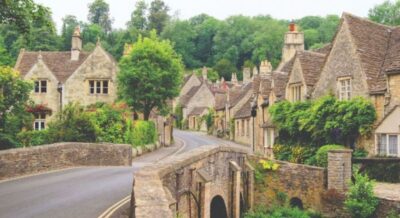
Browse the lists this tour appears in