

Reviewed · CORNWALL TOURS
Cornwall: Online Road Trip Travel Guide
Cornwall’s best feature is its variety. In 212 miles, this online road-trip guide links beaches, harbour towns, castles, moorland, art, food, and film locations into one flexible plan. You can begin in Bude, finish in St Ives, or use only the sections that fit your holiday.
I like the 25 destination ideas, which save you from assembling a Cornwall trip from scattered searches. I also like the 12-month access, since you can plan now and travel later. The main catch is simple: this is not live navigation or a guided tour, so you need your own vehicle and must handle bookings, driving, parking, and entrance fees yourself.
Key points at a glance
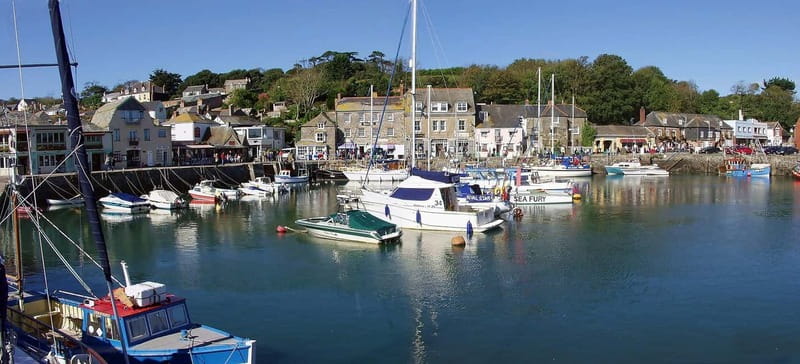
- 212-mile point-to-point route: A broad plan connects Bude, St Ives, South Cornwall, and Central Cornwall.
- 25 places to choose from: Pick the towns, sights, walks, beaches, and heritage stops that match your interests.
- Two main guide sections: Follow Bude to St Ives, then explore South and Central Cornwall, including Bodmin and Truro.
- Useful Google Maps links: Suggested pins and section-by-section directions help you turn ideas into a workable drive.
- Good for 3 to 14 days: The guide gives sample ways to shape a short break or a longer holiday.
- Digital access for 12 months: Read it on your phone or computer with no app or download required.
A Cornwall road trip without the planning tangle
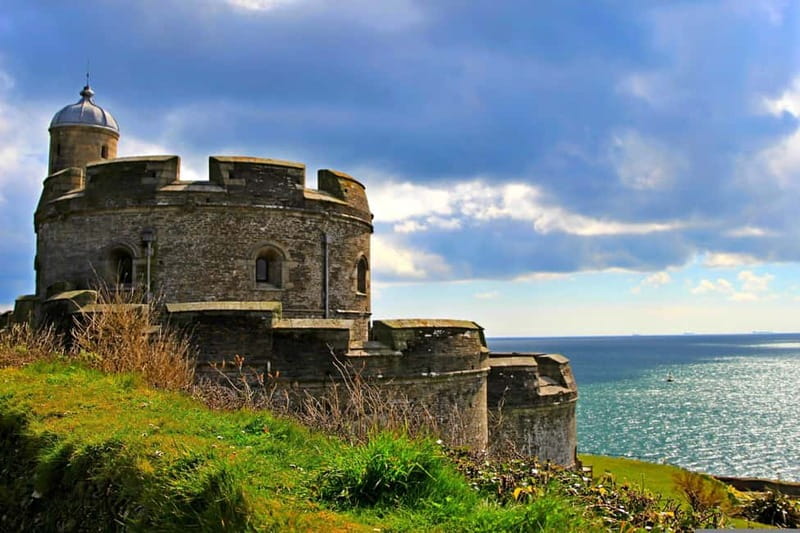
Cornwall is easy to admire and surprisingly easy to plan badly. The coast is broken into many separate corners, roads can take longer than the map suggests, and the most appealing places are spread across the county. A guide that joins them into a single route can save you hours of sorting.
This experience is a digital book rather than a driver, guide, or booked package. You open it online, browse the suggested route, and decide what belongs in your own trip. That distinction matters. You are buying ideas and structure, not transport or admission to attractions.
The route covers 212 miles, or 340 kilometres, and points you toward 25 key destinations. You can use the whole plan for a multi-stop holiday, or simply borrow a few stops for a weekend based in one part of Cornwall.
The guide is arranged into two broad sections: Bude to St Ives, and South and Central Cornwall, including Bodmin and Truro. That layout gives you a sensible way to think about the county rather than treating every place as an isolated day trip.
A few more Britain days worth weighing up
- Cornwall: Eden Project Entry Ticket
★ 4.4 · 495 reviews - Penzance: Land’s End Boat Tour with Wildlife Guides
★ 5.0 · 127 reviews - Newquay: Coasteering
★ 4.9 · 21 reviews
Bude to St Ives: the northern stretch
Bude is a natural starting point for the northern section. The guide presents the route as a point-to-point journey, so Bude gives you a clear opening before you work toward St Ives. You might begin here if you are arriving from elsewhere in South West England, but the stated starting points are illustrative rather than fixed.
As you move through the northern part of the plan, the emphasis is on coast, coves, legends, and big sea views. The South West Coast Path appears as one of the main ways to experience Cornwall. You are not being led on a walk, but the guide can help you decide where a coastal stroll belongs in your driving schedule.
Godrevy Lighthouse is one of the named coastal ideas. It offers the sort of place many people want from Cornwall: an unmistakable coastal landmark, open views, and a strong sense of place. The guide also points toward hidden coves and mystical Cornish caves, giving you options beyond the best-known beaches.
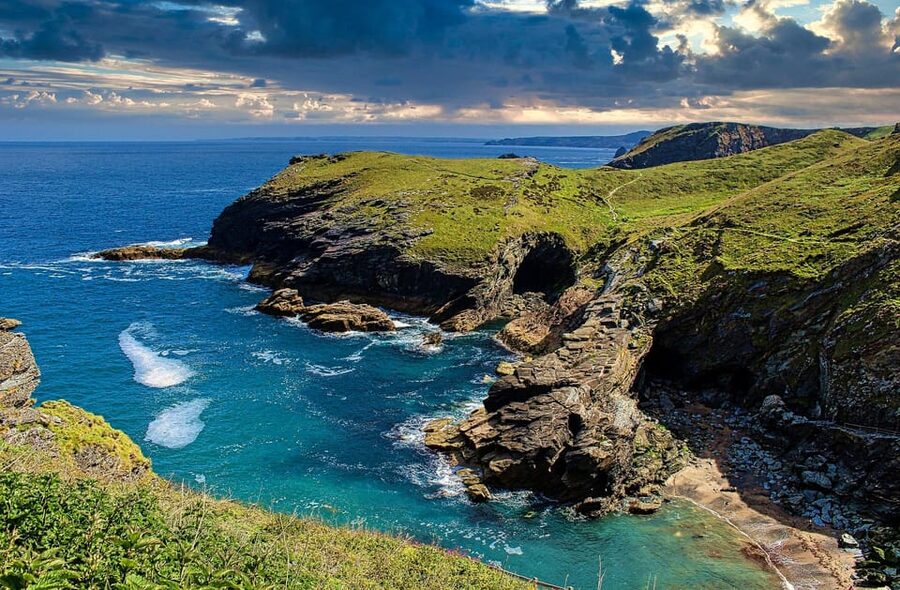
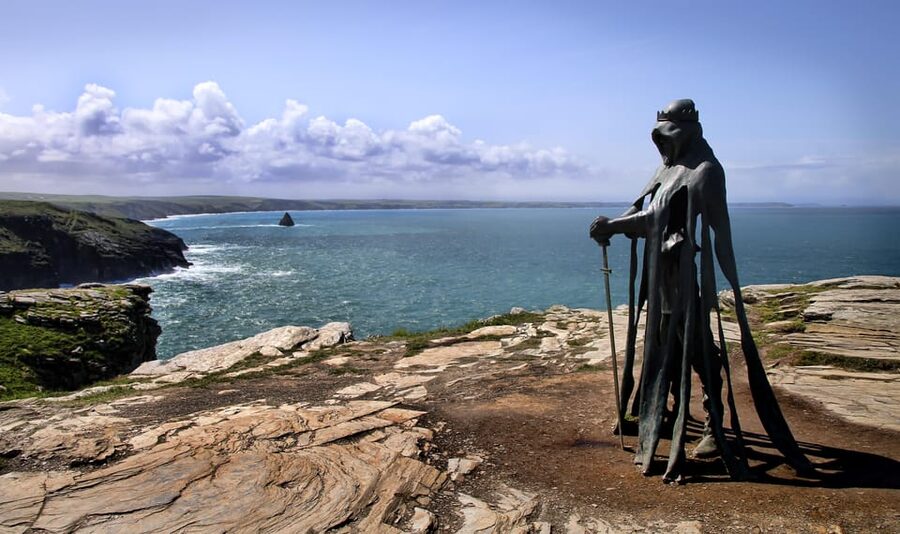
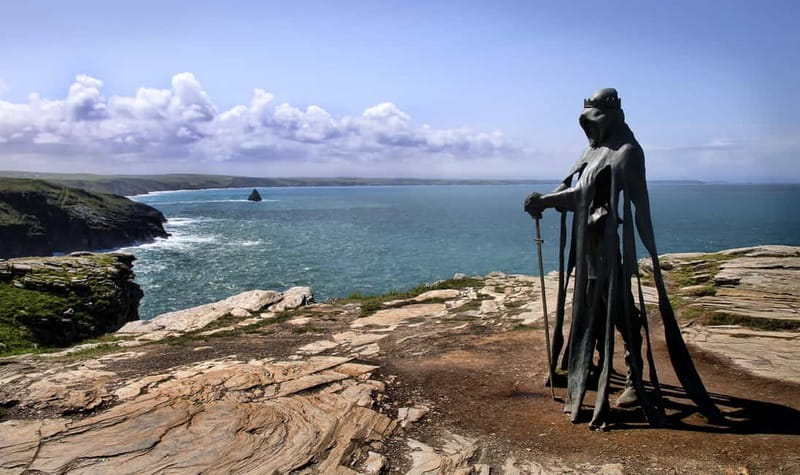
Tintagel is another major heritage stop. It is listed alongside Cornwall’s castles and historic sites, making it a good choice if you want old stories and dramatic coastal scenery in the same outing. You should check practical details for each attraction yourself, since entrance tickets and activity arrangements are not included.
The Poldark locations add a different angle. Instead of visiting only for scenery or architecture, you can use the guide to connect places with the BBC series. That can make familiar-looking coastlines more meaningful if you enjoy screen locations, while it remains easy to skip if television history is not your interest.
St Ives gives the northern section a strong finish. It is known here for beaches, art galleries, and colourful seaside character. You can use it as the end of the full northbound route, or treat it as one destination among several if you prefer a slower trip with fewer base changes.
St Ives, Penzance, and the western coast
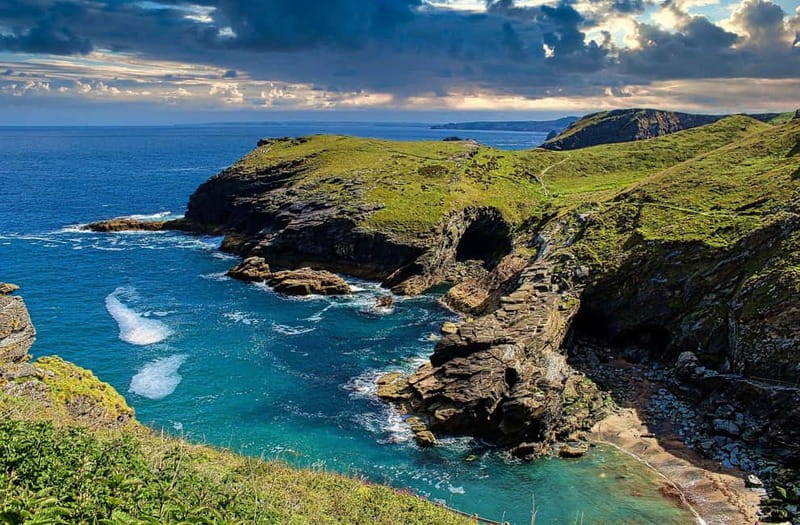
St Ives is likely to appeal most if you want a mix of beach time and art. The guide does not force you into a fixed schedule, so you can give the town a full day or use it as one part of a longer western Cornwall stay.
Penzance brings a different mood. Its historic promenade and harbour views make it a useful stop for people who enjoy coastal towns rather than only isolated viewpoints. You might pair it with other western destinations, using the section links to build directions that fit your accommodation and available time.
The guide also includes St Michael’s Mount, one of Cornwall’s most recognisable heritage attractions. Its inclusion helps connect the western coast with the castles and historic sites in the wider plan. Remember that the guide supplies ideas and route help, not a ticket or a confirmed visit, so attraction planning remains your job.
The Minack Theatre is another named stop. It adds culture and a memorable setting to a route otherwise centred on coast, towns, and historic sites. If you are trying to build a trip with more than beaches, this is exactly the sort of suggestion that makes the digital guide useful.
The western section can become crowded with possibilities. St Ives, Penzance, St Michael’s Mount, the Minack Theatre, coastal sites, and Poldark locations could easily fill several days. I would avoid treating every pin as an obligation. Choose a few anchors, then leave room for weather, meals, walks, and the slower pace that makes a road trip enjoyable.
Falmouth, Truro, and South Cornwall
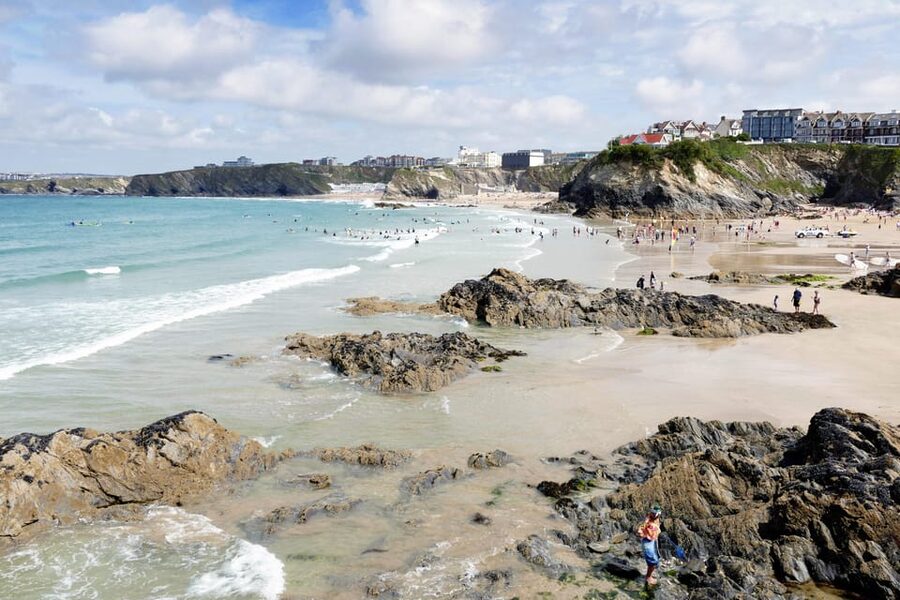
Falmouth is presented as a maritime town with beaches, a harbour, and naval history. That combination gives you a break from the more rugged coastal stops. It is a useful choice if you want a town with several kinds of interest in one place, rather than another viewpoint followed by another drive.
Truro is Cornwall’s only city and offers a change of scale. The guide highlights its cathedral, galleries, and Georgian charm. I would place Truro into your plan if you want architecture, culture, and city streets between coastal outings.
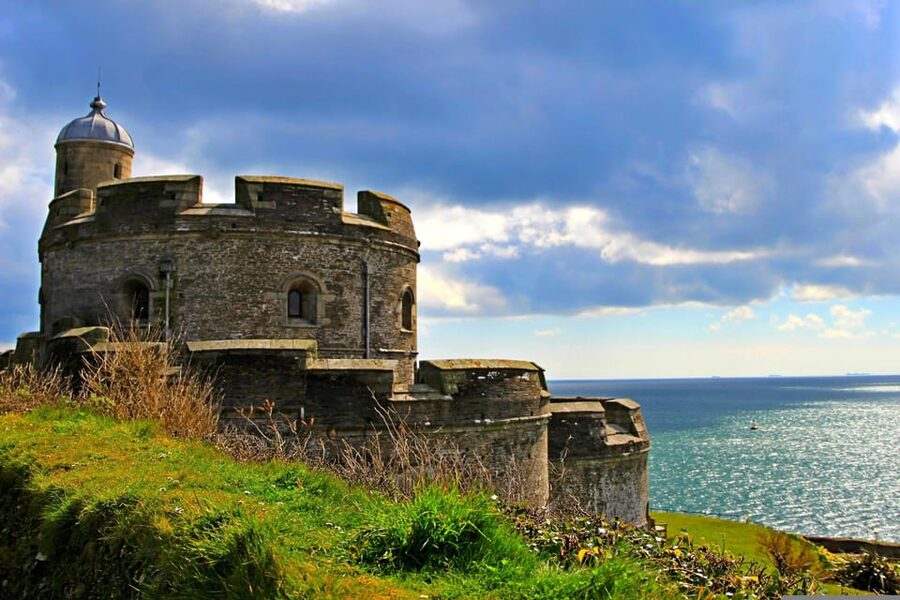
South Cornwall includes several named heritage choices. Pendennis Castle and St Mawes Castle give the route a strong historic thread, while Falmouth ties those sites to Cornwall’s maritime identity. You can decide if you want to visit both castles or use one as your main historic stop.
The value of this section is its range. You might spend part of the day in a city, continue to a harbour town, and then choose a castle or beach. That mix works well for couples and families with different interests, since not every stop asks you to do the same kind of thing.
The drawback is that the guide cannot decide how much time you need at each place. A destination list can look manageable on screen but become demanding once you add parking, meals, opening times, and road travel. Use the sample three to 14-day frameworks as a starting point, not as a promise that every stop will fit comfortably.
Same city, a completely different sort of afternoon:
- London: The London Eye Entry Ticket
★ 4.6 · 35,875 reviews - From London: Harry Potter Warner Bros Studio Tour
★ 4.7 · 26,588 reviews - London: Westminster to Greenwich River Thames Cruise
★ 4.5 · 22,836 reviews - Magical London: Harry Potter Guided Walking Tour
★ 4.7 · 22,044 reviews
Bodmin and Central Cornwall
Bodmin and Bodmin Moor give the route an inland counterpoint. The guide highlights mining heritage, wild moorland, and hidden stories, so this section is for you if Cornwall means more than seaside towns.
Bodmin is also specifically included in the South and Central Cornwall section. That helps break up the coastal route and gives you a reason to travel through the middle of the county instead of tracing the shore from one end to the other.
Bodmin Moor is particularly useful for a varied trip. The word moorland signals a more open setting than the harbour towns and beaches, while the mining heritage adds a human story to the area. The supplied information does not set out a detailed walking plan, so you should use the guide for inspiration and check conditions and practical details before setting off.
This inland section may suit you if you are interested in old industries, open country, and lesser-known stories. It may be less appealing if your only goal is uninterrupted time beside the sea. The flexible format lets you make that choice without losing access to the rest of the route.
What the digital guide actually gives you
The guide is designed to work like an online book. You read and browse it at home, then use it on your phone during the trip. No app is required, and there is nothing to download.
Each destination offers ideas about what to see, along with suggestions for where to stay, how to get there, and where to park. Those details are practical because Cornwall’s appeal often depends on linking several places in one day or choosing the right base for a particular group of stops.
The guide also includes suggested routes and pre-populated Google Maps with pins and directions. You get customisable directions by section, which means you can adjust the directions around your own starting point and chosen destinations.
There is an important limit. The guide itself is not customisable, and it does not provide live navigation or let you redesign the complete route inside the guide. Think of it as a planning tool that hands you useful map links, not as a replacement for Google Maps or a navigation system.
You also need a separate account for the guide. After booking, you receive a web link to create it, using a valid email address and password. This account is separate from your GetYourGuide login, so keep that distinction in mind when you start planning.
Building a three-day, seven-day, or 14-day trip
For three days, I would not try to cover all 25 destinations. Use one part of the route, choose a small number of anchor stops, and let the guide help you fill the gaps. A short break works best when you accept that some places will remain for another visit.
A week gives you more room to combine sections. You could use the northern route toward St Ives, then add selected western or southern sites. The guide’s sample combinations are valuable here because they show how several destinations can fit together without requiring you to build the whole plan from scratch.
Fourteen days gives the route breathing space. You can include inland Bodmin and Bodmin Moor, allow more time for Falmouth and Truro, and make room for castles, coastal walks, and Poldark locations. Even then, I would keep the route selective rather than trying to collect every pin.
The 364-day validity is one of the strongest practical features. You have 12 months from first activation, so the guide can serve as a planning aid long before your holiday. Bookings should be made with that timing in mind, since access begins on the date selected for the activity and you are advised to bring the date forward if you want to plan immediately.
Price, transport, and the real value
At $17 per group of up to seven people, the price is low if you are travelling with family or friends. Split between seven people, it costs very little per person, and the 12-month access gives you time to use it for careful planning.
The value is not in included attractions. Food, drinks, transport, accommodation, travel costs, and entrance fees are all separate. You are paying for a ready-made framework, destination ideas, map links, and planning time saved.
For a solo visitor, the price is still reasonable if you want a single place to organise the trip. For a large group, it becomes especially attractive because one account covers up to seven people. The guide is less useful if you already know Cornwall well, have a fixed route, or prefer to research every stop independently.
You need your own vehicle, a charged smartphone, and travel insurance. No one meets you in person, and no designated meeting point applies. You choose where to begin and end, which is convenient, but it also means every driving decision is yours.
Who will get the most from this guide
This suits independent visitors who want structure without joining a group. You can follow the suggested journey, skip places that do not appeal, and choose your own accommodation and meals.
It is also a good fit for first-time Cornwall visitors who feel unsure how the main towns, heritage sites, coast, and inland areas connect. The section layout gives you a starting point and reduces the need to compare dozens of separate web pages.
Families and mixed-interest groups may appreciate the range of suggestions. One person can prioritise beaches, another can choose castles, and someone else can add Truro, galleries, or Poldark locations.
You should think twice if you expect a guided experience. There is no guide, no live support stated during the route, and no arrangements made for accommodation or activities. You are in charge from the moment you open the map.
The overall rating provided for the experience is 3.9 from 20 reviews, while the only detailed comment supplied was a brief four-star response praising everything. That offers limited detail about the day-to-day usefulness of the guide, so I would judge it mainly by its format and by how much planning help you need.
Small practical choices that improve the trip
Start by choosing your trip length. The guide works best when you decide first if you have three, seven, or up to 14 days, then select destinations rather than trying to fit the entire county into a fixed schedule.
Use the pre-populated Google Maps for orientation, but do not treat the guide as live navigation. Check your route separately, keep your phone charged, and allow time for parking and stops.
Pick a few major themes before you begin. A coast and beach trip will look different from a castles and Poldark trip, while a plan built around Truro, Falmouth, and galleries will need a different rhythm.
Leave gaps. The guide is designed to inspire your perfect visit, not to make every stop compulsory. Cornwall rewards a plan that has room for a longer walk, a slow meal, or a change caused by weather.
The guide also has free cancellation up to 24 hours in advance and a reserve-now, pay-later option. Those terms are useful if your dates are still shifting, but they do not remove the need to organise your own vehicle and bookings.
Should you book the Cornwall online road trip guide?
Book it if you want a low-cost planning tool that joins 25 Cornwall destinations into a 212-mile route and gives you a year to prepare. It is particularly good for first visits, groups sharing one plan, and independent drivers who want ideas without a fixed tour schedule.
Skip it if you want a person in the car, live route changes, booked accommodation, or included entrance tickets. The guide gives you the map and the suggestions, but you supply the driving, decisions, and spending.
For most self-drive visitors, the best approach is to use it as a framework, not a rulebook. Choose the places that fit your interests, keep the route flexible, and let Cornwall’s coast, towns, castles, moorland, and stories shape the holiday at your own pace.
FAQ
What is included in the Cornwall online road trip guide?
You receive an online destination guidebook, a suggested route, ideas for 25 destinations, Google Maps links, planning tips, and one account licence with 12 months of access.
How long is the suggested Cornwall route?
The route covers 212 miles, or 340 kilometres, across Cornwall.
How many people can use one booking?
The price covers one private group of up to seven people.
Is this a guided tour?
No. It is a self-guided online experience. No guide meets you in person, and there is no designated meeting point.
Do I need my own vehicle?
Yes. You need your own transport to visit the suggested destinations.
Can I customise the guidebook?
The guidebook itself is not customisable. It does include pre-populated Google Maps with suggested pins and directions, plus customisable directions by section using Google Maps.
Does the guide provide live navigation?
No. It does not provide live navigation or allow you to customise the complete route within the guide.
How long can I use the guide?
You receive access for 12 months, or 364 days, from first activation.
Are attractions, food, and accommodation included?
No. Entrance fees, activities, food, drinks, accommodation, transport, travel costs, and related expenses are not included.
Just added around Britain
- London: Wimbledon Tennis Club and Westminster Walking Tour★ 4.5 · 86 reviews
- London: Westminster to Richmond River Thames Cruise★ 4.8 · 23 reviews
- Winchester: Historic Castles and Cathedrals Walking Tour★ 4.9 · 154 reviews
- Westminster Abbey Skip-the-Line Entry and Private Tour★ 4.6 · 4 reviews
- Best of London by LE GRAND – London’s Luxury Bus Tour★ 4.2 · 23 reviews
- Whitby: Guided Distillery Tour with Gin Tasting★ 5.0 · 28 reviews
- London: Westminster Walking Tour & St Paul’s Cathedral Entry★ 4.7 · 7 reviews
- Warwick: Entry Ticket for Warwick Castle★ 4.7 · 215 reviews
Cornwall Tours, compared.


Penzance: Land’s End Boat Tour with Wildlife Guides
Read our review →
Newquay: 2 hour Surf Experience – For Beginners/Improvers
Read our review →


Rounding Cornwall Boat Trip Experience. (Departing Penzance)
Read our review →
Browse the lists this tour appears in