Reviewed · TOURS
Dark Durham Tour
Durham’s famous cathedral and castle look peaceful from Palace Green. This tour shows you the less polished side of the city: prisoners who escaped, people who met the gallows, burial grounds lost beneath later streets, and ghosts said to linger under Elvet Bridge. The stories are grim, but the walk is lively, with Durham’s grand architecture as the backdrop.
I like the way guide Peter, a geography teacher with four years of tour experience, connects the city’s shape to its past. I also like the route’s mix of fact, folklore, and local tips, including suggestions for bars, restaurants, bargain pints, and local brews. The main drawback is physical: Durham is hilly and has many steps, and you do not enter any buildings.
Key things to know before you book
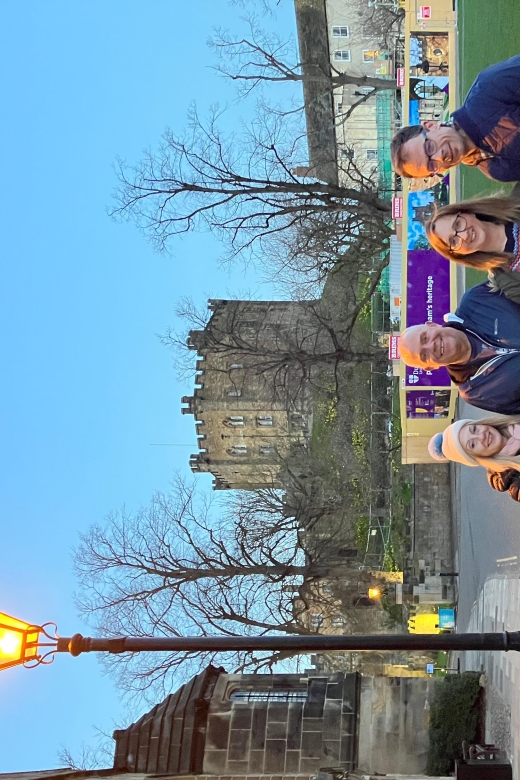
- A darker look at familiar sights: The castle, cathedral, bridges, and market streets take on a different character when linked to prisons, executions, ghosts, and rebellion.
- Guide Peter brings local detail: His background as a geography teacher helps connect Durham’s streets and slopes to its human stories.
- The route covers major city landmarks: You walk from the Market Place through Framwellgate Bridge, the cathedral area, Palace Green, Kingsgate, Durham Crown Court, Old Elvet, and Elvet Bridge.
- The finale is beneath Elvet Bridge: The final tales concern former occupants of the city, including some who are still believed to remain nearby.
- This is an outdoor walk: The tour lasts 90 minutes, and no buildings are entered.
- Good value at $24: The price is reasonable if you want an entertaining introduction to Durham’s unusual past rather than a standard sightseeing circuit.
Why Durham’s dark side works so well
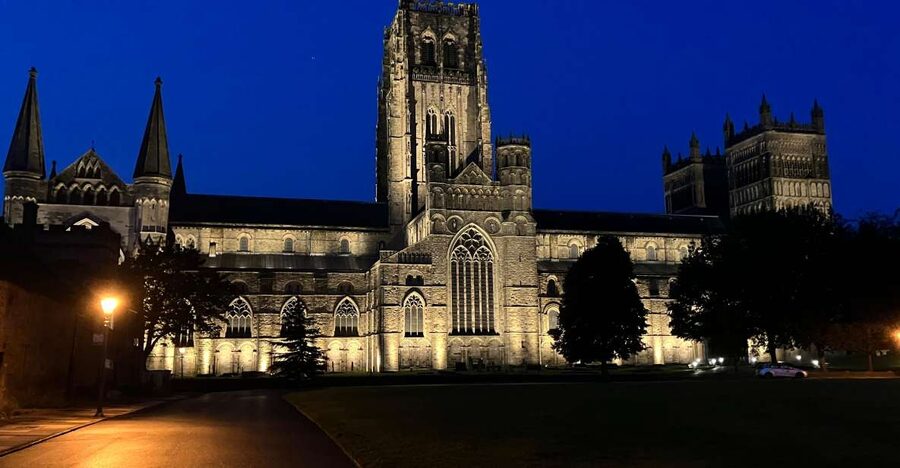
Durham is an ideal setting for a grim-history walk. Its steep streets, narrow bridges, old pubs, castle walls, and cathedral towers already give the city a dramatic feel. Add stories of dungeons, executions, burial grounds, and restless spirits, and ordinary corners become much easier to remember.
This is not just a ghost walk. The route also explores social history, including coal mining and the harsher parts of daily life in the city. That balance matters. You get folklore and supernatural tales, but you also hear about institutions, crime, punishment, religion, and the people who lived and died here.
I especially like the way the walk uses well-known landmarks. You are not sent off to obscure corners with little to see. The route keeps bringing you back to Durham’s best views, including the cathedral and castle on Palace Green. The architecture gives the tour a strong visual setting, even when the subject turns bleak.
The rating is 4.9 from 19 reviews, with praise focused on Peter’s friendly manner, clear explanations, and entertaining delivery. One local participant found out new stories about places seen many times before. That is a useful sign for both first-time visitors and people who already know Durham’s centre.
Other days out around Britain people book alongside this one:
- London: The London Eye Entry Ticket
★ 4.6 · 35,875 reviews - From London: Harry Potter Warner Bros Studio Tour
★ 4.7 · 26,588 reviews - London: Westminster to Greenwich River Thames Cruise
★ 4.5 · 22,836 reviews
Starting at the Man on the Horse
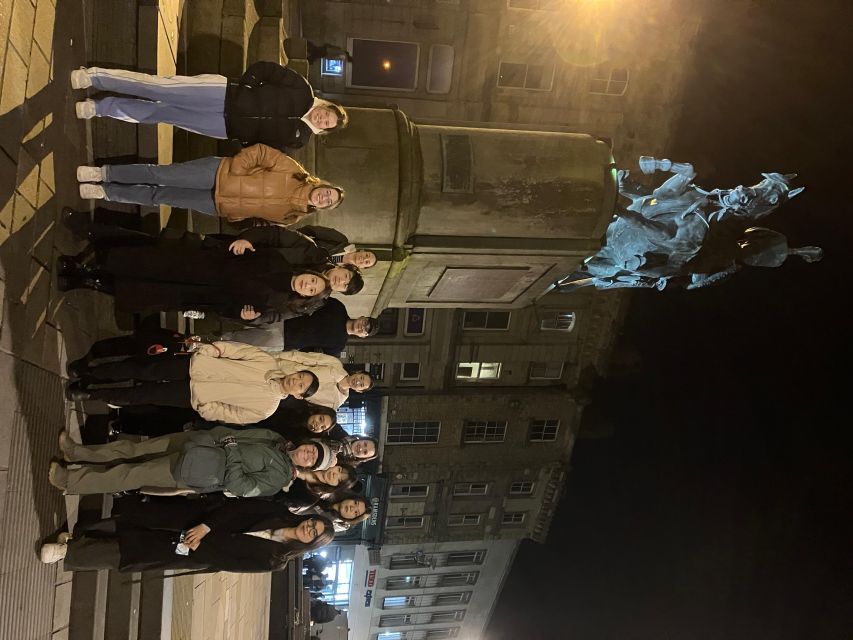
Meet at the Man on the Horse statue in the middle of the Market Place. The meeting point is easy to find, and starting here gives the tour a useful opening: Durham’s darker social history begins in the centre of ordinary city life rather than in a remote castle chamber.
The Market Place section looks at coal mining and hidden cemeteries. These subjects widen the tour beyond the familiar tales of kings and ghosts. You get a sense of how work, death, and urban growth shaped Durham, along with reminders that parts of the city’s past are not always visible from the pavement.
This is a good place to arrive a little early and get your bearings. The walk begins on time, according to the practical feedback available, and the group then moves through the city on foot. Since no buildings are entered, there is no indoor stop where you can sit down or escape bad weather.
Framwellgate Bridge and the brutal Norman period
From the Market Place, the walk reaches Framwellgate Bridge. Here, the focus shifts to escaped prisoners and the Prince Bishops during Durham’s early Norman period.
The bridge is more than a crossing point. It gives the guide a natural place to explain power, control, and movement through the medieval city. Stories of prisoners escaping sit beside tales of the Prince Bishops, whose authority shaped Durham for centuries. The result is a section that feels less like a collection of spooky anecdotes and more like a look at who controlled the city, who was confined, and who tried to get away.
You should expect the guide to tell the stories in an accessible way rather than present a formal lecture. Peter’s style is described as friendly, interactive, and easy to chat with, which helps if you like asking questions as you walk. One participant specifically appreciated having questions answered during the tour.
Durham Cathedral and the dungeon below
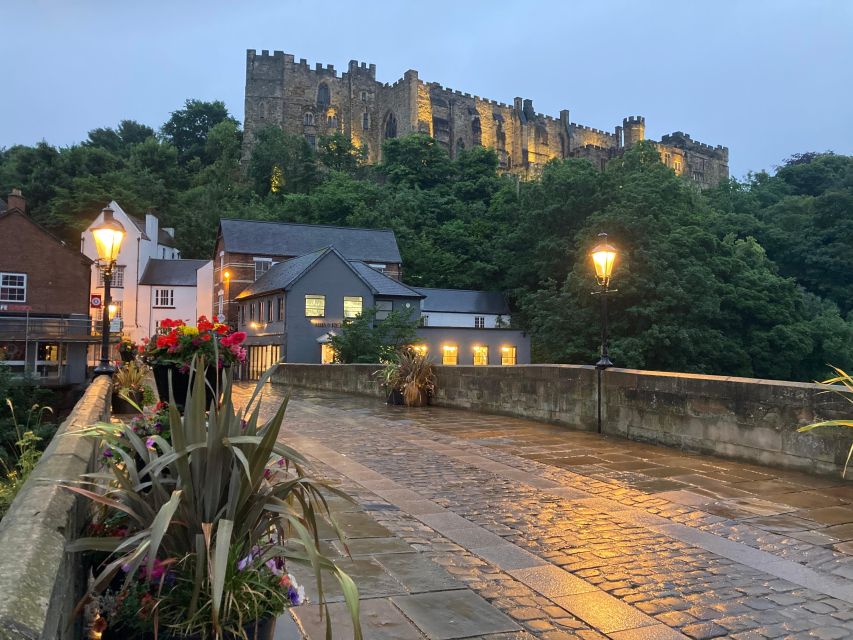
Durham Cathedral provides one of the most striking settings on the route. Its scale and age give the stories about saintly miracles a powerful backdrop, while tales of the dungeon beneath the cathedral add a much darker edge.
The contrast is the point. Durham’s cathedral is usually presented through its beauty, religious importance, and famous views. This walk asks you to consider what could happen beneath such a grand building. The tour also brings in miracles connected with saints, so the stop moves between devotion, fear, and the stories people used to explain extraordinary events.
You do not go inside the cathedral. That is important when judging the tour. You see the building from outside and hear the stories in its setting, but this experience is not a substitute for a cathedral visit. If you want architectural details, interior art, or a longer discussion of the building itself, allow separate time for that.
Still, the outdoor approach has a benefit. You can take in the cathedral as part of the wider city, with the guide linking it to the streets, bridge routes, and places of punishment around it. The experience is about Durham as a whole, not one isolated monument.
Same city, a completely different sort of afternoon:
- Magical London: Harry Potter Guided Walking Tour
★ 4.7 · 22,044 reviews - London: Madame Tussauds London
★ 4.6 · 20,915 reviews - London: Warner Bros. Studio Tour with Transfers
★ 4.7 · 17,586 reviews - Edinburgh: Loch Ness, Glencoe & the Scottish Highlands Tour
★ 4.6 · 17,446 reviews
Palace Green, ghosts, and the best views
Palace Green is likely the visual high point of the walk. From here, you can see the UNESCO World Heritage site formed by Durham Castle and Cathedral, while hearing about ghosts from the castle, medieval burial grounds, deadly rebellion, and modern miracles.
This is where the tour’s different threads come together. The view is grand, but the stories remind you that the area has also been linked with death, conflict, and belief. Medieval burial grounds bring the physical remains of the past into the discussion. Rebellion adds political danger. Ghost stories and modern miracles show that Durham’s unusual tales did not end in the Middle Ages.
I like this stop because it gives you time to look while listening. Some dark-history walks rush from one tale to the next. Here, the castle and cathedral provide a strong pause in the route, and the setting makes the information easier to place.
If you are taking photographs, Palace Green is the obvious point to have your camera ready. Just remember that this remains a walking tour, not a photography stop. The guide needs to keep the route moving within the 90-minute time limit.
Kingsgate and a divisive slice of the 20th century
At Kingsgate, the subject turns to the gruesome story behind the site’s name. The surroundings also offer a look at divisive 20th-century architecture.
That combination is useful because it keeps the tour from becoming trapped in medieval Durham. You hear an older, unpleasant story, then encounter a more recent part of the city that has prompted strong opinions for a different reason. The stop shows how Durham’s character was shaped not only by ancient stone and religious buildings, but also by modern changes that some people admire and others dislike.
The phrase divisive architecture suggests that this section may appeal to people who enjoy cities as living places rather than preserved museum pieces. You are encouraged to notice how different periods sit side by side. The tour’s geography angle is helpful here, since the route itself shows how Durham changes as you move between historic and modern areas.
Durham Crown Court and the old prison
The stop at Durham Crown Court deals with one of the tour’s harshest subjects. Durham’s prison is 200 years old and has held some of England’s most infamous criminals. Here you hear about how prisoners exercised, how some escaped, and how executions took place.
This section should suit anyone interested in crime and punishment, though it may be too grim for young children or anyone who prefers lighter sightseeing. The subject is not treated as a vague haunted-prison story. It includes practical details about prison life, escape attempts, and execution, giving the place a human and institutional context.
The presence of the court also sharpens the contrast between historic and modern justice. Durham’s systems of law and punishment changed over time, but the basic questions remain familiar: who is confined, who decides the penalty, and how does a city remember those events?
You should also expect outdoor storytelling rather than a visit inside the prison or court. There is no access to prison rooms, cells, courtrooms, or exhibits as part of this experience. If you want an indoor prison tour, this is not the right product.
Old Elvet and the city’s oldest pub
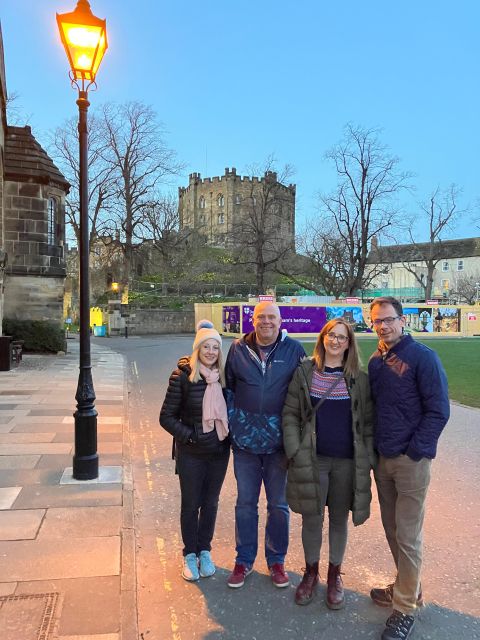
Old Elvet brings the route to the oldest pub in the city. It is described as a place where locals could enjoy a day out and watch a hanging from the gallows, a grim reminder that public punishment was once part of everyday entertainment.
This stop is effective because it puts a hard fact beside a familiar social setting. Pubs suggest food, drink, conversation, and local life. The gallows story shows how close those ordinary pleasures once sat to public death. Durham’s past was not separated into neat areas for work, worship, drinking, and punishment.
The stop also helps explain why the tour feels different from a basic ghost walk. The dark material comes from social customs and public life as well as from spirits. You hear about how people behaved, what they gathered to watch, and how the city’s streets were used.
Peter also offers local suggestions for bars and restaurants, including places to find bargain pints and local brews. That is a useful extra if you are staying in Durham for the evening, although those recommendations are separate from the tour itself.
Elvet Bridge and the final ghost stories
The tour ends beneath Elvet Bridge, with tragic tales about former occupants of the city. Some are still believed to be around today, so the final section returns to ghosts after the walk has covered prisons, executions, rebellion, burial grounds, and religious stories.
Ending under a bridge is a smart choice. It feels enclosed and atmospheric without requiring entry to a building. The setting gives the final stories a natural sense of closure, and it brings the route back to the city’s bridges, which have already played a role in the earlier tales of movement and escape.
The ending also leaves you near Old Elvet, where you can continue on for food or a drink. Since the tour lasts 90 minutes, an early evening departure could work well with dinner afterward. The available details do not give fixed start times, so you need to check the date you want to see which departures are offered.
The walking effort, timing, and value
At $24 per person, this is a fair price for a 90-minute guided walk through Durham’s central sights. You are paying for a live English-speaking guide, a clear route, local stories, and the chance to understand places you might otherwise pass without a second thought.
The value is strongest if you enjoy storytelling. You are not paying for admission to a museum or monument, and no buildings are included. Instead, the guide gives meaning to the streets and views around you. If you already plan to visit Durham Cathedral and Castle separately, this tour can add a different layer without replacing those visits.
Plan for hills and steps. Durham is not flat, and one participant gave this warning plainly. Comfortable shoes matter, and anyone with limited mobility should consider the route’s physical demands before booking. The supplied information does not give a detailed accessibility assessment, so ask the provider if you need specific guidance.
The walk is in English, and the guide is live rather than recorded. That makes it easier to ask questions and adjust your understanding as the stories unfold. Peter’s background in geography and his friendly approach are particular strengths, especially if you like a guide who can explain how the city’s layout connects to its past.
Booking is low-risk because you can cancel up to 24 hours before the tour for a full refund. You can also reserve now and pay later, which helps if your Durham plans are still shifting.
Who should book the Dark Durham Tour?
I would choose this tour if you want Durham’s main sights with a darker edge. It works especially well for first-time visitors who want an introduction to the city, and for local people who have seen the streets before but never heard the stories attached to them.
It suits adults, history fans, crime-history enthusiasts, and anyone who enjoys ghost tales with a real setting. It may also appeal to people who like urban geography, since the route moves through different parts of the centre and links buildings, bridges, streets, and institutions.
I would think twice if you dislike gruesome subjects, public-execution stories, or tales of ghosts. I would also avoid booking it as your only Durham activity if you want extensive interior visits. The walk is best paired with your own time at the cathedral, castle, or other attractions.
For most people, the decision is simple: book it if you want the city to feel more personal, strange, and memorable. At $24, the combination of landmark views, local history, and Peter’s engaging guidance offers good value, provided you are ready for the hills and the darker subject matter.
FAQ
Where does the Dark Durham Tour meet?
Meet at the Man on the Horse statue in the middle of Durham Market Place.
How long does the tour last?
The guided walking tour lasts 90 minutes.
What language is the tour in?
The live tour is conducted in English.
Do you enter any buildings?
No. The tour is conducted outdoors, and no buildings are entered.
Which Durham sights are included?
The route includes the Market Place, Framwellgate Bridge, Durham Cathedral, Palace Green, Kingsgate, Durham Crown Court, Old Elvet, and Elvet Bridge.
What subjects does the tour cover?
You hear about coal mining, hidden cemeteries, escaped prisoners, Prince Bishops, saintly miracles, cathedral dungeons, castle ghosts, medieval burial grounds, rebellion, prisons, executions, and tragic local tales.
Can you cancel the booking?
Yes. You can cancel up to 24 hours in advance for a full refund. You can also reserve now and pay later.
Just added around Britain
- London: Wimbledon Tennis Club and Westminster Walking Tour★ 4.5 · 86 reviews
- London: Westminster to Richmond River Thames Cruise★ 4.8 · 23 reviews
- Winchester: Historic Castles and Cathedrals Walking Tour★ 4.9 · 154 reviews
- Westminster Abbey Skip-the-Line Entry and Private Tour★ 4.6 · 4 reviews
- Best of London by LE GRAND – London’s Luxury Bus Tour★ 4.2 · 23 reviews
- Whitby: Guided Distillery Tour with Gin Tasting★ 5.0 · 28 reviews
- London: Westminster Walking Tour & St Paul’s Cathedral Entry★ 4.7 · 7 reviews
- Warwick: Entry Ticket for Warwick Castle★ 4.7 · 215 reviews
Tours, compared.

Magical London: Harry Potter Guided Walking Tour
Read our review →

Loch Ness, Glencoe & the Scottish Highlands Tour
Read our review →
Loch Ness, Glencoe & Scottish Highlands Tour
Read our review →
Liverpool Football Club Museum and Stadium Tour
Read our review →
Warner Bros. Studio Harry Potter Tour with Transfers
Read our review →