Reviewed · TICKETS
Aerospace Bristol Entrance Ticket
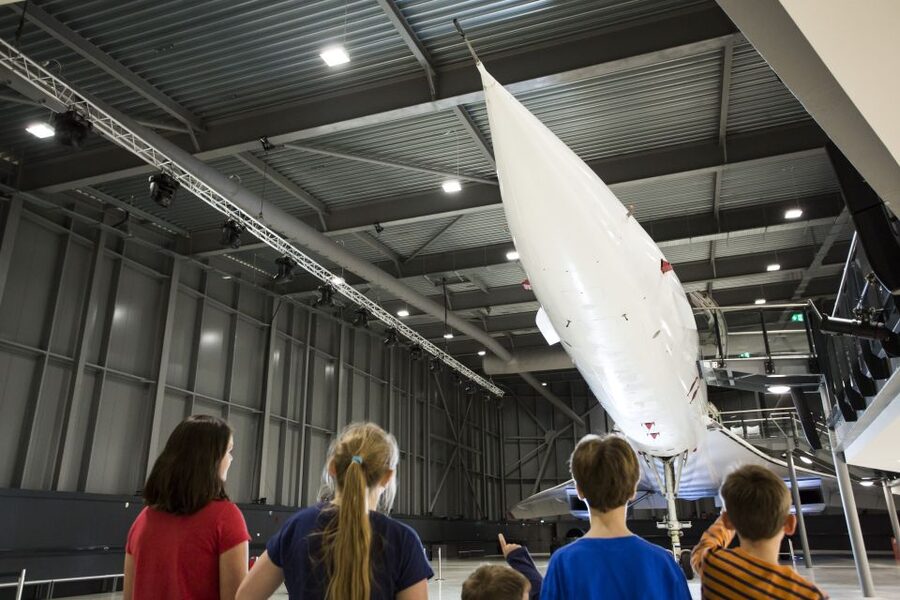
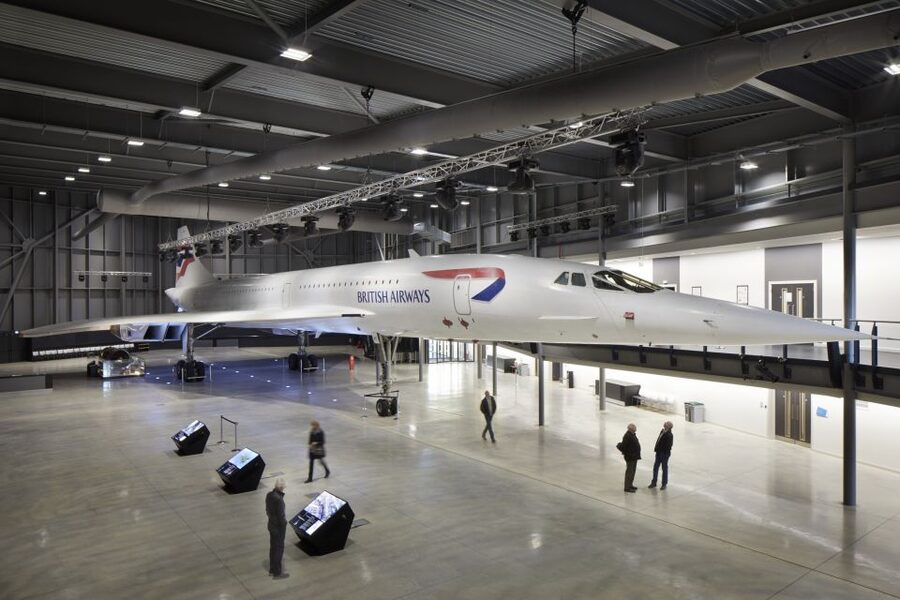
The star here is Concorde, the last example of the supersonic passenger jet ever to fly. You can step into its cockpit, walk through the polished cabin, and see how passengers once crossed the Atlantic at extraordinary speed. A projection show on the aircraft adds movement and drama without turning the visit into a theme-park stunt.
I like the way the museum connects Bristol’s aircraft industry to the wider story of flight, and I like the friendly volunteers who can explain what you are looking at in plain English. The hands-on games, pilot clothing, Red Arrows simulation, children’s trails, and outdoor play area give younger visitors a reason to keep going.
The main thing to consider is time. Concorde can easily take two hours, and the rest of the museum covers more than a century of aircraft and space technology. Some displays, including the engine area, may feel less satisfying because access is limited, and low ropes around certain aircraft can be easy to miss.
Key points at a glance
- Walk through the last flying Concorde: See the cockpit, passenger cabin, and details of supersonic travel at close range.
- Watch Concorde’s story on the aircraft itself: A projected show turns the hangar into a presentation space.
- Trace flight from early planes to space technology: The museum goes well beyond one famous aircraft.
- Let children learn by doing: Try interactive games, pilot jackets, headgear, trails, and an aircraft-shaped outdoor play area.
- Ask the volunteers for the best detail: Hosts such as Colin and Daphne bring personal knowledge and useful stories to the exhibits.
- Plan for a return visit if needed: The advertised activity is valid for one day, but current ticket terms should be checked carefully because some admissions have included 12-month re-entry.
Starting at Aerospace Bristol
A large red Aerospace Bristol sign marks the entrance, so finding the building once you reach the site is straightforward. Free parking is a real help, especially if you are visiting with children, carrying bags, or planning to spend most of the day inside.
Getting there without a car takes more planning. One visitor found the bus journey difficult, and another noted that approach signs could be better for drivers. If you are coming from outside Bristol by car, the site has also been described as being in a ULEZ-free area, which may matter if your vehicle would otherwise face a city charge.
Allow the whole day if aviation interests you. You can move quickly through the early galleries, but the aircraft, text panels, interactive stations, and Concorde hangar reward a slower pace. Families may need even longer because children’s trails and play areas naturally break up the museum visit.
Your admission includes a visitor map, children’s trails, and regular spotlight talks. Food and drinks are extra, with a cafe on site. The cafe has a pleasant Concorde touch: coffee has been served with a Concorde stencil on top, a small detail that aviation fans will enjoy.
A few more Britain days worth weighing up
- London: The London Eye Entry Ticket
★ 4.6 · 35,875 reviews - London: Tower Bridge Entry Ticket
★ 4.7 · 15,560 reviews - London: Westminster Abbey Entrance Ticket
★ 4.6 · 11,254 reviews
From early flight to Bristol engineering
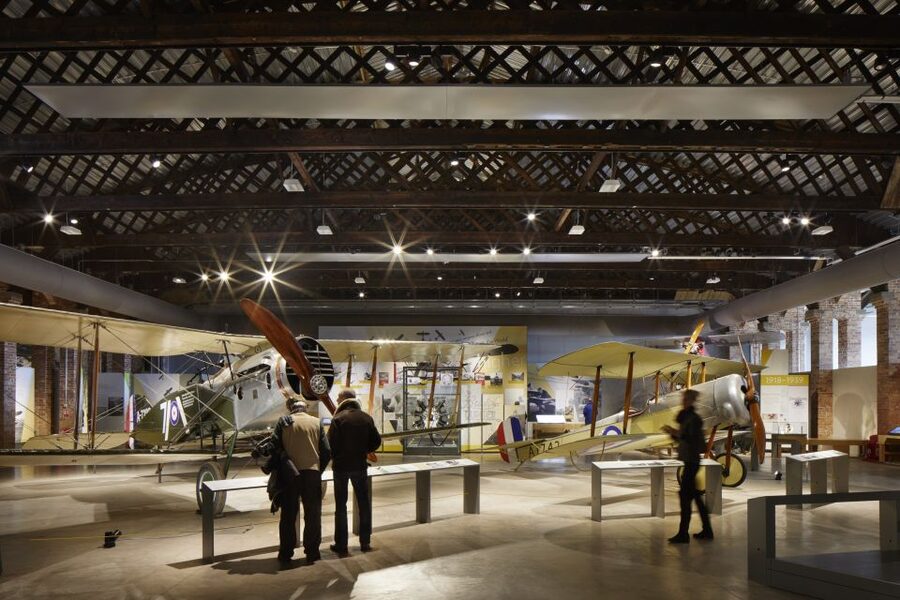
The first part of the museum sets up the basic story. You see how aircraft changed over time, then follow the move toward faster, more capable machines. This gives the Concorde hangar more meaning because you are not meeting the supersonic jet as an isolated object.
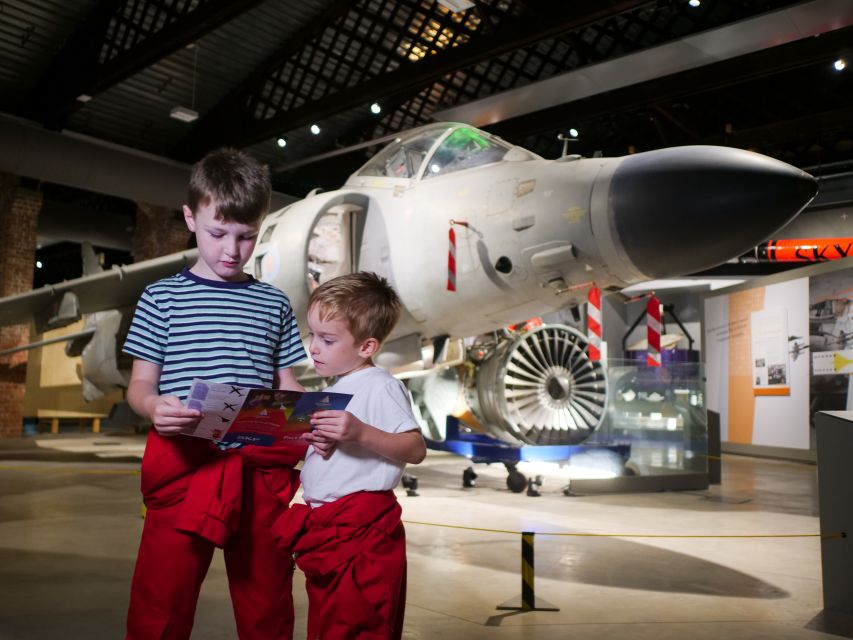
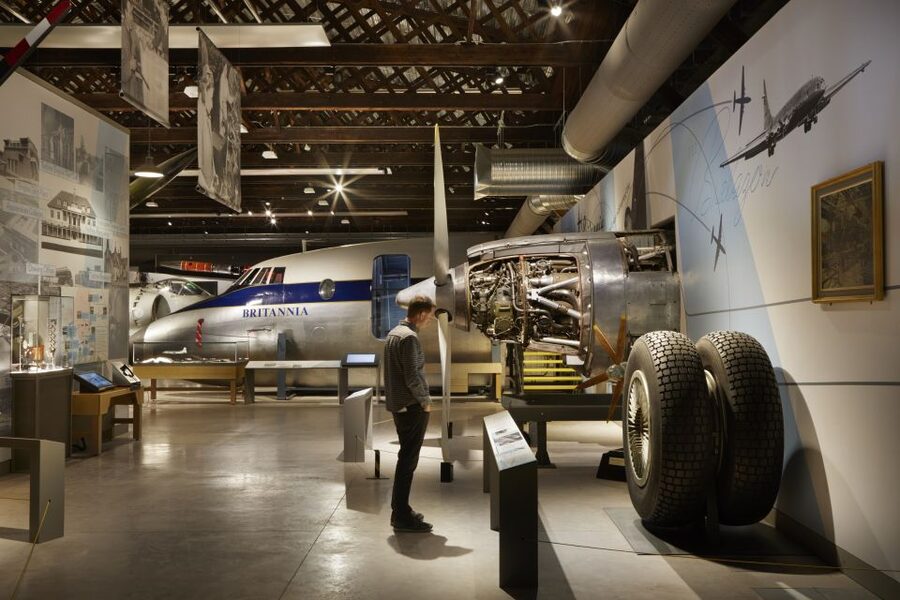
The displays cover aircraft, helicopters, wartime aviation, and later technology. The collection includes a Harrier jump jet, and the museum also looks at space technology. If you arrive expecting only Concorde, you may be surprised by how much else there is to read and examine.
I find this broad approach useful for families. A specialist aircraft museum can become a wall of technical facts, but the chronological layout gives you a simple thread to follow. You can ask how aircraft changed, why certain designs were adopted, and what Bristol contributed to that story.
The museum makes good use of written explanations, so you do not need to join a tour to understand the main displays. Still, the regular spotlight talks add something important. Volunteers who worked with aircraft or have close experience of the exhibits can explain details that a label cannot easily cover.
The Concorde hangar and cabin
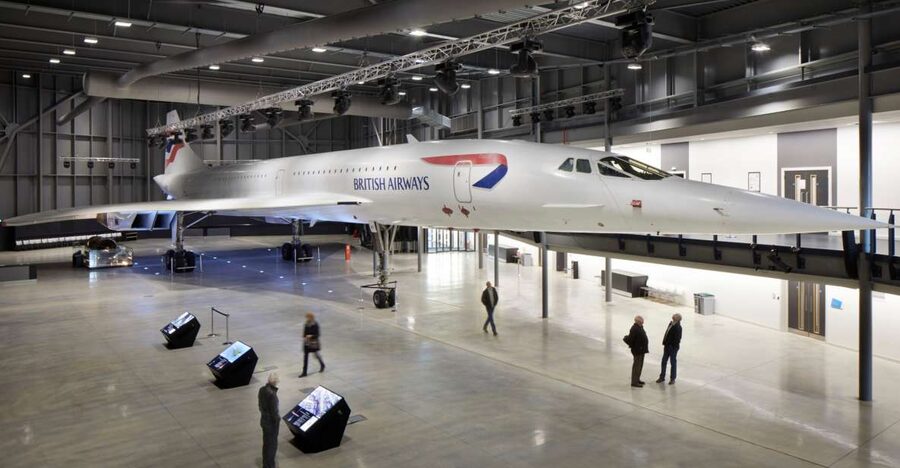
Save your best concentration for the Concorde hangar. This is the emotional centre of the visit, and it earns that position. The aircraft is not merely placed behind glass. You can step aboard and see the space from the inside.
Begin with the cockpit, where the controls and instruments make the scale of the machine feel more real. The cabin gives you a different view. Concorde’s passenger area was stylish and compact, with an atmosphere far removed from today’s standard airline cabin. Walking through it helps you understand both the glamour and the limits of supersonic travel.
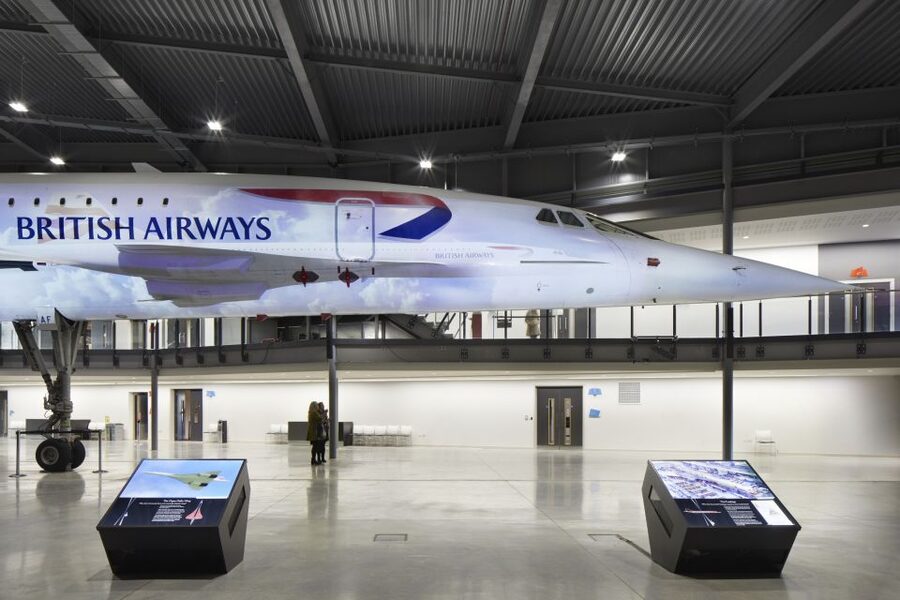
You also get close to the aircraft’s exterior. That matters because Concorde’s shape is hard to appreciate from a photograph. The long nose, swept wings, and streamlined body were built around speed, and the full-size aircraft makes the engineering choices easier to read.
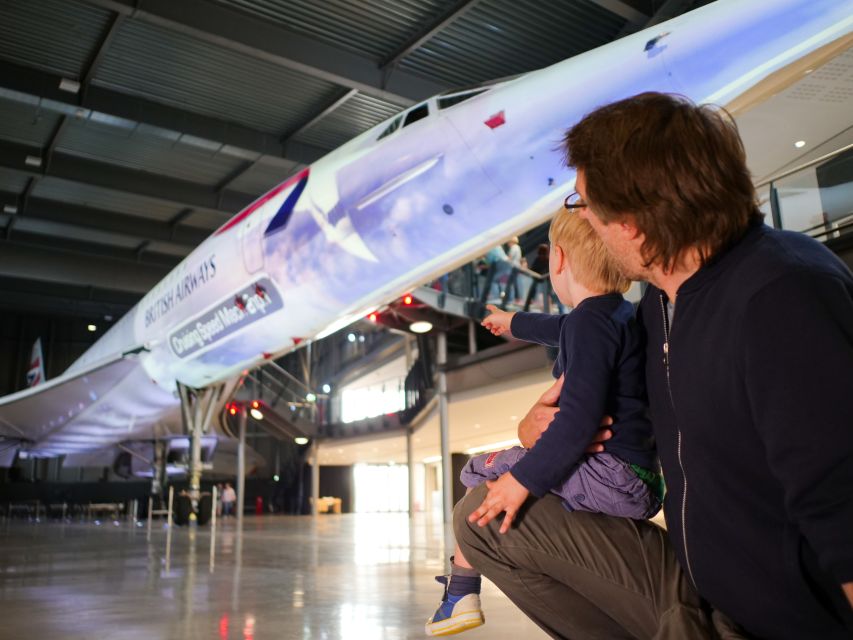
The projected show is another highlight. It is shown on the outside of Concorde and tells the aircraft’s story through light and moving images. It gives the hangar a sense of occasion, but it also helps explain why this aircraft captured so much public attention.
If you have memories of hearing sonic booms or watching Concorde on television, this section can carry extra weight. Even without that personal connection, the aircraft is an effective way to show what commercial speed once looked like.
Allow at least an hour for Concorde if you are interested in aircraft. Two hours is reasonable if you want to read the information, watch the presentation, inspect the cockpit, and listen to a talk. Colin has been praised for his guidance, while Daphne has offered detailed stories and insights during tours.
Hands-on exhibits for children and adults
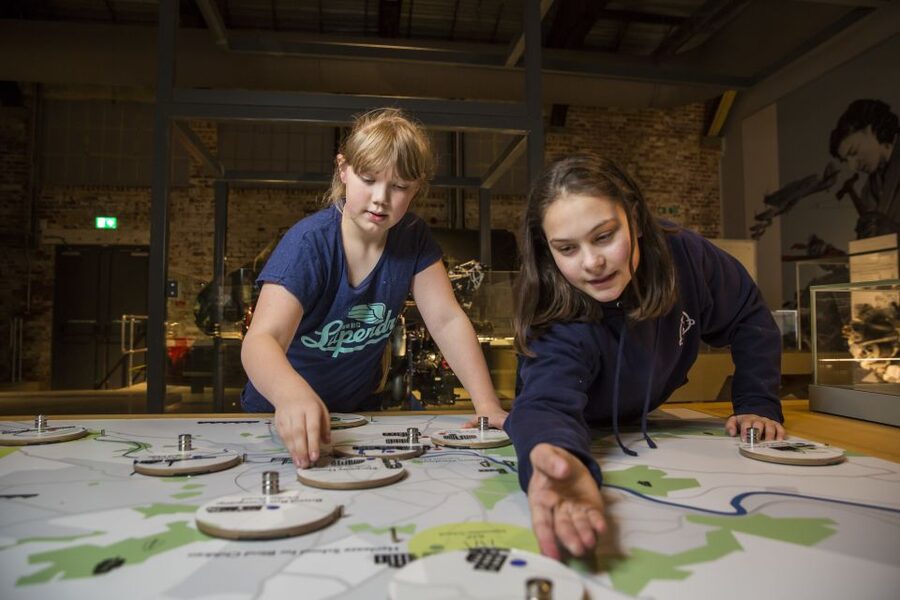
Aerospace Bristol works best when you mix reading with activity. Interactive games give children a break from display panels, while adults can use them to understand ideas such as flight, control, and speed in a simple way.
The museum has pilot jackets and headgear for children to try, plus a Red Arrows simulation. These touches are modest, but they make the visit feel active. A two-year-old and a four-year-old can enjoy the physical side of the museum even if they cannot follow every technical explanation.
Children’s trails are included with admission. Pick one up early and use it to give the visit a clear purpose. Instead of asking a young child to look at every plane, you can focus on finding answers, spotting details, and completing the route at a manageable pace.
The outdoor play area is shaped like an aeroplane and gives children somewhere to run after time indoors. This is useful for families because the museum contains a lot to take in. A child who is tired can lose interest long before an adult has finished reading, so the outdoor space helps keep the day balanced.
The exhibits also suit older children and teenagers, especially those who like aircraft, machines, or practical problem-solving. Adults should not assume the interactive areas are only for small children. The best stations make complex ideas easier to grasp without a long technical lecture.
Same city, a completely different sort of afternoon:
- From London: Harry Potter Warner Bros Studio Tour
★ 4.7 · 26,588 reviews - London: Westminster to Greenwich River Thames Cruise
★ 4.5 · 22,836 reviews - Magical London: Harry Potter Guided Walking Tour
★ 4.7 · 22,044 reviews - London: Madame Tussauds London
★ 4.6 · 20,915 reviews
Talks, volunteers, and the value of a guide
The regular spotlight talks are worth fitting into your visit. They create a natural pause in the day and add human detail to the displays. You may hear about how an aircraft was used, how it was maintained, or what a particular part was designed to do.
The museum’s volunteers are one of its strongest features. They are described as helpful, passionate, and well informed, and some have worked with the aircraft on display. That personal connection can turn a static object into a machine with a working life.
If you visit without a guide, the written information is strong enough to carry the day. If you prefer stories and questions, arrange your timing around a talk or ask about the in-house tour when you arrive. Guides such as Colin and Daphne have been singled out for giving the Concorde and wider collection extra character.
There is a practical trade-off. A guided visit can add context, but it also fixes part of your schedule. Self-guided visitors can linger at Concorde, skip a crowded station, or take a break in the cafe. I would choose the guided option if this is your first visit and aviation is a serious interest.
How long you need and what to skip
The ticket allows a one-day visit, and you should think of it as a full museum day rather than a quick photo stop. A rushed two-hour visit will give you Concorde, but it will leave much of Bristol’s aircraft story unseen.
For a first pass, I would use this order:
- Start with the early aircraft and aviation displays.
- Move through the later aircraft and space technology sections.
- Give Concorde your largest block of time.
- Add a spotlight talk or in-house tour.
- Finish with the cafe and outdoor play area if you have children.
You can shorten the early galleries if your main aim is Concorde. On the other hand, returning visitors may want to spend less time aboard the famous jet and focus on wartime aircraft, helicopters, engines, or the Harrier.
The engine display may disappoint if you expect close access. Parts of that area have had limited viewing, and development of the guiding system has been underway. Some visitors also found low ropes around aircraft awkward and easy to overlook, so take care when moving between displays.
These are not reasons to cancel a visit, but they affect expectations. Aerospace Bristol is strongest as a broad museum with a superb Concorde centrepiece, not as a collection where every aircraft can be examined from every angle.
Is $26 good value?
At $26 per person, the admission is fair if you use most of the day. Concorde alone gives the ticket a clear draw, but the value comes from the extra galleries, talks, interactive exhibits, trails, parking, and play area.
Families get more from the ticket because children can move between aircraft, games, dressing-up activities, and outdoor play. Adults who read every panel and join a talk should also find enough material for several hours.
Check the current local pricing before you book. Recent admissions have been associated with tickets allowing return visits for up to 12 months, while the booking information for this activity describes validity for one day. If your ticket does include annual re-entry, the value improves sharply and you can return for sections you missed.
That return option is especially useful for grandparents bringing different children on separate days. One visit can focus on Concorde, another on the early aircraft, and a later trip on the talks and technical displays.
Food and drinks are not included, but you can buy them at the cafe. Portions can be adapted for lighter appetites, including children’s portions for adults, which helps keep the meal affordable if you do not want a large lunch.
Who will enjoy this museum most?
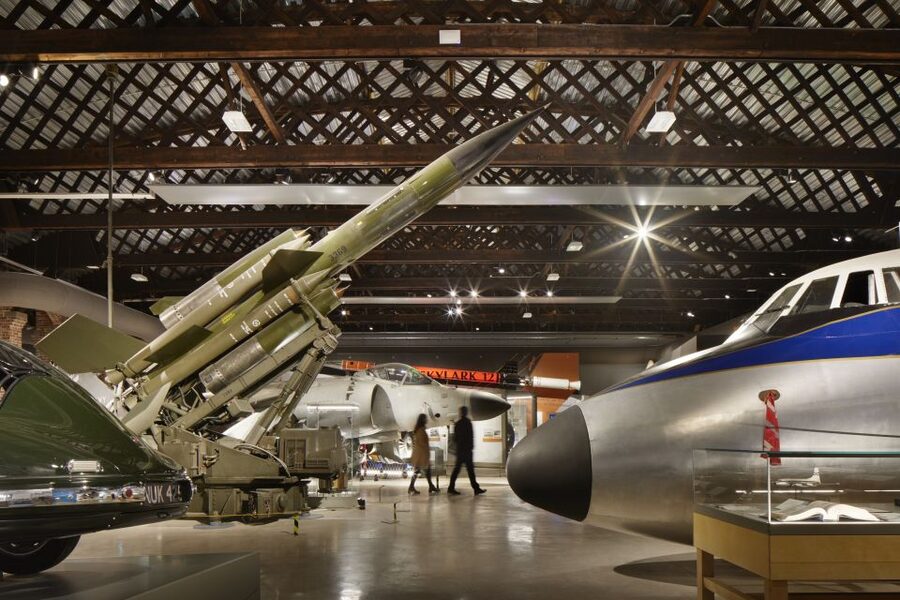
You do not need to be an aircraft expert. The displays are clear, and the hands-on sections give newcomers an easy way into the subject. Still, the museum will be most rewarding if you enjoy machines, engineering, Bristol industry, wartime aviation, or the story of commercial flight.
Families with young children have plenty to do, particularly if they use the trails and outdoor play area. Grandparents may appreciate the range of activities, while older children can spend time with the aircraft and simulations.
Concorde fans should make this a priority. Being able to enter the actual aircraft is far more satisfying than seeing a model or viewing it from behind a barrier. People who remember Concorde’s flights may find the visit especially personal.
You may want to think twice if you only have a short gap in Bristol and dislike museums with a lot of written information. The site is spacious, and the main collection asks for attention. It is possible to focus on one section, but the admission makes most sense when you have several hours.
Booking, access, and practical details
The activity is offered in English, with an English-speaking host or greeter. The museum is wheelchair accessible. Free parking is included, and a visitor map helps you plan your route once inside.
You can cancel up to 24 hours before the visit for a full refund, and reserve now while paying later. The ticket is valid for one day according to the activity information, so check the exact admission terms at booking if return visits are important to you.
A large red sign at the entrance is the meeting point. Food and drinks cost extra but are available on site. Since there is plenty to see, wear comfortable shoes and leave room in your schedule for a talk, a meal, and a second look at Concorde.
Should you book Aerospace Bristol?
Yes, if you want to walk through Concorde rather than simply photograph it. That is the strongest reason to come, but it is supported by a well-sized aviation museum, practical activities for children, free parking, and volunteers who can make the exhibits easier to understand.
Book it as a full day, not a quick attraction. If you are driving, allow extra care with the approach because signage may not be perfect. If you have young children, collect a trail and use the outdoor play area to keep the pace comfortable.
I would book with confidence for aviation fans, families, grandparents, and anyone curious about Bristol’s aircraft industry. I would be more cautious only if you want unrestricted access to every aircraft or have just an hour or two. For most people, the chance to step inside the last Concorde to fly makes the $26 admission worthwhile.
FAQ
Where is Aerospace Bristol located?
Aerospace Bristol is in Bristol County, United Kingdom. The entrance is marked by a large red Aerospace Bristol sign.
How long is the ticket valid?
The activity information states that the ticket is valid for one day. Check the current terms when booking, as some recent admissions have included return access for up to 12 months.
Is parking included?
Yes. Free parking is included with the visit.
Can I go inside Concorde?
Yes. You can step aboard the last Concorde ever to fly, look into the cockpit, and walk through the passenger cabin.
Are food and drinks included?
No. Food and drinks are not included in the admission price, but they are available to buy at the on-site cafe.
Is Aerospace Bristol wheelchair accessible?
Yes. The activity information states that the museum is wheelchair accessible.
Can I cancel my booking?
Yes. You can cancel up to 24 hours in advance for a full refund. You can also reserve now and pay later, keeping payment until closer to your visit.
Just added around Britain
- London: Wimbledon Tennis Club and Westminster Walking Tour★ 4.5 · 86 reviews
- London: Westminster to Richmond River Thames Cruise★ 4.8 · 23 reviews
- Winchester: Historic Castles and Cathedrals Walking Tour★ 4.9 · 154 reviews
- Best of London by LE GRAND – London’s Luxury Bus Tour★ 4.2 · 23 reviews
- Whitby: Guided Distillery Tour with Gin Tasting★ 5.0 · 28 reviews
- Westminster Abbey Skip-the-Line Entry and Private Tour★ 4.6 · 4 reviews
- London: Westminster Walking Tour & St Paul’s Cathedral Entry★ 4.7 · 7 reviews
- Warwick: Entry Ticket for Warwick Castle★ 4.7 · 215 reviews
Tickets, compared.

Buckingham Palace: The State Rooms Entrance Ticket
Read our review →