

Reviewed · WORKSHOPS
London: French Macaron Workshop in London
The best thing about this London workshop is that you do not simply eat a pretty macaron, you learn why it works. In a small group of up to six, you practice the steps behind smooth shells, neat piping, and creamy fillings. I like the hands-on format and the fact that you take plenty home. The main catch is that this is a relaxed craft class, not a professional pastry-school kitchen.
I also like the friendly teaching style. Jojo has been praised for patience and clear explanations, while Dora made one birthday booking feel especially warm and personal. You get ingredients, a hot or cold soft drink, a box for your macarons, and a recipe to use at home in at least one reported class.
The setting can feel unconventional, and the session may not run with industrial kitchen precision. One class started late because of staff shortages, and one participant found the buttercream less traditional than ganache. If you want a polished professional course, adjust your expectations before booking.
Key points to know before booking
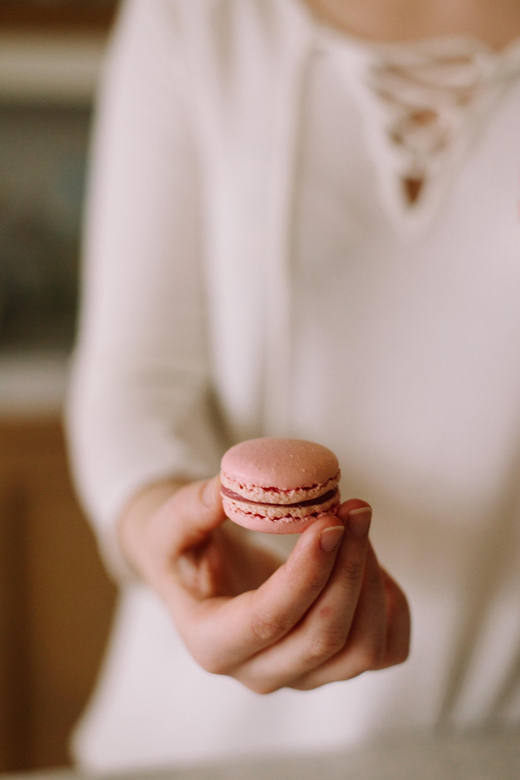
- Small group of six: You get a better chance to follow the techniques and ask questions than in a large demonstration class.
- Three hours in the kitchen: Allow about 2.5 to 3 hours for mixing, shaping, filling, and packing your macarons.
- Take-home treats included: Ingredients and a takeaway box are covered, though bringing your own container can be useful.
- Friendly instructors: Jojo and Dora are named instructors associated with especially positive class experiences.
- Relaxed venue: Reception and an on-site cafe give you somewhere to wait, but the cafe is separate from the workshop.
- Flexible booking: You can cancel up to 24 hours before the class for a full refund or reserve now and pay later.
What the London macaron class is really about
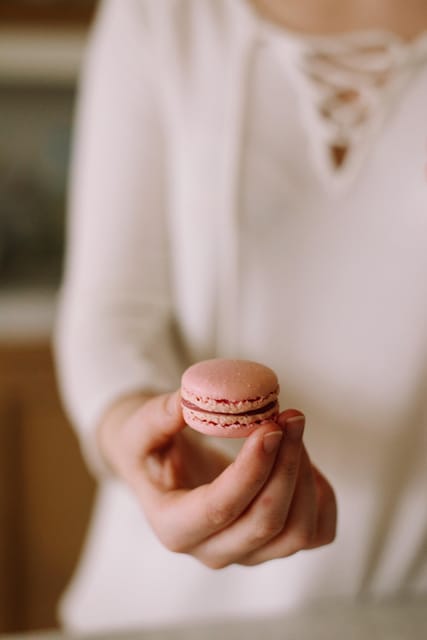
French macarons look simple until you try to make them. The shells need the right texture, the batter must be handled carefully, and the filling has to balance sweetness with enough firmness to hold everything together. This class is built to remove some of that worry.
You spend around three hours learning the main techniques needed for attractive, edible macarons. The focus is practical rather than academic. You are not just watching an instructor pipe a perfect tray while you stand at the back. You get to work through the process and see how the mixture changes as you handle it.
That makes this a good choice if you have tried macarons at home and ended up with cracked shells, hollow centers, or batter spread across the tray. The class aims to make the method feel manageable, with the instructor explaining each stage in plain English.
The format also suits a first-time baker. You do not need to arrive with a professional background. At the same time, experienced cooks should know that the class has a more informal feel than a commercial pastry course. One participant specifically noted the difference between this setting and a professional or industrial class.
A few more London days worth weighing up
- From London: Harry Potter Warner Bros Studio Tour
★ 4.7 · 26,588 reviews - London: Westminster to Greenwich River Thames Cruise
★ 4.5 · 22,836 reviews - Magical London: Harry Potter Guided Walking Tour
★ 4.7 · 22,044 reviews
Meeting at reception and getting settled
The meeting point is reception. You do not need to arrive early, but if you do, there is an on-site cafe where you can buy a coffee or another drink while you wait. That cafe is not part of the workshop, so plan to pay separately if you use it.
This small detail matters because the class may not begin the instant you arrive. One class had a late start linked to staff shortages, and the participant did not see the notification sent through the booking app. I would check your messages on the day and allow a little breathing room rather than scheduling a tight connection afterward.
Once collected from reception, you move into the class setting. The venue has been described as easy to find, which helps if you are fitting the workshop into a busy day in London. Still, the available information does not promise a formal culinary school or a fully equipped teaching kitchen. Think of it as a friendly, practical workshop space.
Mixing, shaping, and learning the important tricks
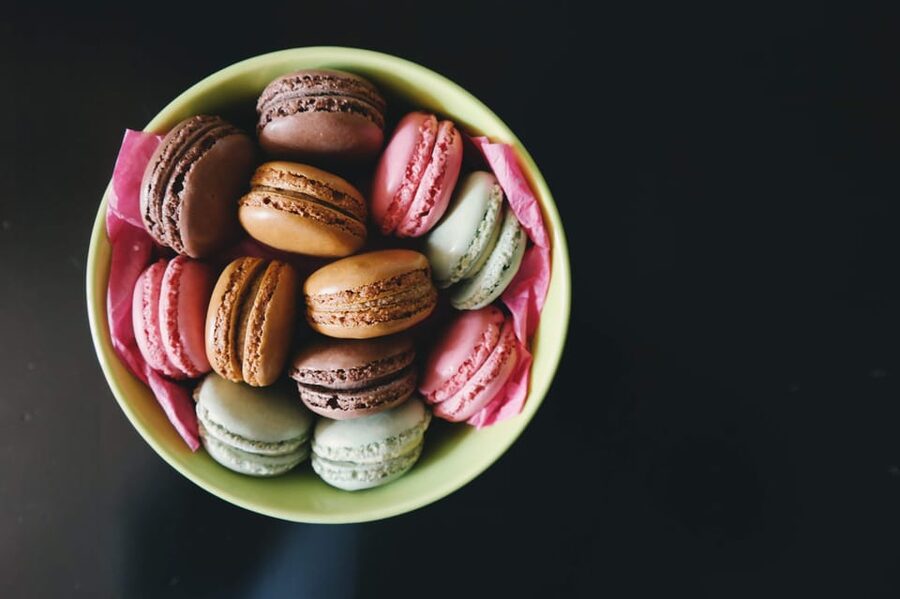
The class covers the core skills needed to make French macarons. You learn how to prepare the mixture, work with the texture, pipe the shells, and create a finished macaron that looks good enough for a photo.
The instructor’s role is important here. Jojo has been singled out for being patient, positive, and careful in her explanations. That is exactly what you want with macarons, since a small change in mixing can affect the final result. Dora has also been praised for making the class welcoming and for sending a recipe afterward so the technique could be repeated at home.
The wording around the class promises the instructor’s top secrets, but you should read that as useful practical guidance rather than a formal pastry qualification. You will leave with methods you can try again, not a certificate or professional kitchen training.
The small group size is one of the strongest features. With no more than six people, it should be easier to see what is happening and ask about your own mixture. You are also sharing the work with a few other people, which gives the class a social feel without the crowd of a large cooking demonstration.
The tone is intentionally relaxed. That is good news if you are nervous about baking, bringing children or relatives, or booking the class as a birthday activity. It may be less appealing if you prefer strict timings, silent concentration, and exact professional standards at every stage.
Choosing flavors and filling the shells
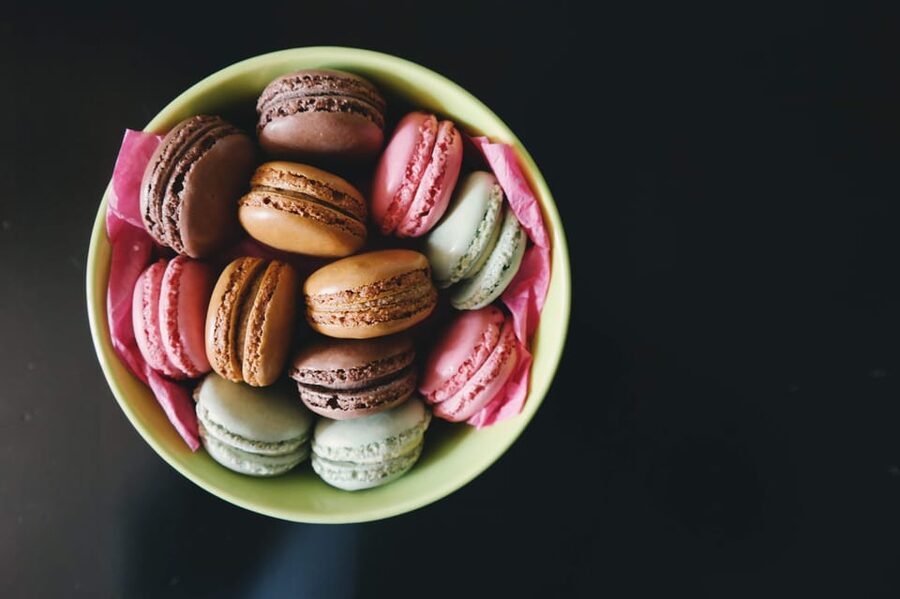
A macaron is more than a colorful shell. The filling gives it much of its character, and the class includes a range of flavor choices. One participant enjoyed the variety but felt the buttercream filling was not as traditional as ganache.
That is a fair point for anyone who has a strong view of classic French macarons. Ganache is a familiar traditional filling, while buttercream gives a different texture and sweetness. The class appears to favor a creamy, approachable filling that is practical for a relaxed workshop.
I would treat the filling as part of the fun rather than book this expecting a strict study of traditional French pastry. You get room to experiment with flavors, and you can learn which combinations appeal to you before trying your own batches at home.
This is also where the class works well as a shared activity. Friends, couples, and family members can compare choices and results without needing to bring the same baking experience. The food is the main event, but the social side helps take pressure off getting every shell perfect.
Same city, a completely different sort of afternoon:
- London: Madame Tussauds London
★ 4.6 · 20,915 reviews - London: Warner Bros. Studio Tour with Transfers
★ 4.7 · 17,586 reviews - London: Tower Bridge Entry Ticket
★ 4.7 · 15,560 reviews - London: St Paul’s Cathedral Entry Ticket
★ 4.7 · 9,813 reviews
What you take home at the end
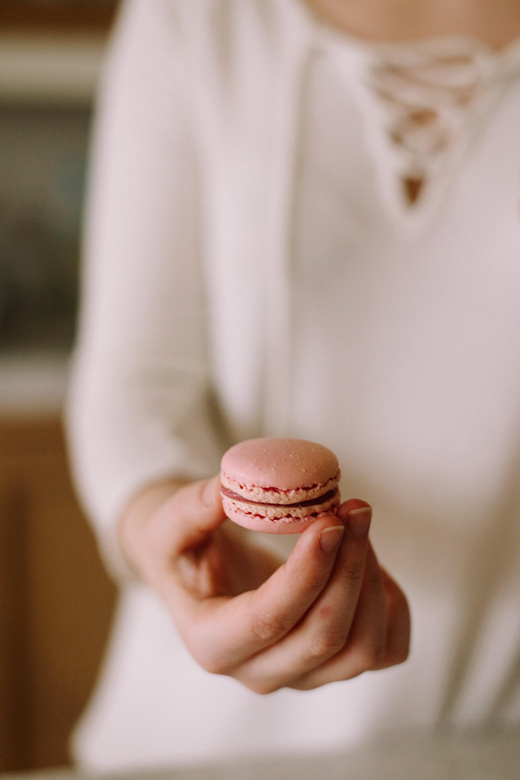
The most tangible benefit is the box of macarons you make during the session. Ingredients are included, and a box is supplied for carrying the finished treats away. You can also bring a Tupperware container if you prefer something sturdier or larger.
The exact quantity is not stated, so do not book based on a promised number of macarons. The experience does promise lots to take home, which makes the $80 price easier to assess. You receive a full class, supplies, a drink, and edible results rather than only a demonstration.
The takeaway box also changes the class from a short activity into a useful edible gift. You might bring the macarons to friends, share them with family, or save them for later. If you are booking for a birthday, the treats give the occasion something to carry beyond the class itself.
At least one class included a recipe sent afterward. That is a valuable touch because the real test is not whether your macarons work once under an instructor’s eye. It is whether you can recreate them in your own kitchen.
Is $80 a fair price?
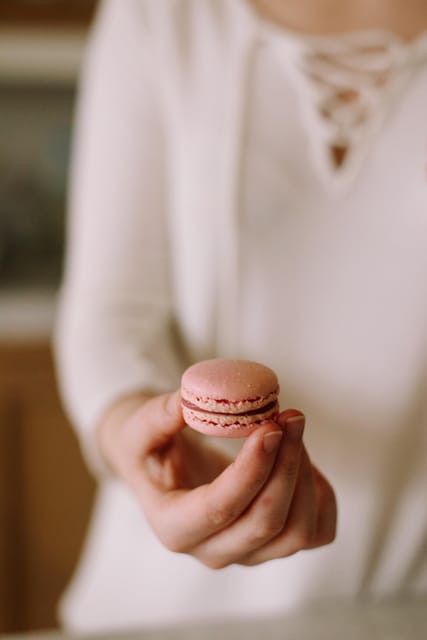
At $80 per person, this is not a cheap snack stop. You are paying for roughly three hours of instruction, all ingredients, a drink, the social setting, and macarons to take away. For a hands-on food activity in London, the value depends on how much you care about learning the technique rather than simply buying a box of finished pastries.
I see the price as reasonable for a small group. Six is a useful limit, especially for a delicate recipe where you may need help with mixing or piping. A larger class might cost less, but you would probably have less direct attention.
The value is weaker if you already make macarons confidently or expect a professional training environment. You may find the relaxed setting too casual, and the filling choices may not match your preferred French method.
For a visitor looking for an indoor activity, the price also buys a clear three-hour block in the day. You are not paying for transport or a separate food tour. You arrive at the meeting point, work with the ingredients provided, and leave with something you made yourself.
Timing, service, and the small practical flaws

The advertised duration is three hours, with the working time described as about 2.5 to 3 hours. That is long enough to cover several stages without rushing, but it also means you should avoid booking a timed attraction immediately afterward.
The class is conducted in English. The small group is limited to six participants, which should help keep the lesson personal. The instructor names connected with the experience include Jojo and Dora, and both have been described as friendly and encouraging.
The service has not been perfect every time. A delayed start was linked to staff shortages, and a message about the delay did not reach one participant. There were also complaints about toilet paper and paper towels being unavailable during one visit.
One person felt the instructor using her phone between stages looked unprofessional. That did not ruin the class, but it is worth knowing if you expect a tightly managed course. The overall atmosphere is intended to be welcoming and informal, and that informality is both the attraction and the limitation.
Who should book this experience?

I would recommend it to first-time macaron makers, couples, friends, families, and anyone looking for a creative birthday treat. It is especially useful if you want an activity that produces something tangible instead of another London photo or souvenir.
It also suits a busy week when you need a short, cheerful break. One participant described the class as a pleasant couple of hours during a hectic week, and that feels like the right spirit. You do not need to make the workshop the centerpiece of your entire London visit.
The class is less suitable for a trained pastry cook seeking industrial equipment, advanced theory, or a formal qualification. It may also disappoint you if only ganache counts as an authentic filling or if you need the day to run to the minute.
Bring a Tupperware box if you want extra protection for your macarons. Check the booking app for updates, do not depend on arriving early for the cafe, and allow a little spare time after the session.
Should you book the French macaron workshop?

Book it if you want to learn a tricky baking skill in a friendly group and leave with a box of your own macarons. The strongest reasons are the limited group size, the encouraging instruction associated with Jojo and Dora, the included ingredients and drink, and the chance to repeat the recipe at home.
Skip it if you want a formal pastry-school environment or a strictly traditional lesson centered on ganache. The class is best understood as a relaxed, social workshop with real hands-on baking, not a professional kitchen course.
For most visitors, the $80 makes sense when the class itself matters as much as the food. You get a useful London activity, a chance to work with family or friends, and a sweet result to carry away.
FAQ
How long does the French macaron workshop last?
The experience lasts three hours, with the practical learning time described as approximately 2.5 to 3 hours.
How many people are in the class?
The group is limited to six participants.
Is the workshop taught in English?
Yes. The instructor language is English.
Are ingredients included?
Yes. All ingredients needed for the macaron class are included.
Do I receive a box for the macarons?
Yes. A box is provided so you can take your macarons home. You may also bring your own Tupperware container.
Can I cancel the booking for a refund?
You can cancel up to 24 hours in advance for a full refund. The experience also offers a reserve-now, pay-later option.
Just added around London
- London: Wimbledon Tennis Club and Westminster Walking Tour★ 4.5 · 86 reviews
- London: Westminster to Richmond River Thames Cruise★ 4.8 · 23 reviews
- Westminster Abbey Skip-the-Line Entry and Private Tour★ 4.6 · 4 reviews
- Best of London by LE GRAND – London’s Luxury Bus Tour★ 4.2 · 23 reviews
- London: Westminster Walking Tour & St Paul’s Cathedral Entry★ 4.7 · 7 reviews
- From London: Oxford, Stratford-upon-Avon & Cotswolds Trip★ 4.5 · 64 reviews
- From London: Warwick, Oxford, Stratford & Cotswolds Day Tour★ 4.0 · 270 reviews
- Warner Bros. Studios and 1-Day London Hop-on Hop-off tour★ 4.7 · 9 reviews
Workshops, compared.
Traditional English Scone Making and Tea Workshop
Read our review →
Chocolate Bar Making Workshop at York Cocoa Works
Read our review →
East End Street Art Tour and Spray Painting Workshop
Read our review →




Browse the lists this tour appears in