
Reviewed · HISTORICAL TOURS
Brighton: Piers & Queers LGBTQ History Tour
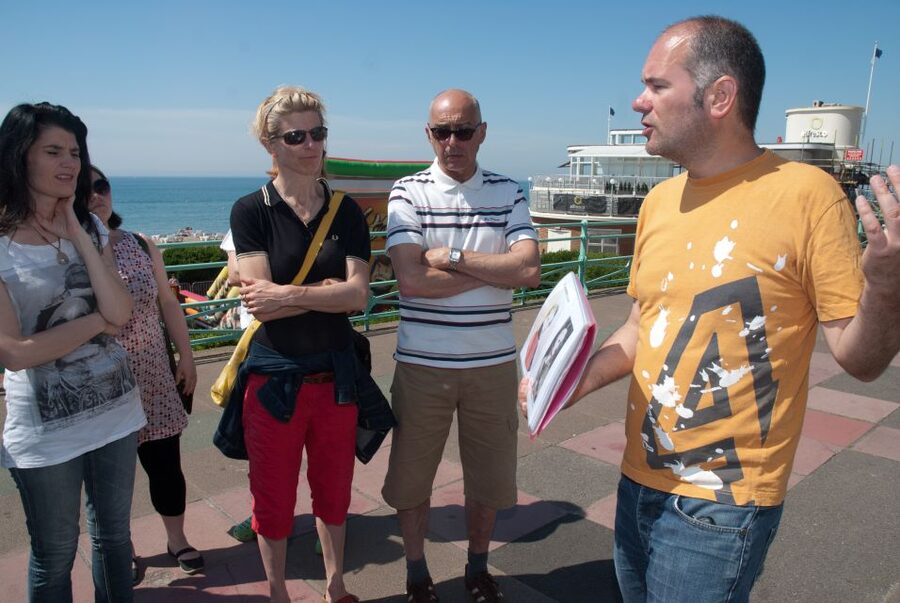
Brighton’s LGBTQ story is not tucked away in one museum. It is written across the seafront, the old Lanes, and the streets of Kemptown. This 1.5-hour walk links those places with stories of Regency dandies, political campaigners, 1950s lesbian and gay life, and people who challenged the rules of their time.
I like the small maximum of 12 people, which gives Ric room to answer questions. I also like the mix of famous names, such as Anne Lister, Lord Byron, Oscar Wilde, and Dusty Springfield, with less familiar figures including an Edwardian drag king and a doctor who lived as a man before women could legally practice medicine.
The main consideration is pace. You cover a lot in 90 minutes, and this is a walking tour rather than a stop-and-stare sightseeing trip. If you want long visits inside buildings, this will not be the right format. If you want a focused introduction to Brighton and ideas for the rest of your stay, it makes good use of your time.
Key points at a glance
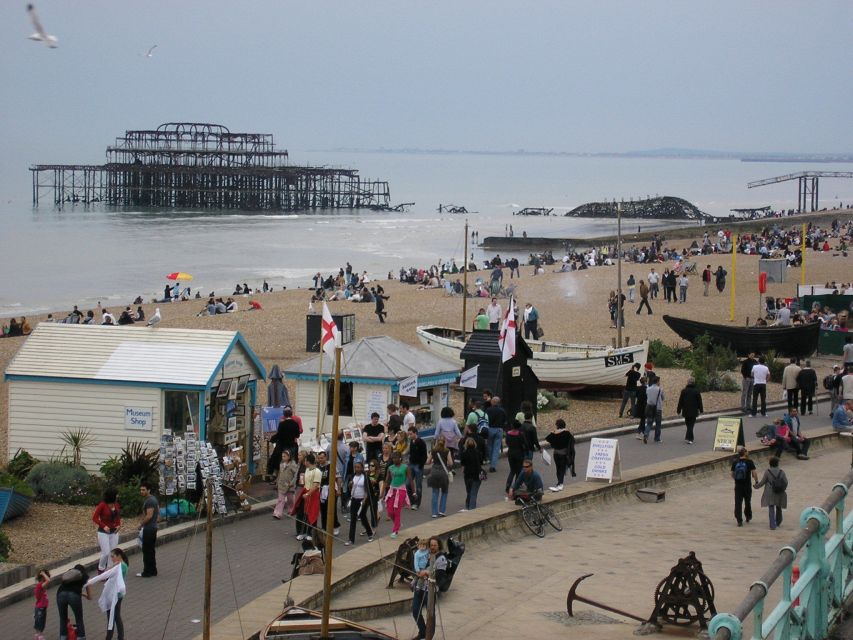
- A route through three sides of Brighton: Begin at Regency Square, cross the atmospheric Lanes, and finish in the LGBTQ district of Kemptown.
- Over 200 years of stories: The tour connects Regency-era lives with 1950s experiences and modern political activism.
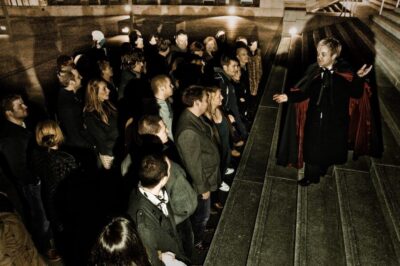
- Ric leads the walk: You get an English-language tour with a qualified Blue Badge guide who is easy to approach and happy to take questions.
- Famous and unsung figures: Anne Lister, Lord Byron, Oscar Wilde, and Dusty Springfield share the route with pioneers whose stories are less widely known.
- Small-group format: A maximum of 12 people helps keep the walk personal and conversational.
- Simple planning: The meeting point is by the statue in Regency Square, the tour costs $52 per person, and cancellation is free up to 24 hours before the start.
Why Brighton’s LGBTQ past fits this walk so well
Brighton is often called the gay capital of Britain, but that label can make the city’s story sound recent and simple. This tour gives you a longer view. It shows how people expressed identity, formed relationships, resisted social rules, and found one another across more than two centuries.
That long time span is one of the tour’s best features. You are not given only a list of bars, clubs, or famous residents. Instead, you follow changes in British society, from the coded behavior of Regency dandies to the risks faced by lesbian and gay people in the 1950s and the work of political activists.
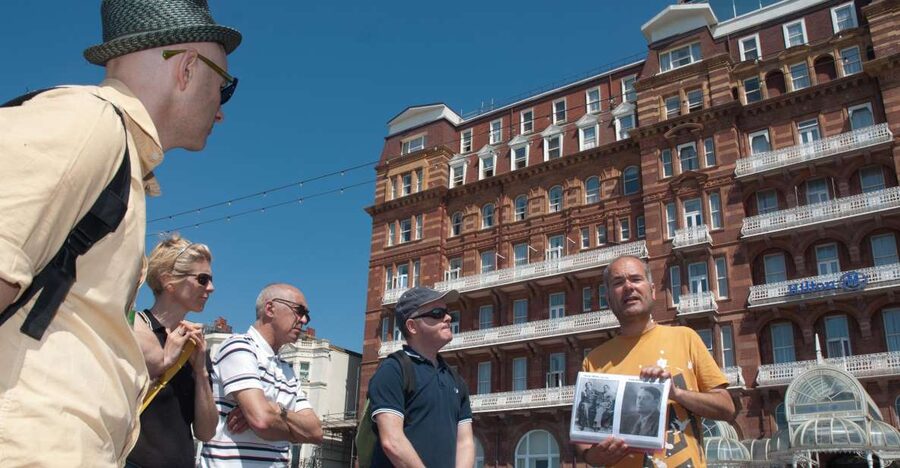
The setting matters, too. Brighton’s grand seafront suggests the resort’s fashionable Regency image, while the Lanes offer a tighter, older street pattern. Kemptown then gives the walk a natural finish in the area most closely linked with Brighton’s modern LGBTQ life.
You do not need to be an LGBTQ history specialist to get value from the tour. The subject is specific, but the larger themes are familiar: who gets to live openly, how people protect one another, and how public attitudes change. You will also see central Brighton differently after learning what happened in places you might otherwise pass without a second thought.
A few more Brighton days worth weighing up
- Brighton: Royal Pavilion Admission Ticket
★ 4.7 · 956 reviews - From Brighton: Seven Sisters and South Downs Tour
★ 4.9 · 746 reviews - Brighton: City Sightseeing Hop-On Hop-Off Bus Tour
★ 4.5 · 352 reviews
Starting at Regency Square and the seafront
The meeting point is by the statue in Regency Square, Brighton BN1 2FZ. This is a practical place to begin because the square puts you close to the broad seafront and the grand architecture that frames Brighton’s resort identity.
The opening section sets up the contrast between public appearance and private life. Regency Brighton attracted fashionable visitors and ambitious social figures, but the period’s rules around gender and sexuality were strict. The stories of Regency dandies show how dress, wit, friendship, and social performance could carry meanings that were not always spoken directly.
This is where Lord Byron fits into the wider story. He is a well-known figure, but his presence helps place Brighton within the world of aristocratic travel, artistic circles, and public scandal. The tour uses recognizable names as entry points, then moves toward people whose lives have received far less attention.
The seafront is also the most exposed part of the route. Wind, rain, and busy pavement conditions can affect your comfort, so dress for changeable English weather and wear shoes you can manage for 90 minutes. The walk is wheelchair accessible, but Brighton’s historic streets and crowded public spaces can still make the experience feel less effortless for anyone who needs a very smooth route.
Anne Lister, Oscar Wilde, and the power of famous names
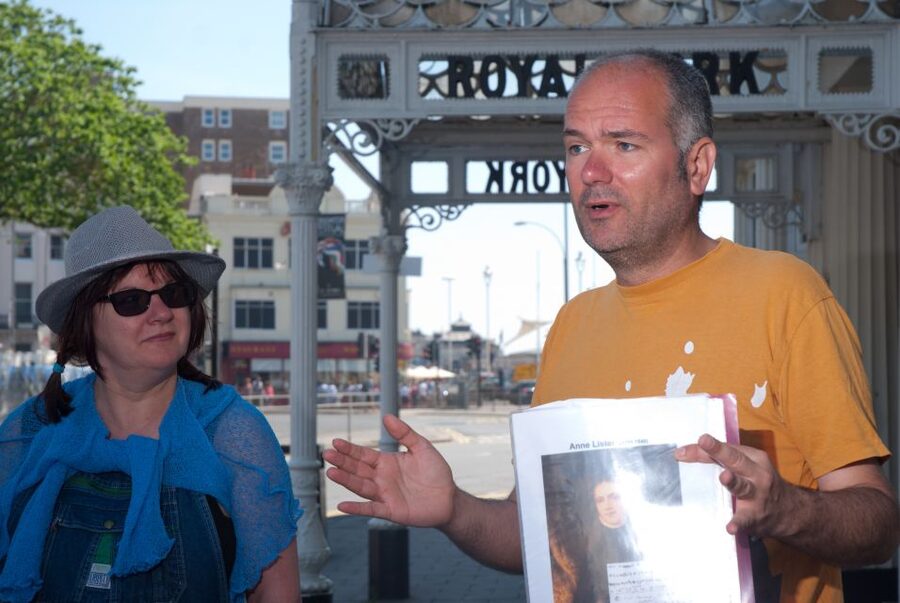
Anne Lister’s visit to Brighton gives the tour a useful link to a story many people now know through the BBC and HBO series Gentleman Jack. Her trip is not treated as an isolated celebrity anecdote. It helps show how a real person navigated relationships, travel, status, and personal freedom in a period when open discussion of same-sex relationships was limited.
Oscar Wilde adds another layer. His name brings questions of art, reputation, law, and public judgment into the walk. You are likely to find that the familiar names are not simply decorative. They help connect Brighton to broader British culture and to the costs faced by people who refused, or could not manage, conventional expectations.
Dusty Springfield brings the story into a later period and makes clear that queer history is not only about the nineteenth century. Her place in the tour helps bridge the gap between earlier coded lives and the more visible, though still difficult, experiences of the twentieth century.
I appreciate this balance. A tour built only around famous people can feel shallow, but a tour that uses only obscure names can be hard to follow. Here, well-known figures provide anchors while the less famous lives give the subject its real weight.
Through the Lanes, where the stories become more personal
From the seafront, the route moves into Brighton’s old Lanes. These narrow streets give the middle of the walk a very different feel from Regency Square. The change in setting helps you think about how people lived in the city beyond its polished public face.
The Lanes are a good place for a walking tour because you can take in the street plan and buildings while listening. You are not being asked to spend the whole time looking at a single monument. Instead, the streets become prompts for stories about people, relationships, work, and social life.
This part of the tour includes some of the most unusual material. You learn about a pioneering doctor who lived as a man long before women were allowed to practice medicine. You also hear about an Edwardian drag king and a same-sex marriage in 1923.
Those stories matter because they widen the meaning of LGBTQ history. The past was not made only by famous writers or public campaigners. It also included people who found practical ways to work, love, dress, and build a life under difficult conditions.
The 1923 same-sex marriage is especially useful as a reminder that people have long created their own forms of commitment, even when the law did not recognize them. The story should interest anyone curious about how ordinary people handled social limits. It also gives the tour a human scale that a list of historical dates would miss.
The Lanes can be busy, and you may need to stay close to the guide. A group of up to 12 is helpful here. Ric can keep the walk together more easily than a large coach-style group, and you have a better chance of hearing the detail.
More history walks around Brighton:
- London: Historic Pubs of Central London Walking Tour
★ 4.9 · 1,065 reviews - Portsmouth: Historic Dockyard Ultimate Explorer Ticket
★ 4.8 · 1,052 reviews - York: Witches and History Old Town Walking Tour
★ 4.7 · 928 reviews - London: Soho Music and Historic Pubs Walking Tour
★ 4.9 · 836 reviews
1950s lesbian and gay life
The tour then moves into the twentieth century, including lesbian and gay life in the 1950s. This is an important shift because it brings the subject closer to living memory while showing that greater visibility did not mean easy acceptance.
The 1950s section helps you consider how people met, communicated, and made social connections when public language was limited and legal risks were real. You learn about the pressures of the period without losing sight of personal courage and ordinary pleasure.
This is also where political activism enters the story. The tour connects personal lives with wider efforts to change public attitudes and legal treatment. That link is vital. Brighton’s reputation today did not appear by accident, and it was not created only by nightlife. It grew through people who worked, organized, challenged prejudice, and made room for others.
The subject can be serious, but the walk is not presented as a lecture. Ric’s style, according to the experience details, is sociable and approachable. That matters when the material includes discrimination, secrecy, and risk. You can ask questions as you go rather than waiting for a formal question period at the end.
Finishing in Kemptown
The walk ends in Kemptown, Brighton’s best-known LGBTQ district. Finishing here gives the tour a clear sense of place and brings the historical discussion into the city you see around you today.
Kemptown is not simply a final photo stop. It helps you connect the stories of earlier residents with Brighton’s current identity. After hearing about coded lives, political work, and changing public attitudes, you arrive in a district that represents a more visible phase of the city’s LGBTQ culture.
That does not mean the tour presents a neat story of progress. The earlier sections make clear that visibility came with effort and risk. Kemptown works best as a final chapter, not as proof that all the old problems disappeared.
The ending is also useful for planning your day. You can continue exploring the area after the walk, or use Ric’s suggestions to shape the rest of your Brighton visit. One participant used the tour as an introduction on the first full day of a honeymoon, which is a smart approach: the route gives you a sense of the city before you decide where to spend more time.
Ric’s guiding style and the small-group advantage
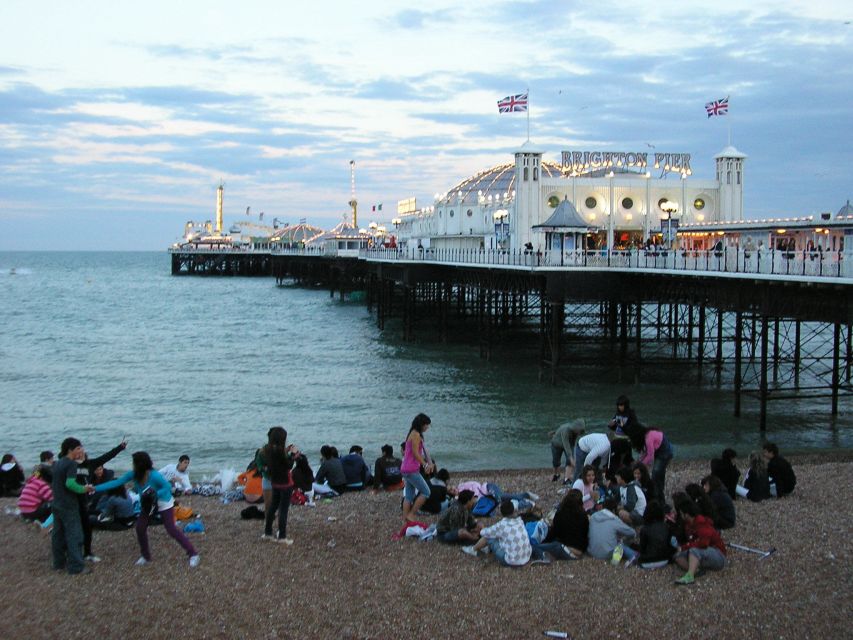
Ric’s Tours uses a live English-language guide, and Ric is the named guide associated with the experience. The strongest praise centers on his friendly manner, clear delivery, passion for Brighton, and willingness to answer questions.
That combination is important. Historical walking tours depend as much on delivery as on research. A guide can have good material but lose a group through a stiff presentation. Ric’s approach appears more conversational, with time to speak to people between the main stops and help them feel comfortable.
The maximum of 12 people is a real advantage at $52 per person. You are paying for a focused local walk, not a large group being moved from point to point. A small group also lets the guide adjust explanations and respond to the interests of the people with him.
Still, you should keep your expectations in the right place. This is not a private tour, and the group may include people with different levels of interest in LGBTQ history. The guide needs to keep the walk moving, so a question that leads to a long discussion may need to wait.
The experience has a perfect rating from nine recorded reviews, with repeated praise for Ric’s friendliness, passion, and command of Brighton’s story. That is encouraging, though the sample is small. I would treat it as a strong sign of consistent guiding rather than a guarantee that every person will respond to the same pace or subject matter.
Is $52 good value for 90 minutes?
At $52, this is not the cheapest way to walk around Brighton. You can explore the seafront and Lanes without paying for a guide. The value comes from the connection between places and stories, particularly the details you would be unlikely to find by simply wandering.
You are paying for a qualified Blue Badge guide, a small group, and a carefully focused subject. The route covers over 200 years, includes famous and lesser-known figures, and finishes in Kemptown. For someone who wants context rather than a general city orientation, that is a fair use of 90 minutes.
The tour is especially good value early in your stay. You get an introduction to the city, learn which areas matter to its LGBTQ story, and receive ideas for what to do next. If you already know Brighton well and have read widely on its queer history, you may find the price harder to justify unless you want the guide’s local interpretation.
The reserve-now-and-pay-later option also helps if your schedule is still shifting. You can book without paying today, and cancellation is free up to 24 hours before the start. Check the available times before you commit, since the duration is fixed at 1.5 hours but starting times vary.
Who should book this Brighton walking tour?
I would recommend it to anyone curious about LGBTQ history, especially visitors who want more than a modern nightlife guide. It suits solo visitors, couples, and small groups who enjoy listening, walking, and asking questions.
It is also a strong choice for history fans. The range is broad, from Anne Lister and Regency dandies to a doctor who lived as a man, an Edwardian drag king, 1950s lesbian and gay life, and political activism. You get a series of human stories rather than a dry timeline.
The tour can work well for a first visit to Brighton because it combines orientation with a clear theme. It may also suit returning visitors who have seen the Royal Pavilion, the Pier, and the main shopping areas but want to understand the city through a different lens.
You should think twice if you dislike walking, want a private itinerary, or prefer long indoor visits. The experience is 90 minutes on foot, and the streets can be exposed or crowded. The tour is wheelchair accessible, but anyone with specific mobility needs should still consider the character of Brighton’s historic streets when deciding if the route will be comfortable.
Should you book Piers & Queers?
Book this tour if you want a personal, place-based account of why Brighton became known as the gay capital of Britain. The strongest reasons are the small group, Ric’s warm guiding style, and the unusual stories that go well beyond famous names.
The best timing is your first full day in Brighton, when the walk can help you get your bearings and shape the rest of your visit. At $52, it is worth it for visitors who value interpretation and local stories, less so for anyone seeking a cheap general sightseeing stroll.
FAQ
Where does the Piers & Queers tour meet?
The tour meets by the statue in Regency Square, Brighton BN1 2FZ, United Kingdom.
How long does the tour last?
The walking tour lasts 1.5 hours.
How much does the tour cost?
The listed price is $52 per person.
Who guides the tour?
The experience is led by Ric from Ric’s Tours. He is a qualified Blue Badge tour guide.
What language is the tour in?
The tour is conducted in English.
How large is the group?
This is a small-group, semi-private tour with a maximum of 12 people.
What parts of Brighton does the route cover?
The route begins at the seafront near Regency Square, continues through the old Lanes, and finishes in Kemptown.
What history does the tour cover?
You hear about more than 200 years of LGBTQ history, including Regency dandies, Anne Lister’s visit to Brighton, Lord Byron, Oscar Wilde, Dusty Springfield, 1950s lesbian and gay life, political activism, an Edwardian drag king, a pioneering doctor who lived as a man, and a same-sex marriage in 1923.
Can I cancel or pay later?
You can cancel up to 24 hours before the tour for a full refund. The reserve-now-and-pay-later option lets you book without paying immediately.
Just added around Brighton
- Seven Sister Coastal eBike & Drive Tour★ 5.0 · 8 reviews
- From Brighton: Seven Sisters Boat Tour★ 4.9 · 169 reviews
- Brighton City Bike Tour★ 4.9 · 106 reviews
- From Brighton: Stratford-upon-Avon & The Cotswolds Day Trip★ 4.6 · 4 reviews
- From Brighton: Oxford, Windsor and Eton Full Day Trip★ 4.7 · 32 reviews
- From Brighton: Private Boat Charter★ 5.0 · 5 reviews
- From Brighton: Stonehenge and Bath Full-Day Trip★ 4.7 · 87 reviews
- From Brighton: Cambridge and Greenwich Day Trip★ 4.9 · 18 reviews
Historical Tours, compared.



J&M’s City Sightseeing and History Walking Tour
Read our review →Browse the lists this tour appears in