
Reviewed · CANOES & KAYAKS
Group Kayak Experience on the beautiful Thames at Richmond
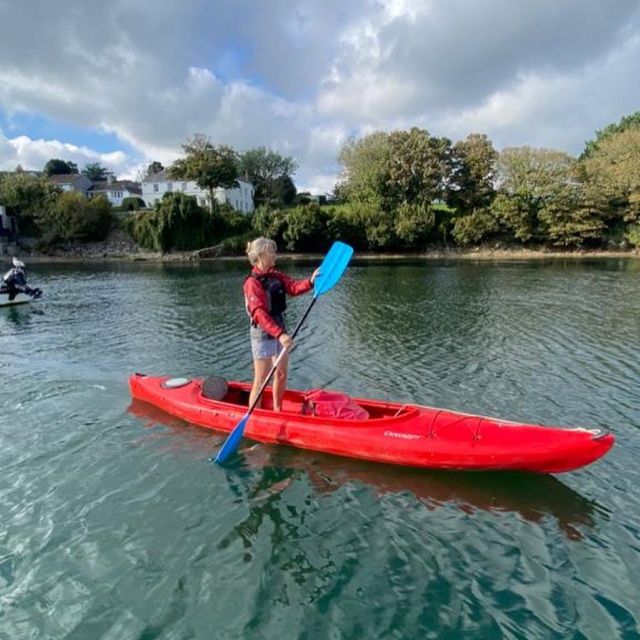
Richmond’s Thames is a fine place to learn kayaking because you get calm instruction, historic river scenery, and a real sense of moving through the countryside by water. Paddle Richmond uses sit-on-top kayaks, which are a reassuring choice for first-timers and make self-rescue less intimidating.
I like the small six-person limit, since an instructor can keep an eye on each paddler. I also like that the session includes more than a quick paddle: Peter, Nigel, Harry, and Sarah have all been praised for clear, professional teaching. The main catch is that your route and distance depend on tide and wind, so the outing is not a fixed sightseeing tour.
Key points to know before you book
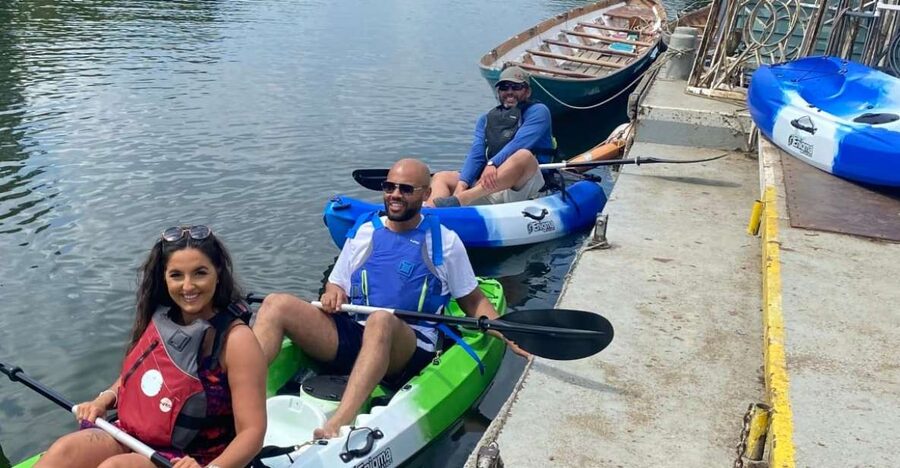
- Meet under Richmond Bridge: Find the arch beside the boathouses, then finish back at the same spot.
- Expect 15 to 20 minutes of shore tuition: You learn equipment, river safety, steering, stopping, navigation, and self-rescue before setting off.
- Paddle in a small group: The maximum is six participants, useful for beginners who want direct help.
- The route changes with the tide: You may head toward Eel Pie Island and Teddington, or toward Richmond Lock, Isleworth, Kew Gardens, and Chiswick.
- Bring practical river gear: Wear your paddling clothes to the meeting point, and pack biodegradable sunscreen, a towel, weather-appropriate clothing, and a waterproof bag.
- Allow time to wash afterward: If you fall in or get splashed, you need to wash thoroughly, and Richmond has no shower facilities.
Why Richmond is a good place to learn kayaking
Many first kayaking sessions take place on a small lake or a narrow training channel. This one puts you on the Thames, where the river feels like part of the town rather than a sealed-off sports facility.
You launch near Richmond Bridge, one of the most attractive stretches of the river in the London area. From the water, the bridge and the boathouses give the opening minutes a strong sense of place. You are not simply practicing strokes in a featureless pool. You are learning while the river carries you through a changing setting.
That said, the Thames is a working river, and the exact route depends on conditions. This is not a hop-on, hop-off sightseeing cruise with a guaranteed list of landmarks. I would book it for the experience of learning and paddling on the river, not for the promise of reaching one particular destination.
The two-hour length is well judged. You have enough time for instruction and a proper outing, but the session does not take over your whole day. You can pair it with time in Richmond before or afterward without committing to a full-day activity.
A few more Britain days worth weighing up
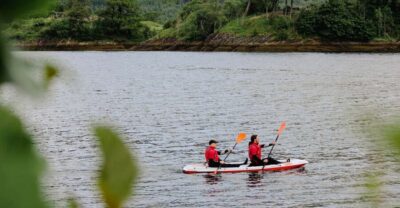
- Glencoe: 2 Hour Kayak Hire, explore the loch and islands
★ 4.6 · 17 reviews - 2 seater Canoe Rental in Ladbroke Grove
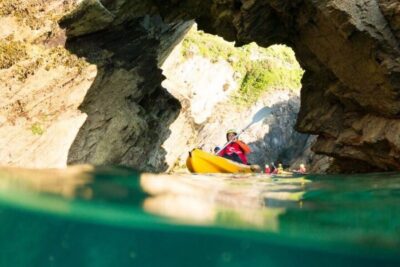
★ 5.0 · 13 reviews - Newquay: Sea Kayaking Tour
★ 4.7 · 12 reviews
Starting beneath Richmond Bridge
Your meeting point is the arch under Richmond Bridge, right beside the boathouses. This is also where the session ends, so you do not need to arrange a separate pickup or work out how to get back from another stretch of the river.
Arrive ready to paddle. Space for changing is very limited, so the practical advice is simple: wear the clothes you plan to use on the water. Bring clothing suited to the weather, since conditions on the river can feel different from conditions on the bank.
A waterproof bag is useful for anything that must stay dry. Biodegradable sunscreen is requested, a sensible choice for an activity where sunscreen can wash directly into the water. A towel is also worth carrying, even if you expect to stay upright.
Transportation and food are not included. You need to make your own way to Richmond Bridge and bring any snacks or drinks you want. Since the session lasts two hours and there are no food stops built in, eat beforehand if you need a proper meal.
The first 15 to 20 minutes: safety before scenery
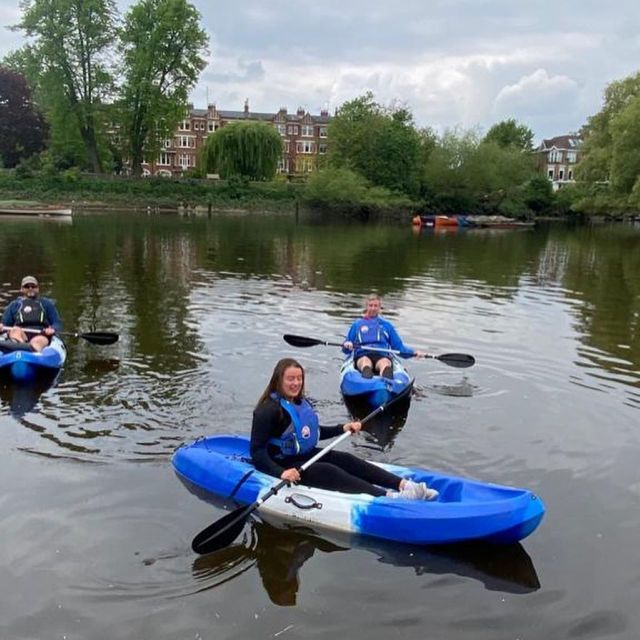
The session begins with a safety briefing and training on the riverbank or a nearby pontoon. This usually takes 15 to 20 minutes, with the exact length shaped partly by group size.
You are introduced to the kayak and other equipment before getting onto the river. The instructor covers basic safety and navigation, then works through the paddle skills needed for the outing. You learn how to steer, stop, and handle a self-rescue.
This opening is especially important for beginners. Kayaking can look easy from the bank, but a few clear instructions make the boat feel much less mysterious. Knowing how to stop and recover is more useful than being sent off with only a quick demonstration of forward paddling.
The self-rescue lesson may also make the possibility of getting wet feel more manageable. The kayaks are sit-on-top models, so you are not enclosed inside a cockpit. That design is reassuring for new paddlers, though it also means you should treat the clothing and towel advice seriously.
The instructors speak English. With only six people in the group, you should have a reasonable chance to ask questions and get corrections rather than simply copying someone far ahead of you. The small size also suits mixed groups, since the instructor can adjust the level of help.
Setting off on the Thames
Once the shore lesson is complete, you paddle out from Richmond. The route is chosen according to the tide and wind, so the direction is flexible.
Upstream, the outing may head toward Eel Pie Island and Teddington. Downstream, it may go toward Richmond Lock, Isleworth, Kew Gardens, and Chiswick. Those options give the session a useful sense of discovery, but you should not read them as guaranteed stops or a fixed itinerary.
The actual distance covered also depends on the conditions on the day. A strong wind or an awkward tide can change how far the group goes. That is not a flaw in the experience. It is simply part of paddling on a real river, where you work with the water instead of following a rigid route.
I like this approach because it puts safety ahead of collecting landmarks. The instructor can choose the more suitable direction and pace for the group. If you are new to kayaking, that matters more than squeezing in an extra stretch of river.
Same city, a completely different sort of afternoon:
- London: The London Eye Entry Ticket
★ 4.6 · 35,875 reviews - From London: Harry Potter Warner Bros Studio Tour
★ 4.7 · 26,588 reviews - London: Westminster to Greenwich River Thames Cruise
★ 4.5 · 22,836 reviews - Magical London: Harry Potter Guided Walking Tour
★ 4.7 · 22,044 reviews
What you may see along the route
The river scenery changes depending on the direction and distance. Eel Pie Island and Teddington offer an upstream option, while Richmond Lock, Isleworth, Kew Gardens, and Chiswick lie along the downstream route.
The appeal is less about ticking off each place and more about seeing the Thames from water level. Richmond’s river corridor has a calmer, more open feel than many parts of London, and the pace of a kayak lets you notice the relationship between the river, bridges, banks, and boathouses.
You should keep expectations practical. The activity description does not promise a detailed guided history tour, so the main focus is kayaking tuition and river time. If you want a long commentary about architecture or local history, this may not be the right format. If you want to learn a new skill while moving through a scenic section of the Thames, it makes better sense.
The tide is part of the experience. It affects direction, effort, and distance, which means two sessions may not feel exactly alike. For a first outing, this also gives you a useful introduction to how natural conditions shape river travel.
The instructors and teaching style
The strongest praise centers on the instruction. Peter is specifically thanked for creating an enjoyable session, while Nigel and Harry are credited with clear teaching and good hosting. Sarah is described as excellent and professional.
Those details matter because an instructor can make or break a beginner activity. You want someone who treats safety seriously without turning the session into a lecture, then gives you enough freedom to feel that you are actually paddling.
The available information does not assign a particular instructor to your date, so you should not book expecting one named guide. Still, the repeated positive comments about different instructors suggest that the teaching team is a major part of the experience.
Advanced paddlers are welcome too, but the session is not presented as a high-level performance clinic. Experienced participants may find the basics familiar. Their benefit is likely the chance to enjoy the Thames with an instructor, refine technique, and paddle in a small group rather than simply rent a kayak without guidance.
For a mixed group, the flexible pace is useful. Beginners can focus on balance and steering, while more confident paddlers can make the most of the river time. The instructor’s job is to keep the group together and adjust to the conditions.
How the $87.55 price measures up
At $87.55 per person, this is not the cheapest way to spend two hours near the Thames. You are paying for tuition, equipment, safety instruction, and a guided river outing rather than just hiring a boat.
That makes the price easier to justify for a beginner. A rental without instruction might cost less, but it would leave you to manage the equipment, river rules, route, and recovery skills on your own. Here, the session starts with practical training and includes an instructor throughout the activity.
The six-person maximum improves the value. You are not paying for a large-group paddle where the instructor has little time for individual help. If you are nervous about kayaking, a smaller group can save you from feeling lost in the first few minutes.
For an experienced paddler, the calculation is different. If you already own equipment and know the Thames well, the tuition may not add much. The price makes most sense if you value a guided outing, want to paddle this part of the river without arranging your own equipment, or are introducing someone new to kayaking.
The reserve-now-and-pay-later option also gives you some flexibility when organizing a London visit. You can hold a place without paying immediately. Cancellation is free up to 24 hours before the session for a full refund, which is useful when weather and travel plans are still unsettled.
Wet-weather planning and river manners
You do not need to assume that falling in is part of the plan, but you should prepare as if splashing is possible. Sit-on-top kayaks are beginner-friendly, yet they leave you more exposed to spray and water than an enclosed kayak.
Wear weather-appropriate clothing and bring a towel. A waterproof bag protects important items, but keep the load small because space at the meeting point is limited.
If you fall in or get splashed, you need to shower or wash thoroughly afterward. Richmond has no shower facilities, so think ahead about where you will clean up. Open cuts must be covered, another important point for anyone with recent scrapes or skin breaks.
The biodegradable sunscreen request is worth following carefully. You are spending the session directly on the river, and suitable sunscreen protects you without adding unnecessary pollutants to the water.
These are small planning details, but they affect how comfortable the afternoon feels. The experience is much easier when you arrive dressed for the activity instead of hoping to change beside the bridge.
Who will enjoy this session most
This is a strong fit for first-time kayakers who want instruction without giving up the pleasure of a real river trip. You learn the basic controls, practice safety skills, and then use them on the Thames.
It also works well for couples, friends, and small family groups who want an active two-hour outing. The six-person cap keeps the session personal, and the return to Richmond Bridge makes the logistics simple.
Confident paddlers can join, but they should understand the level. The session is suitable for advanced participants, yet the main teaching covers fundamentals such as steering, stopping, and self-rescue. It is better viewed as a guided river experience than a demanding technical workout.
I would be more cautious about booking if you need a guaranteed route, dislike the possibility of getting wet, or want extensive historical commentary. I would also think twice if changing clothes and washing afterward will be difficult.
Practical details that affect your choice
The total duration is two hours, and starting times vary, so check availability before building the rest of your day around it. The tour begins and ends at the arch under Richmond Bridge next to the boathouses.
Tuition, the safety briefing, the river tour, and equipment are included. Food, drinks, and transportation are not.
The activity is offered in English. Free cancellation is available until 24 hours before the session, and you can reserve now and pay later. These policies are useful, but the most important decision is still whether you are comfortable with variable river conditions and limited changing space.
Should you book Paddle Richmond?
Book this if you want a friendly introduction to kayaking on an especially attractive part of the Thames, with safety training and a small group rather than a self-guided rental. The repeated praise for Peter, Nigel, Harry, and Sarah points to careful instruction as the main strength.
The $87.55 cost is reasonable for a two-hour lesson that includes equipment and a guided outing, especially if you are new to the sport. Just remember that tide and wind decide the route, and there are no showers at the meeting point.
For a first paddle, a small group, and a proper introduction to river safety, I would book it. Arrive already dressed to paddle, bring a towel and waterproof bag, and treat the changing route as part of the Thames experience rather than a disappointment.
FAQ
How long does the kayaking experience last?
The session lasts two hours, including the safety briefing, land-based instruction, and time on the Thames.
Where does the activity start?
Meet at the arch under Richmond Bridge, right next to the boathouses.
Where does the activity finish?
The session ends back at the same meeting point under Richmond Bridge.
How large is the group?
The group is limited to six participants.
Is the experience suitable for beginners?
Yes. The session teaches basic paddle techniques, steering, stopping, river safety, navigation, and self-rescue. It is also suitable for advanced paddlers.
Which route will the kayak session take?
The route depends on the tide and wind. You may paddle upstream toward Eel Pie Island and Teddington, or downstream toward Richmond Lock, Isleworth, Kew Gardens, and Chiswick.
What should I bring?
Bring biodegradable sunscreen, a waterproof bag, a towel, and weather-appropriate clothing. You should arrive wearing the clothes you plan to paddle in because changing space is very limited.
Are showers available after kayaking?
No. Richmond does not have shower facilities. If you fall in or get splashed, you need to wash thoroughly afterward, and any open cuts must be covered.
Just added around Britain
- London: Wimbledon Tennis Club and Westminster Walking Tour★ 4.5 · 86 reviews
- London: Westminster to Richmond River Thames Cruise★ 4.8 · 23 reviews
- Winchester: Historic Castles and Cathedrals Walking Tour★ 4.9 · 154 reviews
- Westminster Abbey Skip-the-Line Entry and Private Tour★ 4.6 · 4 reviews
- Best of London by LE GRAND – London’s Luxury Bus Tour★ 4.2 · 23 reviews
- Whitby: Guided Distillery Tour with Gin Tasting★ 5.0 · 28 reviews
- London: Westminster Walking Tour & St Paul’s Cathedral Entry★ 4.7 · 7 reviews
- Warwick: Entry Ticket for Warwick Castle★ 4.7 · 215 reviews
Canoes & Kayaks, compared.
Glencoe: 2 Hour Kayak Hire, explore the loch and islands
Read our review →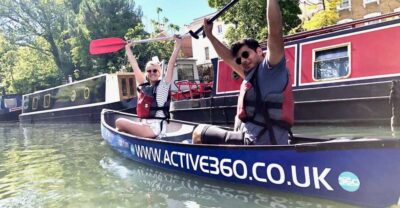
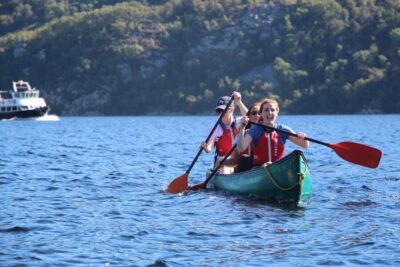
Loch Ness, Family-Friendly, 1-Hour Discovery Canoe Tour
Read our review →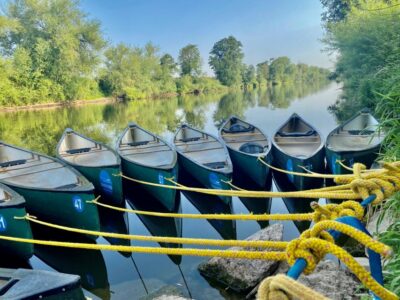
Herefordshire: River Wye Half day unaccompanied canoe trip
Read our review →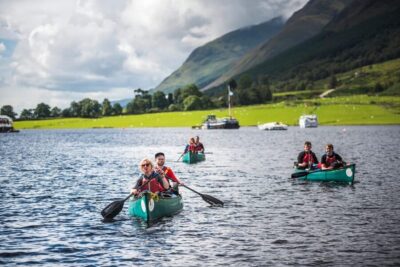
Loch Ness, Scenic 2.5 Hour Tour Guided Canoe Tour
Read our review →
Browse the lists this tour appears in