Reviewed · TICKETS
Handel Hendrix House Ticket
The unusual charm of Handel Hendrix House is right there in the address: two musicians from different centuries lived side by side at 25 and 23 Brook Street. You begin with Handel, court composer and baroque showman, then climb to a careful recreation of Jimi Hendrix’s London home. I like the live harpsichord playing, and I like the small domestic details in Hendrix’s room more than a grand display of famous objects. The main drawback is size: Hendrix’s section is compact, and much of what you see there is recreated rather than original.
I also like that this is not just a room full of labels. Volunteers often sit in the galleries and talk through the details, so you can ask questions as you go. Allow at least two hours if you want to read everything and pause for music, though a quick visit can take about an hour. Large bags and luggage are not allowed, so plan around that.
Key points at a glance
- Handel wrote Messiah here: See the rooms where he composed, rehearsed, entertained, and worked in eighteenth-century Mayfair.
- A temperamental musical past: Look toward the windows linked with Handel’s threat to throw soprano Cuzzoni out of one.
- Live harpsichord sound: Musicians may practice during the day, giving the Handel rooms an unusually direct link to their original purpose.
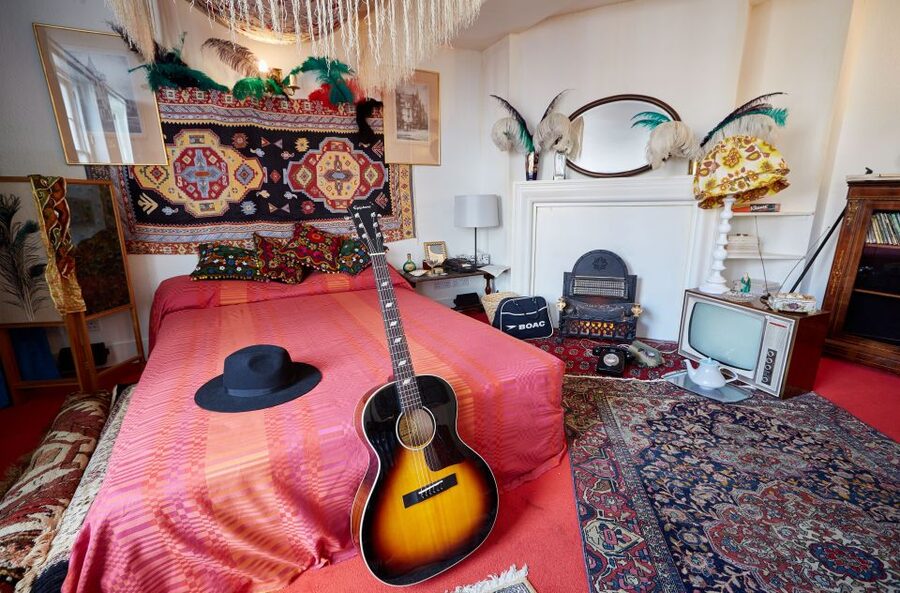
- Hendrix’s only real home: Visit the recreated Brook Street flat where Jimi Hendrix lived with Kathy Etchingham in 1969.
- Records, pedals, and domestic details: Explore Hendrix’s musical tastes, equipment, acoustic guitar, and everyday surroundings.
- Small but easy to fit into a London day: The museum is close to Bond Street station and works well with other Mayfair stops.
Two musicians, one Brook Street address
Most London music museums focus on one artist. This one gives you two, with Handel’s former rooms at number 25 and Hendrix’s flat at number 23. That physical closeness is the whole point. You do not need to cross town or switch eras in your head. You walk upstairs through one house and then move into another musical world.
Handel lived at the property for 35 years, during a period when he was central to English court life and London’s music scene. Jimi Hendrix lived next door for a much shorter time, but his stay in London helped shape his fame and his public image. The contrast is striking: one composer worked in powdered-wig London, the other became a defining guitarist of the 1960s.
I find the pairing more interesting than either half would be alone. Handel’s rooms give you age, wood, plaster, and a sense of working life. Hendrix’s rooms give you color, pop culture, and clues about a young musician who finally felt he had a home. The museum is less about comparing musical styles than about comparing how two famous artists occupied ordinary rooms.
A few more London days worth weighing up
- From London: Harry Potter Warner Bros Studio Tour
★ 4.7 · 26,588 reviews - London: Westminster to Greenwich River Thames Cruise
★ 4.5 · 22,836 reviews - Magical London: Harry Potter Guided Walking Tour
★ 4.7 · 22,044 reviews
Handel’s Brook Street rooms and the writing of Messiah
The Handel section begins with the building itself. You make your way up a 250-year-old Grade I listed stairway, described as wonky, and the unevenness helps the place feel like a lived-in home rather than a polished concert hall. The climb is also a practical consideration for anyone who finds old stairs difficult.
Inside, you move through the rooms where Handel composed, rehearsed, performed, and met other leading musicians of the baroque period. The displays place his work in the setting of daily life. You are not only looking at a famous composer’s name on a wall. You are seeing the rooms linked with his creative work, social circle, and household routine.
The largest emotional pull is the connection with Messiah. Handel composed the oratorio here, so the room becomes a useful reminder that major music was produced in a domestic setting. You may find yourself thinking less about the later fame of the piece and more about the practical act of writing, revising, rehearsing, and preparing music in a Mayfair house.
The museum also brings out Handel’s forceful personality. From the windows, he threatened to throw soprano Cuzzoni out when she refused to sing one of his arias. It is a theatrical story, but it also suits the room. Handel was not presented as a quiet genius working in isolation. He was a working professional with strong opinions, demanding performers and a temper that could fill a small house.
Let the harpsichord set the mood
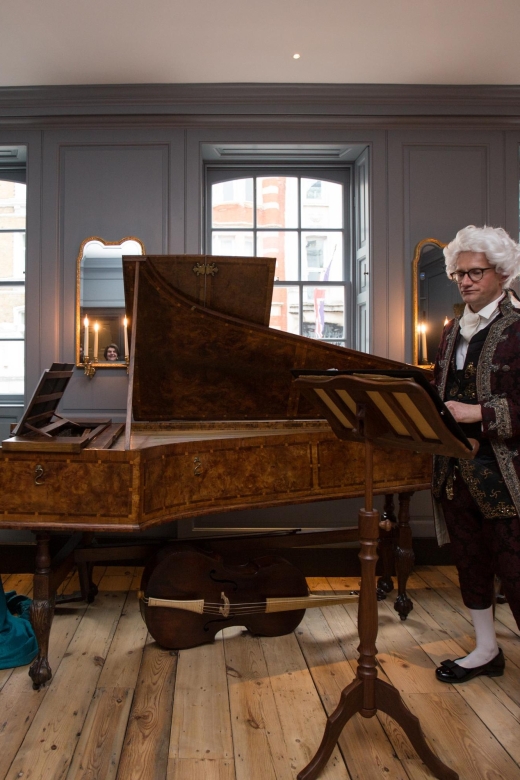
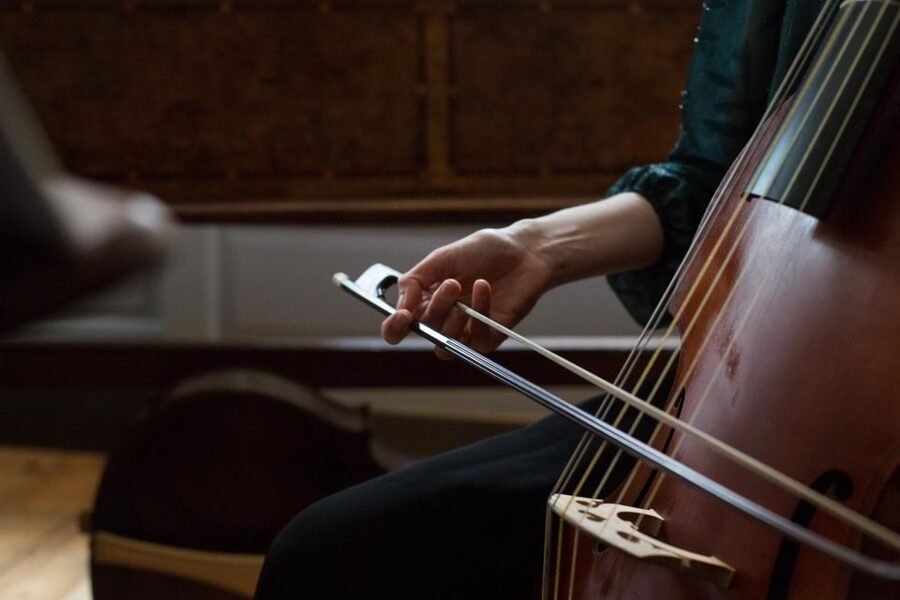
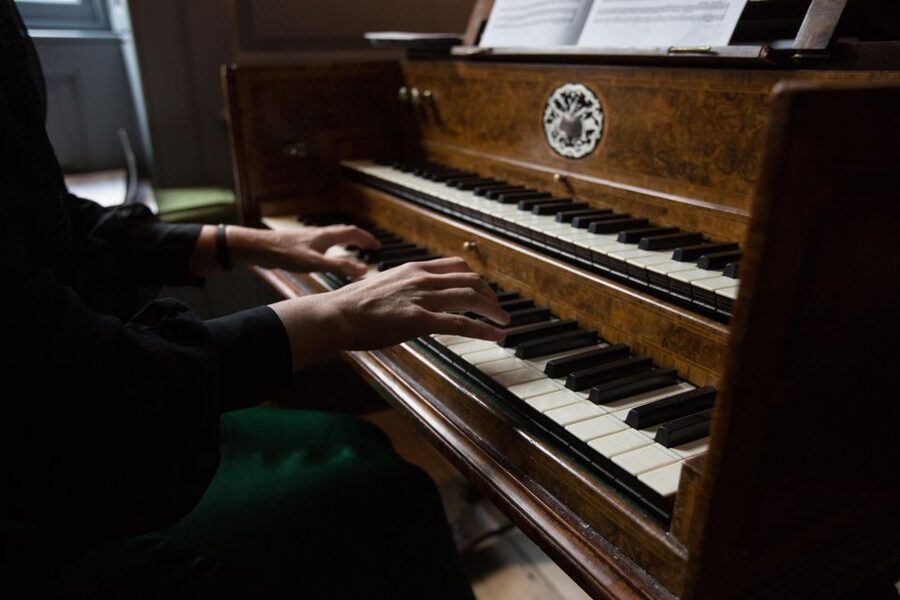
One of the best features is the chance to hear an antique harpsichord while you explore. Musicians are often found practicing on one of the instruments during the day. This is not the same as attending a full concert, and you should not count on a set performance at every visit, but even a rehearsal changes the feel of the rooms.
The sound is bright, dry, and direct. It helps you understand baroque music in a way that a silent instrument in a glass case cannot. If someone is playing, slow down. Stand in the room for a few minutes instead of treating the music as background noise while you rush to the next display.
Some visitors have allowed two or three hours so they could read the material, talk with the volunteers, and wait for a little live playing. That is generous for a small museum, but it makes sense if music is your main reason for coming. If your schedule is tight, one hour can cover the essential rooms, though you will have less time for the stories and instruments.
Handel’s dressing room and final bedroom
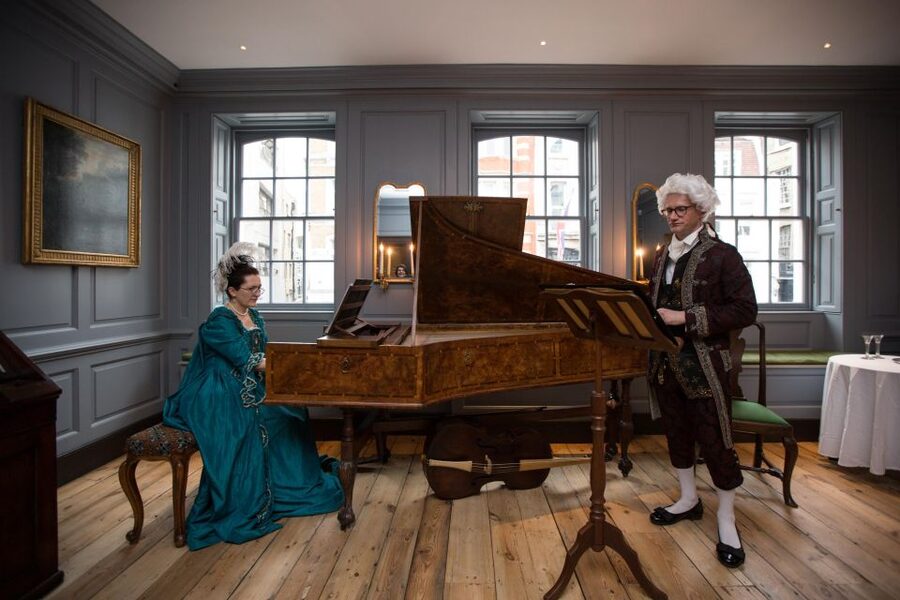
Higher up, the museum takes you into Handel’s dressing room and bedroom. These rooms give the visit a quieter tone. You are now seeing the private side of the composer who worked at the center of public musical life.
The bedroom is especially meaningful because Handel died there in old age after his long period in London. The museum’s description of those years presents them as a happy and productive part of his life at the heart of English court culture and music. That context helps the room feel like more than a final stop on a staircase. It is tied to the full arc of his London life.
Do not expect a large house museum with endless rooms. Handel’s section is the more extensive part of the visit, but it remains intimate. The limited scale is useful if you prefer focused museums, though anyone expecting a major palace or a large collection may find the tour short.
Same city, a completely different sort of afternoon:
- London: Madame Tussauds London
★ 4.6 · 20,915 reviews - London: Warner Bros. Studio Tour with Transfers
★ 4.7 · 17,586 reviews - London: Tower Bridge Entry Ticket
★ 4.7 · 15,560 reviews - London: St Paul’s Cathedral Entry Ticket
★ 4.7 · 9,813 reviews
Jimi Hendrix’s 1969 flat
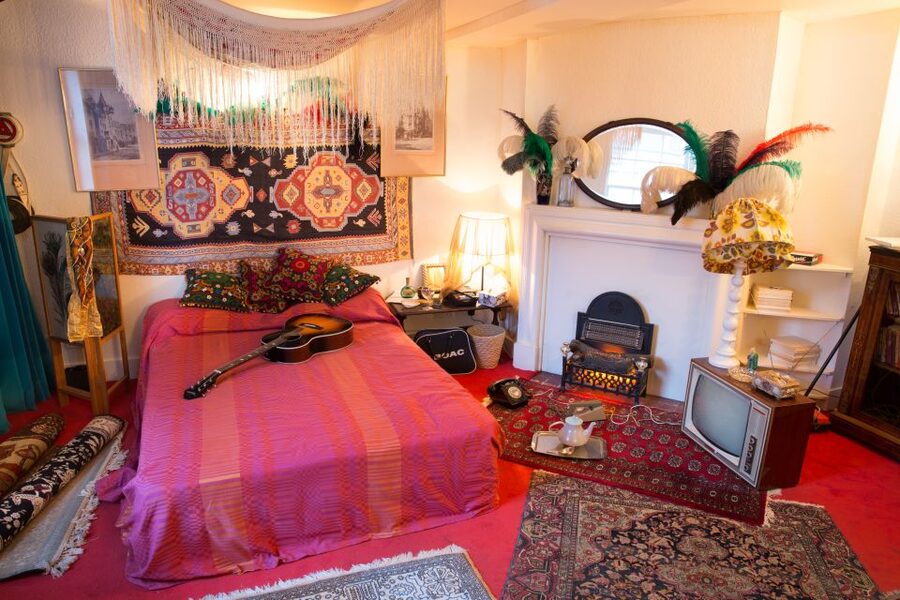
The Hendrix rooms are upstairs, and the change is immediate. You move from Handel’s eighteenth-century home into 1960s London and the era of Swinging London. Hendrix lived at 23 Brook Street with his girlfriend Kathy Etchingham, and he described the flat as the first place he had truly called home.
The recreation was built from detailed research, with Etchingham’s help on many small points. That matters because the room is meant to show how Hendrix lived, loved, and played, not simply where a famous photograph happened to be taken.
Look for the everyday details. The appeal is not only the famous name attached to the address. It is the attempt to reconstruct a domestic space around a young musician at the height of his London career. You get a sense of the room as a place where records were played, music was discussed, equipment was used, and private life unfolded away from the stage.
I would set your expectations carefully. The Hendrix section is smaller than Handel’s, and not every item in the room is an original Hendrix possession. One particularly important criticism is that there are few authentic objects directly tied to his flat, with a mirror singled out as an original item. The recreated room is colorful and evocative, but it is best understood as a researched reconstruction, not a preserved apartment.
That distinction does not make it pointless. For many people, the domestic setting is the draw. You can see how the museum interprets his home life and how the room connects with the photographs and film footage associated with him. If you want a display packed with original guitars and stage costumes, you may want more. If you want a closer look at his London surroundings, this is the right kind of place.
Records, Kathy Etchingham, and Hendrix’s sound
The Hendrix section also explores his record collection. You can browse the albums he enjoyed and learn what each recording meant to him, along with anecdotes connected to Kathy Etchingham. This gives the display a more personal angle than a simple timeline of concerts and hit songs.
The records help you think about Hendrix as a listener as well as a performer. His sound did not appear from nowhere. The albums he returned to form part of the musical world around him, and this collection shows one route into his influences and tastes.
You will also find information about the amplifiers and pedals he used to create his distinctive sound. These items answer a practical question that many music fans have: how did he produce those effects? The display cannot recreate the full force of a Hendrix concert in a small room, but it can show the tools behind the sound.
An acoustic guitar is also on display. Together, the guitar, pedals, amplifiers, and records make the Hendrix section useful for both dedicated fans and people who know only the basic story. You do not need to be an equipment expert. The objects give you a clear way to connect the technical side of his music with the private room where he lived.
How the visit works in a Mayfair day
Handel Hendrix House is at 25 Brook Street in Mayfair. Bond Street station, served by the Central and Jubilee lines, is the nearest Tube stop. The location makes this an easy addition to a day in central London, especially if you are already in Mayfair or near Oxford Street.
The listed price is about $19 per person. I consider that fair if you allow two hours and take time with both artists. The value comes from the unusual combination, the preserved Handel rooms, the carefully researched Hendrix recreation, and the chance of live harpsichord practice. It is less convincing if you rush through in 30 minutes or care strongly about original Hendrix artifacts.
The ticket covers museum admission only. Entry to special events is not included. Live music may also be offered at particular times, including Saturday afternoon events, but those require separate admission according to the information provided. Check the date and event details before assuming a standard ticket includes a concert.
The activity is listed as valid for one day, with availability and starting times checked when booking. It is a small-group setting, limited to nine participants, though the museum itself feels more like a compact house visit than a conventional group tour. English is the stated language, and a host or greeter is available.
Wheelchair accessibility is listed, but the historic stairway is a notable part of the building. If you use a wheelchair or need step-free access, confirm the route and available arrangements with the museum before setting out. The no-luggage rule is simpler: leave large bags elsewhere.
Who will get the most from this museum

I would recommend this to music lovers who enjoy context, instruments, and personal stories more than a large collection of objects. Handel fans get the stronger preserved-house element. Hendrix fans get the more modern and colorful section, but should be comfortable with a recreation that contains limited original furnishings.
It also works well for couples or families with different musical tastes. One person may come for Messiah, another for Hendrix’s guitar, and both have a clear reason to pay attention. The contrast between the two homes gives the visit a natural structure.
You should be more cautious if you want a full concert, a long guided tour, or an extensive Hendrix archive. There are no named guides listed, but volunteer staff may be present in the rooms, and they can add useful details when you ask questions. Their presence is one of the reasons I would avoid rushing.
The museum received an overall rating of 4.7 from 79 reviews, and the strongest pattern is clear: people praise the combination of Handel and Hendrix, the helpful staff, the atmosphere of the old rooms, and the unexpected live music. The most useful criticism is equally clear: the venue is small, and the Hendrix flat has fewer original objects than some fans may expect.
Should you book Handel Hendrix House?
Book it if you like the idea of hearing a harpsichord in Handel’s former rooms, then stepping into a researched recreation of Hendrix’s home next door. The unusual pairing, central location, and modest two-hour time commitment make it a smart London stop, especially at about $19.
Skip it if you are looking for a major Hendrix collection or a guaranteed concert. For the best visit, keep your schedule loose enough to listen if a musician is practicing, speak with the volunteer guides, and give the Hendrix room time to work as a domestic portrait rather than judging it only by the number of original objects.
FAQ
Where is Handel Hendrix House?
It is at 25 Brook Street in Mayfair, London, W1K 4HB. Bond Street station, on the Central and Jubilee lines, is the nearest Tube station.
What does the ticket include?
The ticket includes museum entrance fees. Entry to events is not included.
How long does a visit take?
You can see the museum in about one to two hours. Allow two to three hours if you want to read the displays, speak with the volunteers, and wait for possible harpsichord practice.
Will I see the rooms where Handel wrote Messiah?
Yes. The Handel rooms are where he composed, rehearsed, performed, and worked, including the rooms associated with the writing of Messiah.
Is Jimi Hendrix’s flat original?
The Hendrix flat is a careful recreation based on research and Kathy Etchingham’s help with many details. The room contains limited authentic objects connected directly with the flat.
Is live music included with admission?
No. Entry to events is not included. Musicians may practice on the harpsichords during the day, and separate live music events may require additional admission.
Is the museum wheelchair accessible?
Wheelchair accessibility is listed for the activity. Because the house includes a wonky historic stairway, confirm the specific access arrangements before visiting.
Can I bring luggage or a large bag?
No. Luggage and large bags are not allowed.
Can I cancel my booking?
You can cancel up to 24 hours in advance for a full refund. A reserve-now, pay-later option is also available.
Just added around London
- London: Wimbledon Tennis Club and Westminster Walking Tour★ 4.5 · 86 reviews
- London: Westminster to Richmond River Thames Cruise★ 4.8 · 23 reviews
- Westminster Abbey Skip-the-Line Entry and Private Tour★ 4.6 · 4 reviews
- Best of London by LE GRAND – London’s Luxury Bus Tour★ 4.2 · 23 reviews
- London: Westminster Walking Tour & St Paul’s Cathedral Entry★ 4.7 · 7 reviews
- From London: Oxford, Stratford-upon-Avon & Cotswolds Trip★ 4.5 · 64 reviews
- From London: Warwick, Oxford, Stratford & Cotswolds Day Tour★ 4.0 · 270 reviews
- Warner Bros. Studios and 1-Day London Hop-on Hop-off tour★ 4.7 · 9 reviews
Tickets, compared.




Buckingham Palace: The State Rooms Entrance Ticket
Read our review →