Reviewed · LONDON TOURS
Hidden Tube Tour – Piccadilly Circus: The Heart of London
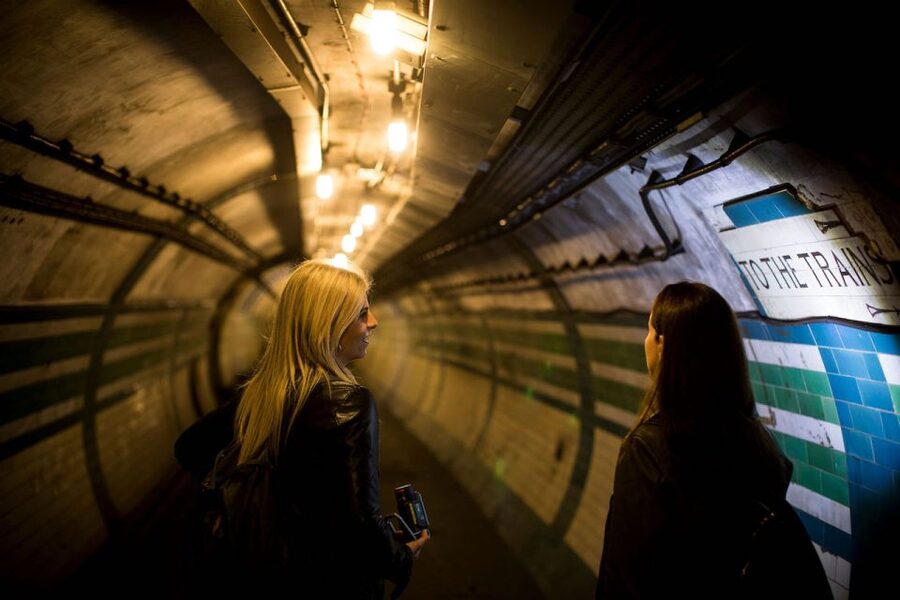
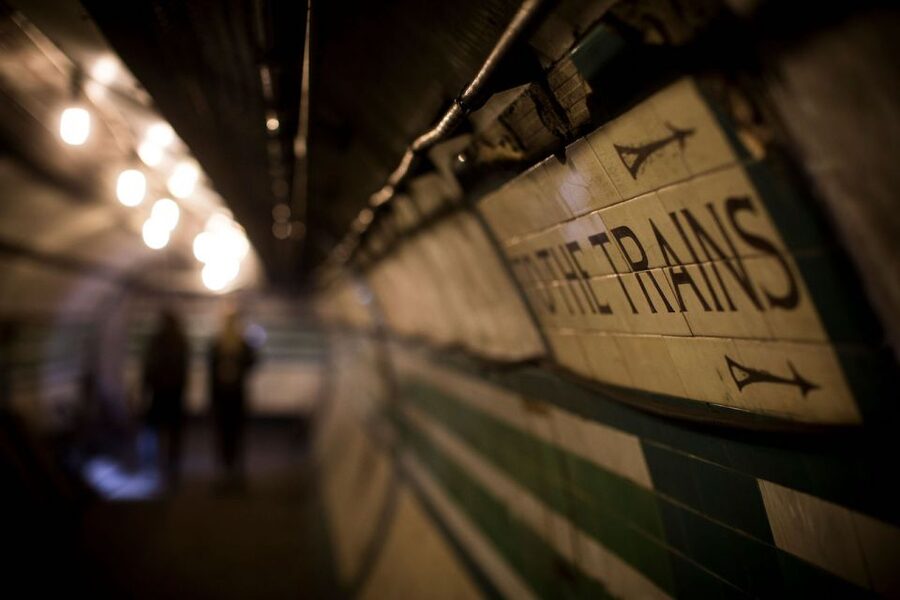
Piccadilly Circus is famous for neon signs, traffic, and crowds above ground. Beneath it, sealed passenger tunnels and old lift shafts tell a quieter story about how London built, altered, and reused its Underground. This 75-minute tour takes you through parts of the station most passengers never see.
I like the strong historical focus and the guides’ lively approach. The tour is based on the London Transport Museum’s own archive, and recent feedback repeatedly praises the guides as informative, enthusiastic, kind, and humorous. I also like the unusual wartime stories and the chance to see original Edwardian features rather than only the polished public station.
The catch is physical: you’ll tackle stairs, uneven ground, low lighting, and narrow underground spaces. There is no elevator, and the experience is not suitable for people with claustrophobia or mobility impairments.
Key points at a glance
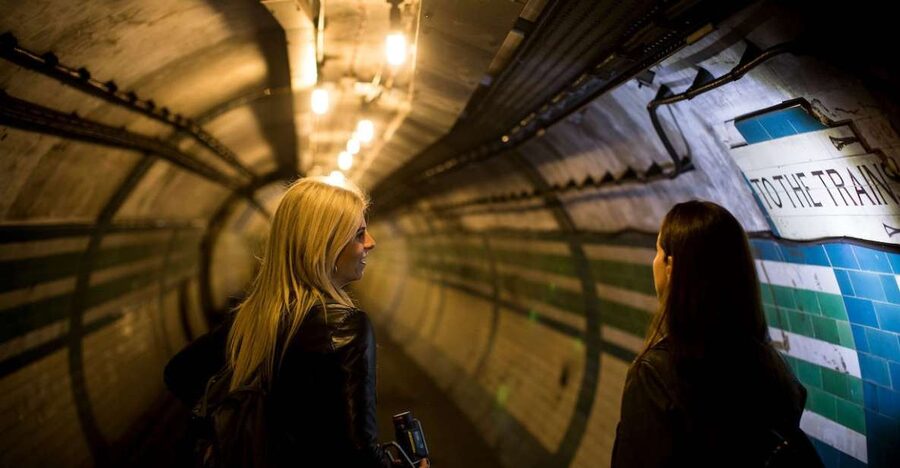
- Sealed tunnels from 1929: Walk through disused passenger areas closed to the public for nearly a century.
- Wartime Piccadilly Circus: Hear how people used the station as a shelter during the Second World War.
- Edwardian design below street level: See original details from the station’s 1906 opening.
- Secret doors and lift shafts: Enter service areas that ordinary Tube passengers never encounter.
- A short, focused tour: The 75-minute format gives you a concentrated look at one station rather than a broad London history lesson.
- Stairs and low light: Wear sturdy shoes and skip this tour if confined spaces or uneven footing are a serious concern.
Why Piccadilly Circus Underground is worth seeing
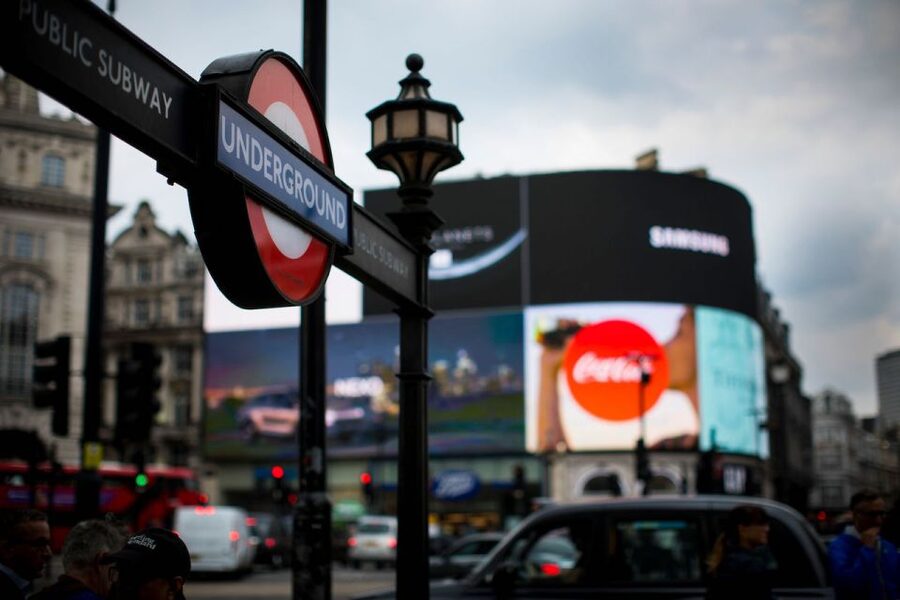
Piccadilly Circus station opened in 1906, serving the Bakerloo and Piccadilly lines. At first, its design reflected the needs of an Edwardian city, when underground rail travel was still a fairly new part of daily life.
London changed quickly. More people used the Tube, Piccadilly Circus became busier, and the station needed a major update. Between 1925 and 1928, it was extensively modernised. That work created the station passengers recognise today, while also leaving older sections behind.
This is what makes the tour more interesting than a simple look at an abandoned corridor. You are seeing several periods of London transport in one place: the original station, the interwar rebuilding, wartime use, and later changes made to handle modern passenger demand.
I like that the tour keeps its attention on one station. You get enough time to understand how Piccadilly Circus worked, why it was altered, and what happened to spaces that no longer fit the public layout. The setting also helps. The busy landmark above gives the underground rooms a sharp contrast.
A few more London days worth weighing up
- From London: Harry Potter Warner Bros Studio Tour
★ 4.7 · 26,588 reviews - London: Westminster to Greenwich River Thames Cruise
★ 4.5 · 22,836 reviews - Magical London: Harry Potter Guided Walking Tour
★ 4.7 · 22,044 reviews
Meeting beneath the Criterion Restaurant
The meeting point is at the bottom of the stairs for Exit 4 of Piccadilly Circus Underground station. Look for the exit at the corner of Shaftesbury Avenue and Coventry Street, beside the Criterion Restaurant.
This is a central meeting point, but Piccadilly Circus can be hectic. Give yourself time to find the correct exit rather than rushing in at the last minute. The tour ends back at the same meeting point, which makes the outing easy to fit into a day in central London.
You do not need to arrange separate transport during the activity. Travel to and from Piccadilly Circus is not included, so you should plan your own route to the station. Check your booked start time carefully, since starting times vary with availability.
Bring a passport or ID card. The requirements specifically call for identification, so do not assume that a booking confirmation alone will be enough.
Through the station’s Edwardian past
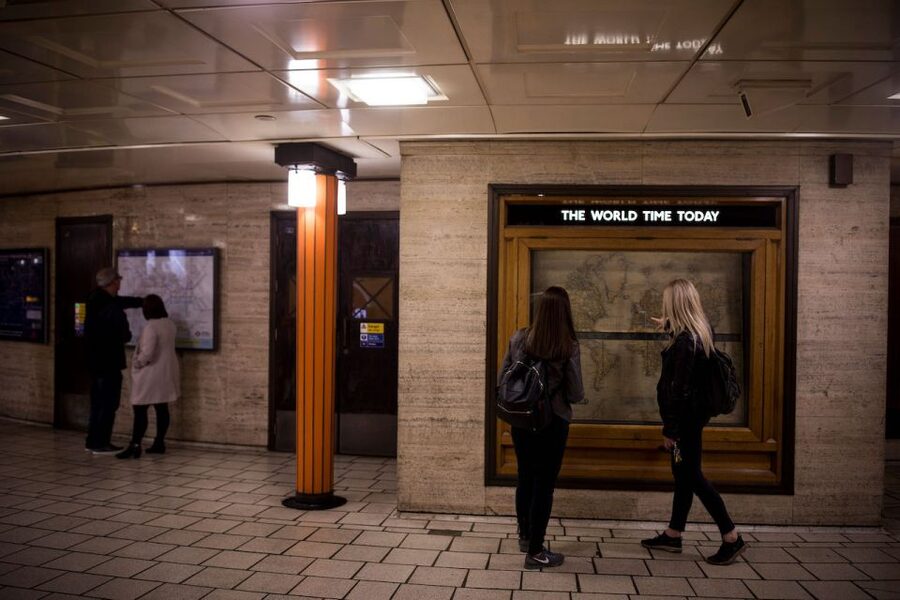
The first part of the experience sets up Piccadilly Circus as a working station with a long life, not just a collection of abandoned spaces. You’ll learn about its opening in 1906 and the two Tube lines it served.
The original Edwardian features are a major reason to book. Underground stations can look purely functional, but early designs often reveal how much care went into public architecture. Here, the old details help you picture the station before the later rebuilding changed its passenger routes.
You might find the contrast especially rewarding if you have already used the Tube several times. The familiar signs and platforms are designed to move you along quickly. The tour slows down and points out the parts that were left behind.
This is also where a guide’s skill matters. The strongest part of the experience, according to the feedback available, is the delivery. The guides are praised for being informative, enthusiastic, pleasant, and funny, which should help keep the technical history from feeling dry.
Secret doors, old lift shafts, and closed corridors
The main attraction is the access beyond the normal public route. You’ll go through secret doors into passageways and lift shafts that have been closed to ordinary passengers since 1929.
That date gives the visit a useful sense of time. These are not simply quiet corners that happened to be overlooked. They have been outside the public route for generations, while trains and London life continued around them.
The old lift shafts are especially useful for understanding the station’s early operation. Before modern escalator layouts became standard, lifts played a central role in moving people between the surface and the platforms. Seeing the spaces connected with that system helps explain how much underground travel has changed.
Expect the tour to involve walking rather than a series of static viewing points. You’ll move through areas with uneven ground, stairs, and low lighting. Wear sturdy footwear, and choose practical clothing. Open-toed shoes are not allowed, and food and drinks cannot be taken on the tour.
Large bags and luggage are also not allowed, and there is no cloakroom. If you are coming straight from a train station or hotel, travel light.
Same city, a completely different sort of afternoon:
- London: Madame Tussauds London
★ 4.6 · 20,915 reviews - London: Warner Bros. Studio Tour with Transfers
★ 4.7 · 17,586 reviews - London: Tower Bridge Entry Ticket
★ 4.7 · 15,560 reviews - London: St Paul’s Cathedral Entry Ticket
★ 4.7 · 9,813 reviews
Wartime stories beneath Piccadilly Circus
The station’s wartime role adds an important human element. During the Second World War, people took refuge in the Underground, including at Piccadilly Circus.
The tour includes stories about wartime shelterers, showing how a transport station could become a place of safety during air raids. This changes the way you see the tunnels. They were not only built for commuting, shopping, and reaching the West End. At a time of danger, they became part of London’s civil defence and everyday survival.
I find this part valuable because it connects engineering with real life. A station plan can tell you where people moved, but shelter stories show how Londoners actually used these spaces when the city above was under threat.
The low lighting and enclosed setting may make this section feel more immediate, but the same conditions can be uncomfortable for some people. If darkness, tight passages, or underground rooms make you anxious, this is not the right outing for you.
Top-secret storage below a famous landmark
Piccadilly Circus also has a less expected story involving top-secret storage for priceless artefacts. The tour explains how parts of the Underground were used for purposes far beyond passenger transport.
This detail gives the station another layer. Underground London has long offered secure, protected rooms away from street-level danger and public attention. Learning how valuable objects were stored below a major London landmark adds a touch of mystery without turning the tour into fantasy.
The best approach is to listen closely to the guide. The appeal comes from the documented uses of the station and the details preserved by the London Transport Museum, not from theatrical effects. You are visiting a real transport site with real changes in purpose.
That archive-based approach also adds value to the ticket. The London Transport Museum is a major authority on urban transport, and the tour content was prepared by its historical experts. At $60.61 per person, this is not a cheap way to spend an hour, but it offers access and interpretation that you cannot get from simply riding the Tube.
How the $60.61 price works for you
The price is easiest to justify if you care about London’s transport history, engineering, architecture, or wartime past. Your ticket covers a 75-minute guided visit to closed parts of Piccadilly Circus Underground station, including disused sections that are not part of normal public access.
That is a focused experience rather than a general sightseeing tour. You are paying for a specialist guide, controlled access behind station doors, and the chance to see spaces that have been closed since 1929. If you only want famous London views, the price may feel high. If you want a rare look at how the city functions below street level, it is more convincing.
The short duration helps with planning. You can place it between other central London activities without giving up half a day. At the same time, 75 minutes is long enough for the station’s design, wartime use, old tunnels, and later changes to receive proper attention.
Free cancellation is available up to 24 hours before the tour for a full refund, and you can reserve now and pay later. Those options help if your London schedule is still shifting.
Who should book this Piccadilly Circus tour
I would recommend it most strongly to:
- People fascinated by the London Underground and transport engineering
- Visitors who prefer unusual historical sites to standard sightseeing stops
- Architecture fans interested in Edwardian public design
- Anyone curious about London during wartime
- Families with children aged 10 to 15, within the limit of four children per adult
- Repeat London visitors who have already seen the major street-level sights
The tour is in English, with a live guide. Children under 10 cannot join. The limit of four children aged 10 to 15 per adult is worth noting if you are arranging a family booking.
I would not choose it for someone with a mobility impairment. The route is not step free, includes flights of stairs, and has no elevator. It is also a poor choice for anyone uncomfortable in enclosed spaces or dim underground areas.
Practical advice before you enter
Wear sturdy, closed-toe shoes. You may be walking on uneven surfaces, and open-toed footwear is not permitted.
Travel with a small amount of luggage. Large bags are not allowed, and there is no cloakroom. Food and drinks are also prohibited, so finish your snack before arriving.
Arrive at Exit 4, not simply at Piccadilly Circus station in general. The meeting point is at the bottom of the exit stairs beside the Criterion Restaurant, at the Shaftesbury Avenue and Coventry Street corner.
Keep your passport or ID card handy. Identification is listed as something to bring, and having it ready avoids an unnecessary problem at check-in.
Finally, be realistic about the conditions. This is not a polished museum gallery with wide floors and bright lighting. The uneven ground, stairs, and dim passages are part of seeing the old station, but they require a reasonable level of comfort and balance.
My verdict on the 75-minute experience
I like this tour because it gives a famous London place a second identity. Above ground, Piccadilly Circus is all movement and spectacle. Below ground, the station reveals old engineering, forgotten routes, wartime sheltering, and unexpected storage uses.
The strongest points are the access to passenger tunnels closed since 1929 and the quality of the guiding. The available rating is 4.4 from 15 reviews, with especially strong praise for the guides’ information, enthusiasm, humor, and friendly manner. That combination matters in a dark, technical setting. Good storytelling helps you understand why each corridor exists.
The limitations are clear. The price is significant for a 75-minute activity, and the physical demands rule out some people. You will not see every part of the London Underground, and the tour stays centered on Piccadilly Circus.
Book it if you want a carefully researched look at one station’s changing life and you are happy with stairs and enclosed spaces. Skip it if you need step-free access, dislike underground rooms, or are looking for a broad introduction to London. For the right visitor, this is a compact, unusual way to see the city from below.
FAQ
How long does the Hidden Tube Tour at Piccadilly Circus last?
The guided tour lasts 75 minutes.
Where does the tour meet?
Meet at the bottom of the stairs of Exit 4 at Piccadilly Circus Underground station. Exit 4 is at the corner of Shaftesbury Avenue and Coventry Street, beside the Criterion Restaurant.
Where does the tour finish?
The activity ends back at the meeting point.
What language is the tour in?
The tour is conducted in English by a live guide.
What parts of Piccadilly Circus station can I see?
You can visit disused passenger tunnels, passageways, old lift shafts, and original Edwardian parts of the station that have been closed to the public since 1929.
Does the tour include wartime history?
Yes. The guide discusses people who took refuge in Piccadilly Circus station during wartime.
Are children allowed?
Children aged 10 and older can join. Children under 10 are not permitted, and no more than four children aged 10 to 15 are allowed per adult.
Is the tour accessible without stairs?
No. The tour is not step free, includes flights of stairs, and has no elevator. It is not suitable for people with mobility impairments.
What should I bring and wear?
Bring a passport or ID card and wear sturdy, closed-toe footwear with suitable clothing. Open-toed shoes, food, drinks, luggage, and large bags are not allowed. There is no cloakroom.
Just added around London
- London: Wimbledon Tennis Club and Westminster Walking Tour★ 4.5 · 86 reviews
- London: Westminster to Richmond River Thames Cruise★ 4.8 · 23 reviews
- Westminster Abbey Skip-the-Line Entry and Private Tour★ 4.6 · 4 reviews
- Best of London by LE GRAND – London’s Luxury Bus Tour★ 4.2 · 23 reviews
- London: Westminster Walking Tour & St Paul’s Cathedral Entry★ 4.7 · 7 reviews
- From London: Oxford, Stratford-upon-Avon & Cotswolds Trip★ 4.5 · 64 reviews
- From London: Warwick, Oxford, Stratford & Cotswolds Day Tour★ 4.0 · 270 reviews
- Warner Bros. Studios and 1-Day London Hop-on Hop-off tour★ 4.7 · 9 reviews
London Tours, compared.

Westminster to Greenwich River Thames Cruise
Read our review →
Magical London: Harry Potter Guided Walking Tour
Read our review →