Reviewed · LONDON TOURS
London: Architecture Tour of Benjamin Franklin House
Benjamin Franklin’s London home is not a grand palace. That is part of its appeal. At 36 Craven Street, you enter the only surviving house where Franklin lived, then climb through a real five-storey townhouse tied to his 16 years in London. The tour connects the building’s sloping floors and old rooms with Franklin’s politics, experiments, family life, and curious habits.
I like the way the tour treats the house as more than a famous address. You learn about Georgian food and London life in the kitchen, then see the rooms where Franklin met influential people and made political choices. I also like the final chance to try the glass armonica, an unusual instrument Franklin invented. The main drawback is practical: the entrance can interrupt the tour when people arrive, and the uneven stairs make this a poor choice for anyone who needs step-free access.
Key points to know before booking
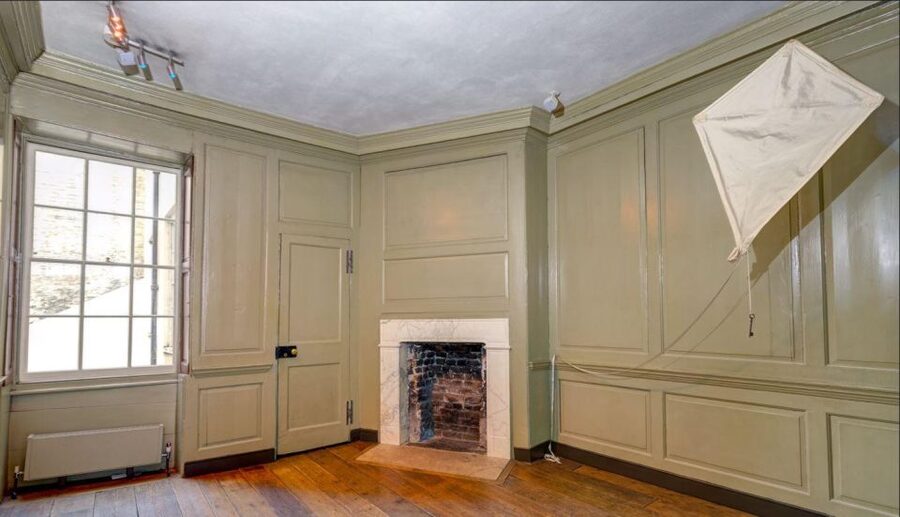
- Franklin’s only surviving home: He rented part of this Craven Street townhouse for 16 years, from the 1730s-era building’s later life through his departure in 1776.
- A true architecture tour: The guide explains original Georgian and Victorian features, the house’s changing use, and the conservation work that led to its opening in 2006.
- The Craven Street Bones: Learn how surgeon Hewson’s anatomy school was connected with the house and why human remains were found at the property.
- A one-hour guided visit: The tour is in English, with time for questions and photographs.
- A hands-on finale: You are invited to try a tune on Franklin’s glass armonica.
- A demanding old staircase: The five floors have sloping, uneven surfaces and stairs between each level, with no wheelchair access.
Finding 36 Craven Street
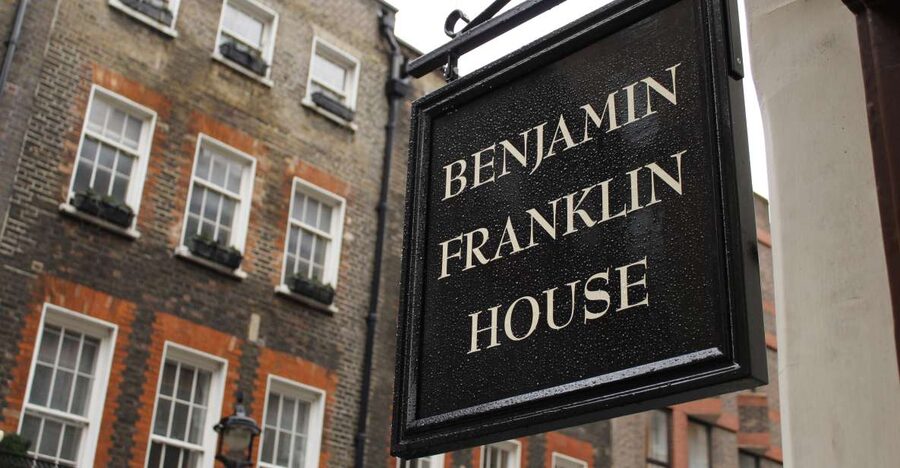
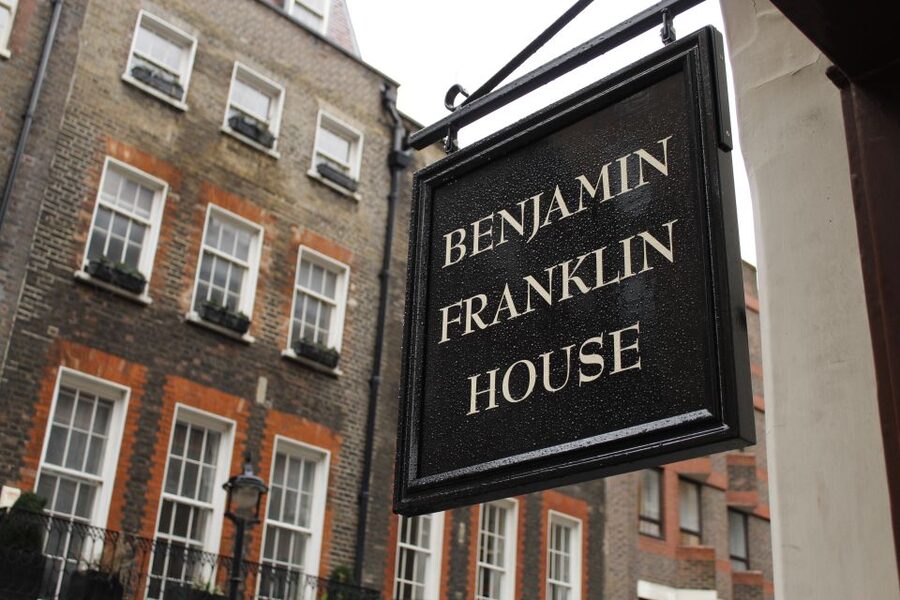
The meeting point is simple: go to 36 Craven Street and knock on the door below the Benjamin Franklin House sign. This is easy to miss if you hurry along the street, so give yourself a little time to find the right doorway.
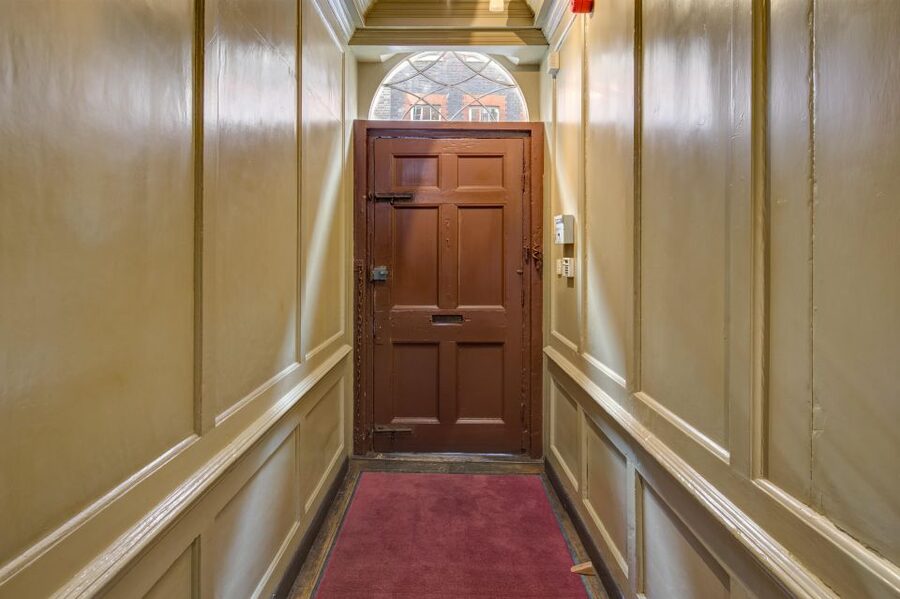
The building is a townhouse rather than a large museum complex. That matters. You do not begin with a wide modern lobby or a grand ceremonial entrance. You cross the threshold into a narrow historic building and then move upward through the house, floor by floor.
The entrance arrangement can occasionally cause a small interruption when people are coming in. It is not a serious problem, but it is worth knowing if you prefer a perfectly controlled museum setting. The staff are there to help, and the tour itself remains focused on the building and Franklin.
The advertised price is $16 per person, and children under 12 enter free. For an hour with a live guide, access to a Grade I listed house, and a hands-on musical demonstration, I consider that a fair price, especially if you have an interest in architecture, American history, or unusual London museums.
A few more London days worth weighing up
- From London: Harry Potter Warner Bros Studio Tour
★ 4.7 · 26,588 reviews - London: Westminster to Greenwich River Thames Cruise
★ 4.5 · 22,836 reviews - Magical London: Harry Potter Guided Walking Tour
★ 4.7 · 22,044 reviews
Why Franklin lived in London
Franklin is often reduced to a few familiar labels: printer, inventor, statesman, and founding father. This house gives you a longer and more personal view. He spent 16 years in London, not as a short-term sightseer, but as a man connected to politics, trade, science, publishing, and British public life.
The guide explains why Franklin came to London and how the city fitted into his work. His London years came before his return to America in 1776, when he went back to sign the Declaration of Independence. He never returned to London after that departure, which gives the final Franklin rooms a strong sense of an unfinished chapter.
The value here is the setting. Instead of hearing a list of dates in a large gallery, you stand in the rooms connected with the daily life of the person being discussed. You can better understand the gap between Franklin’s public role and his private routines.
Guides Ron and Brian have been praised for adding extra details and bringing Franklin’s story to life with energy. The experience depends on the person leading it, but the format allows questions, so you can ask about points that interest you rather than simply follow a fixed speech.
The kitchen, Georgian food, and London’s diet
The tour begins by using the house itself to explain everyday life. In the kitchen, the discussion turns to Georgian food and Franklin’s thoughts about what people ate in London.
This is a smart way to start. Architecture is not only about walls, staircases, and decorative features. Kitchens show how a building worked and how its residents lived. Food also gives you a quick route into Franklin’s personality. His observations about the London diet reveal a man who paid attention to practical details, not just grand political questions.
Do not expect a full cooking demonstration or a meal. The kitchen is part of the story, not a restaurant. The appeal is the link between the physical room and the habits of the people who used it.
I find this part especially useful if you are new to Georgian architecture. A guide can point out why a service area mattered, how the house functioned, and how social divisions shaped domestic space. You begin to read the building as a home rather than as a preserved shell.
Margaret Stevenson’s parlour
As you go upstairs, the story shifts to Margaret Stevenson, the wealthy widow who rented rooms to Franklin. Her parlour provides a setting for the social side of his London life.
Franklin did not live in isolation. In this room, you hear about the influential people he met and the current affairs they discussed. At the same time, the tour keeps a family focus by exploring Franklin’s relationship with the Stevenson family and his own relatives.
That balance is one of the house’s strengths. Political history can become distant when it is presented only through documents and major events. The parlour brings it closer by showing the relationships and conversations behind public action.
The room also helps explain why the property matters as architecture. A parlour was a social room, so its position and character tell you something about how a Georgian townhouse organized public and private life. You are not simply looking at old decoration. You are learning how people used the space.
There is seating in all the historic rooms, which is useful because the tour involves several levels and plenty of standing. Still, the stairs are part of the experience, and you should not expect to remain on one floor for long.
Same city, a completely different sort of afternoon:
- London: Madame Tussauds London
★ 4.6 · 20,915 reviews - London: Warner Bros. Studio Tour with Transfers
★ 4.7 · 17,586 reviews - London: Tower Bridge Entry Ticket
★ 4.7 · 15,560 reviews - London: St Paul’s Cathedral Entry Ticket
★ 4.7 · 9,813 reviews
Franklin’s parlour and 16 years at Craven Street
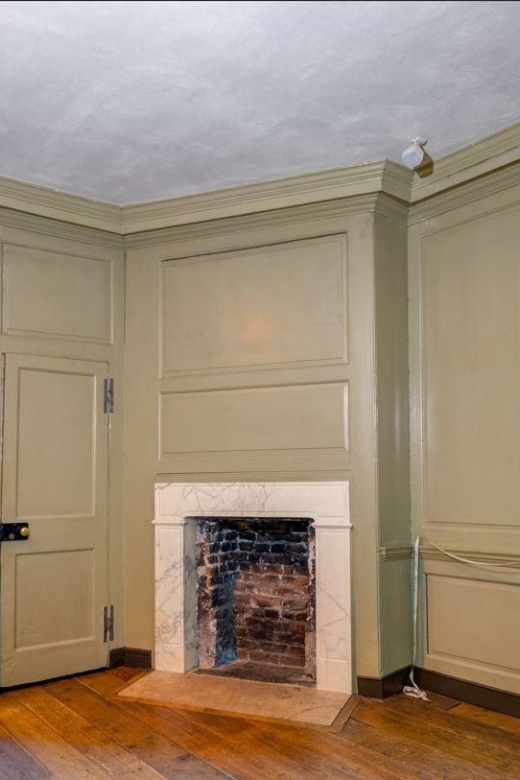
The central stop is Franklin’s parlour, the floor he rented for 16 years. Here the guide turns to his experiments, political beliefs, public actions, and eccentric personality.
This room brings several strands together. Franklin’s scientific interests are discussed alongside his political work, so you see how broad his life was. He was not just an inventor who later entered politics, or a politician with a hobby in science. His interests crossed between practical experiment, public debate, and civic action.
The house also lets the guide talk about Franklin as a person. The reference to his eccentric side keeps the presentation from becoming too solemn. You get a sense of someone with unusual interests and a strong individual streak, living in a city where he was surrounded by debate and influential contacts.
The room is not important because it is lavish. Its value comes from the connection between the floor and Franklin’s long residence. Sixteen years is a substantial part of an adult life. He formed relationships here, followed political events here, and eventually left from this London chapter to take part in the founding of the United States.
For anyone interested in American history, this is the heart of the visit. For anyone interested in buildings, it shows how a modest townhouse can carry major historical meaning without looking grand.
The Craven Street Bones and Hewson’s anatomy school
The most unexpected subject is the Craven Street Bones. The tour explains the discovery of human remains and connects them with surgeon Hewson’s anatomy school.
This detail changes the mood of the house. You may arrive expecting a straightforward account of Franklin’s residence, then encounter a darker episode tied to medical study. The subject is handled as part of the property’s history and later investigation, not as a cheap scare.
The anatomy-school story is valuable because it explains how the building continued to be used beyond Franklin’s years. Historic houses often preserve only the most famous resident, but this stop reminds you that other people and activities shaped the site.
It also gives the architecture tour a stronger purpose. You are following the house from its early Georgian period through later Victorian changes and into modern conservation. The bones are one clue in that longer story, showing that the townhouse had a life beyond its connection with Franklin.
If you are visiting with children, consider their interest and comfort before booking. The supplied information does not give an age warning for this subject, but the topic of human remains may need a little explanation for younger children.
The glass armonica room
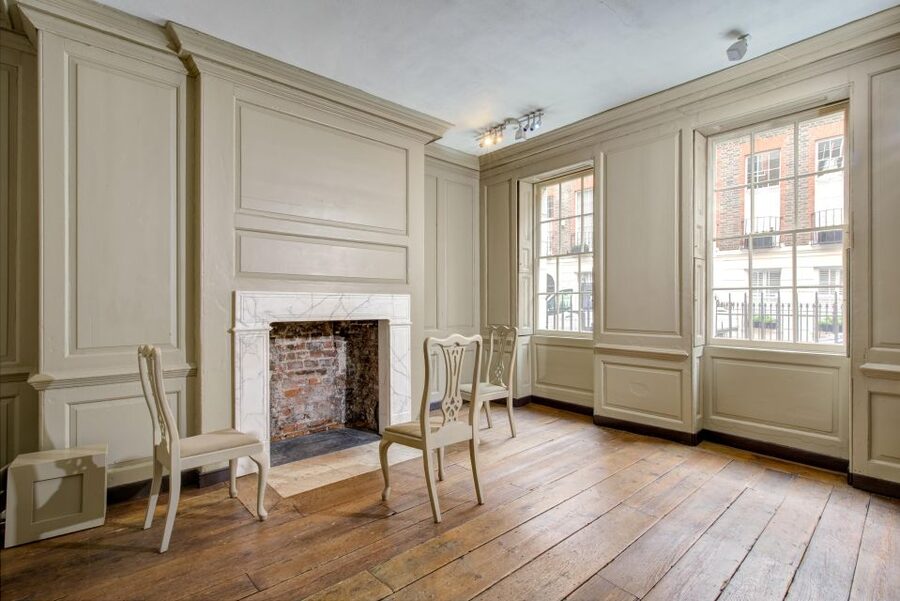
The tour finishes in the Glass Armonica Room, where you are invited to try playing a tune on Franklin’s instrument. This is the most active part of the visit.
The glass armonica is a fitting finale because it brings Franklin’s inventive side into the room. After hearing about his experiments and ideas, you get a chance to interact with an object connected to that curiosity. It is a small activity, but it helps prevent the tour from ending as a purely verbal history lesson.
The invitation to try it is also a good reason to leave room for questions. You can ask about the instrument, Franklin’s experiments, or anything you want clarified from the earlier rooms. Photography is allowed, although flash photography is not.
You should not expect a long concert or a formal performance. The point is to have a brief, memorable encounter with the instrument. For many people, this will be the detail they remember most clearly after leaving.
Architecture from the 1730s to the 2006 conservation project
The tour follows the building across several periods. You hear about its Georgian origins, later Victorian features, and the modern conservation project that led to Benjamin Franklin House opening in 2006.
The Grade I listing is important, but it does not mean the house feels polished or easy to navigate. Quite the opposite. The uneven, sloping floors and narrow staircases are reminders that this is an old building, protected as a historic structure rather than rebuilt for modern convenience.
That tradeoff is central to the visit. The original features give the house character and credibility. They also mean that access is limited and movement can be tiring. Handrails are fitted on the staircases, and seating is available in the historic rooms, but there is no wheelchair access and no accessible restroom.
The restroom is downstairs in the basement. If stairs are difficult for you, plan around that before the tour begins. Carers enter free, and visitors with disabilities can qualify for concessionary tickets. Guide dogs and hearing dogs are allowed in every area, while other pets are not permitted.
Timing, photos, and what to bring
The guided tour lasts about one hour. The booking is valid for one day, but this is not a full-day activity. You are reserving a scheduled visit to the house, so check the available starting times before you commit to a place in your London day.
The live guide speaks English. Ron and Brian are two guides associated with particularly detailed and friendly presentations, though the guide assigned to your visit may be different.
Photography is welcome, which is useful in a house where the rooms and old surfaces are part of the evidence. Flash photography and audio recording are not allowed. Smoking and vaping are forbidden indoors, as are drinks, alcohol, and drugs. Wear sensible shoes for the stairs, and avoid bare feet.
You do not need to prepare with a book about Franklin. The tour is designed to explain both the person and the building as you go. Still, if you already know about the Declaration of Independence or Franklin’s scientific work, you may get more from the political and experimental details.
Who will enjoy this house most
I would recommend this visit to people who like small historic museums, political history, old buildings, and guided interpretation. It suits you if you prefer a focused one-hour stop with a clear story rather than a huge museum that takes half a day to cover.
It is especially useful for:
- People interested in Benjamin Franklin’s life before and around the American Revolution
- Architecture fans who want to see an authentic Grade I listed townhouse
- Families with children old enough to handle stairs and the anatomy-school subject
- Visitors who enjoy asking questions during a live tour
- Anyone looking for an unusual stop in central London
I would be more cautious if you have limited mobility, dislike stairs, or want a self-guided visit at your own pace. The house has handrails and seating, but the five-storey layout cannot be separated from the experience.
The shop is on site, but it is not included in the ticket price. You can browse souvenirs after the tour if you want a small reminder of Franklin or the house.
Should you book the Benjamin Franklin House tour?
Book it if you want a compact, personal look at Franklin’s London years and enjoy buildings that show their age. The $16 price is reasonable for a live, hour-long tour with access to a rare historic home, a clear architecture story, and the chance to try the glass armonica.
Skip it if you need step-free access, an accessible restroom, or a completely quiet entrance. Also skip it if you are looking only for grand rooms and famous objects. This is a narrow townhouse with uneven stairs, unusual stories, and a strong sense of place.
For most history-minded visitors, the combination is the draw: Franklin’s political life, Margaret Stevenson’s household, Georgian food, the Craven Street Bones, and an eccentric glass instrument, all contained in one old London address.
FAQ
How long does the Benjamin Franklin House Architecture Tour last?
The guided tour lasts about one hour. It includes access to the house and time for questions at the end.
What language is the tour in?
The live tour is conducted in English.
How much does the tour cost?
The price is $16 per person. Children under 12 enter free.
Can I take photographs inside Benjamin Franklin House?
Yes, photography is allowed. Flash photography and audio recording are not permitted.
Is the house wheelchair accessible?
No. Benjamin Franklin House is a five-storey townhouse with stairs between the floors, uneven and sloping surfaces, and no wheelchair access. There is also no accessible restroom.
Are assistance dogs allowed?
Guide dogs and hearing dogs are allowed in all areas of the house. Other pets are not permitted.
Just added around London
- London: Wimbledon Tennis Club and Westminster Walking Tour★ 4.5 · 86 reviews
- London: Westminster to Richmond River Thames Cruise★ 4.8 · 23 reviews
- Westminster Abbey Skip-the-Line Entry and Private Tour★ 4.6 · 4 reviews
- Best of London by LE GRAND – London’s Luxury Bus Tour★ 4.2 · 23 reviews
- London: Westminster Walking Tour & St Paul’s Cathedral Entry★ 4.7 · 7 reviews
- From London: Oxford, Stratford-upon-Avon & Cotswolds Trip★ 4.5 · 64 reviews
- From London: Warwick, Oxford, Stratford & Cotswolds Day Tour★ 4.0 · 270 reviews
- Churchill’s Wartime London Walking Tour★ 4.3 · 4 reviews
London Tours, compared.
Westminster to Greenwich River Thames Cruise
Read our review →
Magical London: Harry Potter Guided Walking Tour
Read our review →