
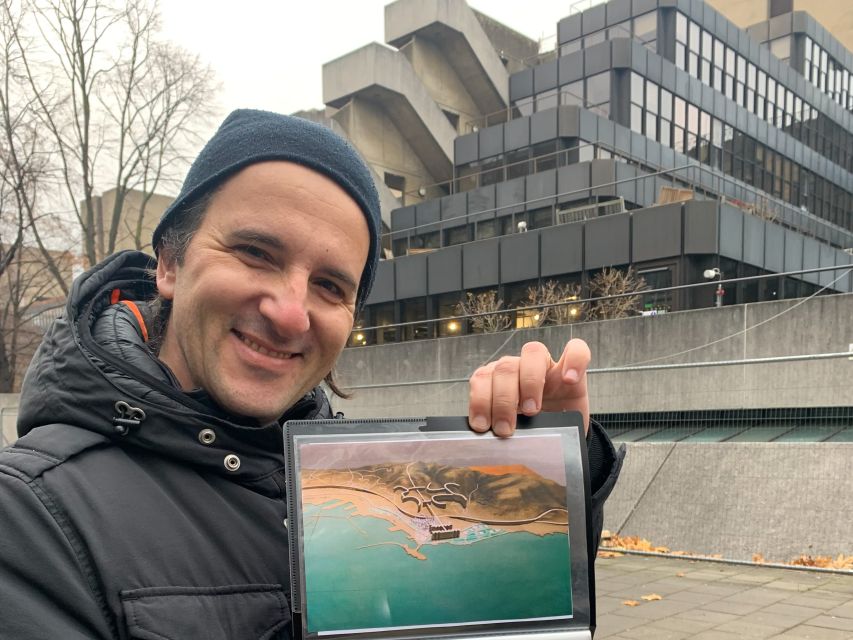
Reviewed · HISTORICAL TOURS
London: Brutalist Architecture & History Walking Tour
London’s Brutalist buildings are easy to miss if you are looking only for medieval churches, grand palaces, and Georgian streets. This 2.5-hour walking tour gives you a different London, one of raw concrete, bold engineering, post-war ambition, and buildings that still divide opinion.
I like two things in particular. First, guide Evan connects the buildings to the social and political pressures that produced them, rather than treating them as oversized sculptures. Second, the group is limited to six people, which should make it easier to ask questions and adjust the discussion to your interests. The main drawback is that the tour stays outdoors, and the interiors are not visited.
Key points at a glance
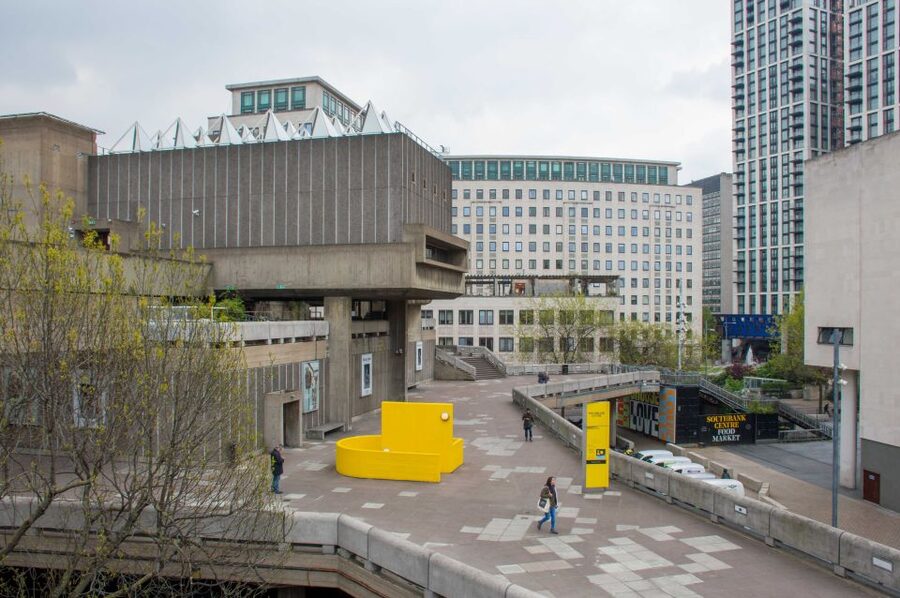
- See famous concrete landmarks: The National Theatre, Institute of Education, and Brunswick provide some of the tour’s clearest examples of London Brutalism.
- Learn the story behind the style: The walk links post-war rebuilding, Modernist design, engineering, politics, and changing public attitudes.
- Travel once by Tube: Bring enough credit for one short Zone 1 journey during the tour.
- Expect an academic but friendly guide: Evan is praised for his detail, enthusiasm, and ability to adapt the conversation to the group.
- Keep the age and walking limits in mind: The experience is for people aged 16 and over and is not suitable for those with mobility impairments.
- Pay for a specialist view of London: At $47, the cost is fair if concrete architecture and urban history are a real interest, but less appealing if you want classic tourist sights.
Why this walk changes the way you see London
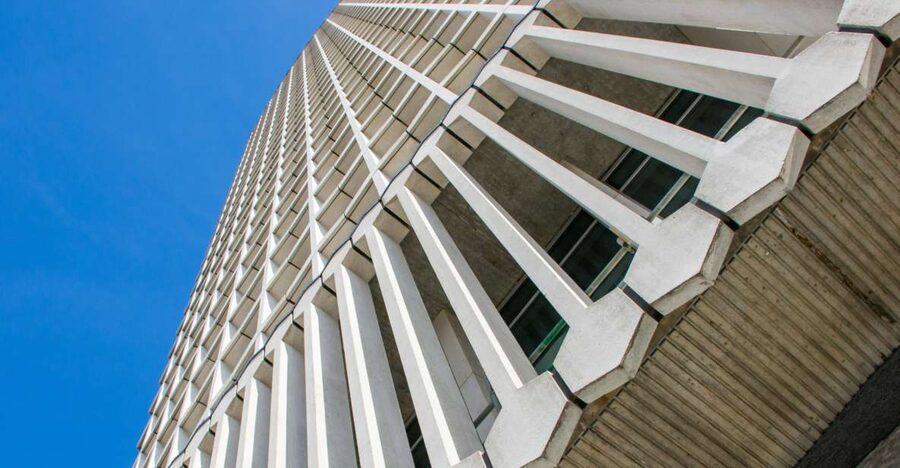
Brutalism often gets reduced to a simple argument: beautiful or ugly. This tour is more useful because it asks why these buildings appeared in the first place, who wanted them, who disliked them, and what should happen to them now.
The style grew from Modernist ideas and from the practical need to build large public structures after the Second World War. Concrete could create monumental forms, support demanding designs, and give public institutions a strong physical presence. It also carried a social message. Many post-war architects hoped good public buildings could express a fairer, more confident society.
That ambition did not always survive contact with daily life. Some buildings aged poorly, cost more to maintain than expected, or became associated with unpopular government decisions. Others have gained new respect as architects, preservation groups, and local residents argue over their future.
I like this wider frame. You are not simply photographing concrete surfaces. You are looking at the connection between architecture and public life. A good guide can make a familiar street feel newly legible, and Evan’s strongest quality appears to be his ability to explain that connection in plain terms.
More History Tours in London
- London: Historic Pubs of Central London Walking Tour
★ 4.9 · 1,065 reviews - London: Soho Music and Historic Pubs Walking Tour
★ 4.9 · 836 reviews - London: Rock ‘n’ Roll History Tour
★ 4.6 · 645 reviews
Meeting Evan at Russell Square
The tour begins outside Russell Square Underground Station on the Piccadilly Line. This is a practical meeting point in central London, with straightforward access from several parts of the city.
Evan leads the tour in English. His approach is informal but packed with information. Several ratings describe him as personable, enthusiastic, and able to adjust the discussion to the group’s level. That matters here because Brutalism attracts a mixed crowd. You might arrive with a serious interest in architecture, or you might simply want to understand why so many London buildings look like fortified concrete machines.
The small-group limit of six is one of the tour’s best features. A specialist architecture walk can become tiring when the guide is speaking to a large crowd on a noisy pavement. With fewer people, you should have more room to ask about materials, design choices, or the future of a particular building.
The tour lasts two and a half hours, so wear comfortable shoes and expect a steady urban walk. It is not described as a physically demanding hike, but the experience is unsuitable for people with mobility impairments. Children under 16 cannot join.
The Institute of Education and Modernist ambition
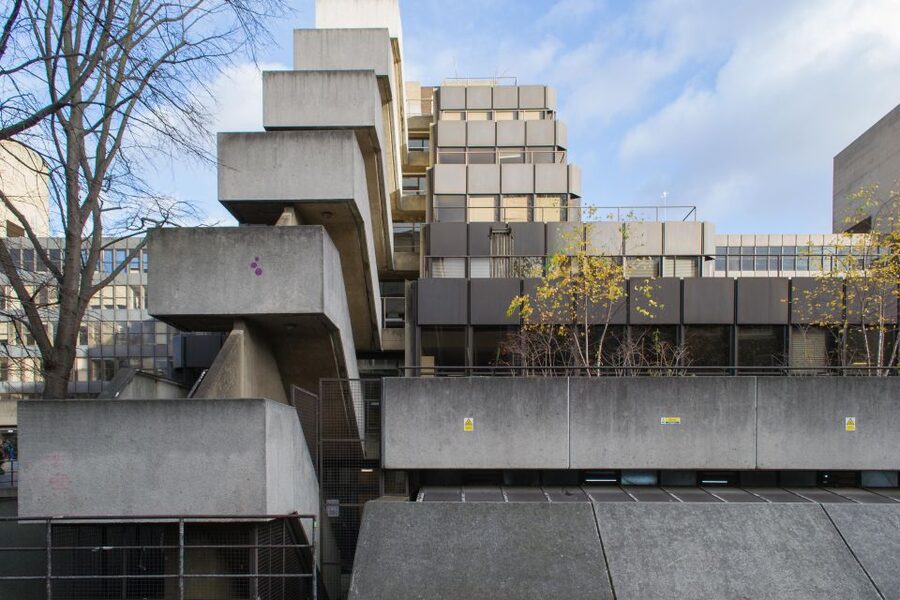
The Institute of Education is one of the notable buildings on the route. It gives the guide a chance to discuss Brutalism as part of a broader Modernist movement, rather than presenting the style as an isolated British oddity.
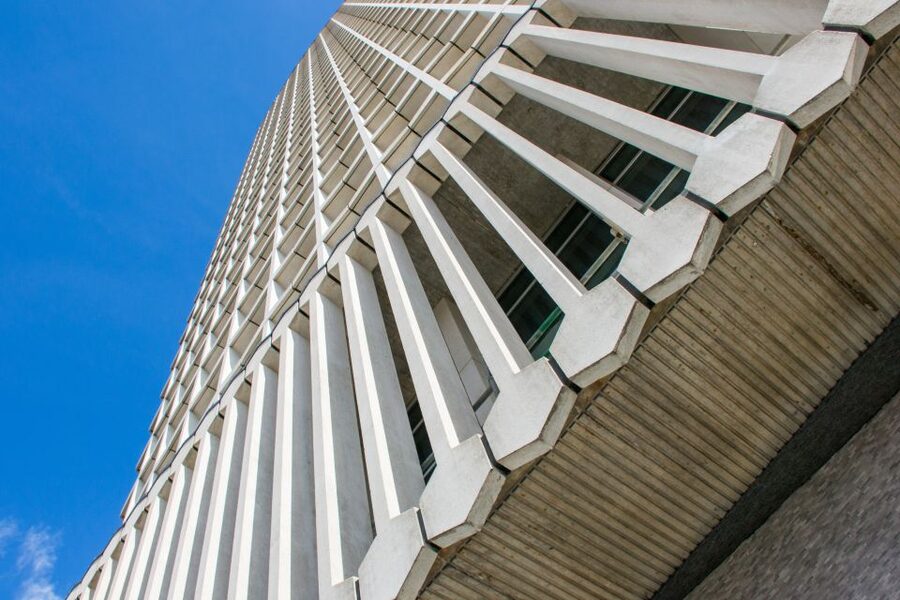
Here, pay attention to the building’s relationship with its surroundings. Brutalist structures often use scale, repetition, exposed concrete, and strong geometric shapes to make a forceful impression. They can seem stern because they do not try to imitate older architectural styles or soften every edge.
The discussion also reaches beyond visual appearance. You learn about important figures in European Modernism and the international events that influenced London’s post-war building program. That context is valuable because the buildings were shaped by ideas moving across national borders, not just by local planning decisions.
The tour also considers concrete itself. This is not a simple lesson in construction, but an explanation of why concrete became so important in modern engineering and architecture. You will hear about its role in creating large, expressive forms and about the environmental and social questions that came with its widespread use.
That last point gives the tour more balance. Brutalism can be admired for its honesty and structural drama, but concrete has environmental costs, and large public buildings can be expensive to repair. The walk does not ask you to admire every example. It gives you reasons to look more carefully.
The Brunswick and the detail that rewards attention
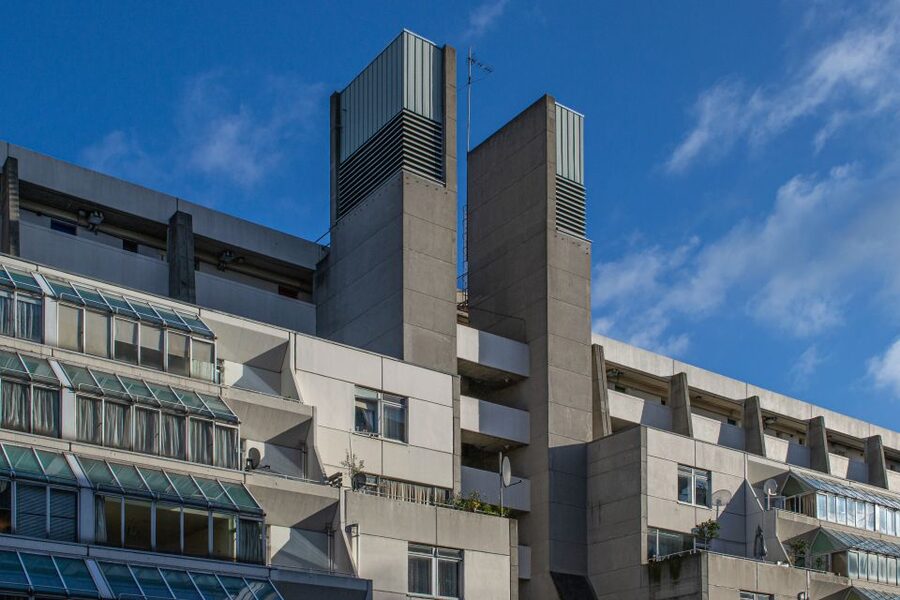
The Brunswick is another important stop, and it appears to be one of the places where Evan’s eye for detail is especially useful. It is easy to pass a large urban complex and register only its overall shape. A good explanation can direct you toward smaller choices in materials, structure, and design.
This is also where expectations matter. The experience is primarily an outdoor architecture walk. You will view buildings from public spaces and discuss their design, but you will not tour their interiors.
One criticism of the walk is worth keeping in mind. Some people may want more close discussion of construction methods, building materials, compromises, and practical workarounds. The tour sometimes places the buildings within a larger history of Modernism and Brutalism, using them as examples rather than examining every technical detail on site.
If you already read architectural theory or work in construction, you may want a more technical experience. If you are new to the subject, the broader approach is likely to be more useful. You get a foundation in the ideas, events, and public arguments that shaped these buildings.
More Walking Tours in London
- Magical London: Harry Potter Guided Walking Tour
★ 4.7 · 22,044 reviews - London: The Original Jack the Ripper Walking Tour
★ 4.7 · 7,833 reviews - London: Harry Potter Movies Walking Tour (Kids Go Free)
★ 4.7 · 3,071 reviews - London: The Great British Rock and Roll Music Walking Tour
★ 4.9 · 1,783 reviews
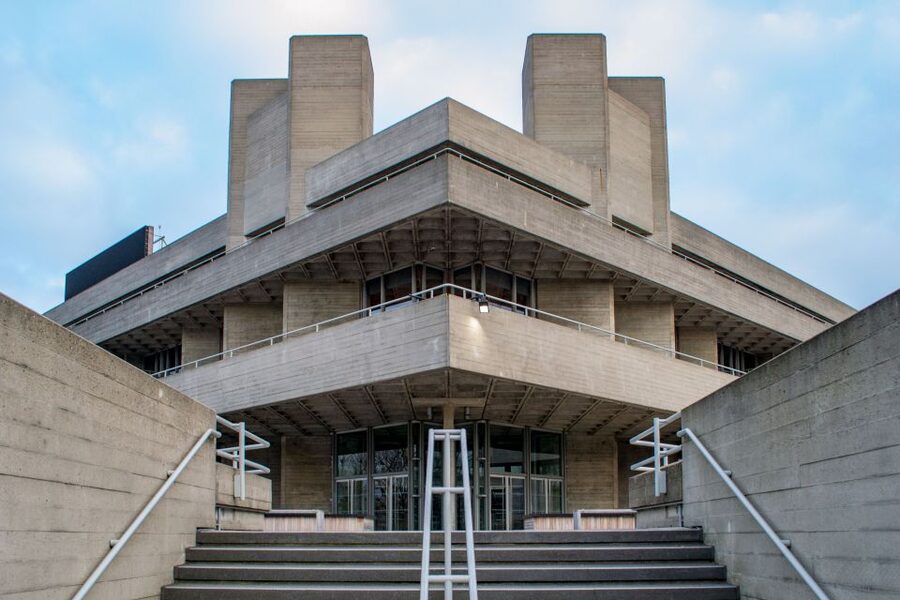
The National Theatre, London’s great Brutalist photo stop
The National Theatre is likely to be the visual centerpiece of the walk. It is one of London’s best-known Brutalist buildings and an excellent place to understand why the style inspires both admiration and irritation.
Its massing and concrete surfaces make an immediate impression. The building was designed to be seen as a substantial public institution, not as a discreet box tucked into the city. That sense of monumentality is central to the discussion of Brutalist architecture.
Bring a camera or phone. The National Theatre offers striking angles, bold lines, and changing views as you move around it. You do not need to be an architecture specialist to enjoy the photographic side of this stop.
The guide also places the theatre within its social, political, and economic setting. That is important. A public building of this scale reflects decisions about culture, government spending, urban planning, and the role of the arts in civic life. The National Theatre is not just a concrete object. It represents a set of ambitions about what London should provide for the public.
At the same time, the tour does not pretend that every decision worked perfectly. Brutalist buildings can be difficult to adapt, maintain, and protect. Local authorities, preservation groups, and residents continue to disagree about how such structures should be used in the future.
That ongoing debate makes the stop feel current. You are not looking at a dead architectural period sealed in a museum. You are looking at buildings still occupied, altered, defended, criticized, and reinterpreted.
Concrete, politics, and the world beyond London
The most valuable part of the experience is the link between architecture and world events. London’s post-war buildings were shaped by more than fashion. Reconstruction, changing governments, new social programs, economic pressures, and international Modernist ideas all helped create the city you see today.
The tour discusses the increased use of concrete and the rise of monumental Modernist architecture. It also considers cultural, social, and environmental effects. That gives you a more complete way to judge the buildings.
You may leave admiring the directness of exposed concrete. You may also decide that some buildings are too severe, too large, or too hard to use. Both reactions are valid. Brutalism is a style that works best when you are allowed to argue with it.
Evan’s enthusiasm is a major part of the experience. The strongest feedback describes him as especially good at explaining history and architecture without making the walk stiff or formal. One participant also found that he adapted his explanations to suit both a highly interested adult and an older parent with a different level of background knowledge.
That flexibility is useful on a subject with plenty of specialist language. You do not need to arrive knowing the difference between every branch of Modernism. You only need curiosity and a willingness to look up.
What the tour does well, and where it falls short
The clearest strength is the guide. Evan is repeatedly praised for his warmth, preparation, and passion for the built environment. He appears to know the subject well and to add details that are not obvious from a standard guidebook.
The second strength is the balance between buildings and background. You hear about architecture, but also about the social and economic conditions that made these projects possible. That helps you understand why some buildings were celebrated at the time and criticized later.
The small group is another real advantage. Six participants is a useful limit for a pavement-based tour. It allows for questions and makes it easier for Evan to respond to different interests.
The weaknesses are narrower but still important:
- No interiors: You will not enter the Institute of Education, National Theatre, Brunswick, or other buildings.
- Outdoor format: Poor weather can lead to postponement or cancellation, and the walk is less enjoyable in uncomfortable conditions.
- Limited technical depth for experts: If you want a detailed study of construction methods and engineering compromises, the discussion may feel too general.
- A short Tube ride is involved: Public transport is not included, so you need enough credit for one Zone 1 journey.
- Small factual errors are possible: One rating pointed out questionable claims about window tax and Isaac Hayward. This does not erase the value of the tour, but architecture and political history deserve careful wording.
That final point is worth treating fairly. A two-and-a-half-hour walking tour cannot cover every qualification in a complex subject. Still, if you have a specialist background, you may want to check a few historical details independently.
Is $47 a fair price?
The price is $47 per person. For a small-group tour lasting two and a half hours, that is a reasonable rate, especially if you value access to a specialist guide rather than a general sightseeing circuit.
You are paying for interpretation. The buildings themselves are visible from public streets, so the price is not buying entry tickets or exclusive access. It is buying a guided way to understand what you are seeing.
The value is strongest for three types of visitor:
- You have already seen London’s major historic sights and want a fresh subject.
- You enjoy architecture, urban planning, photography, or post-war history.
- You prefer a focused group where you can ask questions.
The value is weaker if you want interiors, a broad introduction to London, or a route packed with famous attractions. You also need to budget for one Tube journey. The tour includes the guide and walking tour, but not public transport.
Flexible booking helps if your London schedule is uncertain. You can reserve now and pay later, and cancellation is free up to 24 hours before the start time. Bad weather can affect the operation, so check the tour status and wear clothing suited to an outdoor walk.
Who should book this Brutalist architecture walk?
I would choose this tour if I wanted to see London through its post-war buildings instead of repeating the usual royal and medieval route. It is especially well suited to adults and older teenagers with an interest in design, city planning, politics, or photography.
You do not need advanced architectural knowledge. In fact, the walk may be most useful if you are curious but inexperienced. Evan’s ability to adjust the material should help you follow the discussion without feeling lost.
I would be more cautious if you have limited mobility, dislike outdoor walking, or expect to enter the buildings. The tour is also not designed for children under 16.
For specialists, the decision depends on your expectations. You will get strong historical framing and a guide with clear enthusiasm for Brutalism. You may not get the detailed construction analysis that an architect, engineer, or preservation professional would want.
Final verdict: book it for a sharper view of London
Book this tour if you want to understand why London contains such imposing concrete buildings and why people still argue about them. The National Theatre, Institute of Education, and Brunswick become more interesting when you know the political and social forces behind them.
At $47, the small group and focused subject make good sense for architecture fans and repeat visitors. Go expecting a lively outdoor introduction, not an engineering seminar or an interior tour. Bring comfortable shoes, Tube credit, and a camera, then let yourself admire or recoil from the buildings as you see fit.
FAQ
Where does the London Brutist architecture tour meet?
The meeting point is outside Russell Square Underground Station on the Piccadilly Line.
How long does the walking tour last?
The tour lasts 2.5 hours.
What language is the tour in?
The live tour is conducted in English.
Who guides the tour?
The guide is Evan.
How many people can join the group?
The group is limited to six participants.
Which Brutalist buildings can I see?
The tour includes notable examples such as the Institute of Education, the National Theatre, and Brunswick.
Does the tour enter any buildings?
No. The interiors of the buildings are not visited.
Do I need public transport credit?
Yes. The tour uses the Tube once for a short journey, so you need enough credit for one trip within Zone 1.
Is the tour suitable for children?
No. Children under 16 are not permitted to join.
What happens in bad weather?
The walk may be postponed or canceled if weather conditions are unfavorable.
Is public transportation included in the price?
No. Public transportation costs are not included.
Can I cancel for a full refund?
Yes. You can cancel up to 24 hours in advance for a full refund.
More History Walks around London
- London: Royal Historic Pubs Walking Tour
★ 5.0 · 536 reviews - London: Medieval History Walking Tour from The Tower
★ 4.9 · 318 reviews - London: Witches and History Bankside Walking Tour
★ 4.8 · 223 reviews - London: Natural History Museum Entry Ticket and Guided Tour
★ 3.8 · 212 reviews
Just added around London
- London: Wimbledon Tennis Club and Westminster Walking Tour★ 4.5 · 86 reviews
- London: Westminster to Richmond River Thames Cruise★ 4.8 · 23 reviews
- Westminster Abbey Skip-the-Line Entry and Private Tour★ 4.6 · 4 reviews
- Best of London by LE GRAND – London’s Luxury Bus Tour★ 4.2 · 23 reviews
- London: Westminster Walking Tour & St Paul’s Cathedral Entry★ 4.7 · 7 reviews
- From London: Oxford, Stratford-upon-Avon & Cotswolds Trip★ 4.5 · 64 reviews
- From London: Warwick, Oxford, Stratford & Cotswolds Day Tour★ 4.0 · 270 reviews
- Warner Bros. Studios and 1-Day London Hop-on Hop-off tour★ 4.7 · 9 reviews
Historical Tours, compared.




J&M’s City Sightseeing and History Walking Tour
Read our review →Browse the lists this tour appears in