
Reviewed · WALKING TOURS
The Old City of London – Guided Walking Tour 12 guests 2,5h
The most revealing part of this walk is how quickly London’s layers pile up. Roman fortifications, medieval guild power, royal drama, the Great Fire, Victorian engineering, and modern bridges all appear within a few city blocks. You are not just ticking off famous sights. You are learning how one small part of London changed over nearly 2,000 years.
I like the small-group format, capped at eight people, because it gives a local guide room to answer questions and point out details that a large crowd might miss. I also like the route’s mix of grand landmarks and less obvious stops, from Temple Church and St Bride’s Church to the Bank of England and St Mary-le-Bow.
The main consideration is pace. You will walk for most of the 2.5 hours, often stopping briefly outside several sights rather than going inside. Bring good shoes, and do not arrive with a suitcase or large bag.
Key points to know before you book
- Roman walls and medieval London appear early: The walk connects the remains of the Roman settlement with the medieval City and its old churches.
- Temple Church adds a film connection: You will visit the former Knights Templar headquarters and hear about its role in The Da Vinci Code.
- The route is packed with landmarks: St Paul’s Cathedral, Guildhall, the Bank of England, the Monument, Tower Bridge, and the Tower of London all feature.
- You get a personal guide, not an audio script: The tour is led in English, and Colin has been praised for explaining events from different angles.
- The walk ends near the Thames: Tower Bridge and the Tower of London make it easy to continue exploring on your own.
- This is an outdoor city walk: Security rules may limit interior access, and the tour runs in all weather.
Why this short walk makes sense for first-time London visitors
At $61 per person, this is not the cheapest way to look at London’s old center. It is a reasonable price if you want a guide to connect the landmarks, rather than simply finding them on a map yourself.
The value comes from the route. Many London sightseeing walks focus on one theme, such as royalty, crime, or architecture. This one moves through several eras in a compact area. You begin with Roman London, pass through the legal quarter around Temple, see the churches rebuilt after the Great Fire, and finish with the Tower and the Thames.
That range gives you a useful framework for later sightseeing. After this walk, St Paul’s is not just a famous dome, and the Monument is not just a tall column. You understand how each place fits into the story of the City.
The group size matters, too. The advertised title refers to 12 guests, but the practical information gives a maximum of eight people per tour. I would rely on that eight-person limit when deciding how personal the walk may feel. Private groups are also available.
More City Tours in London
- London: City Sights Hop-On Hop-Off Bus & Bookable Extras
★ 4.4 · 6,579 reviews - London: Go City Explorer Pass® – Tickets for 2-7 Attractions
★ 4.3 · 1,111 reviews - London: Speedboat Tour Through Heart of the City
★ 5.0 · 387 reviews
From Temple Station to the Knights Templar
The walk begins at Temple Station, though you should confirm the exact meeting point for the option you book. This part of London can feel confusing at first, with courts, narrow lanes, old buildings, and modern office blocks packed close together.
Temple Church is an excellent opening stop. Built for the Knights Templar, it carries a strong medieval connection and gives the guide a natural way to explain the power of religious and military orders in medieval England. The church is also linked with The Da Vinci Code, so film fans get a familiar reference point without the entire tour turning into a movie-location exercise.
Expect a guided visit and photo stop of about 10 minutes at this point. Interior access can be affected by opening hours, security, or other restrictions, so you should not assume every building on the route will be open for a full visit.
The Temple area rewards careful looking. This is one of the places where a guide adds real value, since the significance of a doorway, courtyard, or church is not always clear from the street. The tour’s small size should make it easier to hear explanations in these enclosed spaces.
St Bride’s Church and the city rebuilt after fire
St Bride’s Church follows as another short stop. Its location helps shift the story from medieval London to the city that rose after the Great Fire of 1666.
The walk does not treat the fire as a single dramatic anecdote. Instead, it uses the churches and streets to show how London had to rebuild, reorganize, and adapt. That approach is more useful than memorizing the date alone.
St Bride’s also fits the route’s interest in London’s working city. You are moving through an area shaped by printing, commerce, law, worship, and government. The guide can give those pieces a human scale, especially when explaining why certain streets and institutions developed where they did.
Again, think of this as a guided look rather than a lengthy interior tour. If you want to study church architecture in detail, you will need extra time on another visit.
St Paul’s Cathedral and the City’s skyline
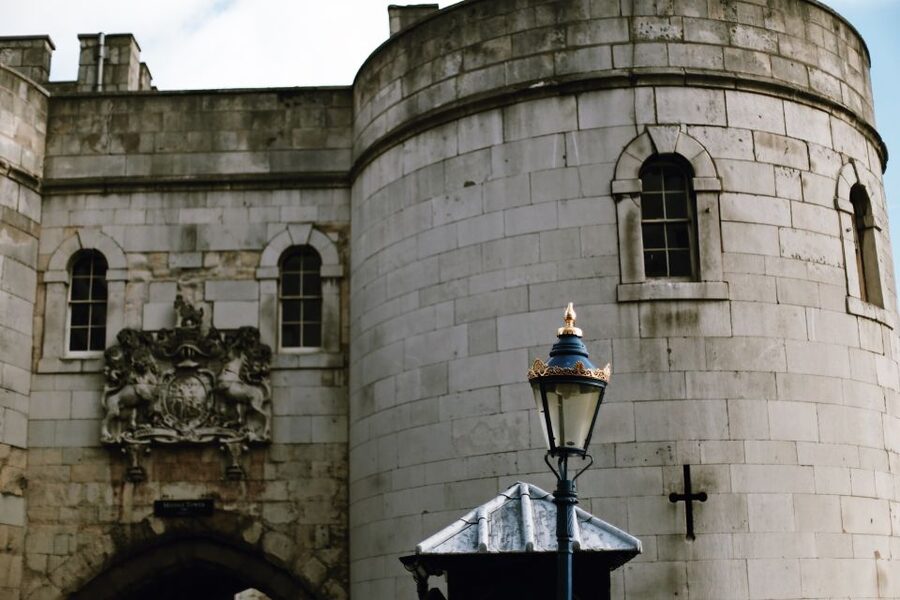
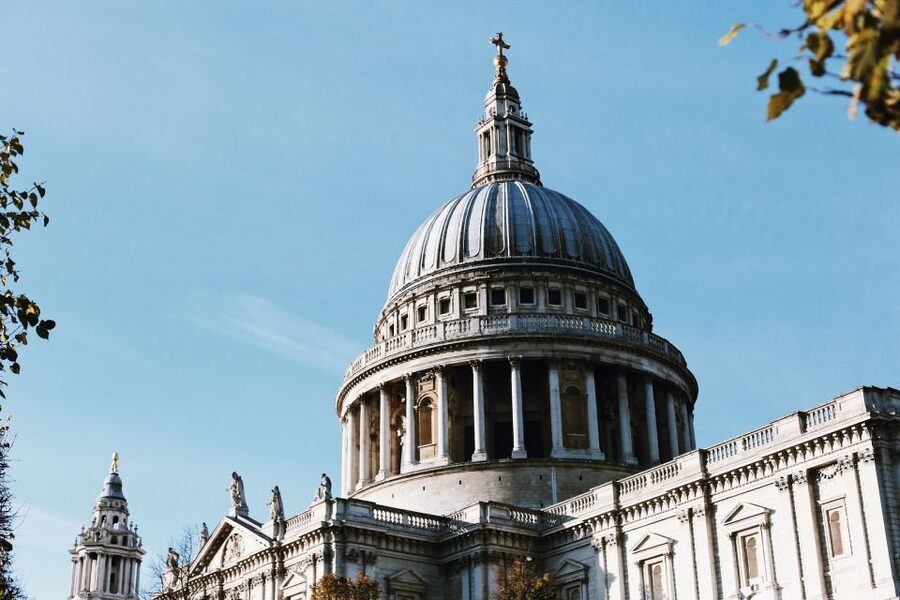
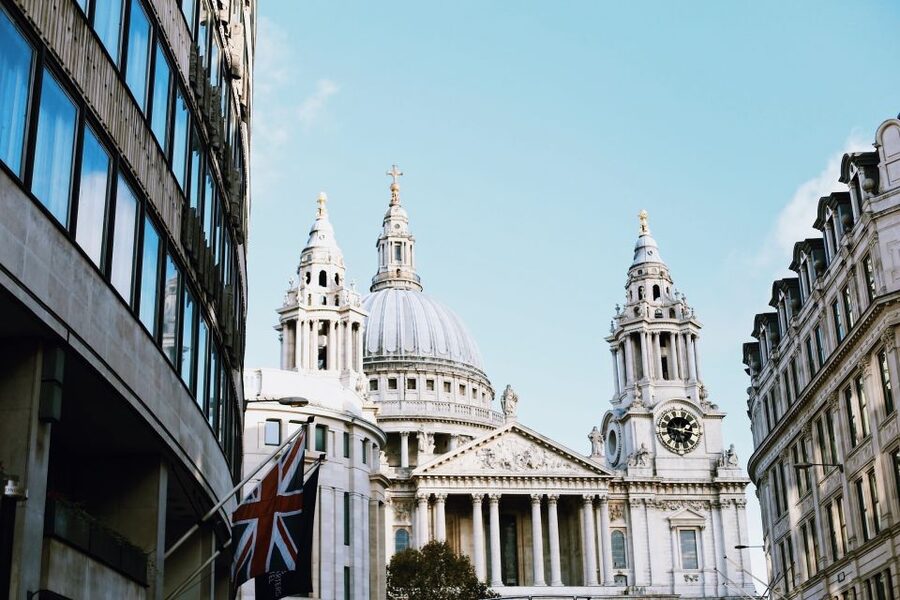
St Paul’s Cathedral is the visual centerpiece of the middle part of the walk. Its dome is one of London’s clearest landmarks, and the guide uses it to explain the City’s identity after the Great Fire.
The tour highlights St Paul’s as a place connected with major public occasions, including the 1981 wedding of Charles and Princess Diana. That detail gives the cathedral an immediate modern reference, but the building’s larger importance comes from its position at the heart of the City.
You will have time for a photo stop and guided explanation. This is not a cathedral admission visit, so plan a separate visit if you want to see the interior, climb the dome, or explore the galleries. That distinction matters when comparing this walk with a ticketed cathedral tour.
I like the pause here because it breaks up the tighter streets around Temple and the older church sites. The open view makes it easier to understand how the City’s historic core relates to the newer skyline around it.
More Walking Tours in London
- Magical London: Harry Potter Guided Walking Tour
★ 4.7 · 22,044 reviews - London: The Original Jack the Ripper Walking Tour
★ 4.7 · 7,833 reviews - London: Harry Potter Movies Walking Tour (Kids Go Free)
★ 4.7 · 3,071 reviews - London: The Great British Rock and Roll Music Walking Tour
★ 4.9 · 1,783 reviews
St Mary-le-Bow and the sound of the City
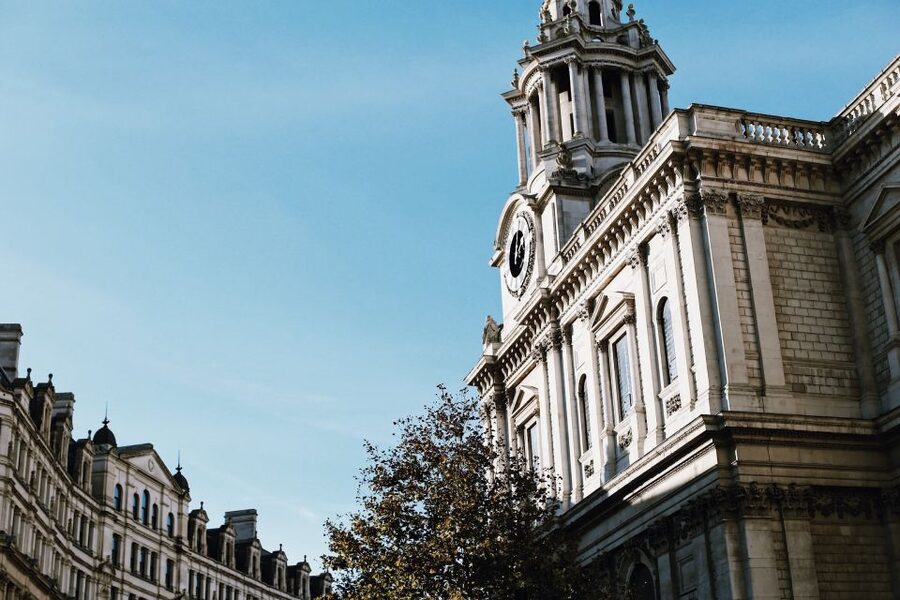
St Mary-le-Bow Church gives the walk another angle on London’s identity. Its name is closely tied to the idea of the Cockney, traditionally associated with people born within the sound of its bells.
The stop also helps show how churches served more than a religious role. They acted as neighborhood markers, meeting places, and visible signs of the City’s structure. A guide can connect the building to the surrounding streets in a way that a quick photograph cannot.
You will likely spend only a short time here. That is enough for a look and a story, but not enough for a slow architectural study. The route is designed to keep moving, and this stop works best as part of the larger sequence.
Guildhall and the Roman wall beneath modern London
Guildhall is where the City’s civic power comes into focus. It remains one of the key places for understanding how London’s merchants and officials governed the center of commerce.
The route also returns to the Roman period, including the fortified wall built around 220 AD. Parts of that wall remain visible today, often surrounded by far newer buildings. This contrast is one of the best reasons to take the walk with a guide. Ancient stone is easy to overlook when it sits beside traffic, offices, and modern paving.
The Roman settlement was not an isolated camp. It grew into the foundation of the City of London, and the later wall helped define its limits. Once you see those surviving sections, the shape of the old center becomes easier to picture.
Guildhall and the Roman remains also give the tour a useful sense of scale. London’s oldest core is surprisingly compact. The walking distance between major periods of the city’s past is short, even if the time between them is enormous.
The Bank of England and the power of money
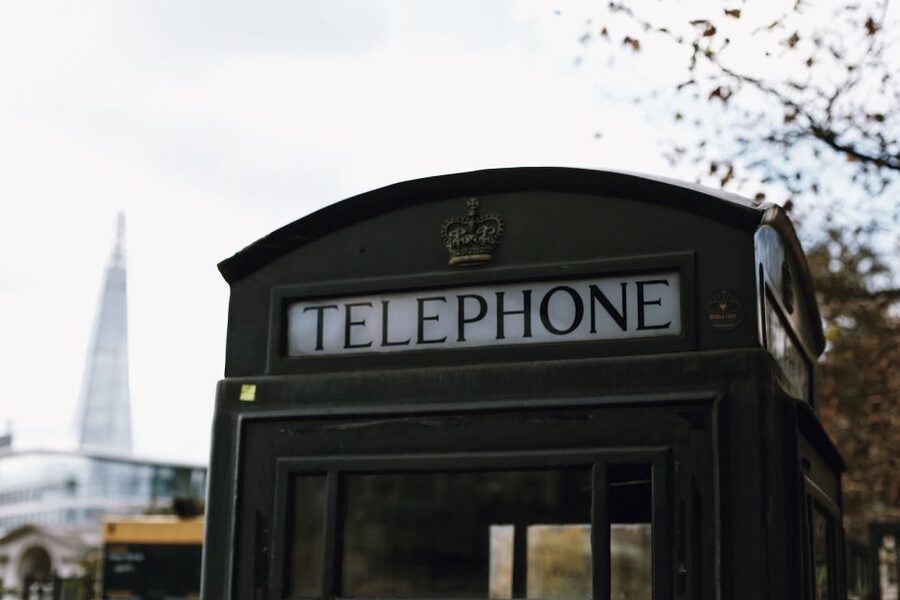
The Bank of England changes the subject from civic government to finance. Its presence explains why this small district became one of the world’s major commercial centers.
You will stop outside for a guided explanation and photographs. The attraction here is less about decoration and more about what the building represents. London’s financial influence is not separate from its older story. It grew from the same dense network of markets, institutions, churches, and streets.
This is a good point to ask questions if you are interested in how the City functions today. The guide can help connect the old lanes with the financial district around them. A short stop may not satisfy anyone looking for a detailed banking history, but it adds useful variety to the walk.
The Monument and the Great Fire of London
The Monument to the Great Fire of London is one of the route’s clearest storytelling points. Standing near it, you can discuss the fire and the rebuilding of London in the place where the disaster is remembered.
The Monument is more than a column to photograph. Its location helps you think about the fire as a citywide event that changed streets, buildings, public health, and construction. The guide can also place the event beside the earlier Roman and medieval layers already covered.
This is another exterior stop, not a tower-climbing experience. If you want the Monument’s interior stairs and views, you will need to arrange that separately. The walking tour gives you context and a chance to see the landmark as part of its neighborhood.
The route may also include additional photo stops between the named sites. These unnamed pauses are useful because London’s character often appears in the spaces between major attractions: a square, pub front, old passage, or surviving fragment of the old City.
Crossing the Thames toward Tower Bridge
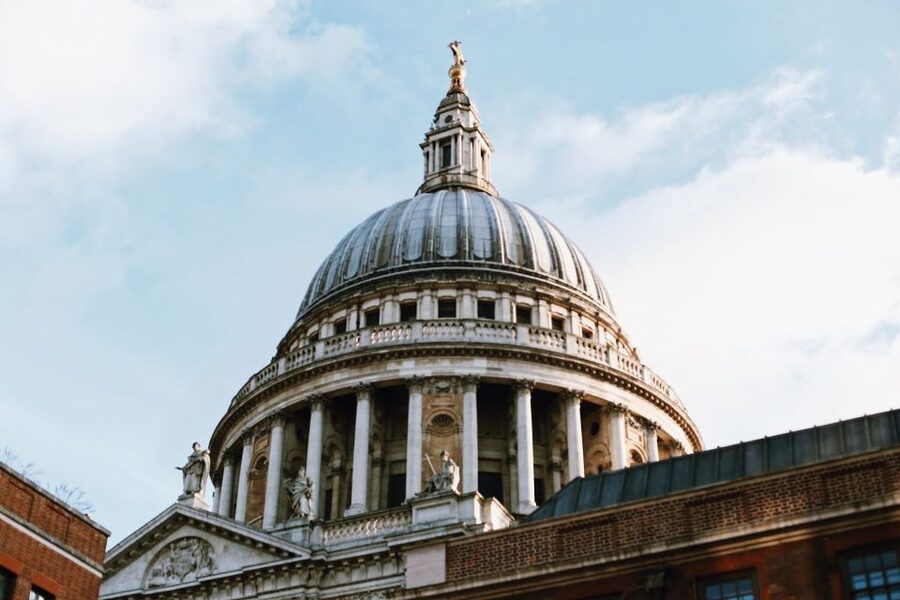
The walk continues toward the River Thames, where the city opens up again. This section helps you understand how the river shaped London’s trade, defense, and growth.
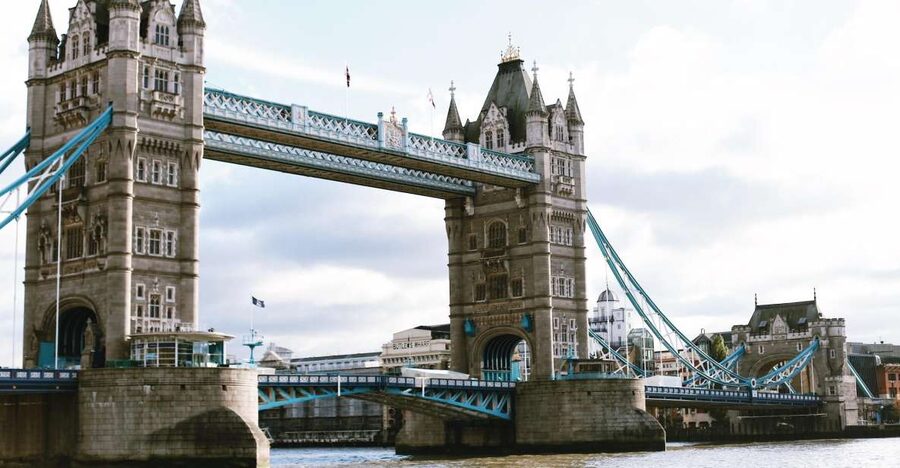
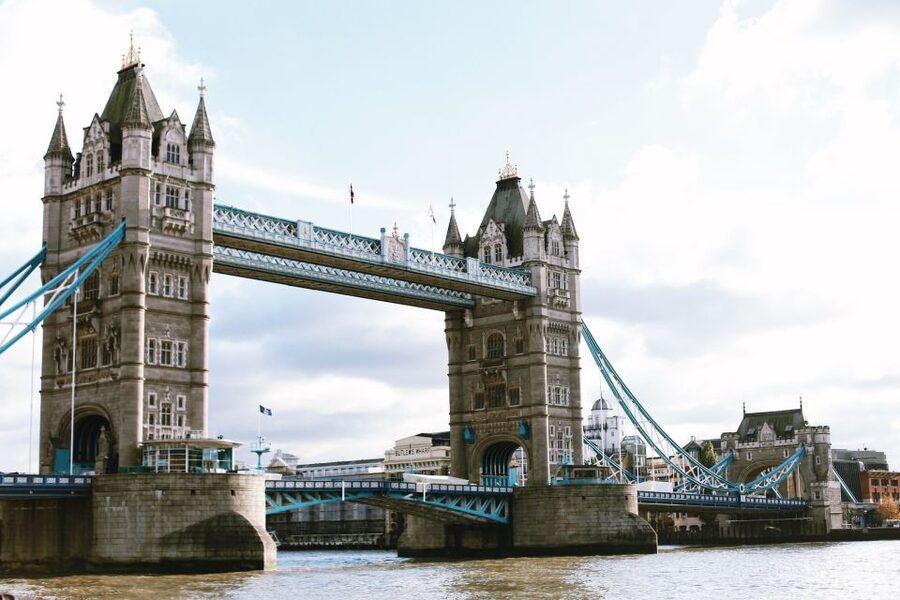
Tower Bridge is the major engineering sight here. Its towers and raised roadway make it instantly recognizable, but the guide can help you compare it with the much newer Millennium Bridge. That contrast is one of the route’s smartest ideas.
Tower Bridge represents Victorian ambition and industrial engineering. Millennium Bridge belongs to a later London, with a lighter modern design and a different relationship to the riverfront. Seeing both gives you a quick lesson in how the city has continued to rebuild and redesign its river crossings.
The river walk is also practical. Your guide can help you plan where to go next in the City, depending on your interests. You might continue toward the Tower, walk along the Thames, or use nearby transport after the tour.
Do not expect a long riverside pause. The tour has several major stops to cover in 2.5 hours. Still, this part should provide some of the route’s best photographs, especially if the weather is clear.
The Tower of London as the final major landmark
The Tower of London gives the walk a strong finish. Its walls, towers, and position beside the river bring together many of the themes introduced earlier: Roman defense, medieval power, royal authority, imprisonment, and London’s strategic importance.
The tour presents the Tower as an outside sightseeing stop rather than a full admission visit. You should plan another half-day if you want to enter the complex, see the Crown Jewels, and explore its many buildings.
That limitation is worth knowing before you pay. At $61, the tour is best viewed as a guided orientation to the old City, not as a package of entry tickets. If you already plan to visit the Tower and St Paul’s inside, this walk can make those visits easier to understand. If you want one tour that includes interior access to major attractions, this is not the right product.
The Tower also makes a practical endpoint. You are close to the Thames, Tower Bridge, and transport links, so you can continue your day without retracing the entire route.
What the guide adds to the experience
A local guide is the main reason to choose this walk over a self-guided route. The City has plenty of famous landmarks, but many of its best details are easy to miss without someone explaining the connections.
Colin has received particular praise for telling stories from different angles. That is a useful quality on a route covering Roman settlement, medieval religion, royal history, the Great Fire, banking, and modern architecture. The subject changes often, so a guide who can shift perspective keeps the walk from feeling like a string of unrelated facts.
The tour is in English. Since the group is small, you should have a better chance to ask about places that catch your interest. The experience is described as personal, but the exact feel depends on the guide assigned to your departure.
Timing, walking, weather, and what to bring
Two and a half hours is enough time to see a large number of landmarks, but it requires a steady pace. You will walk between stops and spend much of the experience outdoors.
Wear comfortable shoes. Bring water, an umbrella if rain is possible, and a hat in summer. The tour operates in all weather, so a bad forecast does not automatically mean the walk will be canceled.
Do not bring luggage or large bags. There is no luggage or coat storage, and security rules in London can be strict. A valid passport or photo ID is required, so keep it accessible.
National celebrations can affect the route. If that happens, an alternative route is used so you can still see the main highlights, but refunds or discounts are not provided for the change.
The standard tour is not suitable for wheelchair users. Wheelchair-friendly tours may be available only by request, so you should arrange that before booking rather than assuming the regular route will work.
Who should book this City of London walk
I would recommend it to first-time visitors who want a clear introduction to London’s oldest central district. It also suits anyone with a short stay who wants to see many major sights without spending a full day on one attraction.
History fans will appreciate the Roman wall, Temple Church, Guildhall, and Great Fire connection. Architecture fans will enjoy the contrast between old churches, St Paul’s dome, Tower Bridge, and Millennium Bridge. Film fans get the Temple Church link to The Da Vinci Code as an extra thread.
You should think twice if you dislike walking, want extended time inside museums and churches, or already know the City well. The route moves briskly, and many stops are short exterior visits.
Book this tour if you want the City’s story explained as you walk, especially in a small group. Skip it if your main goal is entry to the Tower of London or St Paul’s Cathedral. For the best value, pair the walk with separate interior visits and use the final riverside section to plan the rest of your day.
FAQ
How long does the Old City of London walking tour last?
The tour lasts about 2.5 hours, with the stated duration ranging from two to 2.5 hours depending on the departure.
Where does the tour start?
The starting location is associated with Temple Station. The exact meeting point may vary according to the option you book, so confirm it before setting out.
What language is the tour conducted in?
The live tour is conducted in English.
How many people can join the tour?
The maximum group size is eight people per tour. Private groups are also available.
Does the tour enter the Tower of London or St Paul’s Cathedral?
The experience includes guided sightseeing and photo stops at the major landmarks, but interior access is not guaranteed. Increased security measures can prevent entry to some attractions.
What should I bring?
Bring a valid passport or photo ID, comfortable shoes, water, an umbrella if rain is possible, and a hat in summer.
Can I bring luggage?
No. Large bags and suitcases are not allowed, and there is no luggage or coat storage.
Is the tour available every day?
Yes. The tour is available daily, with starting times shown when you check availability.
Just added around London
- London: Wimbledon Tennis Club and Westminster Walking Tour★ 4.5 · 86 reviews
- London: Westminster to Richmond River Thames Cruise★ 4.8 · 23 reviews
- Westminster Abbey Skip-the-Line Entry and Private Tour★ 4.6 · 4 reviews
- Best of London by LE GRAND – London’s Luxury Bus Tour★ 4.2 · 23 reviews
- London: Westminster Walking Tour & St Paul’s Cathedral Entry★ 4.7 · 7 reviews
- From London: Oxford, Stratford-upon-Avon & Cotswolds Trip★ 4.5 · 64 reviews
- From London: Warwick, Oxford, Stratford & Cotswolds Day Tour★ 4.0 · 270 reviews
- Warner Bros. Studios and 1-Day London Hop-on Hop-off tour★ 4.7 · 9 reviews
Walking Tours, compared.

Magical London: Harry Potter Guided Walking Tour
Read our review →

University and City Walking Tour with Alumni Guide
Read our review →
Harry Potter Movies Walking Tour (Kids Go Free)
Read our review →
The Great British Rock and Roll Music Walking Tour
Read our review →
Jack the Ripper Walking Tour – Ripper Vision Tours
Read our review →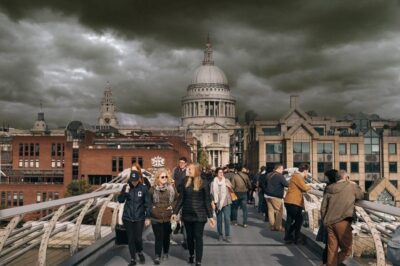

Browse the lists this tour appears in