
Reviewed · TOWER OF LONDON TOURS
Tower of London Crown Jewels and English Royal History Tour
The Tower of London keeps its best stories behind thick stone walls: dazzling crowns on one side, royal imprisonment and execution on the other. This three-hour tour brings both sides together, from the Imperial State Crown and Sovereign’s Sceptre to the places linked with Anne Boleyn, Lady Jane Grey, and the Princes in the Tower.
I like the guaranteed timed entry, which removes one major worry at a busy London sight. I also like the mix of Crown Jewels, armour, ravens, chapels, and battlements, since you get far more than a quick look at the famous crowns. The main drawback is physical: expect stairs, cobbles, inclines, and uneven ground, with no transport, food, or hotel pickup included.
Key points about this Tower of London tour
- See more than 23,000 gemstones: The Crown Jewels display includes the Imperial State Crown, Koh-I-Noor Crown, and Sovereign’s Sceptre with Cross.
- Start with a Blue Badge guide: Your guide introduces the fortress and connects its rooms to kings, queens, prisoners, and political upheaval.
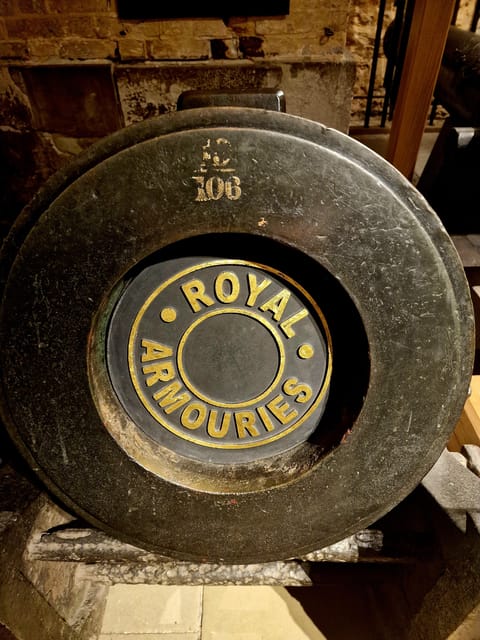
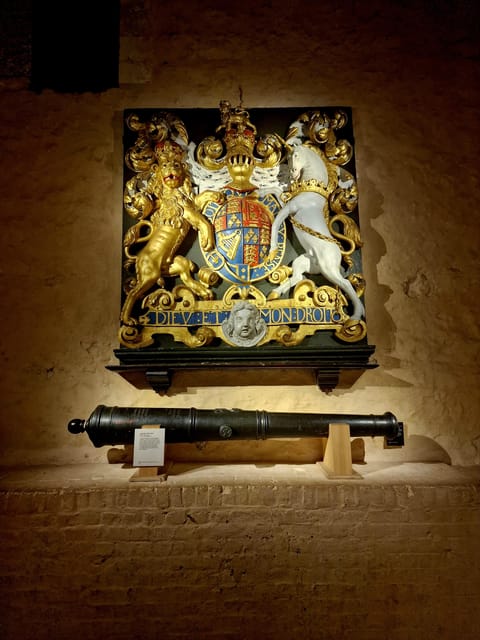
- Walk through the White Tower: See the Tower Armory and the Line of Kings, including tournament armour linked with Henry VIII and other monarchs.
- Meet the Tower’s ravens: Raven House offers a close look at the birds tied to one of London’s best-known legends.
- Reach the older defensive spaces: Battlements, towers, St John’s Chapel, and Lower Wakefield Tower show the fortress as both palace and military stronghold.
- Plan for a demanding walk: Comfortable shoes are essential, and the route is not suitable for wheelchair users or people with mobility impairments.
Why the Crown Jewels are only half the story
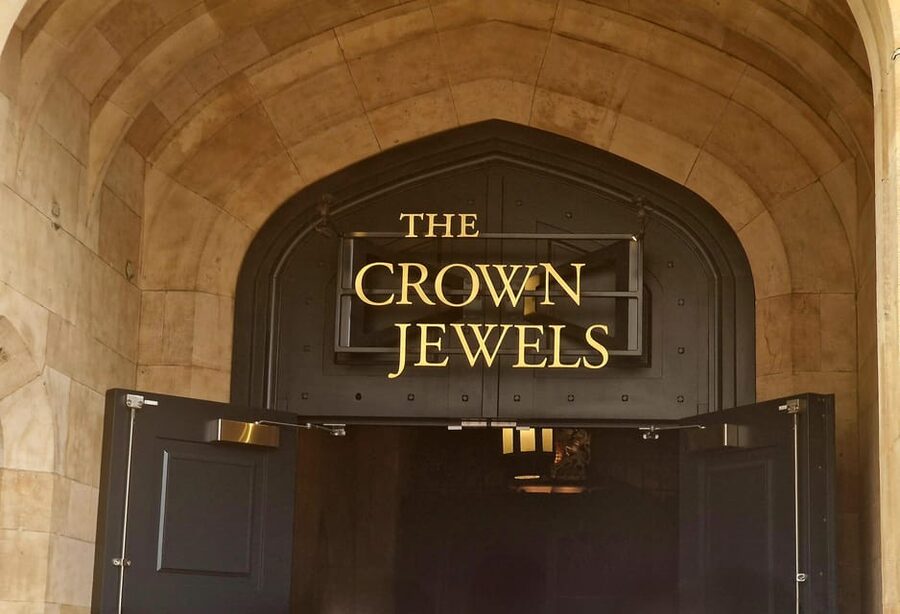
Many people come to the Tower for the crowns. That makes sense. The Jewels House holds about 100 objects and more than 23,000 gemstones in a display designed to impress, and the most recognizable pieces are here: the Imperial State Crown, the Koh-I-Noor Crown, and the Sovereign’s Sceptre with Cross.
The display gives you a direct look at royal ceremony. These are not just old objects in glass cases. They represent coronations, state power, and the public image of the monarchy. You can see why the Crown Jewels are one of London’s major sights.
But I would not book this tour only for the jewellery. The more memorable visit comes from setting those objects against the Tower’s darker rooms and rough defensive walls. A crown can tell you how a monarch wanted to be seen. A prison, chapel, or execution site can tell you how royal power worked when someone challenged it.
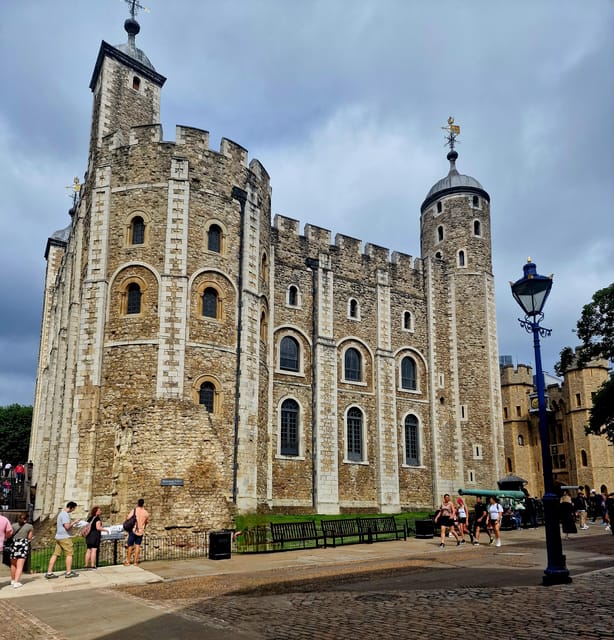
Your guide begins outside the Tower, pointing out the fortress structure first built under William the Conqueror in the 1070s. That opening matters. Before you enter, you get a sense of the building as a Norman statement of control over London, rather than simply a museum with several separate exhibits.
More History Tours in London
- London: Historic Pubs of Central London Walking Tour
★ 4.9 · 1,065 reviews - London: Soho Music and Historic Pubs Walking Tour
★ 4.9 · 836 reviews - London: Rock ‘n’ Roll History Tour
★ 4.6 · 645 reviews
From William the Conqueror to Henry VIII
The White Tower began in 1078 under William the Conqueror. Its scale and stone construction sent a clear message to the city: Norman rule was here to stay. Inside, you can see how the Tower developed from a fortified base into a royal residence, military storehouse, prison, and ceremonial site.
The story then moves through the medieval kings who changed the complex. Henry III added grand halls and chapels, giving the fortress a more polished royal role. Edward I strengthened its defences and used it as a base for military campaigns.
These changes help you read the building as you walk. One room may suggest court life, while a thick wall or narrow stairway reminds you that security was always part of the design. The Tower was never only a palace and never only a prison.
The royal stories become more tense under Richard II, who was imprisoned here after Henry IV took the throne. During the Wars of the Roses, Henry VI was held at the Tower more than once and met a tragic end in Wakefield Tower. Edward IV reinforced the complex as he fought to control London.
Your guide also covers the mystery of the Princes in the Tower, Edward V and his brother Richard. The boys disappeared while under the guardianship of their uncle, Richard III. The Tower does not offer a neat answer to the mystery, and that uncertainty is part of what gives the place its power.
Henry VIII brings the Tower’s palace and prison roles into sharp focus. Anne Boleyn was executed here, and Lady Jane Grey, the Nine Days’ Queen, was imprisoned and executed at the Tower. Elizabeth I was held here by her half-sister Mary I before becoming one of England’s most important monarchs.
James I used the Tower mainly for storing arms and ammunition. By then, its role had shifted again, but the fortress remained a symbol of royal authority. I find this long sequence of changing uses more useful than a simple list of famous names. It shows you how one place can remain politically important even as the nature of power changes.
The White Tower and the Line of Kings
The White Tower is the core of the visit and receives about an hour of the guided program. Its rooms hold the Tower Armory and the Line of Kings exhibition, where you can see impressive tournament armour connected with Henry VIII and other kings.
Armour can be easy to skim past in a museum. Here, the setting gives it more weight. The White Tower was built as a fortress, so the armour sits inside the very kind of building that made royal military power possible.
The Line of Kings also helps you picture kingship as public theatre. Armour was practical, but it could also display wealth, rank, and physical strength. Henry VIII’s armour is especially useful for understanding the image a monarch wanted to project.
This part of the tour involves stairs and older surfaces. The Tower is not a smooth modern attraction, and that is both its charm and its challenge. Wear shoes with a firm grip. If you have back problems, limited walking ability, or difficulty with stairs, this route may be a poor fit.
The chapels and royal memory
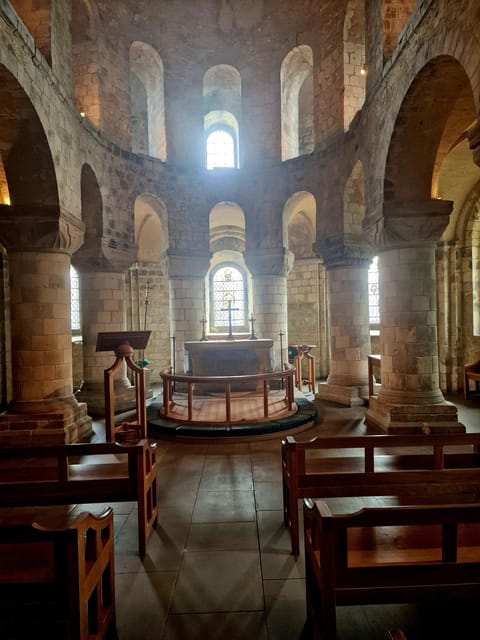
The tour includes St John’s Chapel in the White Tower and the Church of St Peter ad Vincula, subject to opening hours. These spaces offer a quieter counterpoint to the crowns and armour.
St John’s Chapel is part of the early Norman complex. Its plain, solid design helps you understand how the White Tower served both military and religious needs. It is not a grand later church, and that simplicity suits the fortress.
St Peter ad Vincula is closely tied to the Tower’s royal prisoners. Several people connected with the Tower’s most painful episodes are associated with the church, including Anne Boleyn and Lady Jane Grey. Opening hours can affect access, so treat this as an included possibility rather than an absolute guarantee.
These chapels also give your feet a short change of pace. After the bright display cases of the Jewels House and the hard military lines of the White Tower, a religious interior brings the human cost of royal politics into view.
More ways into the Tower of London:
- London: Tower of London Entry & Beefeater Private Audience
★ 4.4 · 1,441 reviews - London: Easy Access Tower of London and Crown Jewels Tour
★ 4.7 · 1,189 reviews - London: VIP Tower of London & Tower Bridge Early-Access Tour
★ 4.8 · 862 reviews - London: Tower of London Guided Tour with Boat Ride
★ 4.6 · 704 reviews
Ravens, battlements, and Tower Bridge
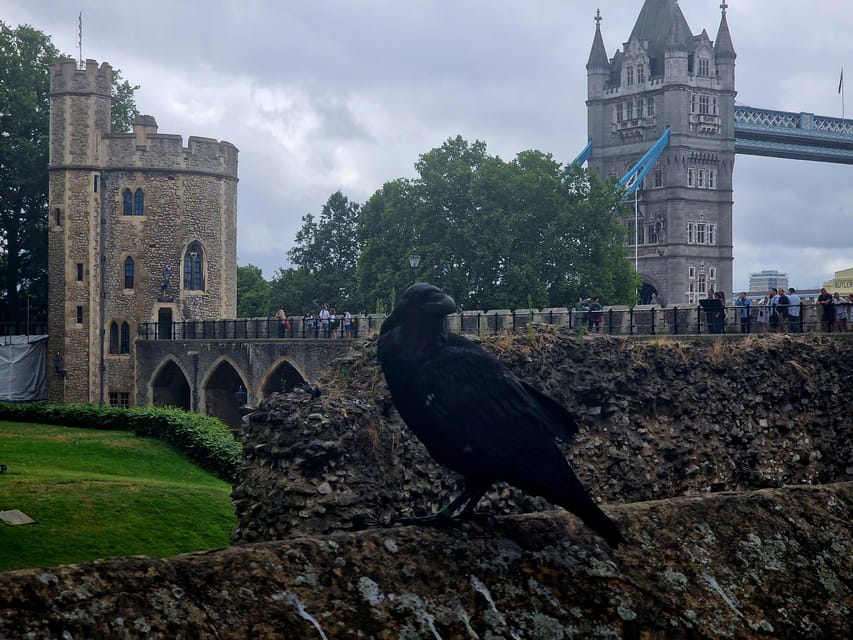
Raven House is one of the lighter stops, but it is not a throwaway. The Tower’s ravens have been part of its public identity for more than 300 years, and the birds remain one of the most memorable sights for many people.
The ravens also provide a useful break from executions, imprisonment, and dynastic conflict. You can see them at close range and hear the stories connected with their place at the Tower. The visit does not turn the whole experience into a dark-history march.
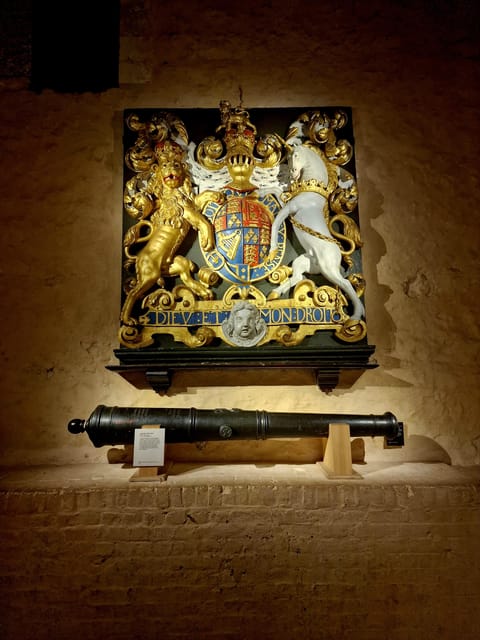
The battlements bring you back to the building’s defensive purpose. You walk along inner defensive walls and through large towers that guarded the fortress for centuries. The route gives you a better sense of the Tower’s physical strength than photographs from outside can provide.
You also get a view of Tower Bridge, England’s most famous bridge, from the Tower area. It makes a fine photo stop and helps place the fortress beside the modern city. The contrast is the point: medieval power, Victorian engineering, and present-day London share the same view.
Do not expect a leisurely stroll on level pavement. The route includes cobblestones, hills, inclines, declines, and stairs. The tour operates in all weather, so bring weather-appropriate clothing. Rain can make old surfaces less comfortable, while warm days can feel tiring inside thick stone buildings.
Lower Wakefield Tower and the Tower’s grim reputation
Lower Wakefield Tower presents the darker side of the visit, with instruments of torture and stories about people held at the Tower. This is a small but important part of the route because it prevents the Crown Jewels from floating free of the Tower’s actual purpose.
The display is about fear as much as physical objects. The Tower’s reputation grew from the people who were confined, questioned, or punished there. Your guide gives the objects a setting, connecting them to the political world that produced them.
If you prefer a light sightseeing stop, this section may feel severe. If you want to understand why the Tower is so firmly fixed in English history, it is essential. The experience does not treat royal tragedy as decoration. It shows how quickly privilege could turn into danger.
Watching the Yeoman Warders at work
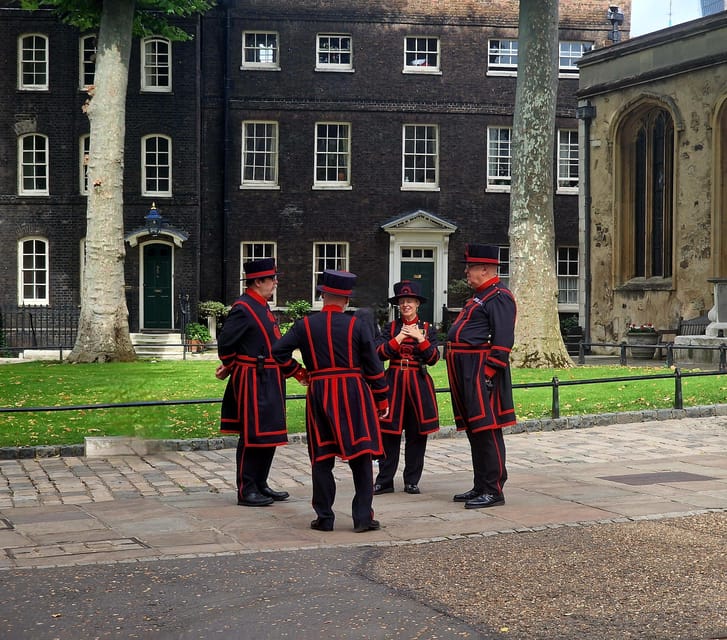
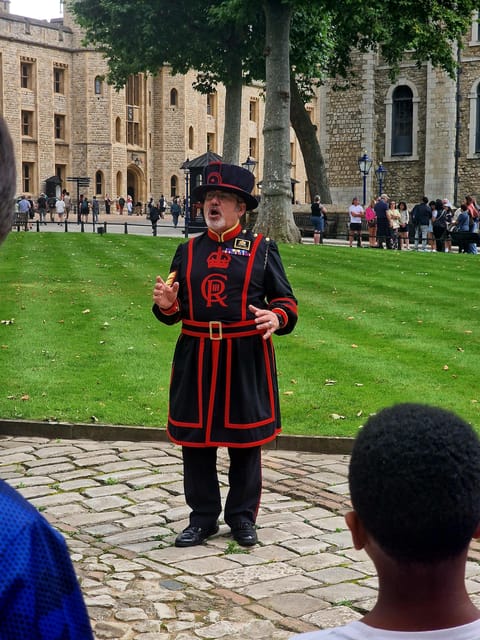
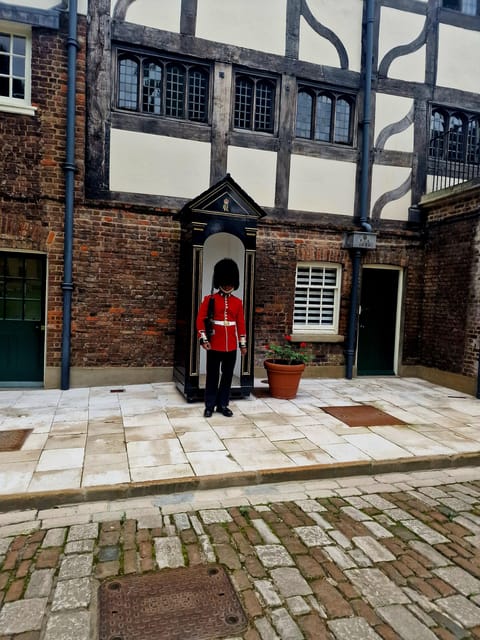
The Yeoman Warders, often called Beefeaters, are ceremonial guardians of the Tower. Seeing them go about their duties adds a living element to a site otherwise filled with objects and old stone.
The best way to approach this part is with respect. You can take photographs of the famous Beefeaters, but the Tower remains a working historic site with staff carrying out their roles. Your guide can help you understand the difference between the modern ceremony and the older security work connected with the fortress.
A Blue Badge London guide leads the tour in English. The experience is strongest when you use the guide for context rather than treating the visit as a race between exhibits. One guide named Fia was described as attentive to individual interests, so it is worth making your own questions clear early in the tour. Guides can shape the emphasis, even though the main stops remain fixed.
Is $120 a fair price for three hours?
At $120 per person, this is not a bargain admission ticket. You pay for timed entry, a live guide, and a structured route through several major areas. The package includes the Crown Jewels, White Tower, Tower Armory, Line of Kings, chapels when open, Raven House, battlements, Lower Wakefield Tower, and views toward Tower Bridge.
The value depends on how you like to visit major sights. If you want to wander at your own speed and read every label, a self-guided visit may suit you better. If you want the building’s royal stories explained as you move through it, the price is easier to justify.
Timed access is especially useful for a landmark with several high-demand areas. You still need to arrive at the meeting place 15 minutes early, but you avoid turning the first part of your visit into a ticket problem.
Transport, food, drinks, and hotel pickup are not included. You meet the guide outside Starbucks at 3 Tower Place West Building, London EC3R 5BT, then finish at the Tower. Build your own route to the meeting point and eat before or after the tour.
Late arrivals cannot be accommodated, and missed tours or tickets cannot be refunded or rescheduled. Check in with the guide before entering, since access is arranged through the organized group. This is one booking where arriving early is not a minor suggestion.
Who will get the most from this tour?
I would recommend it to first-time visitors who want the main Tower sights tied together by a single historical thread. It also suits anyone fascinated by monarchy, Tudor politics, medieval fortifications, royal prisoners, or the Crown Jewels.
Families with older children may find plenty to hold their attention, from armour and ravens to princes who vanished and queens who lost their lives. Anyone under 18 must be accompanied by someone aged 18 or older.
The tour is less suitable for anyone who needs step-free access or regular rest stops. Wheelchairs, motorized scooters, non-folding wheelchairs, non-folding strollers, and electric wheelchairs are not permitted or recommended under the stated restrictions. Oversize luggage, large bags, and baby strollers are also not allowed.
You should be in good health for a three-hour walk. If you are not used to regular exercise or have a medical condition, check with your doctor first. The route is not recommended for people with back problems, mobility impairments, or wheelchair users.
Should you book the Crown Jewels and Royal History Tour?
Book this tour if you want the Crown Jewels placed in the full setting of English royal power, imprisonment, warfare, and ceremony. The strongest features are the timed entry, the wide range of Tower spaces, and the guide’s ability to connect William the Conqueror, Henry VIII, Elizabeth I, and the Princes in the Tower to the rooms around you.
Skip it if you want a quiet, independent visit or if uneven ground and stairs would make three hours uncomfortable. At $120, the cost is reasonable for a guided visit that covers the Crown Jewels and several additional areas, but the value comes from using the guide’s historical context. Arrive early, wear sensible shoes, and treat the Tower as a full fortress rather than a single jewellery exhibit.
FAQ
Where does the Tower of London tour meet?
Meet your guide directly outside Starbucks at 3 Tower Place West Building, London EC3R 5BT. You should arrive 15 minutes before the scheduled start time.
How long does the experience last?
The tour lasts three hours. The Tower of London portion is listed as two hours, followed by about one hour focused on the White Tower.
What language is the tour conducted in?
The live tour guide speaks English.
What is included in the ticket?
Entry includes the Crown Jewels Exhibition, White Tower, Tower Armory, Line of Kings exhibition, Raven House, battlements, Lower Wakefield Tower, and views of Tower Bridge. St John’s Chapel and the Church of St Peter ad Vincula are included subject to opening hours.
Is the tour suitable for wheelchair users?
No. The experience is not suitable for wheelchair users or people with mobility impairments. Wheelchairs, motorized scooters, and other mobility devices are not recommended because suitable ramps cannot be guaranteed.
Can I cancel the booking?
You can cancel up to 24 hours in advance for a full refund. A reserve now and pay later option is also available.
More History Walks around London
- London: Royal Historic Pubs Walking Tour
★ 5.0 · 536 reviews - London: Medieval History Walking Tour from The Tower
★ 4.9 · 318 reviews - London: Witches and History Bankside Walking Tour
★ 4.8 · 223 reviews - London: Natural History Museum Entry Ticket and Guided Tour
★ 3.8 · 212 reviews
Just added around London
- London: Wimbledon Tennis Club and Westminster Walking Tour★ 4.5 · 86 reviews
- London: Westminster to Richmond River Thames Cruise★ 4.8 · 23 reviews
- Westminster Abbey Skip-the-Line Entry and Private Tour★ 4.6 · 4 reviews
- Best of London by LE GRAND – London’s Luxury Bus Tour★ 4.2 · 23 reviews
- London: Westminster Walking Tour & St Paul’s Cathedral Entry★ 4.7 · 7 reviews
- From London: Oxford, Stratford-upon-Avon & Cotswolds Trip★ 4.5 · 64 reviews
- From London: Warwick, Oxford, Stratford & Cotswolds Day Tour★ 4.0 · 270 reviews
- Warner Bros. Studios and 1-Day London Hop-on Hop-off tour★ 4.7 · 9 reviews
Tower of London Tours, compared.
Tower of London Entry & Beefeater Private Audience
Read our review →
Easy Access Tower of London and Crown Jewels Tour
Read our review →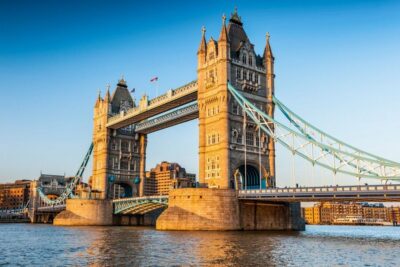
VIP Tower of London & Tower Bridge Early-Access Tour
Read our review →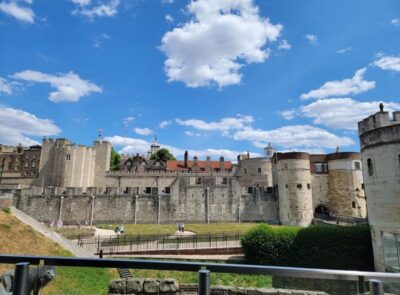
Ultimate Tower of London, Beefeater Welcome & Crown Jewels
Read our review →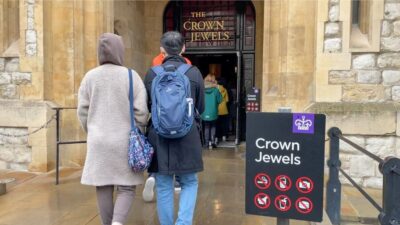
Tower of London Tour with Crown Jewels & Beefeaters
Read our review →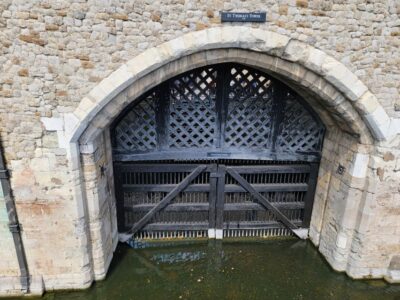
Tower of London: Early Access with Crown Jewels & Beefeaters
Read our review →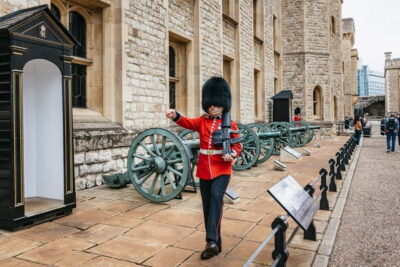
VIP Tower Opening Ceremony, Crown Jewels & Cruise
Read our review →Browse the lists this tour appears in