
Reviewed · THE BEATLES TOURS
Liverpool Beatles Museum Entry Ticket
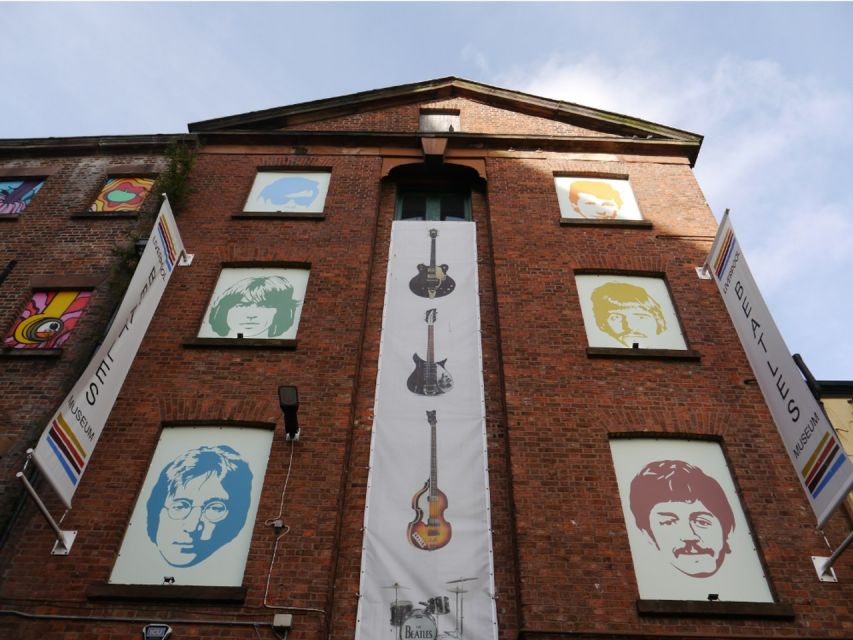
The Liverpool Beatles Museum puts you close to the objects behind the legend. Inside a Grade II listed building on Mathew Street, just yards from the Cavern Club, you can see John Lennon’s glasses, Hamburg-era instruments, and the white cello from Magical Mystery Tour. The collection follows the Beatles from their Liverpool beginnings through Hamburg, fame, and the final studio years.
I like the clear chronological layout, which helps you understand how quickly the band changed. I also like the mix of famous objects and small personal details, including letters, clothing, photographs, and links to other artists of the period. The main thing to consider is the setting: three floors have no lift, and the museum is more traditional and object-focused than highly interactive.
Key points to know before you go
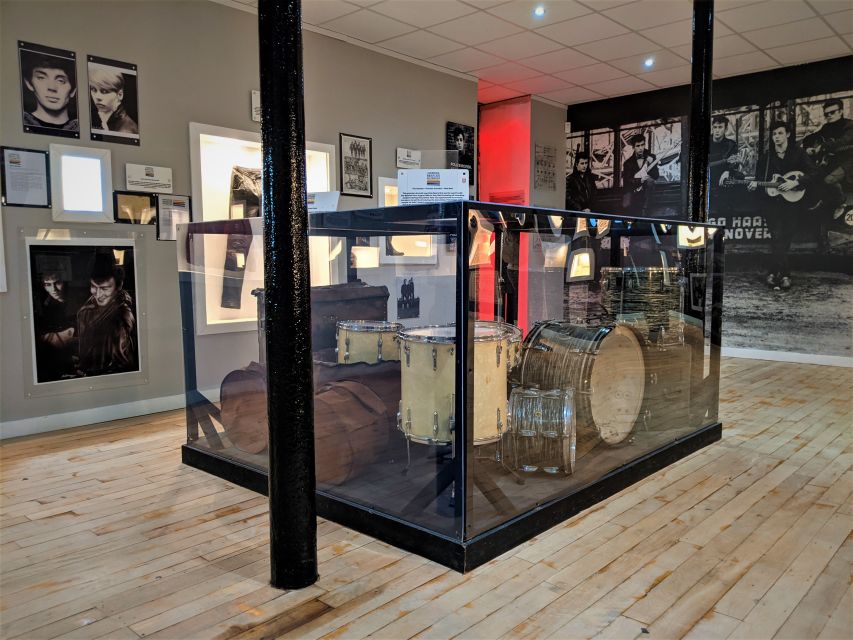
- More than 1,000 original items: Expect instruments, clothing, letters, photographs, film, and personal belongings.
- A chronological route: The three floors cover the early Liverpool years, Hamburg, worldwide success, and the studio period.
- Mathew Street location: The museum is only yards from the Cavern Club and close to other Beatles sights.
- Plan two or three hours: Many people find there is far more to read and see than expected.
- Optional audio guide: You can add commentary at the entrance. Some visitors find it useful for context, while others prefer reading the displays.
- No lift access: The Grade II listed building has stairs between its three floors.
What the Liverpool Beatles Museum does best
This is a museum for people who want to see the physical story of the Beatles, not just hear a familiar playlist. The collection contains more than 1,000 rare and original items, and the displays give the objects room to tell the story.
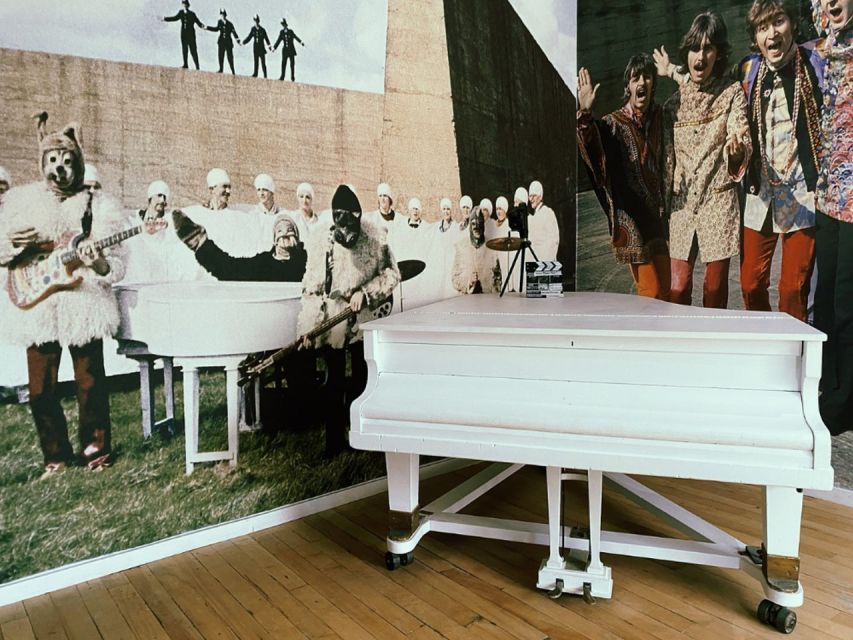
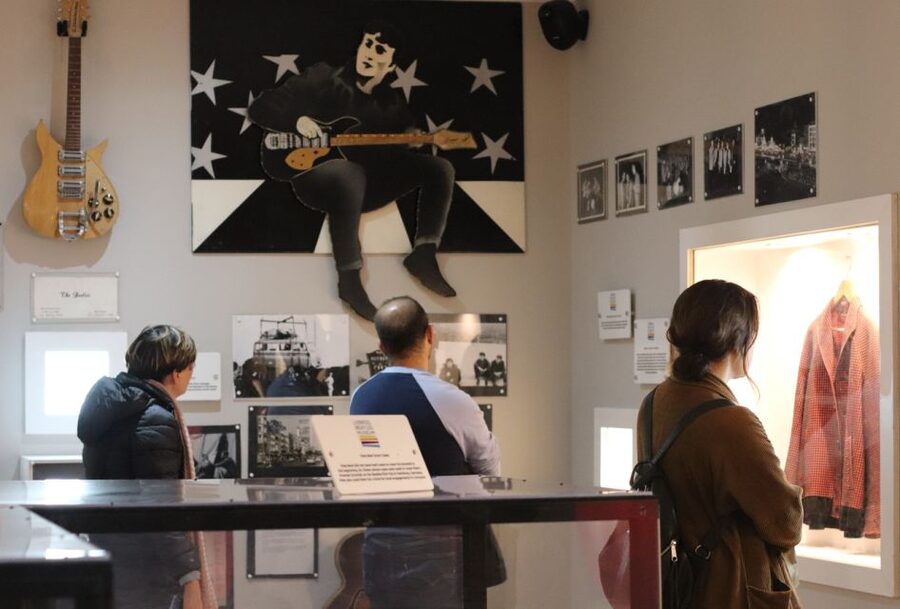
You will see instruments linked to the band’s Hamburg days, John Lennon’s Sgt. Pepper medals, the white cello associated with Magical Mystery Tour, and Paul McCartney’s bass amp. John Lennon’s glasses are another memorable piece. These are the kinds of objects that make the band’s story feel less distant. They are not just album covers or enlarged photographs. They are things the musicians handled, wore, and used.
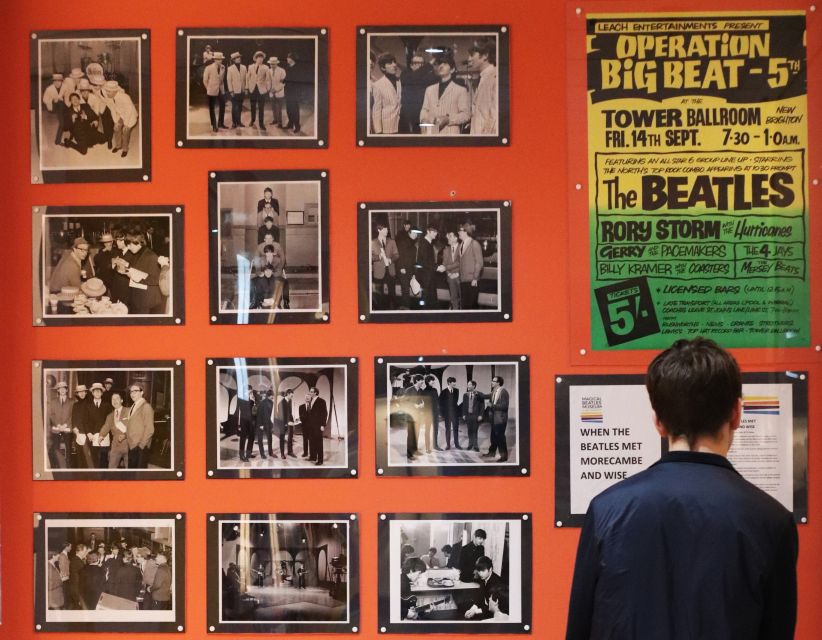
The museum also includes letters, personal items, photographs, interviews, and previously unseen footage. That wider collection matters because it shows the Beatles as working musicians who grew through several stages, rather than as four figures who appeared fully formed in 1963.
More Beatles days in Liverpool:
- Liverpool: City & Beatles Tour with Live Guide & Live Music
★ 4.8 · 5,249 reviews - Liverpool: The Beatles Story Ticket
★ 4.7 · 4,197 reviews - Liverpool: Beatles Explorer Bus Tour Ticket
★ 4.7 · 939 reviews
Three floors, three stages of the Beatles story
The museum is arranged chronologically, with different periods presented across the three floors. This makes the visit easy to follow, even if your Beatles knowledge begins and ends with the best-known songs.
The early displays focus on Liverpool and Hamburg. You can expect photographs, instruments, clothing, and information about the band’s first years. The Hamburg material is especially useful because it places the Beatles in the tough, formative period before worldwide fame. Original guitars and drums from this era help show the working side of the story.
The Liverpool setting adds something important here. This is not a detached exhibition in an anonymous building. You are on Mathew Street, in the same central area linked with the Cavern Club and the city’s music story. After looking at the early displays, you can step outside and connect the museum with the streets and venues that shaped the group.
The middle section follows the move from local success to international fame. The displays show how the Beatles’ image, music, and public life changed as their audience grew. Expect plenty of photographs, written material, musical items, and background information.
The later floor turns toward the group’s more inventive studio years. This is where many visitors spend extra time, since the objects and displays show a band moving beyond its early stage act. The Sgt. Pepper medals and Magical Mystery Tour cello are strong examples of how the museum connects visual style, performance, and recording history.
The chronological order is more than a tidy design choice. It gives you a useful sense of cause and effect. You can see the early instruments before the later studio objects, and the modest Liverpool beginnings before the international scale of the band’s career.
Why the objects matter
A Beatles museum can easily become a wall of famous names and familiar images. This collection works best when it lets the objects carry the story.
A guitar from the Hamburg period tells you something about the band’s early working life. Paul McCartney’s bass amp gives a physical sense of the equipment behind the sound. Lennon’s glasses and Sgt. Pepper medals point to the public image that became part of the Beatles’ identity.
The museum also includes items connected to people around the Beatles. One of the pleasures of the visit is seeing the group in relation to other musicians and artists of the time. That wider view keeps the exhibition from treating the Beatles as if they existed in isolation.
I would allow time for the written panels. Some displays contain small facts and personal details that are easy to miss if you only stop for the famous objects. If you already know the major dates and albums, the letters, photographs, interviews, and lesser-known material may be the most rewarding part.
Music, footage, and the optional audio guide
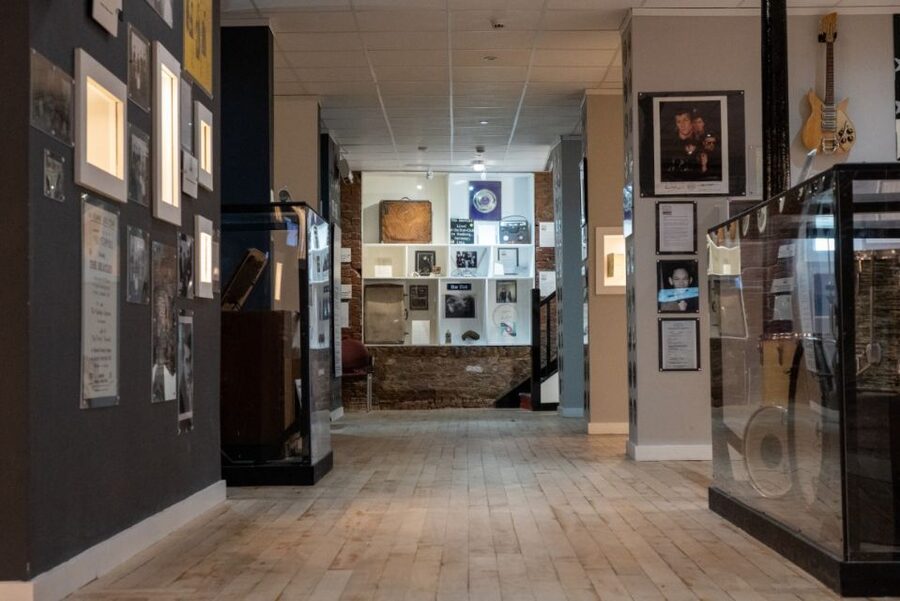
Music plays an important role as you move through the museum. Several visitors enjoyed hearing Beatles songs while looking at the objects and photographs, and the soundtrack helps tie each period together.
You can also add an audio guide at the entrance. It is not included in the admission fee, and past visitors have described it as a low-cost extra, commonly priced at £1. The guide gives useful context, especially if you are new to the Beatles or want more explanation than the written panels provide.
The audio option is not essential. I would choose it if you want a guided route through the collection or if you are visiting with someone who prefers listening to reading. If you like setting your own pace, the museum works well without it.
There is one point to keep in mind. The audio commentary has not suited everyone, and one visitor found the computer-generated voice slightly awkward. You may prefer to read the panels and listen to the music instead. That approach also lets you linger over objects that catch your eye.
A few more Liverpool days worth weighing up
- Liverpool: Liverpool Football Club Museum and Stadium Tour
★ 4.8 · 10,764 reviews - Liverpool: Sightseeing River Cruise on the Mersey River
★ 4.4 · 3,427 reviews - Liverpool: River Cruise and Hop-On Hop-Off Bus Tour
★ 4.5 · 1,864 reviews - Liverpool: Open-Top Sightseeing Hop-On Hop-Off Bus Tour
★ 4.5 · 1,224 reviews
How long should you spend inside?
The official ticket is valid for one day, but the practical question is how much time you want to set aside. Two hours is a sensible minimum if you want to read the displays and look closely at the collection. Many visitors spend more than two hours, and some stay around three.
I would not squeeze this into a rushed gap between lunch and another booking. The museum is compact enough to visit in a single outing, but the amount of material can make a quick pass feel thin. If you arrive late, you may not have enough time to take in all three floors properly.
The self-paced format is helpful. You do not need to keep up with a group or move on when a guide says the next section is ready. You can spend extra time in the early-years displays, pause for the films, or return to an instrument or photograph that interests you.
There are not many places to sit, so you may want to pace yourself. The visit involves stairs and standing, and the lack of lift access is important for anyone who has difficulty with steps.
A traditional museum, not a high-tech attraction
The Liverpool Beatles Museum is strongest as a memorabilia collection. It is less focused on hands-on displays, theatrical sets, or large interactive installations.
That distinction helps when choosing between Beatles attractions in Liverpool. The Beatles Story near the docks offers a different style, with a more designed and interactive presentation. This museum is better suited to you if the main appeal is seeing original objects and reading the details around them.
The informal setup has its own charm. It feels closer to a private collection displayed for the public than to a large, polished visitor attraction. That can mean the museum feels full, and some rooms may have a lot to take in. In return, you get a large amount of material in a relatively small central building.
The collection was assembled by Roag Best and his family. That connection is part of the museum’s character, particularly in the displays about the Beatles’ early years. The early material receives a strong focus, so you should expect more attention to the Liverpool and Hamburg period than to the solo careers of John, Paul, George, and Ringo after the band ended.
Location on Mathew Street
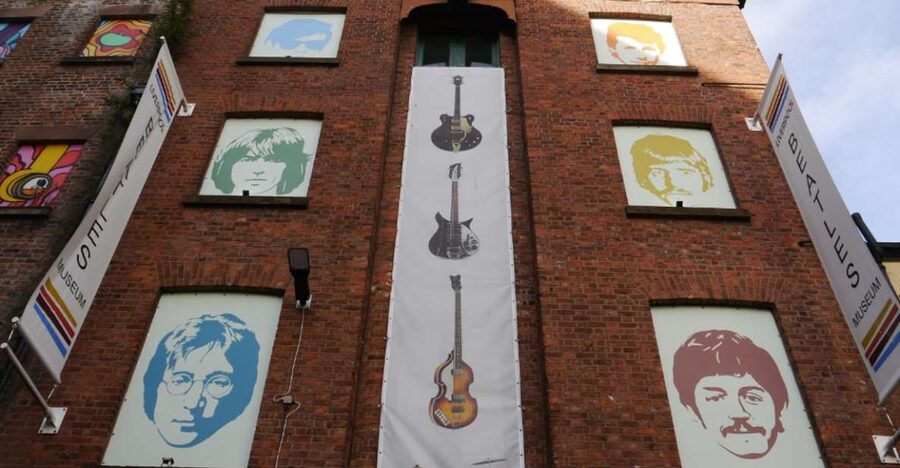
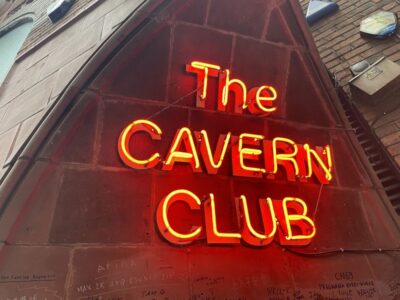
The museum is easy to combine with a day of Beatles sightseeing. It is on world-famous Mathew Street, only yards from the Cavern Club, and around the corner from the Hard Days Night Hotel.
That location is one of the ticket’s practical strengths. You can visit the museum and then walk to nearby Beatles-related sites without needing transport between them. The surrounding area also gives the early displays more meaning. After seeing photographs and objects connected with Liverpool’s music scene, you are already in the part of the city where the story took shape.
Go to the Liverpool Beatles Museum directly for entry. Food and drink are not included, so plan any café or pub stop separately. There is also a small gift shop with Beatles-themed gifts, and it can be a useful final stop if you want a modest souvenir rather than another major attraction.
Is the $26 ticket good value?
At about $26 per person, the ticket is good value if you are genuinely interested in the Beatles or in popular music history. The collection is large, the location is central, and the visit can fill two or three hours. That works out well beside the cost of many short city attractions.
The value is less certain if you are only mildly curious and prefer interactive entertainment. The museum asks you to read, look, and make connections. It does not rely on rides or elaborate staged effects to hold your attention.
The strongest value comes from the original objects. Seeing a famous photograph costs little in emotional terms because you may already know it. Seeing instruments from the Hamburg days, Lennon’s glasses, the Sgt. Pepper medals, and McCartney’s bass amp gives you something that a standard Beatles display cannot provide.
An optional audio guide adds context for a small extra charge, but you do not need it to make the most of the ticket. I would budget for the museum itself first, then decide at the entrance if you want additional commentary.
Who will enjoy this museum most?
This is an easy choice for a serious Beatles fan. You will have enough detail to keep returning to the displays, and the large collection includes objects that even well-read fans may not have seen in person.
It also suits families and mixed-age groups. A child or teenager who already loves the band can follow the photographs, instruments, clothing, and music without needing to know every album in advance. Adults who remember the Beatles from their own lives may find the timeline especially effective.
You do not need to be an expert. The chronological layout gives newcomers a basic route through the story, while the personal items and lesser-known material offer more for dedicated fans.
I would be less likely to recommend it to someone who wants a short, highly theatrical attraction or a strong focus on the Beatles’ solo careers. The museum’s main story ends with the band’s late 1960s period, and the early years receive particular attention.
Practical details worth knowing
The activity lasts one day in booking terms, but your visit itself is self-paced. Check the available start times when booking, since the ticket information does not give one fixed daily schedule.
Free cancellation is available up to 24 hours before the visit for a full refund, and you can reserve now and pay later. Those terms are useful if your Liverpool plans may change.
The building is Grade II listed and has no lift access. You will need to use the stairs between floors, so take that into account before booking.
The museum does not include food or drink. There is no transport element either. You make your own way to Mathew Street, which is also an advantage if you are already visiting the Cavern Club and nearby Beatles sites.
Should you book the Liverpool Beatles Museum?
Book it if you want real Beatles memorabilia, a clear timeline, and a central Mathew Street location. The collection is large enough for a long visit, and the Hamburg instruments, personal items, photographs, and later studio objects give the band’s story a firm physical presence.
Choose another attraction, or add one, if you want a more interactive presentation or detailed coverage of the four musicians’ solo careers. For most music fans, though, the $26 ticket earns its place in a Liverpool itinerary. Allow at least two hours, take the stairs slowly, and consider the audio guide if you want extra context.
FAQ
Where is the Liverpool Beatles Museum?
The museum is on Mathew Street in central Liverpool, only yards from the Cavern Club. It is also around the corner from the Hard Days Night Hotel.
How long is the museum ticket valid?
The ticket is valid for one day. Check availability when booking for the available starting times.
How many items are displayed?
The museum contains more than 1,000 rare and original items across three floors.
Is an audio guide included?
The entrance ticket includes admission to the museum. An audio guide is an optional extra available at the entrance.
Is the building accessible by lift?
No. The Grade II listed building does not provide lift access, so you need to use the stairs between its three floors.
Can I cancel the booking?
Yes. You can cancel up to 24 hours in advance for a full refund. You can also reserve the ticket and pay later.
More Museums in Liverpool
- Liverpool: The Anfield Abseil & Liverpool FC Museum
★ 4.8 · 117 reviews - London: Chelsea Football Club Stadium and Museum Tour
★ 4.8 · 4,576 reviews - London Transport Museum Entrance Ticket
★ 4.5 · 1,323 reviews - Manchester: National Football Museum Admission Ticket
★ 4.4 · 1,243 reviews
Just added around Liverpool
- Ultimate Beatles Ticket to Ride Half Day -Small Groups★ 4.9 · 37 reviews
- THE HANGOVER BRUNCH | Benidorm Bingo & Drag Queens★ 4.5 · 15 reviews
- Soulful Sunday Roast Dinner with Drag Queens★ 4.6 · 3 reviews
- Liverpool: Private City Highlights Walking Tour★ 5.0 · 4 reviews
- From Liverpool: North Wales Sightseeing Tour Shore Excursion★ 4.3 · 34 reviews
- Liverpool: 1980s Music Walking Tour with Guitarist “Nasher”★ 5.0 · 6 reviews
- Liverpool: The Beatles Tour on Electric Pedal-Assist Ebikes★ 5.0 · 17 reviews
- Liverpool: Total Beatles Car Tour Casbah & Cavern Clubs★ 5.0 · 3 reviews
The Beatles Tours, compared.
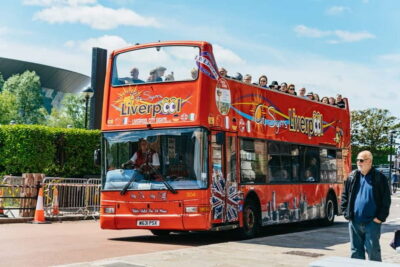
City & Beatles Tour with Live Guide & Live Music
Read our review →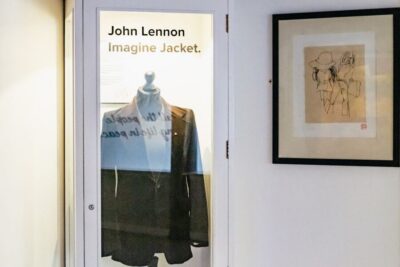

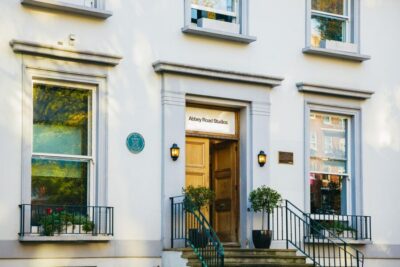
Beatles and Abbey Road Tour with Richard Porter
Read our review →

Beatles In My Life Walking Tour with Richard Porter
Read our review →Browse the lists this tour appears in