Reviewed · GUIDED
Rochester: Bespoke After Hours Tour with a Costumed Guide
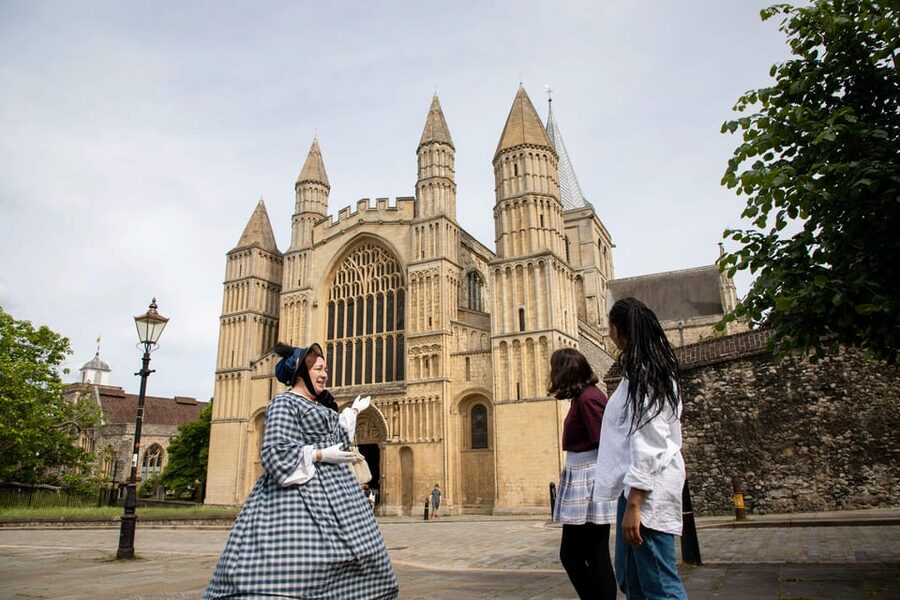
Rochester becomes a different place after sunset. On this 90-minute private walk, you see the cathedral, castle, old gates, lanes, and Dickens landmarks through the eyes of a character from another age. Your guide might be Mrs Dickens, a Napoleonic officer, or another figure tied to Rochester’s past.
I like the choice of historical viewpoint, which turns a standard town walk into a small piece of theatre. I also like the route’s range, from grand buildings to narrow passages such as Two Post Alley and Baker’s Walk. The main thing to consider is that this is an outdoor walking tour, and after-hours access inside the castle, cathedral, museums, or other sites is not included.
Key points to know before you book
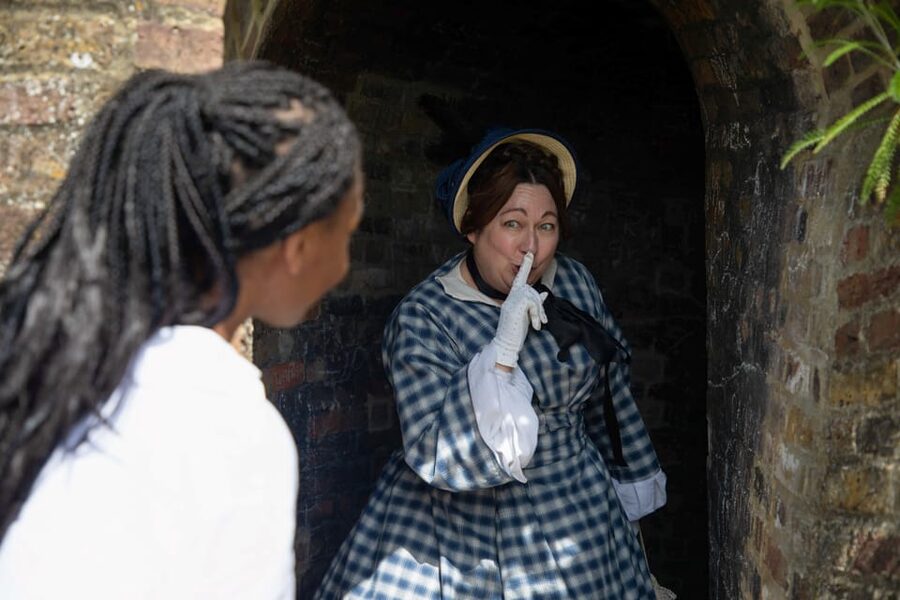
- Choose your historical character: See Rochester with a guide playing Mrs Dickens, a Napoleonic officer, or another period figure.
- Cover 22 sites and four old gates: The route links major landmarks with lanes, houses, churches, and less obvious corners.
- Focus on Charles Dickens: Learn how Rochester and the Medway area shaped the writer’s life and work.
- Expect an evening walk, not attraction entry: You see close-up views of the castle and cathedral, but indoor access must be arranged separately.
- Private and adaptable: The route can be changed for mobility needs, and the guide can begin or finish at a chosen bar or restaurant.
- Best for adults and older teens: The tour is not suitable for children under 16 or babies under one year.
Rochester after dark, with a character from another age
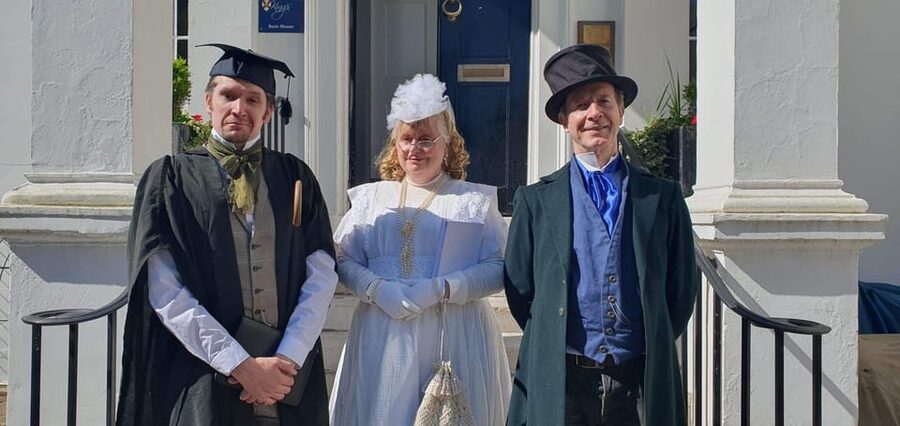
The central idea is simple and effective: instead of hearing a guide deliver a plain sequence of dates, you follow a figure who belongs to Rochester’s past. That character gives the walk a point of view. Mrs Dickens can lead you into the world surrounding Charles Dickens, while a Napoleonic officer offers another way to think about soldiers, empire, threats, and the river town’s military connections.
This approach matters because Rochester is packed with old buildings, but a building alone does not tell you why it mattered. A costumed guide can connect a gate to movement through the city, an almshouse to poverty and charity, and the river to trade, war, and the growth of nearby Chatham’s dockyard.
The tour also has a clear evening mood. Twilight tales about famous and infamous people in Medway fit the narrow streets better than a daytime checklist would. You are not simply walking past Rochester Cathedral and Rochester Castle. You are being asked to picture the people who sought shelter, work, release, or a new start within these walls.
The theatrical element will not suit everyone. If you want a quiet architectural tour with long explanations about building dates, this may feel too character-led. If you like history delivered with a little drama, the format should make the details easier to remember.
A few more Britain days worth weighing up
- Magical London: Harry Potter Guided Walking Tour
★ 4.7 · 22,044 reviews - London: Emirates Stadium Entry Ticket and Audio Guide
★ 4.7 · 5,513 reviews - Liverpool: City & Beatles Tour with Live Guide & Live Music
★ 4.8 · 5,249 reviews
Starting at Corporation Street and entering through the French Hospital
The meeting point is in Rochester, on Corporation Street opposite the main exit from Rochester station, near the coach bays. If you do not arrange another location, the alternative meeting point is outside Store 104 on Rochester High Street.
The route enters the High Street through a discreet passage by the French Hospital. That is a good opening because it moves you away from the ordinary station approach and into the older part of town. You begin with a sense of crossing from modern Rochester into the historic streets, rather than simply starting on a busy shopping road.
You can also ask the guide to begin or finish at a bar or restaurant of your choice. This works well if you want to eat before the walk or settle in for a drink afterward. You need to send the venue name through the booking message service, and meals and drinks are paid separately.
For a private group, this flexibility is useful. You are not tied to a large public departure point or a fixed restaurant stop. Still, confirm the meeting place in advance. Rochester has several compact streets and historic buildings, and a discreet entrance is easy to miss if you arrive late.
Almshouses, Dean’s Gate, and the cathedral quarter
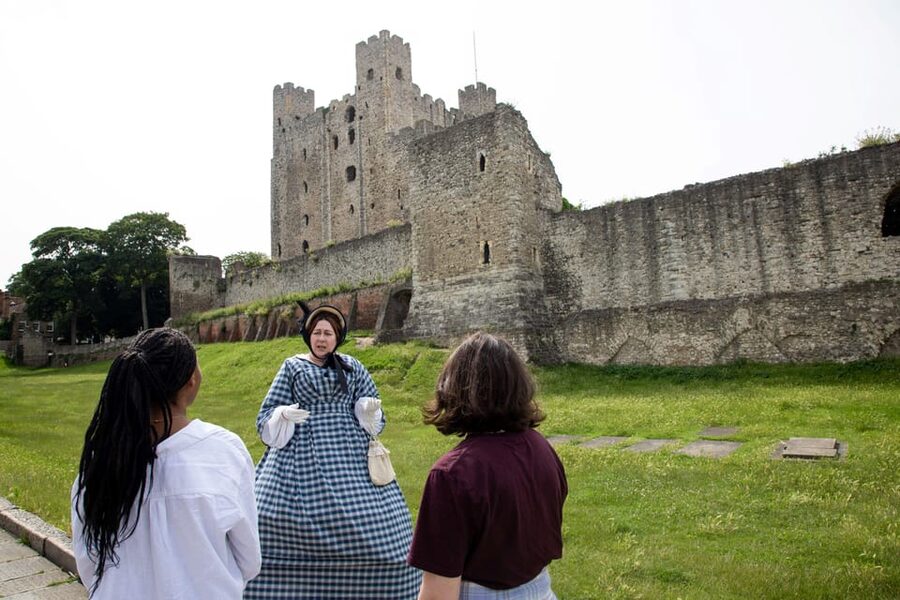
Early stops include the almshouses, Dean’s Gate, Rochester Cathedral, and the church of St. Nicholas. Together, these places show how the city developed around religious life, charity, and controlled access.
The almshouses are especially useful in a tour that looks at ordinary lives as well as grand names. They point toward the people who needed support, and they help balance the famous stories of kings, writers, officers, and churchmen. Dean’s Gate then brings the focus back to the boundaries and entrances that shaped movement through the old city.
Rochester Cathedral gives the walk one of its strongest visual moments. You get a close-up view rather than an indoor tour, so the value lies in the guide’s explanation and the building’s place in the city story. The cathedral is tied to Rochester’s identity as a cathedral city, but the tour also asks you to look beyond religious architecture and consider the wealth that came through the river and Chatham’s dockyard.
St. Nicholas adds another layer to the route. The city is not presented as a single grand monument. Instead, you see a collection of churches, gates, homes, inns, and lanes that served different groups over time.
Jasper’s Gate, Two Post Alley, and the old city’s narrow passages
The walk then moves into smaller spaces, including Jasper’s Gate and Two Post Alley. These are the kind of places you can pass without understanding their role if you are exploring on your own.
A character guide is useful here because the narrow route becomes part of the story. Pilgrims, refugees, agitators, soldiers, sailors, and prisoners all feature in the tour’s view of Rochester. The city is presented as a place where people arrived for many reasons, often seeking safety, work, freedom, or a way out.
You should expect the guide to point out both visible remains and traces that are harder to see. The wording of the experience makes clear that the tour is not just about preserved façades. It also deals with the influence of past events on modern Medway, including changes that are no longer obvious at street level.
This part of the walk may be less comfortable for anyone who prefers broad, even routes. The route can be amended for people with mobility needs, so contact the provider before the tour if you have specific requirements. Wheelchair access is listed, but a route adjustment should still be discussed in advance.
Same city, a completely different sort of afternoon:
- London: The London Eye Entry Ticket
★ 4.6 · 35,875 reviews - From London: Harry Potter Warner Bros Studio Tour
★ 4.7 · 26,588 reviews - London: Westminster to Greenwich River Thames Cruise
★ 4.5 · 22,836 reviews - London: Madame Tussauds London
★ 4.6 · 20,915 reviews
The George Vaults, Guildhall, and Rochester’s public life
The George Vaults, the Guildhall, the Bull Hotel, and the Royal Crown shift the focus toward public life, travel, drinking, business, and local power. These places help explain how Rochester functioned as a working town, not only as a setting for old stones and literary associations.
The inns and public buildings matter because they connect the city to people passing through. A town on a major route and near important waterways needs places to sleep, meet, trade, argue, and celebrate. The tour’s character format should work well in this section, since a period figure can frame the old inns as active social spaces rather than static addresses.
The Guildhall also gives the guide a chance to discuss civic authority. Rochester’s story includes agitators and prisoners as well as respectable officials. That contrast keeps the walk from becoming a polished parade of famous names.
You will not be stopping for food or drinks as part of the $20 ticket. If you want the nightlife angle to include a real bar or restaurant visit, arrange that separately. The provider can book a venue in the party’s name if required, but any meal, drink, or reservation cost is extra.
Rochester Bridge Trust and the road toward the castle
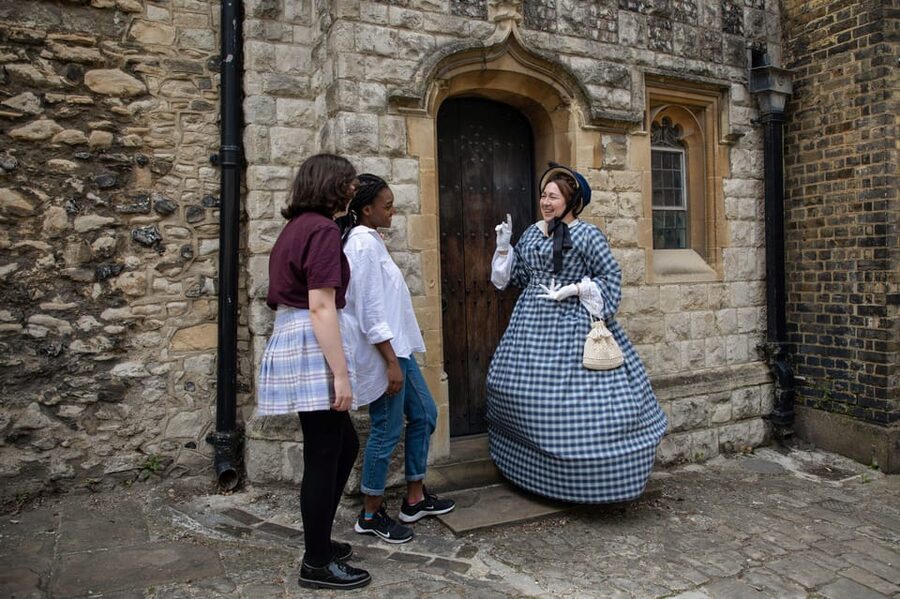
Rochester Bridge Trust and the route toward Castle Gardens show how the river shaped the city. The Medway was not just scenery. It helped Rochester grow, linked the town to wider trade, and supported the dockyard at Chatham.
This is one of the tour’s useful threads: Rochester’s old streets are explained as part of a larger regional story. The cathedral and castle may draw the eye, but the river helped create the wealth and movement that made the city important.
Castle Gardens provides a change of pace before Rochester Castle. You get close-up views of the castle rather than an after-hours interior visit. The castle is therefore best understood as a strong visual anchor for the story, especially when the guide explains how military power and civic life met in this small city.
Access is the key limitation. After-hours entry to the castle, cathedral, museum, or other attractions is not included. Any special entry must be negotiated with the relevant attraction, so do not book this walk expecting an evening castle tour.
Baker’s Walk, Satis House, and the Dickens connection
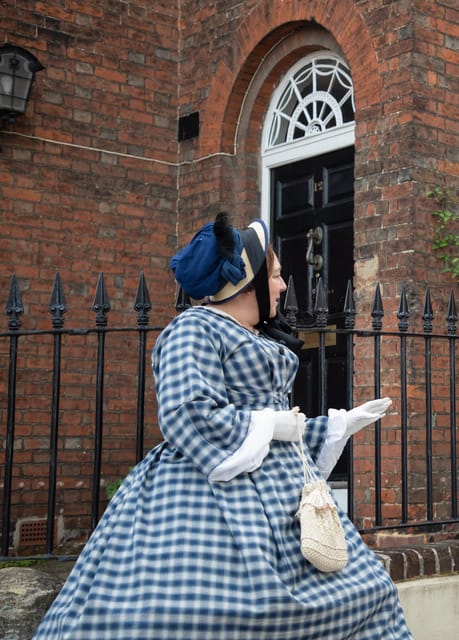
The Dickens section is a major reason to choose this experience. Rochester directly influenced Charles Dickens, and the route includes several places connected with the writer and the settings associated with his work.
Baker’s Walk, Satis House, Longley House, Boley Hill, and Restoration House give the guide material for explaining how real streets and buildings fed Dickens’s imagination. You will not only hear that Rochester inspired him. You will see the physical places that helped shape the atmosphere behind his writing.
Restoration House is especially important within the route because it connects the town’s architecture with Dickens’s literary world. Satis House also carries a strong Dickens association, making this portion appealing if you have read Great Expectations or want to understand the local backdrop before reading it.
The experience does not promise indoor access to these sites. The value comes from seeing them in context and hearing the stories around them. That is a fair trade at $20, especially for a private walk, but readers seeking a house museum visit should plan a separate daytime stop.
The final stretch through the Vines and Eastgate House
The Vines, Minor Canons Row, and the memorial marking the last known sighting of Dickens add a quieter, more personal side to the literary story. These stops help move Dickens from a distant author’s name to a figure connected with particular streets and local memory.
Eastgate House and the Swiss Chalet continue that theme. The route does not treat Dickens as the only important person in Rochester, but his influence gives the walk a clear thread. You see how the town remembers him while also hearing about the many other lives that passed through the area.
The Six Poor Travellers brings the route back to charity and social history. It is a fitting stop because the walk began with the almshouses and repeatedly returns to people who had little power or money. Rochester’s story is not only about grand buildings and celebrated writers. It is also about poverty, movement, refuge, and the systems created to help, control, or house people.
What the guide and character style add
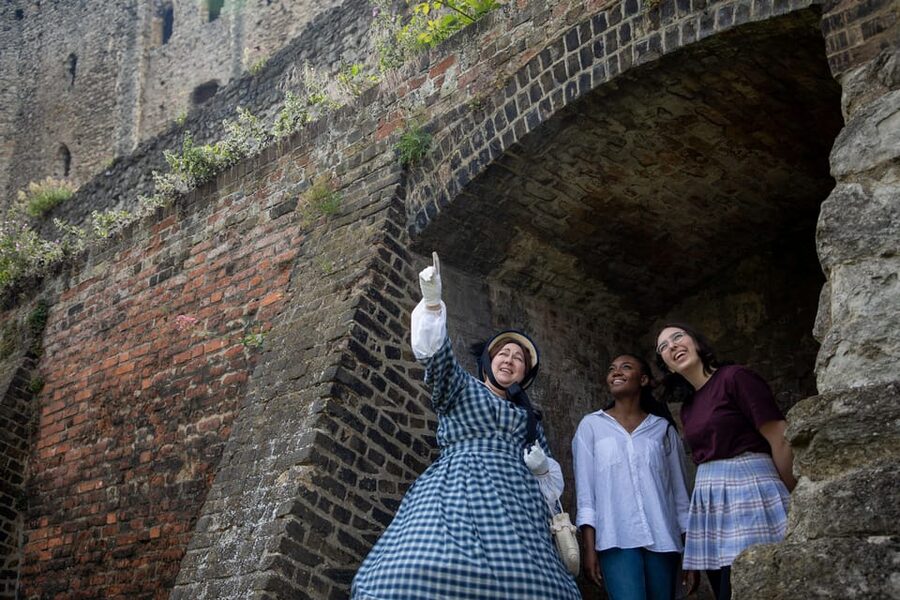
The guide stays in character throughout the walk. That requires more than wearing period clothing. It changes how information is presented, since the guide speaks from the viewpoint of a person connected to the time being discussed.
Katy has led the tour as a Victorian character, and her portrayal of Mrs Dickens has been particularly well received. Her route includes detailed information about Charles Dickens and his life, while the character gives the delivery a clear period flavor. A new microphone system has also been used for Mrs Dickens, which is a practical improvement if you have trouble hearing in a group.
The guide’s knowledge of Rochester is just as important as the costume. Historical theatre can become a distraction if it replaces substance, but this tour aims to combine character work with stories about the city, the cathedral, castle, river, dockyard, and Dickens.
You should be comfortable with a little performance. The guide may speak and act as the chosen figure rather than offering a neutral modern narration. That is the point of the experience, but it is worth knowing before you book.
Is $20 good value for 90 minutes?
At $20 per person, the price is reasonable if you want a focused introduction to Rochester with a private group and a costumed guide. You cover 22 sites and four city gates in 90 minutes, with close views of the castle and cathedral and plenty of stops in between.
The value comes from the route and interpretation, not from admission tickets. You are paying for the guide, the character presentation, and the connections between places that may otherwise seem unrelated. Since there is no included meal, drink, or indoor attraction entry, budget separately if you want a fuller evening.
The short duration is both a strength and a limit. Ninety minutes is long enough to see a broad slice of the old city without taking over your whole evening. It is not long enough for every location to receive a detailed architectural study.
I would choose this tour early in a Rochester visit. It gives you a useful map of the old city, points out places you can revisit, and explains why Dickens matters here. If you already know Rochester well, choose a character and period that offers a fresh angle rather than treating it as a basic orientation walk.
Who will enjoy this Rochester walk?
I would recommend it most strongly to adults, older teenagers, Dickens readers, and anyone who enjoys local history with a theatrical touch. It also suits a couple, family group with older children, or friends looking for an unusual evening activity before or after dinner.
The private format makes it a good choice for people who want to ask questions or move at a comfortable pace. The route can be adapted for mobility needs, but you should email ahead with the details. The tour is wheelchair accessible, yet old streets and narrow passages still make route planning important.
I would think twice if you dislike roleplay, want to enter historic buildings after dark, or need a slow tour with lengthy stops. The guide covers a lot of ground and the experience depends on listening while walking.
Should you book the Bespoke After Hours Tour?
Book it if you want Rochester explained through people and stories, not just monuments. The Mrs Dickens option is the natural pick for anyone interested in Charles Dickens, while another historical character may suit you better if military or civic history holds more appeal.
The strongest reasons to go are the private format, the wide route, the after-hours atmosphere, and the guide’s ability to make less obvious streets meaningful. The main limits are the lack of included attraction entry and the brisk 90-minute schedule.
At $20, it is a low-cost way to see the old city with a clear theme. Arrange a restaurant or bar before or after if you want to build a complete evening around it. For a first look at Rochester, especially with Katy as Mrs Dickens, I would book it.
FAQ
Where does the tour start?
The standard starting point is in Rochester on Corporation Street, opposite the main exit from Rochester station near the coach bays. If no alternative is chosen, the meeting point is outside Store 104 on Rochester High Street.
How long does the walking tour last?
The guided walk lasts 90 minutes, or one and a half hours.
What language is the tour in?
The live tour guide speaks English.
Is the tour private?
Yes. The activity is offered for a private group.
Can I choose the historical character?
You can choose from a variety of characters, including Charles Dickens’s estranged wife and a Napoleonic officer. Other character options may also be available.
Is Charles Dickens featured throughout the tour?
Dickens is an important part of the experience. The route includes places connected with his influence on Rochester, including Restoration House, Satis House, Eastgate House, the Swiss Chalet, and a memorial to his last known sighting.
Does the tour include entry to Rochester Castle or the cathedral?
No. The tour provides close-up views of Rochester Castle and Rochester Cathedral, but after-hours entry to those sites and other attractions is not included. Any special entry must be arranged separately.
Can the tour start or finish at a restaurant or bar?
Yes. The costumed guide can start or finish at a bar or restaurant of your choice. Send the venue name through the booking message service, and remember that meals and drinks are paid separately.
Is the tour wheelchair accessible?
Yes, wheelchair access is listed. The route can also be amended for mobility needs, but you should email ahead with any requirements.
Is the tour suitable for children?
The tour is not suitable for children under 16 years old or babies under one year.
Just added around Britain
- London: Wimbledon Tennis Club and Westminster Walking Tour★ 4.5 · 86 reviews
- London: Westminster to Richmond River Thames Cruise★ 4.8 · 23 reviews
- Winchester: Historic Castles and Cathedrals Walking Tour★ 4.9 · 154 reviews
- Best of London by LE GRAND – London’s Luxury Bus Tour★ 4.2 · 23 reviews
- Whitby: Guided Distillery Tour with Gin Tasting★ 5.0 · 28 reviews
- Westminster Abbey Skip-the-Line Entry and Private Tour★ 4.6 · 4 reviews
- London: Westminster Walking Tour & St Paul’s Cathedral Entry★ 4.7 · 7 reviews
- Warwick: Entry Ticket for Warwick Castle★ 4.7 · 215 reviews
Guided, compared.

Magical London: Harry Potter Guided Walking Tour
Read our review →
Emirates Stadium Entry Ticket and Audio Guide
Read our review →
City & Beatles Tour with Live Guide & Live Music
Read our review →
University and City Walking Tour with Alumni Guide
Read our review →
Christmas Lights Nighttime Bus Tour with Live Guide
Read our review →