
Reviewed · CASTLE TOURS
Stirling Castle: Skip-the-Line Guided Tour in Spanish
Stirling Castle is where Scotland’s royal drama, military struggles, and stranger legends all meet. In 90 minutes, you’ll walk through the royal palace, the Great Hall, and the fortress grounds while your Spanish-speaking guide connects the stones to Mary Queen of Scots, William Wallace, Robert the Bruce, and the castle’s many sieges.
I like the skip-the-line entry, which saves useful time at one of Scotland’s busiest historic sites. I also like the small group of up to 10 people, especially because guides such as Fernando and Alejandro bring a personal style, with Fernando known for historical recreations, jokes, and even poems.
The main consideration is time. An hour and a half gives you a clear guided introduction, but not a leisurely look at every corner of the castle. If you want to read every display and explore at your own pace, you’ll need extra time before or after the tour.
Key points to know before you book

- Spanish-speaking guides: Fernando and Alejandro are among the named guides associated with this experience.
- Skip-the-line admission: You enter without waiting in the regular ticket line.
- Ninety-minute route: The tour covers the castle’s major royal, military, and legendary highlights.
- Small group size: The group is limited to 10 participants.
- Royal and military history: Expect stories of the Scottish Wars of Independence, Mary Queen of Scots, royal feasts, and castle sieges.
- Weather-ready outing: The tour runs in normal rain or snow, with the route adjusted to reduce exposure.
Why Stirling Castle matters in Scottish history
Stirling Castle was more than a grand home for kings and queens. Its position made it a military stronghold, and control of Stirling meant influence over an important part of Scotland.
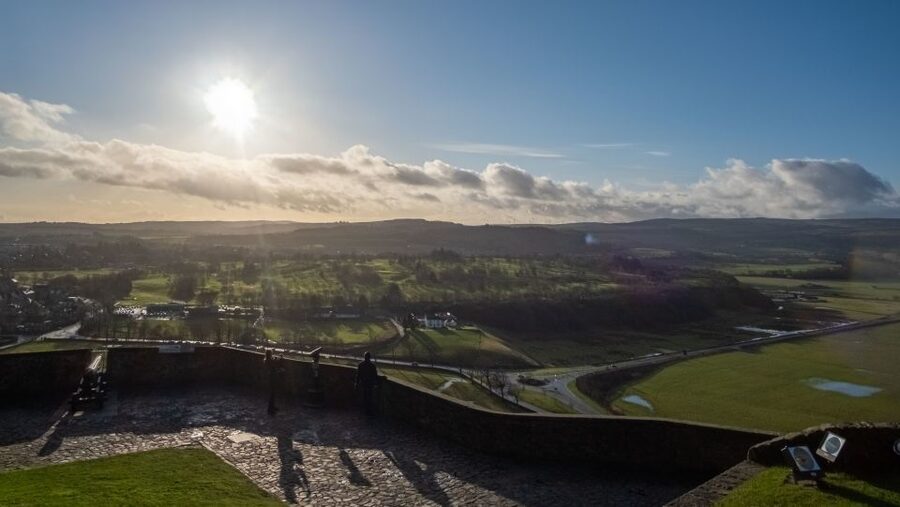
The castle played a key role in the Scottish Wars of Independence during the 14th century. Your guide begins on the esplanade, where you hear about the fortress’s origins, its growth alongside Stirling, and the sieges that shaped its story.
This opening is useful because it gives the castle a purpose beyond impressive walls. You begin to see why rulers fought over it, why it needed heavy defenses, and why royal comfort and military danger existed side by side.
William Wallace and Robert the Bruce are part of this wider story. If you have seen a film about Wallace, you may already recognize some of the larger events connected with Stirling and the famous battle associated with his name. The guide helps place those familiar figures within the castle’s longer story, rather than treating them as isolated heroes.
I find this part especially valuable if Scottish history is new to you. The castle can otherwise feel like a collection of rooms and stonework. The early explanation gives each later stop a reason to matter.
More castles worth a day near Britain:
- Windsor Castle Admission Ticket
★ 4.7 · 7,032 reviews - Inverness: Isle of Skye and Eilean Donan Castle Day Trip
★ 4.8 · 4,136 reviews - London: Windsor Castle, Stonehenge & Bath Full-Day Tour
★ 4.4 · 3,112 reviews
Meeting the guide at the Portcullis Hotel
The meeting point is in front of the Portcullis Hotel. Look for the black umbrella, and arrive at least 15 minutes before the scheduled start.
That extra time matters. Stirling Castle sits above the town, and you do not want to be searching for the meeting point while the group is moving toward the entrance. The instructions are simple, but the black umbrella is the detail to remember.
The guide leads the group from the esplanade into the castle. Since the group is capped at 10 people, you should have a better chance of hearing the Spanish commentary than you would in a large tour party.
The experience is conducted in Spanish. That makes it a strong choice for Spanish-speaking visitors who want more than a printed explanation or an audio guide. It also gives the tour a more social feel, since you can ask questions and follow the story as it develops.
Two guides named in connection with the experience are Fernando and Alejandro. Fernando’s approach includes historical recreation, humor, and poetry, while Alejandro is described as explaining the material clearly and warmly. Guide style can vary, but these details suggest that the tour aims to entertain as well as inform.
Inside the Renaissance royal palace
The royal palace is the heart of the visit. Kings and queens lived here for centuries, and the building is presented as the first Renaissance palace in Britain.
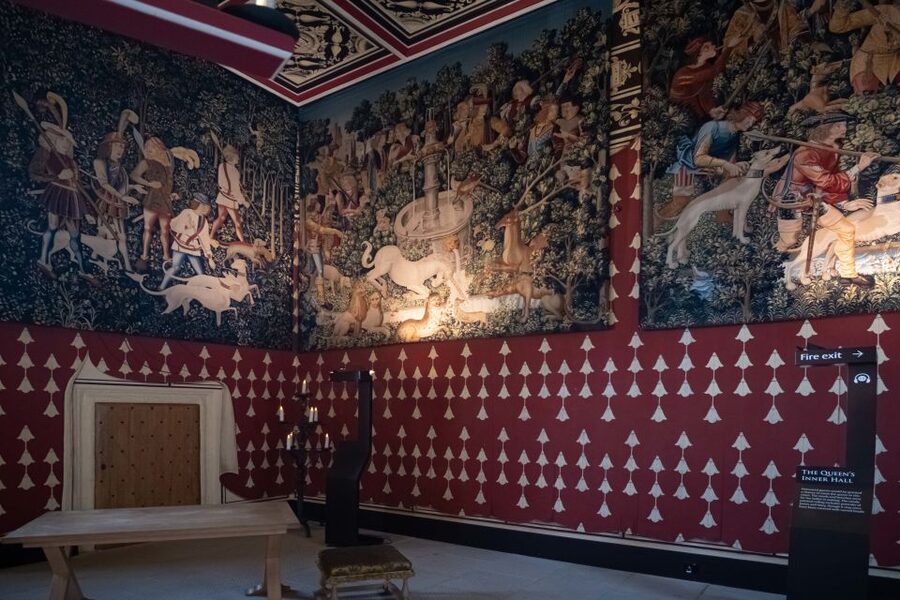
That description helps explain what you are looking at. Stirling Castle was not only a defensive site. It was also a statement of royal power, taste, and European ambition. The palace gave Scottish monarchs a setting for ceremonies, politics, feasting, and family life.
The tour takes you through the rooms connected with royal residence. Mary Queen of Scots is central to the castle’s story, and you hear about the place where she lived and the setting connected with her coronation.
Mary was crowned Queen of Scots as an infant, so the story is not simply about a grand adult ceremony. It points to the unstable politics surrounding the Scottish crown and the way royal identity could be used to hold a country together during difficult times.
As you walk through the palace, pay attention to the contrast between the polished royal setting and the castle’s military past. Thick defenses and royal display occupy the same site. That tension is one of the reasons Stirling Castle is more interesting than a palace that was built only for comfort.
The Great Hall and the ceremony of royal power
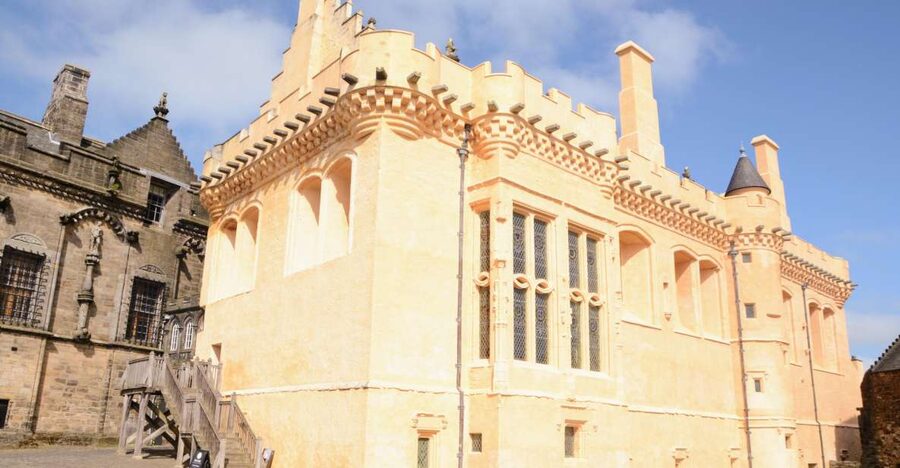
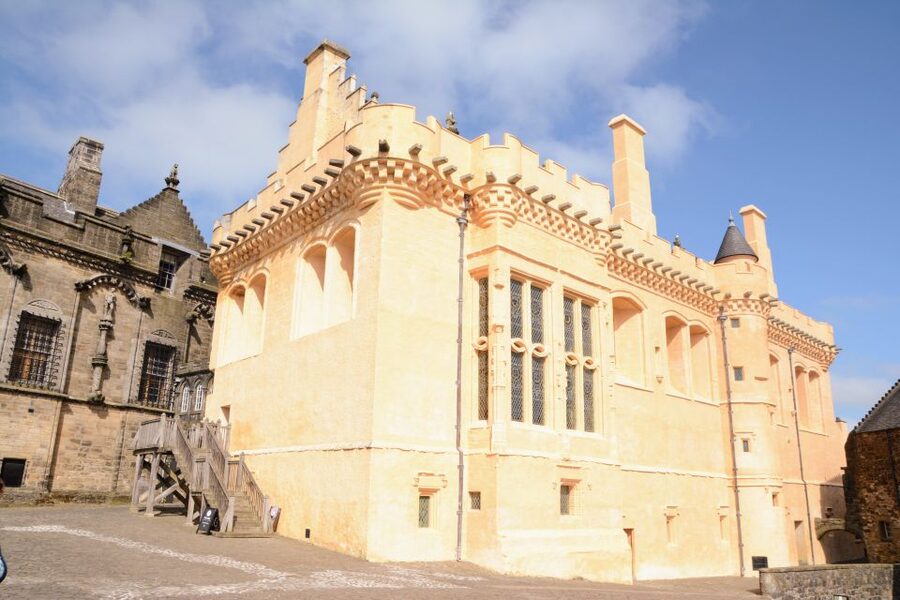
The 16th-century Great Hall was built for large gatherings, parties, and feasts. It also hosted the celebration of the baptism of the future king of Scotland.
A room like this can look impressive but feel vague if you do not know how it was used. The guide’s explanation turns it into a working part of royal life. This was a place where food, ceremony, politics, and public theater came together.
The baptism celebration gives the room a specific event to imagine. Instead of seeing only a large medieval or Renaissance interior, you can picture the hall filled for an important royal occasion.
I like this stop because it shows how rulers used architecture to make power visible. A castle could keep enemies out, but the Great Hall also had to impress allies, nobles, and visiting dignitaries.
The drawback is that a guided visit moves at the group’s pace. You may want more time to study the room or its displays, particularly if you enjoy architectural details. The 90-minute format favors a clear story over a slow examination of every feature.
A few more Britain days worth weighing up
- Stirling: Daily Guided Walking Tour (11am & 2pm)
★ 4.7 · 66 reviews - Stirling: Private Old Town & Castle Walking Tour
★ 4.9 · 17 reviews - From Edinburgh: Braveheart and Stirlingshire Day Trip
★ 5.0 · 8 reviews - Stirling: Historical Walking Tour in Spanish
★ 4.4 · 4 reviews
Mary Queen of Scots and Stirling’s royal connections
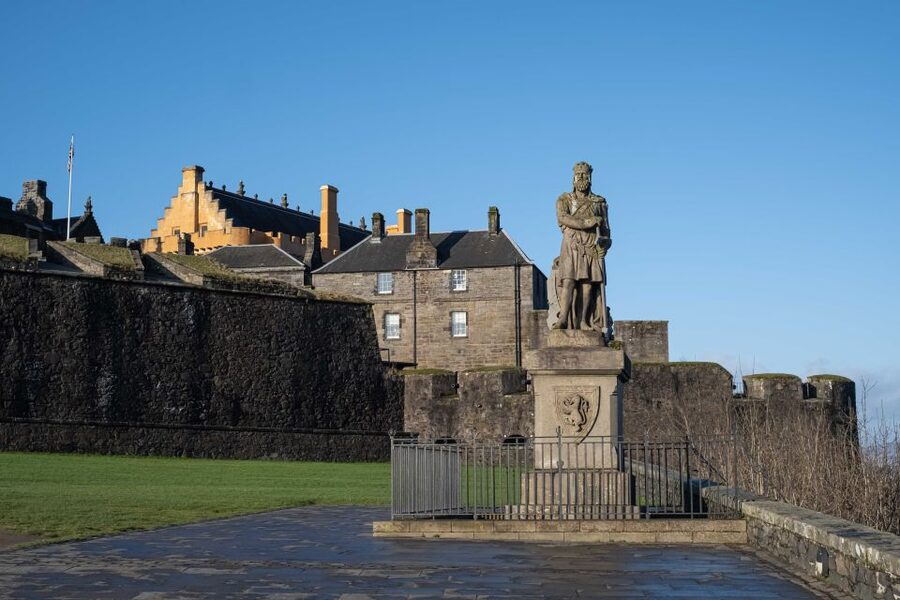
Mary Queen of Scots is one of the names most visitors associate with Stirling Castle. The tour brings her into the story through the royal palace and the location tied to her coronation.
Her connection gives the castle a personal angle. You are not only learning about a fortress that changed hands during wars. You are also seeing a place connected with a young queen whose life became entangled in religion, dynastic politics, and conflict.
The experience does not present the castle as a single-period monument. Its story stretches from medieval warfare to Renaissance court life and beyond. Mary’s presence helps bridge those eras.
If Mary is your main interest, keep your expectations measured. The tour covers many subjects in a short period, including military history, royal architecture, legends, and unusual characters. You will receive a focused introduction rather than a full specialist lecture devoted only to her life.
Still, the connection is strong enough to make the castle worthwhile for anyone building a Scotland itinerary around royal history. You see the setting where royal authority was displayed, protected, and challenged.
John Damian, the castle’s would-be bird-man

One of the most memorable stories is that of John Damian, a 16th-century figure associated with Stirling Castle.
Damian wanted to fly to France. His attempt was not a success, thanks to what the tour description calls a couple of minor inconveniences. The story adds a touch of oddity to a place otherwise filled with battles, royal ceremony, and political struggle.
I like this detail because it keeps the tour from becoming a list of dates and rulers. Historic sites are easier to remember when they include unusual human stories, and John Damian’s ambition gives the castle a little comic relief.
The story also fits the atmosphere of Stirling. This is a place where hard military facts sit beside courtly display, local legend, and ambitious schemes. You may come away remembering the bird-man as clearly as the more famous kings.
Arthurian legend and the castle’s ghost stories
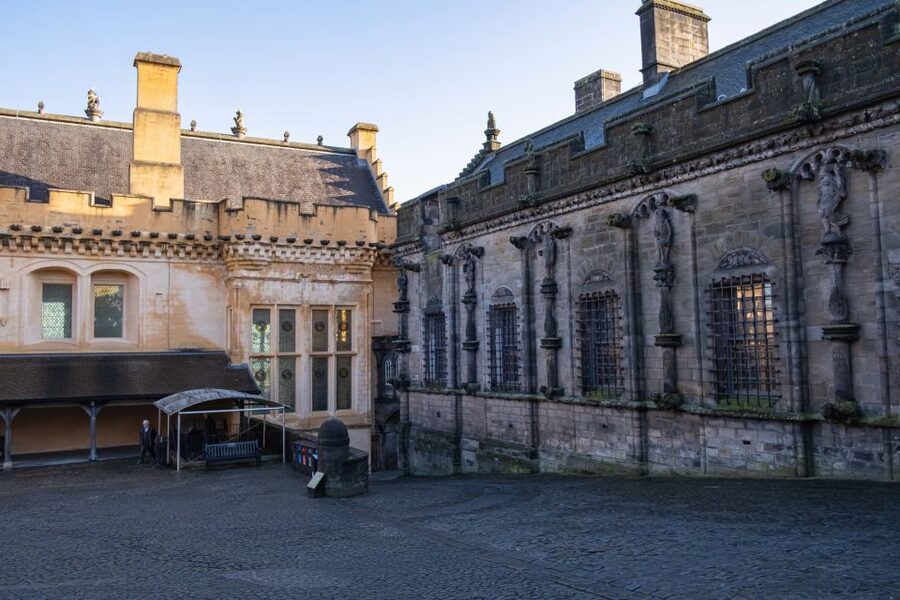
Stirling Castle also carries a link to King Arthur’s Knights of the Round Table. The English chronicler William of Worcester identified Stirling Castle as their home.
This is a legend, not the same kind of evidence as a royal building or a military event. A good guide helps you enjoy the story without confusing it with documented history.
Ghost stories add another layer. The castle is described as a place filled with legends and possible hauntings, so the tour is not strictly about architecture and warfare. The supernatural material gives the final part of the visit a lighter, more atmospheric feel.
You should not book this experience expecting a dedicated ghost tour. The focus remains the castle’s history, royal palace, and major events. The ghost stories and Arthurian connection are extra threads that make the site more memorable.
What the 1.5-hour schedule feels like
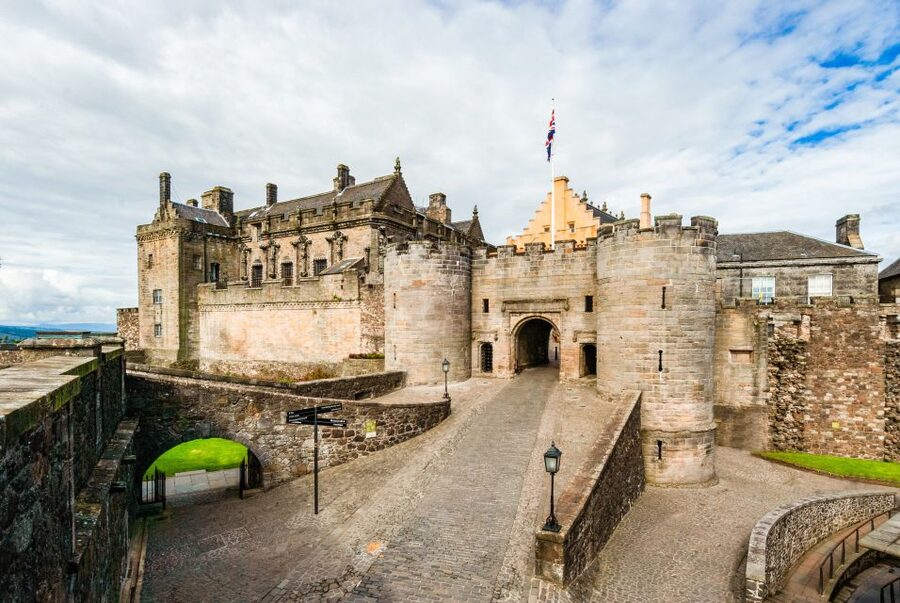
The route starts on the esplanade with the castle’s origins and sieges. From there, the guide takes you inside for the royal palace and the Great Hall, while adding stories about Mary Queen of Scots, John Damian, the Scottish Wars of Independence, and the castle’s legends.
That is a sensible order. You first learn why the fortress mattered, then see how it functioned as a royal residence, and finally encounter the more unusual stories that give it personality.
Ninety minutes is long enough for a well-shaped overview. It is also short enough to fit into a busy day in Stirling or a wider Scotland itinerary.
You should arrive ready to keep moving. This is not a stay-all-afternoon castle visit. If you want extensive independent time, plan around the tour rather than assuming the guided route will cover every room and display.
The route is adapted in rain or snow to reduce exposure. The tour operates in all normal weather conditions, except during extreme weather when the castle itself closes. Wear clothing suitable for changing conditions, since the opening portion takes place outside on the esplanade.
Is $45 good value for this castle visit?
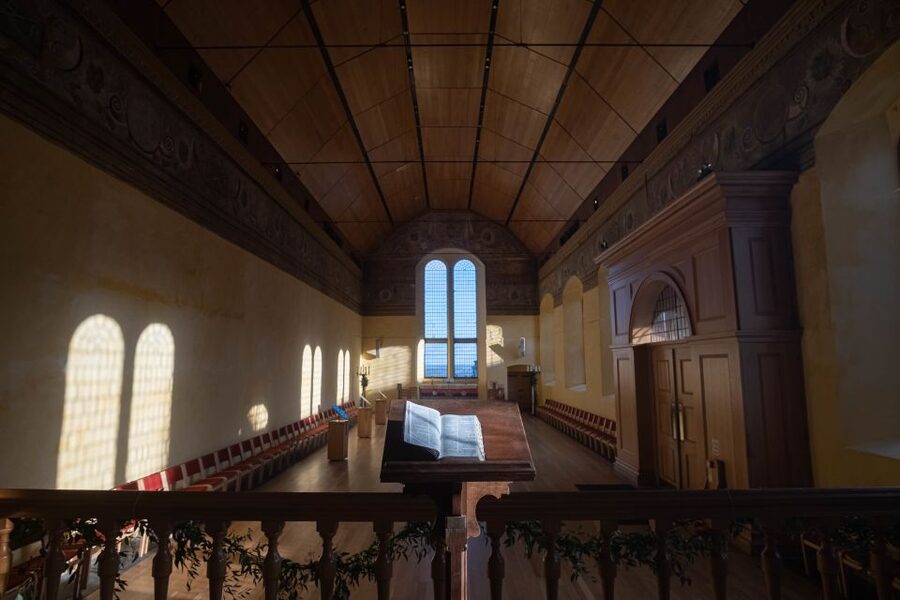
At $45 per person, the price is not the cheapest way to enter Stirling Castle. Its value depends on what you want from the visit.
If you only want admission and prefer to read signs at your own pace, a guided tour may cost more than necessary. The castle is a major attraction, and independent entry gives you control over your schedule.
I think the price makes more sense if you want Spanish commentary, a guide-led route, and skip-the-line access. You are paying for the explanation as much as the entrance. The guide links the palace, Great Hall, sieges, royal figures, and legends into one story, which can save you from piecing the history together on your own.
The small group also matters. With no more than 10 participants, the experience is more personal than a large coach-style tour. That is useful when you want to hear the guide clearly or ask about a particular royal or military detail.
The best value comes when Stirling Castle is a priority rather than a quick photo stop. If you already know you want to see the site and Spanish is your preferred tour language, the combination of access and guidance is easier to justify.
Who should choose this Spanish guided tour?
I would recommend it most strongly to Spanish-speaking visitors who want context while they walk. It also suits first-time visitors to Scotland who want the main story without spending hours on military and royal research beforehand.
The tour works well for people interested in:
- Mary Queen of Scots and Scottish royalty
- William Wallace and Robert the Bruce
- Medieval castles and sieges
- Renaissance royal buildings
- Scottish legends and ghost stories
- Small-group sightseeing
Families may enjoy the mix of battles, kings, attempted flight, Arthurian knights, and ghosts. The humorous approach associated with Fernando may help younger participants stay engaged, although the tour is still built around historical explanation.
The experience is wheelchair accessible, which is an important practical advantage. Large luggage and large bags are not allowed, so plan to visit without bulky items.
You should think twice if you prefer silent, independent sightseeing or need a very slow pace for photography and close reading. The group follows a set route, and the short duration means the guide must keep the story moving.
How the guide style affects the visit
A castle tour depends heavily on the person holding the umbrella. Names such as Fernando and Alejandro are worth noting when you book, since the experience can feel different depending on the guide assigned.
Fernando’s style includes historical recreation, jokes, and poems. That approach can make a long sequence of royal names easier to follow. It also suits you if you like your history delivered with personality rather than in a strictly formal lecture.
Alejandro’s style is described as clear and engaging. That matters for a site with many overlapping stories, since a good explanation needs to separate medieval warfare from 16th-century royal life and later legends.
The strongest feature here is not simply that the guide speaks Spanish. It is that the guide gives the castle a human voice. You hear about failed attempts to fly, royal celebrations, violent sieges, coronations, and possible ghosts, all within one compact route.
Booking flexibility and practical details
You can cancel up to 24 hours before the tour for a full refund. You can also reserve now and pay later, which helps if your Scotland plans are still changing.
The meeting point is in front of the Portcullis Hotel, marked by a black umbrella. Arrive 15 minutes early.
The tour lasts 1.5 hours, and starting times depend on availability. Check the time carefully when booking, especially if you are combining the castle with other activities in Stirling.
The tour is offered in Spanish and is limited to 10 people. It includes a local guide and skip-the-line entrance to Stirling Castle.
Should you book Stirling Castle in Spanish?
Book this tour if you want to understand why Stirling Castle mattered, not simply walk through a famous Scottish building. The royal palace, Great Hall, Mary Queen of Scots connection, and stories of Wallace and Bruce give you the essential structure, while John Damian and the Arthurian legends add a welcome bit of strangeness.
At $45, it is best value for Spanish-speaking visitors who appreciate a small group and want to avoid the ticket line. I would choose it for a first visit, especially when time is limited.
Skip it if you want a long, unhurried independent visit or if the castle is only a minor stop on your day. For everyone else, the 90-minute format offers a practical introduction to one of Scotland’s most important fortresses, with enough personality to make the stone rooms stick in your memory.
FAQ
How long does the Stirling Castle tour last?
The tour lasts 1.5 hours.
What language is the tour conducted in?
The live tour guide speaks Spanish.
How much does the tour cost?
The listed price is $45 per person.
Where is the meeting point?
Meet in front of the Portcullis Hotel. Look for the black umbrella.
How early should I arrive?
You should arrive at least 15 minutes before the tour starts.
Does the tour include castle admission?
Yes. The experience includes skip-the-line entrance to Stirling Castle.
How many people can join the tour?
The group is limited to 10 participants.
Is the tour wheelchair accessible?
Yes, the activity is wheelchair accessible.
Can I bring luggage or a large bag?
No. Luggage and large bags are not allowed.
What happens if it rains or snows?
The tour operates in all weather conditions except extreme weather, when the castle is closed. The route is adapted to reduce exposure to rain or snow.
More Skip the Line in Britain
- London: Westminster Abbey Skip-the-line Entry & Guided Tour
★ 4.9 · 368 reviews - Skip-the-Line London Westminster Abbey Guided Tour in German
★ 4.9 · 135 reviews - London: Museum of Brands Skip-the-Line Ticket
★ 4.7 · 53 reviews - London: Natural History Museum Private Tour & Skip the line
★ 5.0 · 42 reviews
Just added around Britain
- London: Wimbledon Tennis Club and Westminster Walking Tour★ 4.5 · 86 reviews
- London: Westminster to Richmond River Thames Cruise★ 4.8 · 23 reviews
- Winchester: Historic Castles and Cathedrals Walking Tour★ 4.9 · 154 reviews
- Westminster Abbey Skip-the-Line Entry and Private Tour★ 4.6 · 4 reviews
- Best of London by LE GRAND – London’s Luxury Bus Tour★ 4.2 · 23 reviews
- Whitby: Guided Distillery Tour with Gin Tasting★ 5.0 · 28 reviews
- Warwick: Entry Ticket for Warwick Castle★ 4.7 · 215 reviews
- West Berkshire,UK: The Living Rainforest Centre Entry Ticket★ 4.7 · 8 reviews
Castle Tours, compared.
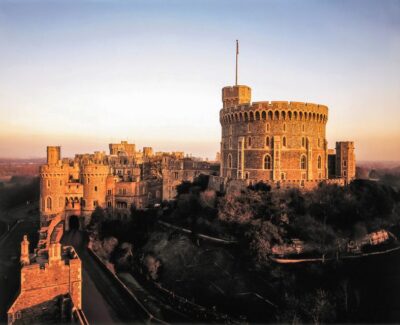

Isle of Skye and Eilean Donan Castle Day Trip
Read our review →
Windsor Castle, Stonehenge & Bath Full-Day Tour
Read our review →


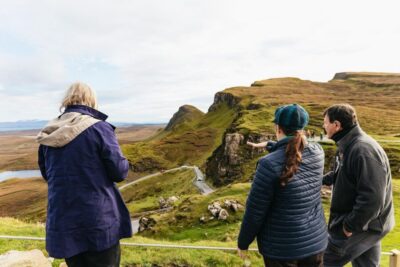

Loch Lomond, Trossachs & Stirling Castle Tour
Read our review →Browse the lists this tour appears in