
Reviewed · MUSEUMS
London: Museum of Brands Skip-the-Line Ticket
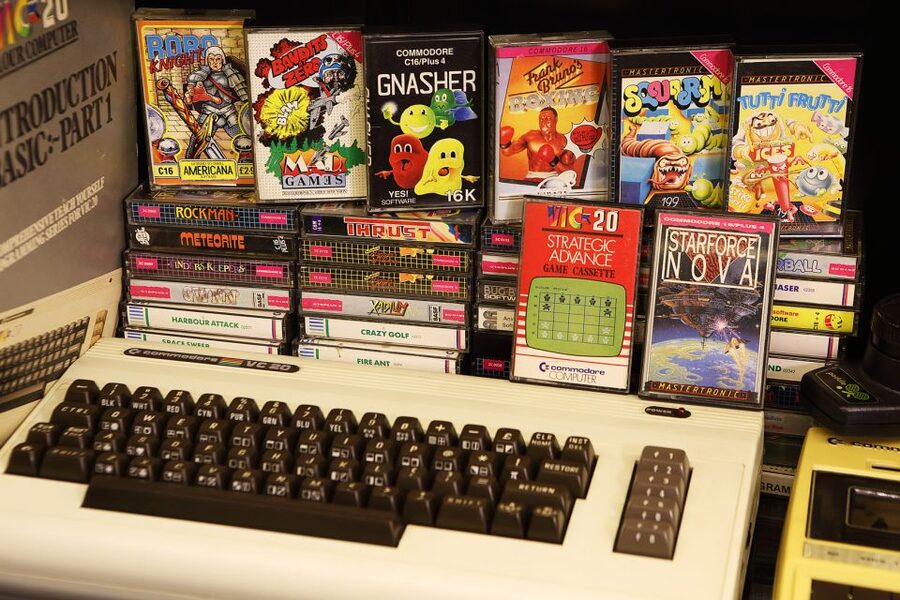
The Museum of Brands turns familiar shopping items into clues about changing daily life. Its Time Tunnel leads you from Victorian consumer goods through royal events, two world wars, cinema, radio, television, space travel, and the digital age, with more than 12,000 objects along the way.
I like the chronological layout because it gives you a clear route rather than a jumble of old tins and wrappers. I also like the peaceful memorial garden, a welcome place to sit after the dense display. The main consideration is simple: this is a collection-led visit, not a guided tour with a named expert, so your enjoyment will depend on how much you like examining small details and recalling old brands.
Key points at a glance
- 200 years in one Time Tunnel: Follow consumer culture from Victorian times to the digital age.
- More than 12,000 items: See packaging, advertisements, and everyday products placed in their social setting.
- Transport changed shopping and leisure: Railway travel, motor cars, and airplanes help explain how goods and habits spread.
- Entertainment gets its own story: Cinema, radio, television, and later media show how home life changed.
- Temporary displays add variety: Past themes have included 1950s toys, London punk, chocolate, and biscuit tins.
- A quiet finish in Notting Hill: The award-winning memorial garden and cafe make the visit easy to pair with Portobello Road.
Arriving near Portobello Road
The museum is on Lancaster Road in the heart of Notting Hill, about five minutes from the famous Portobello Road Market. That location makes this a useful add-on to a west London outing, especially if you already plan to browse the market.
I would not treat the museum as a quick stop between major sights across London. The collection rewards a steady pace, and the Time Tunnel contains far more to inspect than a few headline objects. Pairing it with Portobello Road gives your day a sensible shape: market browsing outside, then a quieter indoor look at how buying, selling, and leisure changed over time.
Your ticket is priced at about $18 per person. That is reasonable if you spend enough time with the collection, especially since admission also covers the temporary displays and garden. It is less compelling if you only have a short window and plan to rush through every case.
The ticket is offered as skip-the-line admission, which can save some waiting. Still, you should check the opening hours before setting out, since the museum opens from 10:00 AM to 6:00 PM Monday through Saturday, and from 11:00 AM to 5:00 PM on Sundays and bank holidays.
More Museum Tours in London
- London: Chelsea Football Club Stadium and Museum Tour
★ 4.8 · 4,576 reviews - London: British Museum Guided Tour
★ 4.3 · 1,182 reviews - London: Jack the Ripper Museum Tickets
★ 4.2 · 894 reviews
Entering the Victorian consumer world
The visit begins in the Time Tunnel, arranged in chronological order. This is the museum’s main strength. Instead of seeing an isolated old package and guessing why it mattered, you can place products beside the public events, inventions, and habits that shaped their use.
The route begins in Victorian times, when new forms of production, retail, printing, and transport changed what people could buy and how companies presented goods. Packaging was not just practical. It helped a product look reliable, modern, fashionable, or suitable for a particular household.
That context makes small objects more interesting. A box, label, tin, or wrapper can reveal ideas about family life, class, taste, advertising language, and the products considered necessary or desirable at the time.
You will need to read and look closely. The display is built around a very large number of items, so it is not a quick visual parade of famous logos. If you prefer large historic objects and dramatic rooms, parts of this museum may feel modest. If you enjoy the details of ordinary life, the scale becomes the attraction.
Railway lines, motor cars, and airplanes
One of the most useful threads in the Time Tunnel is the way transport changed consumer society. The railway, motor car, and airplane each made it easier for people, products, images, and ideas to move.
The railway helped connect towns and markets, while the motor car reshaped shopping, holidays, and personal freedom. Air travel later made distance feel smaller still. The museum uses brands and packaging to show these changes at ground level, rather than treating transport as a separate story of machines and engineering.
I find this approach useful because it links technology with routine choices. A new form of travel affected what people bought, where they went, how quickly trends spread, and how companies sold the promise of a modern life.
You should give this section time rather than simply searching for the brands you recognize. The point is not only to identify old products. It is to notice how advertising responded to faster travel and changing ideas about leisure, convenience, and status.
Cinema, radio, television, and home entertainment
Entertainment forms another strong part of the collection. The arrival of cinema, radio, and television changed how people spent evenings, followed public events, and shared popular culture.
The museum places these changes alongside consumer goods, so entertainment becomes part of a wider story about the home. A radio or television was not simply an appliance. It affected family routines and gave brands new ways to reach large audiences.
The transition from one medium to the next also helps you understand why advertising became such a powerful part of everyday life. Companies could build familiar images across print, packaging, broadcast, and later digital channels.
After the Time Tunnel, you can watch television advertisements from the past. This is a good change of pace after the display cases, and it gives the advertising story a moving, audible form. The exact adverts available can vary, so you should think of this as a supporting part of the visit rather than a guaranteed program of specific commercials.
A few more London days worth weighing up
- From London: Harry Potter Warner Bros Studio Tour
★ 4.7 · 26,588 reviews - London: Westminster to Greenwich River Thames Cruise
★ 4.5 · 22,836 reviews - Magical London: Harry Potter Guided Walking Tour
★ 4.7 · 22,044 reviews - London: Madame Tussauds London
★ 4.6 · 20,915 reviews
Royal events, wars, and the space age
The collection also follows major public events, including royal coronations, the two world wars, and the first man landing on the moon. These moments help place consumer products in the wider mood of their time.
A coronation can show ceremony and national identity. Wartime objects can point to shortage, restraint, and the use of advertising for public messages. The moon landing marks a period when technology and television shaped a shared sense of excitement and possibility.
This is where the museum moves beyond simple nostalgia. You may recognize a familiar package and still learn something about the period in which it appeared. The collection asks you to consider how brands respond to public hopes, fears, celebrations, and new technology.
The presentation also reaches the digital age, giving the Time Tunnel a modern endpoint. That helps prevent the visit from becoming a portrait of a vanished Britain only. You can compare older forms of branding with the rapid, screen-based world that now shapes shopping and entertainment.
Temporary displays that keep the visit changing
Temporary displays add a second layer to the permanent route. Previous themes have included 1950s toys, the London punk scene, chocolate brands, and biscuit tins.
These subjects show how flexible the collection can be. A display on toys can bring out childhood and design. London punk can connect packaging and advertising with music and youth culture. Chocolate brands can reveal how companies build desire around a familiar treat, while biscuit tins show how an everyday container can become a decorative object worth keeping.
The temporary area is especially useful if you have already seen the main collection on a previous visit. Since displays change, you should check the current theme before booking if one subject matters to you. The information provided does not promise a particular exhibition on your date.
For a first visit, I would see the Time Tunnel before spending too long on the temporary display. The chronological route gives you the broad framework. The special exhibition then lets you look more closely at one slice of consumer culture.
Why the collection can feel personal
The most immediate pleasure here is recognition. You may spot a brand from your childhood, a package once kept in a family kitchen, or a design associated with an old television advert.
That memory is not the whole experience, though. The collection uses personal recognition as an entry point into larger questions. Why did a product become popular? How did its appearance change? What did its advertising suggest about a good home, a modern family, or a desirable holiday?
A short verified booking comment described the museum as a way to learn about brands and packaging across different periods. Another visitor summed up the appeal by saying it brought back childhood memories. Those two reactions explain the museum well: it offers both a history lesson and a personal memory test.
I would recommend going with someone from a different generation if possible, though the museum can also work well alone. You may recognize objects another person has never seen, and that difference can make the display more useful than a simple trip down memory lane.
The memorial garden and a sensible coffee break
When the Time Tunnel is finished, the memorial garden gives you room to slow down. This award-winning garden is included with admission, so you do not need to pay extra for the change of setting.
The garden matters because the main collection can be visually busy. After examining thousands of small items, a quiet outdoor pause helps you sort through what you have seen. It is also a practical option for anyone who wants the museum to feel like a relaxed outing rather than a nonstop museum march.
You can buy cake and coffee, or a glass of Prosecco, at your own expense. Food and drinks are not included in the ticket, so budget for them separately. The cafe stop is optional, but it fits the visit well, especially if you have paired the museum with a longer walk around Notting Hill.
The garden should not be mistaken for a major destination on its own. Its value is as part of the visit: a calm finish, a place to sit, and a reason to leave the museum feeling refreshed rather than overloaded.
Gift shop souvenirs with a clear connection
The gift shop follows the museum’s theme, offering souvenirs linked to the collection as well as tasty treats. This is more useful than a generic museum shop because the objects connect directly to packaging, advertising, and remembered brands.
You might find something that works as a small gift for someone interested in design, advertising, food packaging, or British popular culture. The supplied details do not specify exact products or prices, so I would treat the shop as an optional final stop rather than plan your budget around a particular purchase.
How long to allow and who will enjoy it
Your admission is valid for one day from first activation, and there is no fixed tour duration. That gives you freedom to set your own pace and makes it easier to combine the museum with Portobello Road.
I would allow enough time to read labels, watch the advertising material, visit the temporary display, and sit in the garden. The large collection is not designed for a hurried glance. The ideal pace is curious and unforced, with a break when your attention starts to fade.
This experience suits:
- People interested in packaging, advertising, design, and popular culture
- Families who enjoy spotting familiar products and comparing generations
- Visitors looking for an indoor activity near Portobello Road
- Anyone curious about how transport and media changed ordinary life
- Repeat visitors who want to see a new temporary display
It may be less suitable if you want a guided walk, major paintings, famous sculptures, or a short attraction that can be finished in half an hour. No guide names or formal guided format are provided, and English is the stated language of the host or greeter and the experience.
The museum is wheelchair accessible. That is useful for planning, though the supplied information does not give further details about individual galleries, seating, or restroom facilities.
Opening hours, closures, and flexible booking
Plan around the stated hours: Monday through Saturday from 10:00 AM to 6:00 PM, and Sunday and bank holidays from 11:00 AM to 5:00 PM. The museum is closed on August 27, 28, and 29, December 24, 25, and 26, and January 1.
You can cancel up to 24 hours before the visit for a full refund. A reserve-now, pay-later option is also available, which helps if your Notting Hill plans may change.
Because the ticket is valid for one day from activation, you can make the museum part of a flexible day rather than a tightly timed tour. I would still check the specific date and opening hours before leaving, particularly around bank holidays and the listed closure periods.
Should you book the Museum of Brands?
Book it if you like the story behind everyday objects. The strongest parts are the chronological Time Tunnel, the links between consumer goods and major social change, and the personal spark of recognizing older brands and packages.
At about $18, the ticket offers fair value when you take your time and include the temporary display and garden. It is an especially practical choice near Portobello Road, giving you an indoor stop with a clear focus rather than another general museum.
Skip it if you need a guided experience, dislike reading display information, or want grand works of art. For everyone else, this is a thoughtful, easygoing look at how shopping, entertainment, travel, and home life helped shape modern Britain.
FAQ
Where is the Museum of Brands?
The museum is on Lancaster Road in Notting Hill, in South East England. It is about five minutes from Portobello Road Market.
How much does admission cost?
The listed price is $18 per person.
What does the ticket include?
Admission includes the Museum of Brands, temporary displays, and the memorial garden.
Is food included?
No. Food and drinks are extra. You can buy cake and coffee, or a glass of Prosecco, at your own expense.
What are the opening hours?
The museum is open from 10:00 AM to 6:00 PM Monday through Saturday. On Sundays and bank holidays, it is open from 11:00 AM to 5:00 PM.
When is the museum closed?
It is closed on August 27, 28, and 29, December 24, 25, and 26, and January 1.
Is the museum wheelchair accessible?
Yes, the activity information states that the museum is wheelchair accessible.
Can I cancel or pay later?
You can cancel up to 24 hours in advance for a full refund. A reserve-now, pay-later option is also available.
More Skip the Line in London
- London: Westminster Abbey Skip-the-line Entry & Guided Tour
★ 4.9 · 368 reviews - Skip-the-Line London Westminster Abbey Guided Tour in German
★ 4.9 · 135 reviews - London: Natural History Museum Private Tour & Skip the line
★ 5.0 · 42 reviews - Skip the line Westminster Abbey & Guard Change Ceremonies
★ 3.9 · 17 reviews
More Museums in London
- London: Tour of the British Museum
★ 4.1 · 678 reviews - London: British Museum Audio Tour & Priority Entrance Ticket
★ 4.5 · 631 reviews - Afternoon Tea at the British Museum
★ 4.2 · 511 reviews - London: Paradox Museum Entry Ticket
★ 3.9 · 441 reviews
Just added around London
- London: Wimbledon Tennis Club and Westminster Walking Tour★ 4.5 · 86 reviews
- London: Westminster to Richmond River Thames Cruise★ 4.8 · 23 reviews
- Westminster Abbey Skip-the-Line Entry and Private Tour★ 4.6 · 4 reviews
- Best of London by LE GRAND – London’s Luxury Bus Tour★ 4.2 · 23 reviews
- London: Westminster Walking Tour & St Paul’s Cathedral Entry★ 4.7 · 7 reviews
- From London: Oxford, Stratford-upon-Avon & Cotswolds Trip★ 4.5 · 64 reviews
- From London: Warwick, Oxford, Stratford & Cotswolds Day Tour★ 4.0 · 270 reviews
- Churchill’s Wartime London Walking Tour★ 4.3 · 4 reviews
Museums, compared.
Liverpool Football Club Museum and Stadium Tour
Read our review →
Chelsea Football Club Stadium and Museum Tour
Read our review →




British Museum Audio Tour & Priority Entrance Ticket
Read our review →Browse the lists this tour appears in