Reviewed · ZOOS
Chester: Chester Zoo Entry Ticket
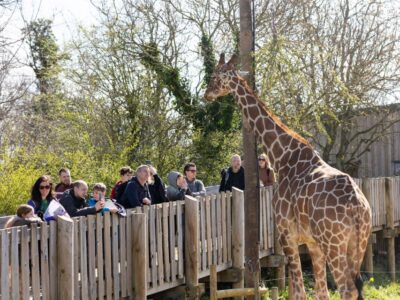
Chester Zoo is less a quick animal visit than a full-day expedition across 130 acres. You can watch giraffes and zebras move across the 22-acre Heart of Africa, meet free-roaming lemurs, and walk beneath tropical plants in the UK’s largest biodome. The scale is the main event.
I like the generous animal habitats and the way the botanical gardens are part of the visit rather than filler between enclosures. I also like the free daily talks, five children’s adventure playgrounds, and Lazy River Boat, which gives tired legs a useful break. The catch is simple: one day may not be enough, and food inside can cost more than expected.
Key points
- Heart of Africa: Walk through a 22-acre setting where giraffes, zebras, antelope, ostrich, and smaller African species share a broad savannah-style habitat.
- Monsoon Forest: Enter the UK’s largest tropical biodome to see Sumatran orangutans, Sunda gharial crocodiles, rhinoceros hornbills, and free-flying birds.
- Madagascar lemurs: Meet four endangered or critically endangered lemur species in a walk-through habitat.
- A serious amount of walking: You may cover six to eight miles and still miss parts of the zoo, so arrive early and wear comfortable shoes.
- Free ways to slow down: The Lazy River Boat, picnic areas, talks, and playgrounds help break up a long day.
- Conservation with your admission: Your ticket, food purchases, and shop spending support Chester Zoo’s work with threatened wildlife.
Chester Zoo is a full day, not a two-hour stop

The first thing to understand is size. Chester Zoo spreads across 130 acres, with more than 30,000 animals from over 520 species, plus thousands of plants. You can spend five or six hours here and still miss several areas. If you want to see nearly everything without rushing, two days would be more realistic.
That scale is good news for animal welfare and for the feel of the visit. The zoo does not seem compressed into a tight circuit of small viewing points. Many habitats have room, planting, water, rocks, or open ground that let the animals behave naturally and give you a better sense of their lives.
It also means you should not treat the ticket like entry to a compact city attraction. This is a walking day. Some visitors cover more than six miles, and one energetic day reached about eight miles. Comfortable shoes are not a minor suggestion here.
A few more Britain days worth weighing up
- Chester: City Sightseeing Hop-On Hop-Off Bus Tour
★ 4.6 · 274 reviews - Chester: Half-Hour City Cruise
★ 4.6 · 231 reviews - From Chester: Full-Day Guided North Wales Sightseeing Tour
★ 4.8 · 114 reviews
Planning your route through 130 acres
Use the zoo app or a printed map as soon as you arrive. The grounds are generally laid out in a sensible way, but the sheer number of paths and zones can make it easy to lose time. Signposting has room for improvement in places, so a rough plan helps you avoid crossing the same section twice.
Arrive near opening time if you have particular animals you want to see. Animal viewing is never fully predictable. A lion may be asleep, a big cat may be out of sight, or hot weather may keep some animals indoors or in shaded areas. The zoo gives you plenty to see, but it cannot guarantee that every animal will appear on cue.
A sensible plan is to choose two or three priority areas, then allow time for unplanned stops. Trying to tick off every species can turn the day into a march. I would rather give the giraffes, lemurs, bats, or orangutans a proper look than hurry past them to complete a checklist.
The ticket provides entry for the day, parking, and access to the daily animal talks led by Chester Zoo safari rangers. It does not include food, drinks, face painting, virtual reality activities, or shop purchases.
Heart of Africa brings the biggest sense of space
Heart of Africa covers 22 acres and is one of the zoo’s major draws. Its grasslands are designed around Central and East African environments, with plants and shrubs chosen to suggest the variety of those regions.
The large shared setting includes giraffe, zebra, antelope, and ostrich, along with more than 50 animal species overall. Seeing several species in one broad habitat feels more natural than moving from one small pen to another. It also gives you changing views as animals spread out, gather, or disappear behind planting.
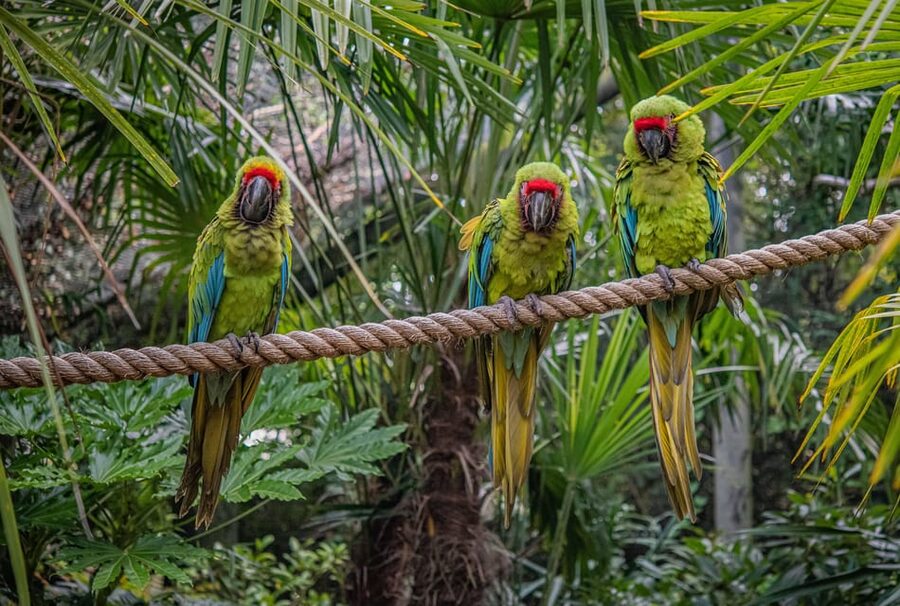
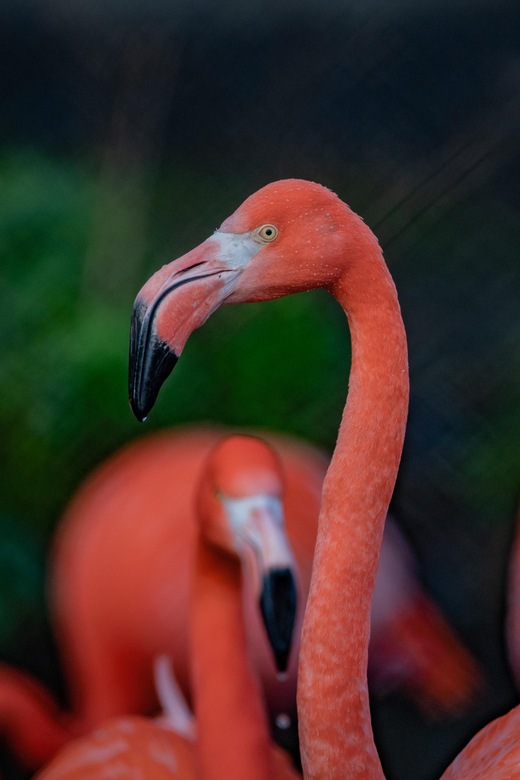
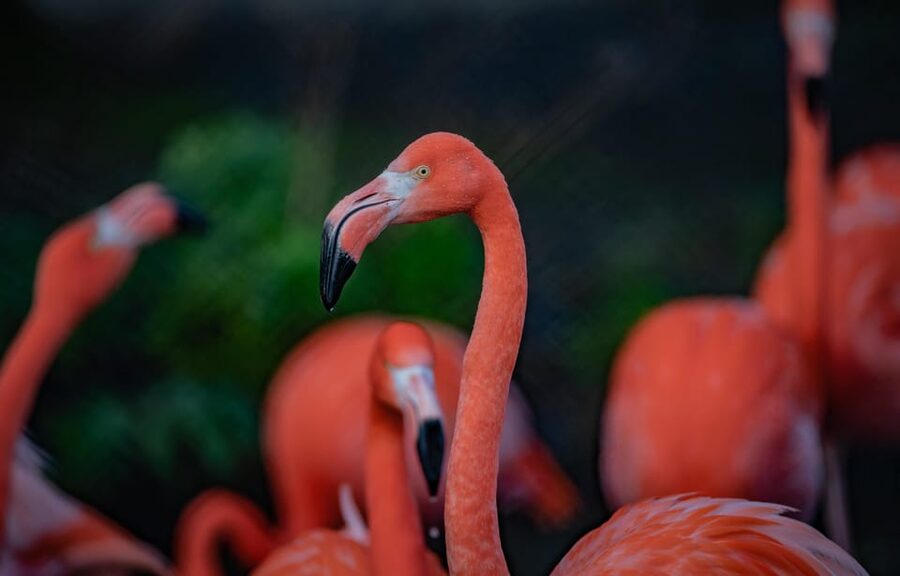
Look beyond the largest animals. More than 30 bird species are part of the area, including flamingos and black-cheeked lovebirds. The smaller details reward patience, especially if children are willing to slow down and use the information panels.
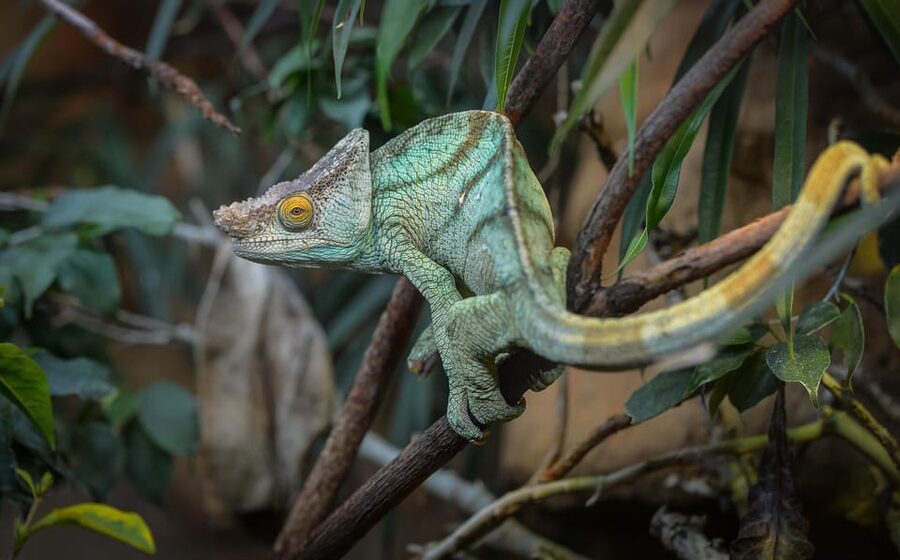
Hidden Savannah shifts attention to less famous African animals. You might find chameleons, pancake tortoises, and naked mole rats here. These species are easy to overlook in a zoo built around giraffes and big cats, but they help explain how varied African wildlife can be.
The area can take time because of its size and open views. You may walk a fair distance between good viewing points. That is part of the appeal, but it can be tiring for young children or anyone with limited stamina.
Madagascar is the place for close lemur views

The Madagascar Lemur Walkthrough lets you come face to face with four free-roaming species. They include ring-tailed lemurs, white-belted ruffed lemurs, and crowned lemurs, all endangered or critically endangered.
A walk-through habitat changes the usual zoo experience. You are not simply looking across a barrier at an animal. The lemurs can move through the space around you, so you need to follow the staff guidance and give them room.
This is a strong stop for families because it creates a clear connection between the animal in front of you and the conservation message. The species are attractive and expressive, but the important point is their threatened status. You get a memorable encounter without losing sight of the reason these habitats matter.
Take your time here, but do not expect every lemur to sit at eye level. They are free to move, rest, and avoid the crowd. That unpredictability is part of seeing living animals rather than displays.
Same city, a completely different sort of afternoon:
- London: The London Eye Entry Ticket
★ 4.6 · 35,875 reviews - From London: Harry Potter Warner Bros Studio Tour
★ 4.7 · 26,588 reviews - London: Westminster to Greenwich River Thames Cruise
★ 4.5 · 22,836 reviews - Magical London: Harry Potter Guided Walking Tour
★ 4.7 · 22,044 reviews
Snow leopards and the Himalayan habitat

The snow leopard habitat uses rocky terrain inspired by the Himalayas. The zoo’s pair, Yashin and Nubra, can be seen among the rocks, and the pair produced Bheri, the first snow leopard cub born at Chester Zoo, in June 2025.
This is a good example of why patience helps. Snow leopards blend into rocky surroundings and may not be immediately visible. Give the habitat a proper scan rather than assuming an empty viewing area means there is nothing to see.
The cub adds a special point of interest, but young animals grow and routines change. I would treat the chance to see Bheri as a bonus, not the sole reason to book. The enclosure itself, and the conservation work behind successful breeding, are the lasting attractions.
Islands and the Lazy River Boat
Islands recreates tropical environments from South East Asia and combines several experiences in one part of the zoo. The Lazy River Boat is especially useful after a long stretch of walking. It is included with admission and offers a slower trip around the Islands area.
Do not expect a major theme-park ride. Think of it as a calm sightseeing break, with water and greenery replacing another long walk. It can be a smart place to pause if children are tired or you need to reset before entering the next indoor habitat.
The area also includes Monsoon Forest, the UK’s largest tropical biodome. Inside, Sumatran orangutans share the space with Sunda gharial crocodiles, rhinoceros hornbills, and free-flying birds.
The biodome is one of the zoo’s strongest indoor stops. It gives you somewhere worthwhile to go when the weather turns wet, and it has the warm, plant-filled feel that makes tropical habitats memorable. The free-flying birds add movement overhead, while the orangutans and crocodiles draw your attention at ground level.
The tropical setting can feel warm and humid, especially on a hot day. That is authentic to the environment, but you may want a short break afterward before continuing around the grounds.
Bats, butterflies, reptiles, and other indoor habitats

More than 10 indoor habitats make Chester Zoo a useful choice in changeable British weather. The bat cave and butterfly house are particular highlights for many people, and both offer a sharp contrast to the open African zones.
The bat cave can be atmospheric and close-up, while the butterfly house gives you colour and constant movement in a sheltered setting. These habitats are also good for breaking up the day. You can step indoors, warm up or cool down, and keep exploring if rain limits time outside.
The reptile and bird areas add plenty beyond the headline animals. You may see species such as Komodo dragons, cassowaries, red pandas, and monitor lizards, with more reptiles on site than some visitors expect. The exact viewing experience changes according to animal activity and conditions, so let the map guide you but keep your schedule flexible.
These indoor sections are a major reason I would not reserve Chester Zoo only for a sunny day. Rain can make open paths less pleasant, but the zoo still gives you several substantial places to explore under cover.
Gardens that deserve more than a quick walk-through
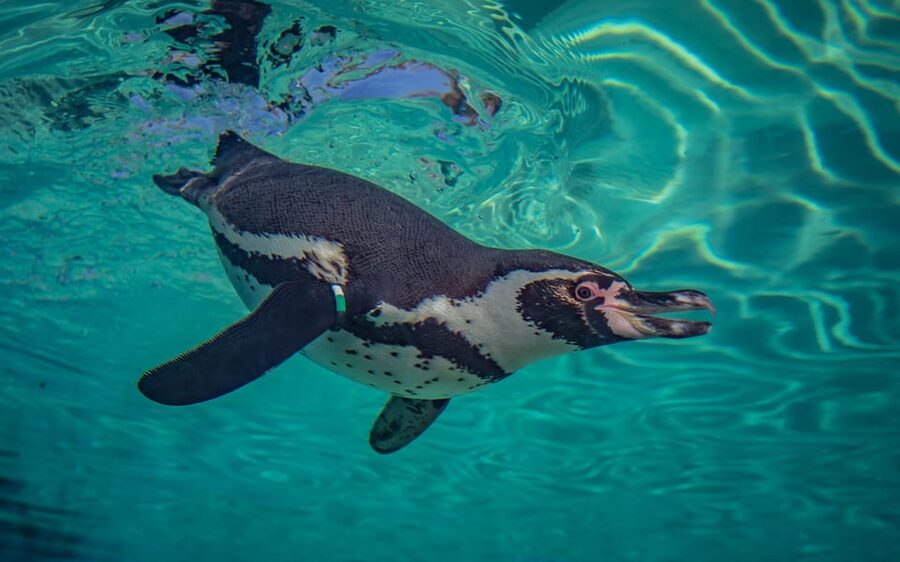
Chester Zoo’s botanical gardens are part of the attraction, not just decoration. Thousands of plants fill the grounds, including five national collections, with different colours, scents, and plant styles connected to the zoo’s worldwide animal habitats.
The gardens make the long walks easier to enjoy. Between animal areas, you get shade, planting, and changing views rather than a bare path. If you are visiting with someone who is less interested in every species, the plants give them plenty to notice.
I would also use the gardens as a reason to slow the pace. A zoo visit can become noisy and busy, especially during school holidays. Sitting among the planting with a picnic can make the day feel less hurried.
Playgrounds and family facilities
Five thrill-seeking adventure playgrounds give children a physical outlet between animal areas. That matters because the zoo is large enough to test even enthusiastic young walkers.
There are also children’s play areas, toilets, places to rest, and food stops around the grounds. The layout makes it possible to build regular pauses into the day rather than waiting until everyone is exhausted.
The zoo is fully accessible, although the size of the site still matters. Wheelchair access is available, and scooters appear to be available for hire, but you should expect long distances between areas. Families with pushchairs or anyone who finds extended walking difficult will benefit from planning fewer zones rather than trying to cover the entire park.
Assistance dogs are allowed. Other pets and bikes are not.
Eating at the zoo, and why a picnic can be smart
Food is available in several forms. The Oakfield offers Sunday lunch in a classic gastropub setting, Islands has South East Asian street food, and kiosks sell snacks and drinks around the grounds. Picnic areas are available if you bring your own food.
The range is useful, but prices can add up quickly for a family. Some meals have been judged disappointing for the cost, and the central food hall leans toward familiar choices such as burgers, chips, and fish and chips. Gluten-free choices may also feel limited.
I would bring snacks or a packed lunch if you want better control over spending and timing. This is especially helpful because children may get hungry far from the main dining area. On rainy days, indoor tables can fill quickly, and some people may occupy seats with their own food while ordering only drinks.
That said, The Oakfield can be a worthwhile treat if you want a proper sit-down meal. Just budget for it rather than assuming the admission price covers the whole day.
What the $33 ticket is really worth
At about $33 per person, the ticket is not cheap for a single attraction. The value improves if you use the entire day, attend a talk, ride the Lazy River Boat, explore indoor habitats, and make time for the gardens and playgrounds.
The ticket also supports Chester Zoo’s conservation charity. Purchases such as coffee and gifts help fund work aimed at threatened species, so the admission has a purpose beyond entertainment. Still, that does not remove the need to judge the price against your own budget.
You can often save by booking ahead. One booking comparison showed an online price around £11 cheaper than the zoo’s own website, although family-ticket availability may differ by seller. Check the final price and ticket type before paying, especially if you are booking for a family.
Babies under 12 months and carers accompanying a person with a disability are free, but each still needs a free ticket. Go to Guest Services on arrival to add it.
Free cancellation is available up to 24 hours before the visit for a full refund, and reserve-now, pay-later booking is available. The ticket gives you skip-the-ticket-line entry, which can save time at the entrance.
Who should book Chester Zoo?
I would choose this for families, animal lovers, garden fans, and anyone happy to spend most of a day outdoors. It also works for adults without children, especially if you enjoy photography, plants, conservation, or unusual species as much as headline animals.
You should think twice if you dislike long walks, want a compact attraction, or expect every animal to be visible. The zoo is large, the weather can change quickly, and some areas may take more time than expected.
Book Chester Zoo if you can arrive early, wear comfortable footwear, and accept that you may not see everything in one visit. Bring a picnic to control costs, use the app to plan your route, and keep time for Heart of Africa, Monsoon Forest, the lemur walkthrough, and the bat cave. For a big, purposeful day out with plenty for different ages, the ticket earns its price best when you treat Chester Zoo as a full-day destination rather than a quick stop.
FAQ
How long does a Chester Zoo visit take?
The ticket is valid for one day, but the zoo is large enough that many people spend five to eight hours and still miss some areas. Two days may be needed if you want to see everything without rushing.
What is included in the Chester Zoo ticket?
Entry to Chester Zoo, daily animal talks from safari rangers, and parking are included. The Lazy River Boat is also described as free within the zoo.
Is parking included?
Yes. Parking is included with the Chester Zoo entry ticket.
Is Chester Zoo wheelchair accessible?
Yes, Chester Zoo is fully accessible and the activity is wheelchair accessible.
Can I bring a pet?
No. Pets are not allowed, but assistance dogs are permitted.
Can I bring a bike?
No. Bikes are not allowed inside Chester Zoo.
Are babies under 12 months free?
Yes, babies up to 12 months are free, but you need to obtain a free ticket at Guest Services on arrival.
Is food included in the ticket?
No. Food and drinks cost extra. You can buy meals, street food, snacks, and drinks on site, or bring your own packed lunch for the picnic areas.
Can I cancel the booking?
Yes. You can cancel up to 24 hours in advance for a full refund. Reserve-now, pay-later booking is also available.
Just added around Britain
- London: Wimbledon Tennis Club and Westminster Walking Tour★ 4.5 · 86 reviews
- London: Westminster to Richmond River Thames Cruise★ 4.8 · 23 reviews
- Winchester: Historic Castles and Cathedrals Walking Tour★ 4.9 · 154 reviews
- Westminster Abbey Skip-the-Line Entry and Private Tour★ 4.6 · 4 reviews
- Best of London by LE GRAND – London’s Luxury Bus Tour★ 4.2 · 23 reviews
- Whitby: Guided Distillery Tour with Gin Tasting★ 5.0 · 28 reviews
- London: Westminster Walking Tour & St Paul’s Cathedral Entry★ 4.7 · 7 reviews
- Warwick: Entry Ticket for Warwick Castle★ 4.7 · 215 reviews