
Reviewed · HISTORICAL TOURS
Inspirational Women: Liverpool Past/Present History Tour
Liverpool’s women take center stage on this two-hour walk, which links grand churches, theatres, medical institutions, art, and suffragette meeting places. You move through central Liverpool while learning how women influenced education, health care, politics, culture, and family welfare.
I like the focused theme and the way it reaches beyond famous names. I also like the mix of major sights, such as Liverpool Cathedral, with less obvious stops where women organized, studied, worked, or campaigned. If Pam leads your walk, expect a warm, personable guide with real passion for the subject.
The main consideration is pace. You cover plenty of ground in two hours, often in busy areas and sometimes over cobbles or uneven surfaces. The route is wheelchair and stroller accessible, but you should still allow for the practical limits of a walking group.
Key points

- Lady Chapel stained glass: Study the windows at Liverpool Cathedral and hear about the women shown there.
- Suffragette connections: Trace the Everyman Theatre, social and political union meetings, and St George’s Hall.
- Women in medicine: Learn how Liverpool women helped shape health services and medical education.
- Blackburne House: See a grade II listed building linked to the education of girls and women.
- Two cathedrals, two stories: Visit Liverpool Cathedral and the Metropolitan Cathedral of Christ the King.
- A useful city walk: Finish near St George’s Hall, close to central transport links and major attractions.
Why this Liverpool tour is different
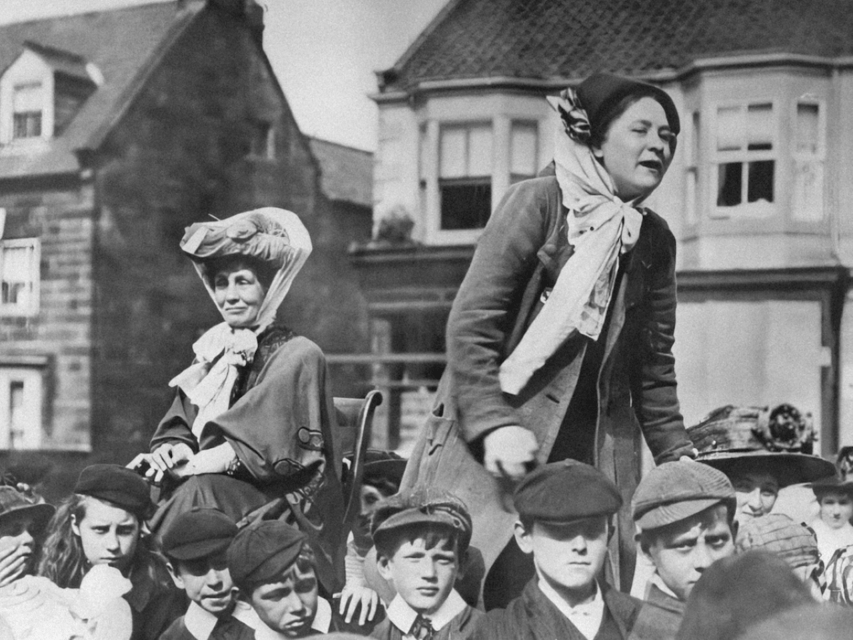
Many city walks use Liverpool’s grand buildings as scenery. This one asks who helped shape the city, who was allowed into public life, and who had to fight for education, professional work, political influence, and better family services.
That gives the route a clear purpose. You are not simply ticking off Liverpool Cathedral, Rodney Street, and the Walker Art Gallery. You are using those places to understand women’s lives and the institutions that helped or blocked their progress.
I like this approach because the subject is broad without being vague. The tour touches medicine, theatre, religion, art, education, social reform, and political campaigning. It also gives you a useful sense of Liverpool’s links with wider British movements.
At $28 per person, the value depends on how much context you want from a walking tour. The route includes admission to Liverpool Cathedral by donation and a tour of the Lady Chapel, along with a live English-speaking guide. You are paying mainly for the research, storytelling, and connections between sites, not for a meal or a long list of paid admissions.
More History Tours in Liverpool
- Liverpool: Haunted History Guided City Tour
★ 4.9 · 404 reviews - Liverpool: A Walk Through Time: Full History Walking Tour
★ 4.8 · 184 reviews - Liverpool: St James’ Cemetery Historical Ghost Tour
★ 4.9 · 169 reviews
Beginning at Liverpool Cathedral and the Lady Chapel
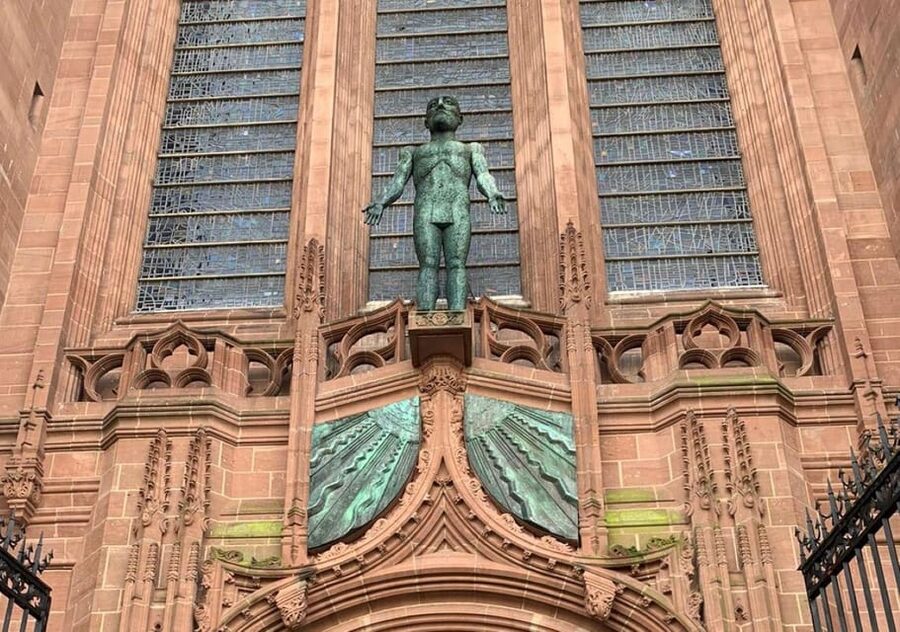
The walk begins at Liverpool Cathedral, one of the city’s major landmarks. The first stop is not just an exterior look at the building. You enter the cathedral and visit the Lady Chapel, known for its stained-glass windows.
The windows provide an effective opening because they put women directly into the visual story of the building. You will hear about some of the women depicted there and about their influence on Liverpool’s development and culture.
The tour also points out one of the final works by a famous female sculptor of the modern era. The supplied information does not name the sculptor, so you should treat this as a detail to ask your guide about on the day. That kind of question is part of the appeal here: the walk encourages you to look closely rather than simply photograph the main structure.
Liverpool Cathedral is a substantial building, so this opening section can give you more than a quick orientation. It also sets up the tour’s main idea: women’s stories are present in places that can seem, at first glance, to belong only to male civic or religious history.
Blackburne House and the education of women
From the cathedral, the route continues to Blackburne House, a grade II listed building with an important connection to the education of girls and women.
This stop adds a practical side to the tour. Education is often discussed as a broad political issue, but Blackburne House lets you consider the buildings and institutions that made education possible for particular generations of women. You will hear about famous alumni and the building’s role in teaching girls and women.
I find this kind of stop especially useful because it shows change through an actual place. Instead of hearing only about campaigns or legislation, you get a sense of where learning happened and how educational access could affect later work in medicine, public service, politics, and the arts.
The route is not presented as a museum visit with a long indoor program. Blackburne House is one stop in a moving city walk, so the amount of time spent there may feel brief if you want a detailed architectural tour.
Rodney Street, Liverpool’s medical address
Rodney Street is often called the Harley Street of the North, a reference to its association with medical professionals. Here the tour shifts from education to medicine and introduces famous female residents connected with the street.
This section helps explain why Liverpool mattered in the development of health care and medical training. You will hear about the obstacles faced by women who wanted to enter medicine or influence medical work at a time when professional opportunities were limited.
The route uses Rodney Street well because the setting gives the subject a physical address. You can stand among the buildings and connect women’s professional lives with the city’s medical quarter rather than treating their work as an isolated biographical footnote.
Do not expect a hospital tour or access to medical interiors. The point is the street, its associations, and the stories your guide tells while you walk.
A few more Liverpool days worth weighing up
- Liverpool: Liverpool Football Club Museum and Stadium Tour
★ 4.8 · 10,764 reviews - Liverpool: City & Beatles Tour with Live Guide & Live Music
★ 4.8 · 5,249 reviews - Liverpool: The Beatles Story Ticket
★ 4.7 · 4,197 reviews - Liverpool: Sightseeing River Cruise on the Mersey River
★ 4.4 · 3,427 reviews
The Everyman Theatre and a political edge
The Everyman Theatre brings a different mood to the route. Its earlier identity as Hope Hall is linked with a Bohemian atmosphere and a political edge, including connections with the Suffragettes.
This is one of the most interesting transitions on the walk. The tour moves from formal institutions such as schools and medical streets into a theatre setting where culture and politics overlapped. The site helps show how public debate could happen through performance, meetings, and social networks, not only in government buildings.
The suffragette connection gives the stop a clear political focus. You will learn about the ground-breaking movements associated with the site and how women organized around the right to influence public life.
I would pay attention here if you enjoy the social side of history. The stop is less about a single monument and more about the atmosphere of a place where artistic and political ideas met. As with other outdoor stops, the experience depends on listening to the guide rather than expecting a large exhibition.
Mount Pleasant and women in medicine
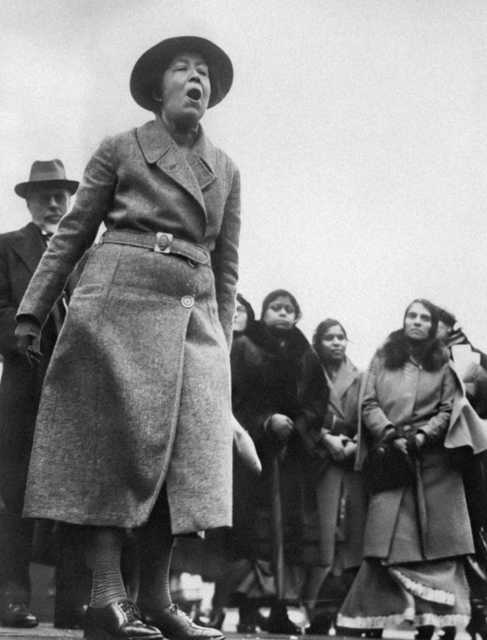
The route then reaches Mount Pleasant, which has a long association with medicine. This section returns to the women who helped develop medicine, education, and health services around the turn of the last century.
The important point is not simply that women worked in these fields. You will hear about the challenges they overcame before they could influence professional institutions and public services. That makes the section useful for understanding both achievement and resistance.
The tour’s medical theme also connects several stops. Rodney Street introduces the city’s medical reputation, while Mount Pleasant gives more attention to women’s role in the systems built around health and education.
Because the walk has a large subject area, you should expect selected stories rather than a full survey of Liverpool medicine. The guide has to keep moving, and the two-hour format favors memorable examples over every name and date.
Pembroke Place and the meaning of red brick
Pembroke Place is associated with the term red brick universities. The route uses this location to talk about famous female alumni and pioneering women connected with education and public life.
This is another place where the tour turns an everyday urban setting into a starting point for a larger question: who gained access to higher education, and what did those qualifications allow women to do?
You will also hear about a major philanthropist who campaigned successfully for women’s rights and family welfare in the early 1900s. The supplied details do not identify her by name, so ask your guide to spell it if you want to follow up later.
I like this stop because it brings together education, charity, political campaigning, and family policy. It shows that social reform was not limited to one cause. Campaigners often worked across several issues at once, especially where education and family welfare affected women’s independence.
The Metropolitan Cathedral and the Nightingale nurses
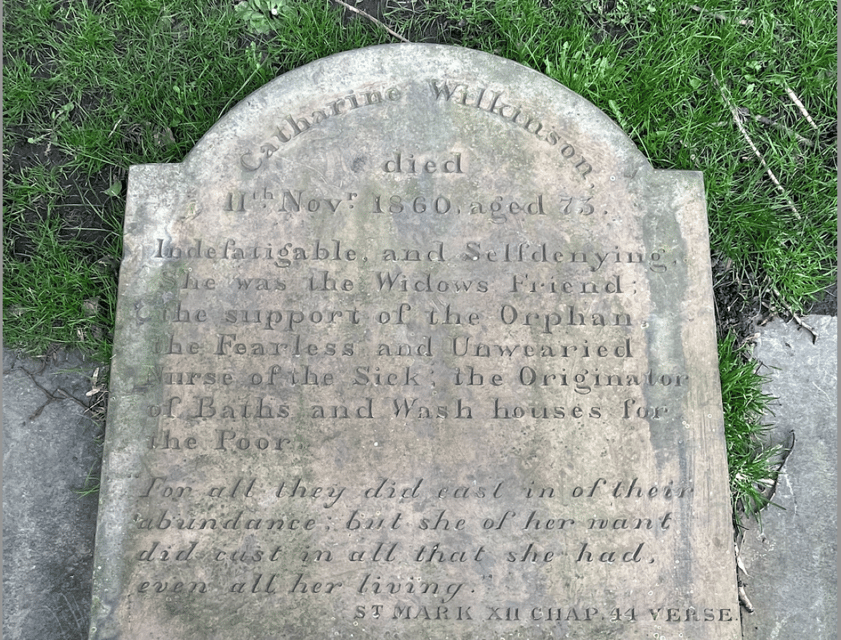
The Metropolitan Cathedral of Christ the King gives the tour another major building and another religious connection. Here you will learn about the history of the site and its links with the Nightingale nurses.
The stop also introduces the tragic story and later work of a leading reformer of legislation supporting women and families in the 1800s. The information provided does not name this reformer, so the guide’s explanation will be important if you want to connect the story to wider British social history.
This section appears designed to balance personal hardship with lasting public work. You are not asked to view the person only through tragedy. The focus also falls on the changes she helped bring about in law and family support.
The Metropolitan Cathedral is distinct from Liverpool Cathedral, so seeing both gives the walk architectural range as well as historical contrast. You should expect an exterior and site-based visit within the walking itinerary, not a long cathedral service or a full art-history tour.
Lime Street, songs, and the city’s rougher reputation
At Lime Street, the subject turns toward the area’s infamous reputation in the 19th century. The guide also tells the story of a woman who appears in several well-known Liverpool songs.
This stop adds a popular-culture layer to the tour. Not every woman remembered by a city appears in official records or public institutions. Some survive through music, local memory, and the way a place is described in popular culture.
The contrast with the cathedrals and galleries is useful. You move through a location linked with a rougher urban reputation and hear how women’s lives could be remembered in a very different way from those of institutional reformers or professional pioneers.
If you know Liverpool songs, this may be a particularly enjoyable part of the route. The exact woman and songs are not identified in the supplied details, so you will need to listen closely and make a note if you want to investigate further.
Suffragette meetings and the Walker Art Gallery
The walk passes the site of many women’s social and political union meetings from the early 1900s. This is a valuable reminder that political movements depend on ordinary meeting places, not only on famous speeches and headline events.
You then arrive at the Walker Art Gallery, often called the national gallery of the North. The tour explores women connected with the gallery, including women whose work or stories remain on display.
This stop should appeal to anyone who wants art placed in a social setting. You are not looking only at paintings as isolated objects. You are learning about women who helped shape public culture and about the women represented within a publicly owned collection.
The route does not include a full gallery admission program in the stated inclusions. Treat the Walker Art Gallery as a guided exterior or passing stop within the walk unless your guide tells you otherwise. If you want to explore the collection properly, plan a separate visit.
Ending at St George’s Hall
The tour ends in the shadow of St George’s Hall, a grade I listed Neoclassical building. This is a fitting finish because the site links civic architecture, the suffragist movement, and an unexpected subject: modern-day cookery.
The building’s suffragist connection completes the political thread that began at Hope Hall and continued through the meeting sites near Lime Street. The cookery connection gives the ending a lighter, more surprising turn and shows how a grand public building can carry several layers of meaning.
Ending here also makes practical sense. St George’s Hall is one of Liverpool’s best-known central landmarks, so you can continue to the Walker Art Gallery, explore the hall, or make your way onward through the city after the guide finishes.
Timing, comfort, and accessibility
The tour lasts two hours and is conducted in English. You should arrive at the meeting point 5 to 10 minutes early and look for a guide wearing purple from Liverpool Famous Walking Tours.
Wear comfortable clothes and shoes, and bring water. A camera is useful for the cathedral, stained glass, architecture, and street details. Food and drink are not included, so plan a snack or meal before or after the walk.
The route is described as wheelchair accessible and suitable for strollers, but you should keep the surface conditions in mind. Busy areas, group movement, cobbles, and uneven ground can make the walk slower or less comfortable than a fully level private tour.
Well-behaved dogs are welcome. Children under 16 must be accompanied by an adult. You can cancel up to 24 hours in advance for a full refund, and the reserve-now, pay-later option gives you some flexibility while arranging your Liverpool plans.
Who should book this walk?
I would choose this tour if you want Liverpool history told through women’s work, campaigns, education, and cultural influence. It suits repeat visitors who have already seen the city’s headline sights, but it also works as a first walk because the route includes major landmarks and gives them a fresh purpose.
It is a good match for people interested in suffrage, social reform, medicine, education, art, and local stories. It may be less suitable if you want a slow architectural tour, a long indoor visit at each attraction, or a food-focused experience.
The strongest reason to book is the guide’s subject knowledge and personal delivery. Pam, when leading the tour, is described as friendly, passionate, and well informed, and those qualities matter on a story-led walk. The five-star ratings support the sense that this is an engaging experience, while the small number of published ratings means you should still base your decision on the format and route.
At $28, I think the tour offers fair value if you want a tightly themed introduction to Liverpool and appreciate a guide who can connect scattered places into one story. Book it if you want to leave the city knowing not only what Liverpool built, but also who helped make that possible.
FAQ
How long is the Inspirational Women: Liverpool Past/Present History Tour?
The walking tour lasts two hours.
What language is the tour conducted in?
The tour is conducted in English with a live guide.
Where does the tour begin?
The tour begins at Liverpool Cathedral. You should arrive at the meeting location 5 to 10 minutes before the start time.
What sights are included on the route?
The route includes Liverpool Cathedral and the Lady Chapel, Blackburne House, Rodney Street, the Everyman Theatre, Mount Pleasant, Pembroke Place, the Metropolitan Cathedral of Christ the King, Lime Street, the site of women’s social and political union meetings, the Walker Art Gallery, and St George’s Hall.
Is admission to Liverpool Cathedral included?
Admission to Liverpool Cathedral is included by donation, along with a tour of the Lady Chapel.
Is the tour wheelchair accessible?
The tour is wheelchair accessible, and the locations can accommodate wheelchairs and strollers. You should still expect busy areas, cobbles, and uneven surfaces while walking with the group.
Can children and dogs join the tour?
Children under 16 must be accompanied by an adult. Well-behaved dogs are welcome.
More History Walks around Liverpool
- Liverpool: Heritage, History & Culture Guided Walking Tour
★ 4.9 · 52 reviews - Liverpool: Theatrical History Tour and The Dead House
★ 4.9 · 37 reviews - History Guided Tour of Liverpool and the Beatles
★ 4.9 · 14 reviews - Liverpool Heritage,History & Culture Walking Shore Excursion
★ 5.0 · 3 reviews
Just added around Liverpool
- Ultimate Beatles Ticket to Ride Half Day -Small Groups★ 4.9 · 37 reviews
- THE HANGOVER BRUNCH | Benidorm Bingo & Drag Queens★ 4.5 · 15 reviews
- Soulful Sunday Roast Dinner with Drag Queens★ 4.6 · 3 reviews
- Liverpool: Private City Highlights Walking Tour★ 5.0 · 4 reviews
- From Liverpool: North Wales Sightseeing Tour Shore Excursion★ 4.3 · 34 reviews
- Liverpool: 1980s Music Walking Tour with Guitarist “Nasher”★ 5.0 · 6 reviews
- Liverpool: The Beatles Tour on Electric Pedal-Assist Ebikes★ 5.0 · 17 reviews
- Liverpool: Total Beatles Car Tour Casbah & Cavern Clubs★ 5.0 · 3 reviews
Historical Tours, compared.




J&M’s City Sightseeing and History Walking Tour
Read our review →Browse the lists this tour appears in