
Reviewed · STREET ART
ADVANCED GRAFFITI STREET ART TOUR / SHOREDITCH / EAST LONDON
East London’s walls are more than colorful backdrops for holiday photos. They are a record of rivalries, politics, class, commercial change, and artistic ambition. This two-hour walk takes you through Shoreditch and Brick Lane while teaching you how to read graffiti instead of simply spotting it.
I like the small maximum group of 15, which gives you a real chance to ask questions. I also like the focus on the ideas behind the work: Banksy gets attention, but the tour also covers Ben Eine, London writers, graffiti slang, styles, and the Team Robbo conflict.
The main thing to consider is that street art changes fast. Works may be painted over, blocked, or hard to reach, so the number of Banksy pieces can vary. The accessibility information is also inconsistent, with the activity described as wheelchair accessible in one place and unsuitable for wheelchair users elsewhere. Confirm before booking if that matters to you.
Key points to know before you book
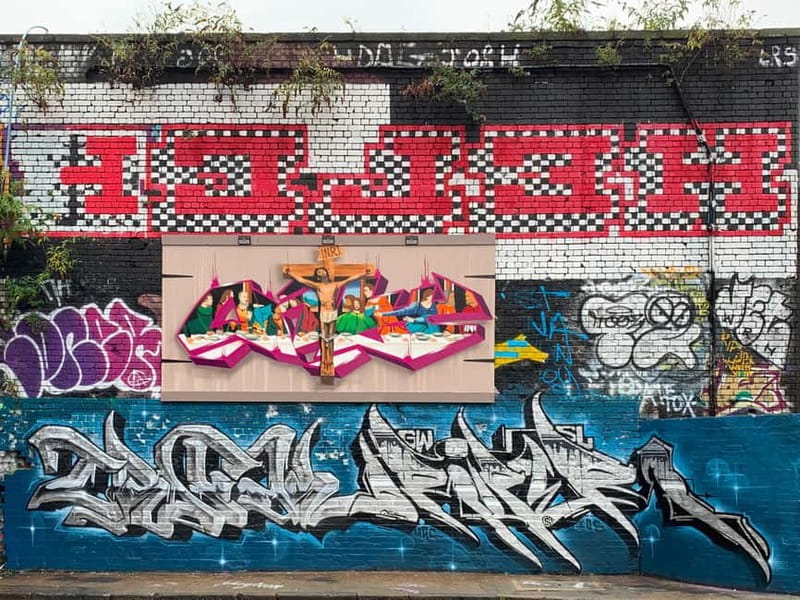
- At least three Banksy works: You may see up to five, depending on access, along with discussion of his ideas, influences, and disputes.
- James leads the walk: He explains the London graffiti scene, answers questions, and makes sure the group can follow the discussion.
- Graffiti has its own language: You’ll learn codes, slang, styles, hierarchies, and rivalries that are easy to miss on your own.
- Brick Lane and Shoreditch are central: The route covers major East London street-art areas, including tucked-away alleys and corners.
- Photography is encouraged: Take pictures of the art, but give artists privacy if you see them working.
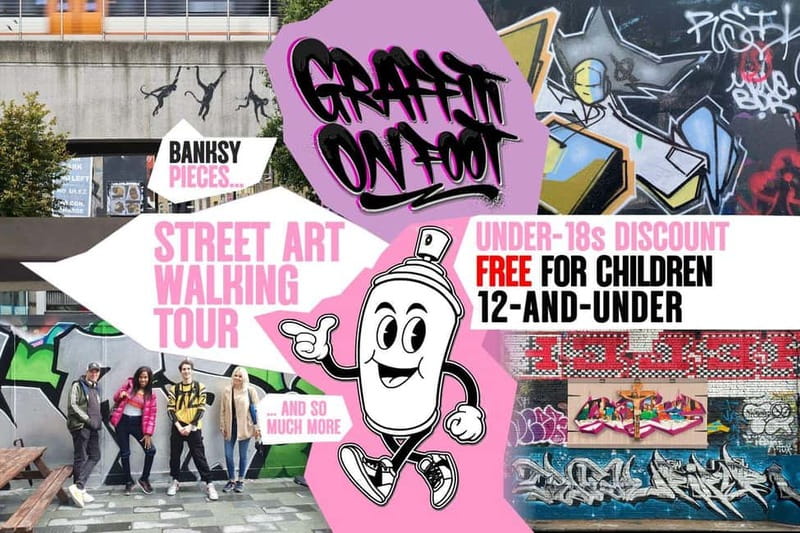
- Children 13 and under go free: There is also a youth discount for under-18s, making this a useful family option for older children and teenagers.
Why this Shoreditch walk is more than a Banksy hunt
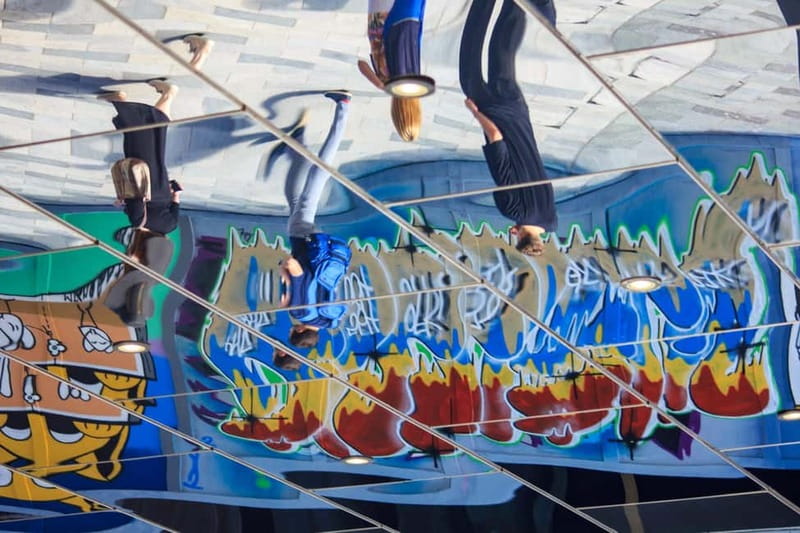
Banksy is the obvious draw, and this tour does include his work. But the better reason to book is the way the guide places Banksy inside a much larger story.
You’ll learn how graffiti began, how it changed, and how street art developed into a separate but overlapping form. The discussion links the art to class, politics, gentrification, and social media. That matters because a painted wall in Shoreditch can be both a personal act of rebellion and part of a neighborhood used to attract shoppers, property buyers, and visitors.
I like this wider frame. It keeps the walk from becoming a simple hunt for famous names. You’ll still get plenty of photo stops, but you’ll also gain a way to judge why one piece feels raw, another feels polished, and another may be making a point about the street around it.
The guide also explains that graffiti has codes and ranks. Lettering, placement, tags, characters, scale, and layering can all carry meaning. Once you understand a few of those signals, the walls around London become easier to interpret.
A few more London days worth weighing up
- From London: Harry Potter Warner Bros Studio Tour
★ 4.7 · 26,588 reviews - London: Westminster to Greenwich River Thames Cruise
★ 4.5 · 22,836 reviews - Magical London: Harry Potter Guided Walking Tour
★ 4.7 · 22,044 reviews
Starting with graffiti’s roots and London’s writers
The tour begins with an introduction to the origins and development of graffiti and street art in the United Kingdom. The information provided does not specify the exact meeting point or the order of every stop, so you should check the current booking details for the starting location and time.
Expect the early part of the walk to give you basic terms and context. That is useful even if you already enjoy street art. You might know Banksy’s stenciled figures but still miss the difference between a tag, a throw-up, a piece, and a more planned street-art work.
The route pays respect to London graffiti legends and covers modern changes in the scene. That combination is important. You’ll see how older writing traditions relate to newer gallery-friendly work, commissioned murals, and art made for online sharing.
A guide who can explain both sides makes a difference. James is identified as the guide, and the tour description emphasizes his ability to answer questions about the London scene. The small group helps here. You are not left trying to catch a quiet explanation at the back of a large crowd.
Shoreditch walls and Brick Lane details
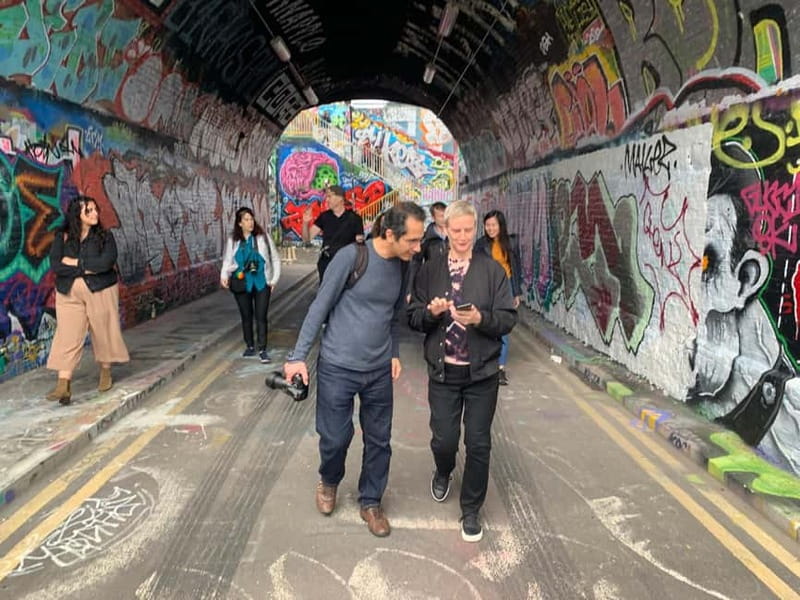
Shoreditch and Brick Lane supply the setting, but they are not just a stage. The streets show how street art lives in public space, where weather, owners, other artists, and redevelopment can alter the view.
You’ll pass walls, alleys, and corners with works that may be easy to miss without someone pointing them out. One of the strongest parts of the experience is this change in attention. Instead of seeing a painted wall as one object, you begin to notice layers, signatures, changes in style, and signs of one artist responding to another.
Brick Lane is especially useful for this kind of walk because the tour covers both established names and lesser-known writers. The provided details do not promise a fixed list of stops, so you should not expect exactly the same pieces on every date. Street art is temporary by nature.
That uncertainty is a small drawback, but it is also part of the subject. A museum label stays put. A street piece may vanish overnight. If you want a guaranteed view of one particular work, ask about current access before booking.
Banksy, his influences, and the works you may see
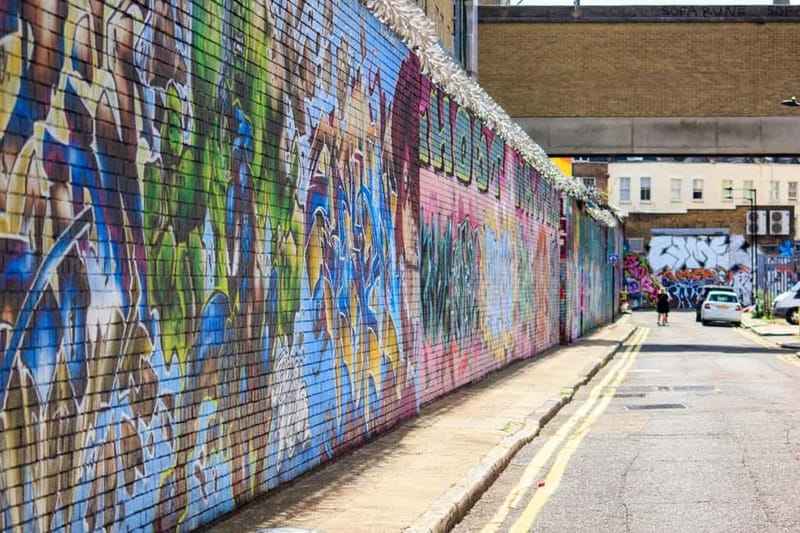
The tour includes at least three Banksy works, with up to five possible depending on access. The included details also specifically mention two Banksy artworks in East London, so the exact count and route can change with conditions on the day.
The value is not just in standing beside a famous stencil. You’ll hear about Banksy’s history, inspirations, and controversies. That gives you a better basis for deciding what you think of the work instead of treating the artist as a simple celebrity.
Banksy’s pieces often work through quick recognition. A familiar image, a sharp joke, or a political reference can make the work look effortless. The guide’s role is to slow that first reaction down and show how the image relates to its setting, audience, and wider debates.
You should also expect the tour to place Banksy among many other artists. That is a strength. East London’s art scene is not defined by one anonymous stencil artist, and the discussion of other writers helps prevent the famous name from swallowing the rest of the walk.
Access is the key variable. The tour promises a minimum of three Banksy pieces, but the maximum may depend on whether works can be reached or viewed. Take the guarantee as a useful baseline, not as a promise of a precise collection.
More street art walks in London:
- London: Street Art and Graffiti Guided Walking Tour
★ 4.9 · 1,354 reviews - London: Landmarks & Secrets Bike Tour with Pub & Street Art
★ 4.9 · 314 reviews - London: East End Street Art Tour and Spray Painting Workshop
★ 4.8 · 297 reviews - London: Half-Day Street Art Tour and Workshop
★ 4.9 · 172 reviews
Ben Eine and the value of looking at style
Ben Eine receives specific attention on the tour. He is presented as an artist who has mastered both graffiti and street art, making him a helpful example for understanding how the two worlds can overlap.
This part should appeal to you if lettering interests you. Street art is often judged by its subject, but letters, spacing, scale, color, and placement can be just as important. A guide can help you notice those choices rather than moving on after taking a quick picture.
The tour’s larger lesson is that style is not decoration alone. It can show where an artist comes from, what traditions they know, and how they want their work to be read. You’ll be encouraged to analyze pieces critically, including what they reference and where they may be coming from.
That approach gives the walk lasting value. Afterward, you can look at art on other London streets with more confidence. You do not need to memorize every artist’s name. You need a few clear questions: Who made this? What style are they using? Who is it aimed at? What changed around it?
Team Robbo versus Banksy
The infamous Team Robbo versus Banksy conflict is one of the tour’s more unusual subjects. It shows that graffiti culture is not only about individual skill or public approval. It also involves ownership, recognition, rivalries, and the contested status of work placed without formal permission.
This story helps explain why the scene has its own rules. A piece can be admired by the public yet carry a different meaning for other writers. A famous artist may be celebrated outside the scene while provoking strong feelings within it.
I value this part because it adds tension and human detail without turning the tour into a list of dates. You’ll see how disputes can move from walls into public debate, and how the boundary between graffiti and street art can become part of the argument.
The guide also covers modern developments, including the effect of social media. Online images can spread a work far beyond its street, but they can also remove it from its original setting. That is worth considering as you frame your own pictures.
How the two-hour format works for you
The experience lasts two hours. That is long enough for a serious introduction without taking over an entire day of sightseeing.
You should expect to spend the time walking between outdoor works, listening to explanations, and stopping for questions and photographs. The exact start time depends on availability, so check that before planning a meal, museum visit, or train connection around it.
A two-hour walk also means the guide has to make choices. You will not see every worthwhile wall in East London, and the route cannot cover every period or artist in equal detail. The benefit is focus. The advertised route concentrates on the most exciting parts of Shoreditch and Brick Lane rather than trying to explain all of London’s street art at once.
Wear shoes you can walk in and keep your schedule reasonably open around the start time. Those are simple precautions for any outdoor walking activity. The supplied details do not state the exact distance, terrain, or meeting point, so check those points if you need precise planning.
A small group with room for real questions
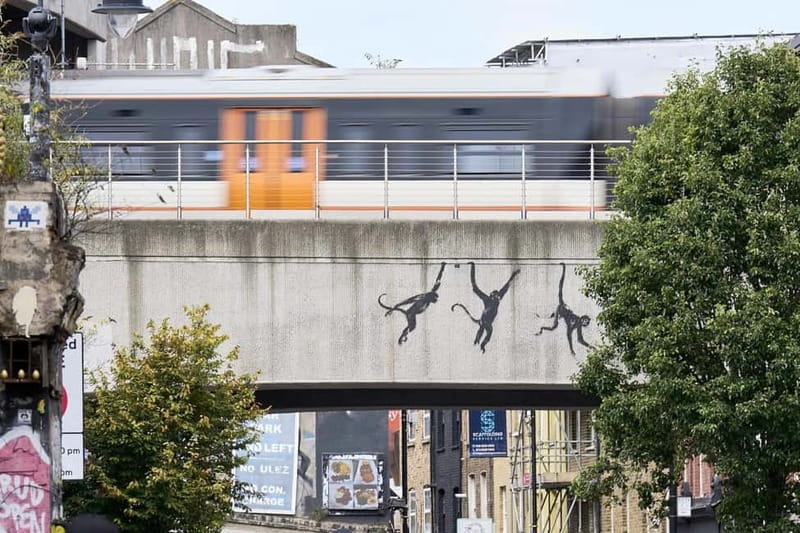
The group is capped at 15 people. That is one of the strongest practical features of the tour.
Graffiti can be hard to explain in a large crowd. A tag may be small, partly covered, or tucked around a corner. With fewer people, you have a better chance of seeing what the guide is indicating and asking why a piece matters.
The experience is conducted in English with a live guide. James is named as the guide, and the tour is designed around questions. That suits you if you want more than a prepared speech. You can ask about a style, an artist, a political reference, or a rivalry as it comes up.
The small-group format does not guarantee a private tour. You will still be sharing the guide and the route with other people. But a maximum of 15 is a sensible middle ground between personal attention and the lower cost of a group activity.
Photography, artists at work, and street etiquette
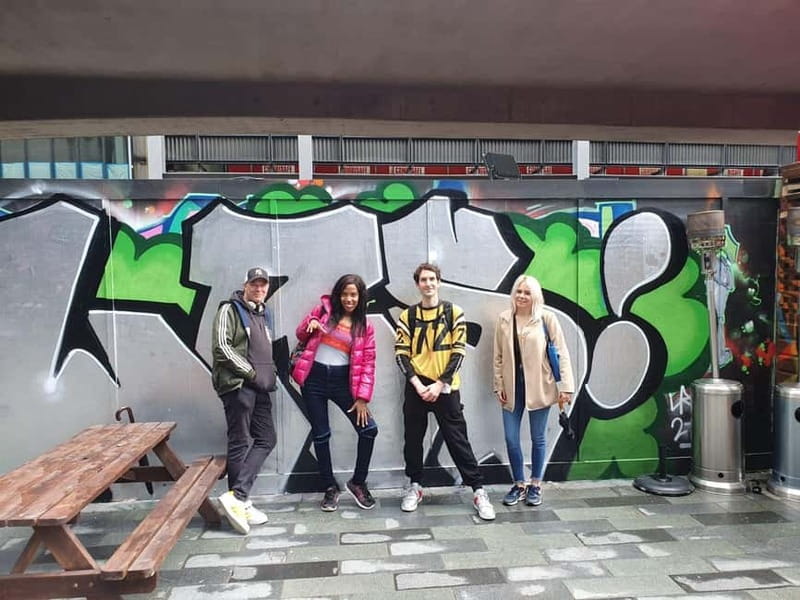
Photography is allowed and encouraged. Bring your phone or camera, because the route offers many chances to photograph lettering, stencils, murals, and layered walls.
The important rule is simple: if you see artists working, act discreetly and do not photograph them without clear permission. That request is more than a formality. Street art depends on public space, but artists still deserve control over how they are recorded while making their work.
You may also want to take a few pictures that show the work in context. A close-up is useful, but the surrounding shopfronts, brickwork, alleys, and neighboring pieces often explain more about the art’s place in the neighborhood.
Avoid treating every wall as a backdrop for a posed portrait if it blocks the group or changes the feel of the stop. The best pictures usually come after you have listened to the guide and understood what you are looking at.
Is the $16.16 price good value?
At $16.16 per person, this is a modestly priced two-hour guided walk for central London. The value is strongest if you want interpretation rather than a self-guided list of locations.
You are paying for an English-speaking guide, a focused route through Shoreditch and Brick Lane, Banksy coverage, background on London artists, and time for questions. The group limit of 15 also makes the price more appealing than a large commercial walk.
Children aged 13 and under are free, and under-18s receive a youth discount. For a family with teenagers, that can make the total cost especially reasonable. The subject also works well for older children because it connects art to music, politics, city change, and arguments about public space.
The price is less compelling if you only want quick photographs of Banksy pieces. You could potentially find public art on your own, although the exact works and current access are not guaranteed. Book this walk for the explanations and connections, not simply for a checklist.
Free cancellation up to 24 hours before the start and a reserve-now, pay-later option reduce the risk when your London plans are still shifting. Those policies are useful, but the main value remains the guide’s analysis.
Who should book this experience?
I would suggest it to first-time visitors who want to see East London through something more specific than shops and cafés. It also suits repeat visitors who already know the area but want to understand its art scene.
Art students, photographers, older children, and teenagers should find plenty to discuss. You do not need prior knowledge. The guide introduces the basic history and slang, then builds toward more detailed analysis.
It is also a good choice if you enjoy asking questions. The tour is designed for discussion, and the small group gives you a fair chance to take part.
You may want to skip it if you dislike walking outdoors, need a fixed list of guaranteed artworks, or prefer a quiet sightseeing activity with little explanation. The changing nature of the walls is part of the experience, but it can frustrate anyone expecting a permanent museum display.
My verdict on the Shoreditch graffiti tour
Book this tour if you want Banksy as an entry point, but not the whole meal. The strongest parts are the clear explanation of graffiti codes, the attention to London writers such as Ben Eine, and the discussion of politics, gentrification, social media, and the Team Robbo conflict.
James’s role is another reason to consider it. The tour is built around answers and analysis, not just movement from one photo stop to another. At $16.16, with free admission for children 13 and under, it offers solid value for an art-focused two hours.
Before paying, confirm the current meeting point, starting time, number of accessible Banksy works, and wheelchair arrangements. If those details suit your plans, this is a smart way to see Shoreditch with sharper eyes.
FAQ
How long does the Shoreditch graffiti tour last?
The tour lasts two hours. Starting times vary, so check availability when choosing your date.
What areas does the tour cover?
The route covers Shoreditch and Brick Lane, along with other parts of East London described as among the area’s most exciting street-art spots.
How many Banksy works will I see?
The tour includes at least three Banksy pieces, with up to five possible depending on access. The exact number may vary.
Does the tour discuss artists besides Banksy?
Yes. It covers Ben Eine, London graffiti legends, and dozens of other graffiti writers and street artists.
Will I learn graffiti slang and codes?
Yes. The guide explains graffiti codes, slang, hierarchies, rivalries, and artistic styles.
Who leads the tour?
The named guide is James, and the experience is provided by Jam Graffiti Tours.
Is photography allowed?
Yes. Photography is encouraged, but you should be discreet and ask for express permission before photographing artists at work.
Is the tour available in languages besides English?
No other language is listed. The tour has a live guide and is conducted in English.
Is the tour wheelchair accessible?
The information is conflicting. One section describes it as wheelchair accessible, while another says it is not suitable for wheelchair users. Contact the provider before booking to confirm the current arrangements.
Just added around London
- London: Wimbledon Tennis Club and Westminster Walking Tour★ 4.5 · 86 reviews
- London: Westminster to Richmond River Thames Cruise★ 4.8 · 23 reviews
- Westminster Abbey Skip-the-Line Entry and Private Tour★ 4.6 · 4 reviews
- Best of London by LE GRAND – London’s Luxury Bus Tour★ 4.2 · 23 reviews
- London: Westminster Walking Tour & St Paul’s Cathedral Entry★ 4.7 · 7 reviews
- From London: Oxford, Stratford-upon-Avon & Cotswolds Trip★ 4.5 · 64 reviews
- From London: Warwick, Oxford, Stratford & Cotswolds Day Tour★ 4.0 · 270 reviews
- Warner Bros. Studios and 1-Day London Hop-on Hop-off tour★ 4.7 · 9 reviews
Street Art, compared.
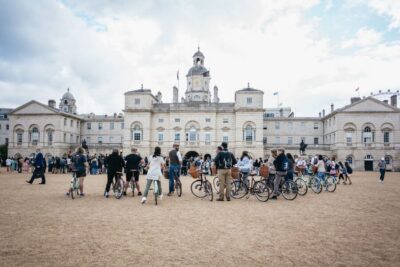
Landmarks & Secrets Bike Tour with Pub & Street Art
Read our review →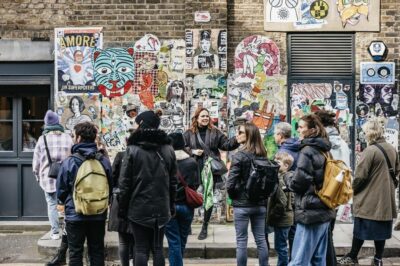
East End Street Art Tour and Spray Painting Workshop
Read our review →
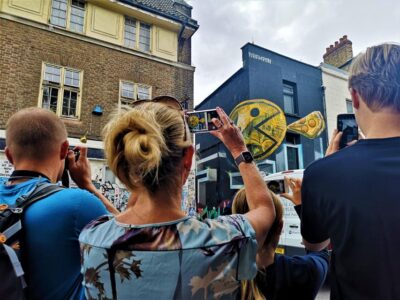
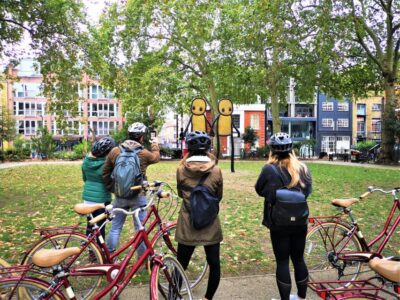
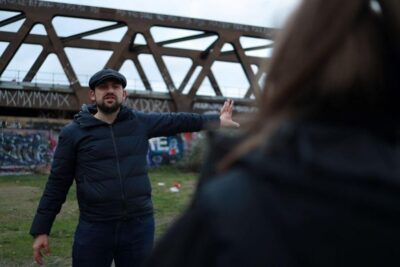
Urban Canvas: Exploring Shoreditch’s Vibrant Street Art
Read our review →
East End Instagrammable Street Art & Graffiti Tour
Read our review →Browse the lists this tour appears in