
Reviewed · MUSEUMS
London: Postal Museum Entry Ticket and Underground Rail Ride
London’s Postal Museum has one terrific trick up its sleeve: it lets you ride beneath the city on the old Mail Rail. The 15-minute miniature train trip through the Post Office’s century-old tunnels turns what could be a quiet museum visit into a proper London experience. You also get the world’s first postage stamp, sorting games, old postal equipment, and a glimpse of how Britain moved letters before email changed everything.
I like the hands-on mail-sorting carriage and the way the exhibits explain ordinary working life, not just famous inventions. I also like the clear family appeal: children can play, dress up, design stamps, and wrestle with a wobbly train floor while adults learn about postal boxes, telephones, theft, and long-distance delivery. The main caution is simple: the train ride is short, and some adults may find the museum galleries aimed more at children than at serious collectors.
Key points to know before you go

- Ride through hidden tunnels: The miniature Mail Rail train spends about 15 minutes underground, with commentary and projected film clips along the route.
- See the Penny Black: The museum displays the first postage stamp, a small object with an outsized place in communication history.
- Try the wobbly sorting carriage: You can attempt to sort letters on a mock-up train carriage while standing on a moving floor.
- Expect plenty for children: Interactive games, dressing-up activities, stamp design, and family displays make this a strong choice with younger visitors.
- Allow more than 90 minutes: The advertised visit lasts 1.5 hours, but several people needed two to three hours to see the galleries without rushing.
- Plan around the train: Bags are stored in separate lockers during the ride, and staff control access to them when you return.
Why London’s underground mail railway is the star
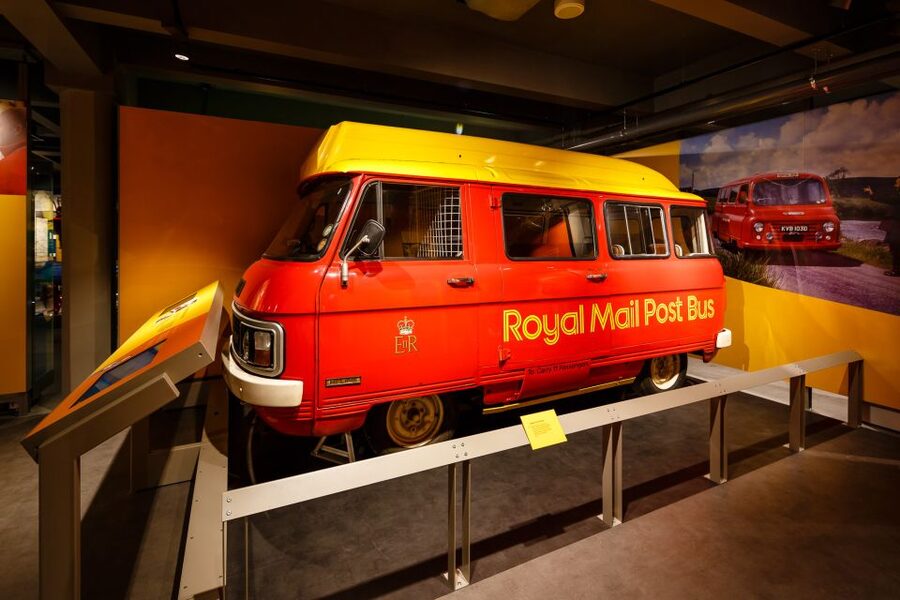
The Postal Museum tells more than the story of stamps and post boxes. Its headline attraction is Mail Rail, the underground railway once used to move letters across London. You board a small train and travel through the old tunnels while a recorded presentation and projected images explain how the system worked.
The ride lasts around 15 minutes. That is enough time to make the experience feel substantial, but not enough to satisfy anyone expecting a long railway journey. The train stops at points along the route so you can watch film clips and follow the story on the tunnel walls. This presentation gives the ride a sense of place, rather than simply sending you through a dark passage.
I especially like the contrast between the cramped train and the scale of the job it supported. The railway ran below the city for more than 100 years, carrying mail away from busy streets and helping the postal service move letters efficiently. You get a quick look at a working system that most Londoners passed above without knowing it was there.
The small carriage is not ideal for everyone. One visitor warned that the ride may be uncomfortable for very tall people or anyone who dislikes enclosed spaces. There is also a brief blackout-style moment in the experience, which could unsettle a young child. If that sounds like a concern, ask staff for practical guidance before boarding.
More Museum Tours in London
- London: Chelsea Football Club Stadium and Museum Tour
★ 4.8 · 4,576 reviews - London: British Museum Guided Tour
★ 4.3 · 1,182 reviews - London: Jack the Ripper Museum Tickets
★ 4.2 · 894 reviews
Entering the museum’s 500-year postal story
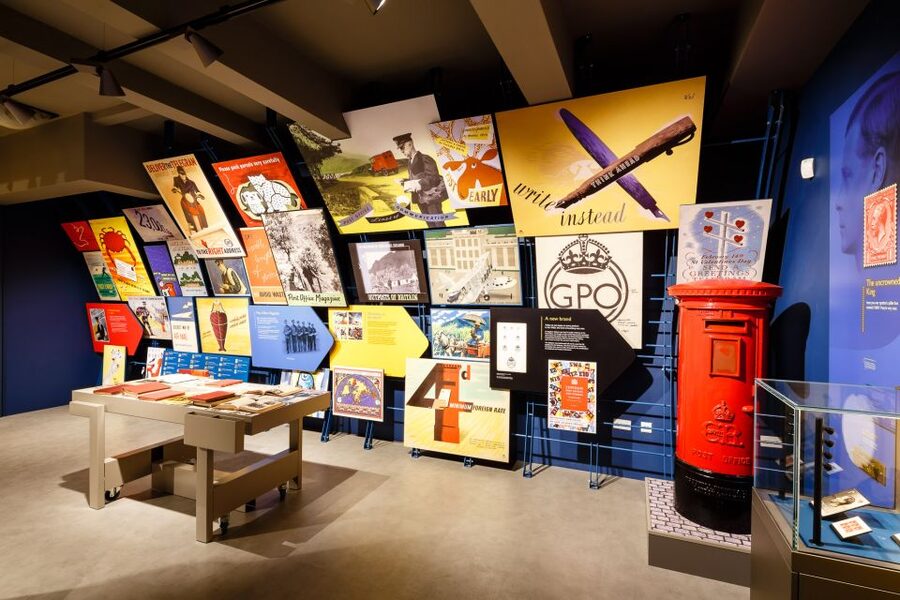
The main museum covers more than 500 years of postal history. The displays move through the development of the postal service and show how communication changed across generations. This is useful context for the Mail Rail ride, since you see the railway as one part of a much larger system.
The Penny Black is an obvious highlight. It was the world’s first postage stamp, introduced as a simple way to standardize payment for letters. In person, it is a modest little stamp, but its importance becomes clear when you connect it to the wider story of affordable communication.
The galleries also include flintlock pistols once used to defend the mail from thieves. These are a sharp reminder that carrying letters was not always a safe, routine job. Mail coaches and couriers faced real risks, and the postal service needed protection as it moved valuable and important items across the country.
Look for the Victorian miniature rail car as well. It operated on London’s streets and gives you a useful comparison with the underground railway. The collection is strongest when it shows postal work as a practical chain of people, vehicles, tools, and buildings rather than presenting stamps as isolated souvenirs.
Sorting letters on the wobbly train floor

The most memorable gallery activity may be the mock-up railway carriage where you try to sort mail while standing on a floor that moves beneath you. It sounds easy until the floor starts wobbling. The activity lets you feel, in a small and playful way, the physical skill required of workers who sorted letters aboard moving trains.
This is exactly the sort of exhibit that makes the museum work for families. A child can play a game, while an adult sees the point behind it. The display turns a bit of postal machinery into a shared challenge, and it gives you something to talk about after the ride.
Other activities cover communication and postal design. Children can create their own stamp, and some areas include dressing-up. The museum also uses films, audio, projected images, and interactive games to keep the material moving.
The balance does lean toward younger children. On a busy weekend, small children may gather around the interactive displays, making it harder for adults to use them at their own pace. If you want to read every panel and try every activity, allow extra time or visit when the museum is quieter.
Victorian vehicles, post boxes, and everyday communication
The collection reaches beyond letter delivery. You can learn about the development of post boxes and telephone boxes, two familiar pieces of British street furniture that once transformed how people communicated.
These objects work well because they connect museum history to things you may still notice around London. A post box is easy to ignore when you are hurrying to a train, but its design and purpose reflect changing ideas about access, trust, and public service.
The displays also include stories about the people and dangers tied to postal work. One particularly striking example concerns a mail stagecoach horse attacked by a lioness. It is the sort of odd, vivid detail that helps the past feel human. You may come away remembering the strange story more easily than a date or policy change.
The museum presents old films and information in several formats, so you are not forced to read long blocks of text at every stop. Still, the main exhibition has enough detail to reward a slower visit. A quick visit will give you the broad picture, but you can easily spend several hours following the smaller stories.
A few more London days worth weighing up
- From London: Harry Potter Warner Bros Studio Tour
★ 4.7 · 26,588 reviews - London: Westminster to Greenwich River Thames Cruise
★ 4.5 · 22,836 reviews - Magical London: Harry Potter Guided Walking Tour
★ 4.7 · 22,044 reviews - London: Madame Tussauds London
★ 4.6 · 20,915 reviews
How long should you plan for?
The official duration is 1.5 hours. That gives you a useful minimum, especially if your main reason for visiting is the Mail Rail ride. It may feel tight if you want to see the museum properly.
For a quick visit, plan around the underground ride and the headline objects: the Penny Black, flintlock pistols, Victorian rail car, and sorting activity. You can see the main points without turning the museum into an all-day project.
For a family visit, two to three hours is more realistic. Children tend to spend time at the interactive stations, and adults may want to read the postal stories. One family with two children aged seven and eleven found that about three hours made the visit feel like good value.
The length also depends on how you approach museums. If you like to read every label, study the objects, and let children repeat activities, do not treat 90 minutes as a firm limit. Some admission arrangements allow a return within a year, according to information provided about the venue, but check the current terms when booking.
Is the $24 admission good value?
At $24 per person, this is not the cheapest small museum visit in London. The price makes more sense when you treat it as two attractions in one: a museum with interactive galleries and a timed underground railway experience.
The Mail Rail ride is the main reason the admission feels different from a standard postal collection. You are not only looking at an old railway carriage. You are sitting in a miniature train and moving through the tunnels that once carried London’s post.
The value improves for families because the exhibits give different age groups something to do. Children have games, stamp design, dress-up, and sorting activities. Adults get social history, postal technology, old films, and unusual objects such as the pistols used to protect the mail.
The value is weaker if you want a long train journey or a large transport museum. The ride lasts only about 15 minutes, and the museum itself is not enormous. One fair criticism is that some of the ride time is taken up by projected video stops. I think the films add useful context, but anyone seeking continuous movement may find the train portion brief.
Practical details that make the visit easier
Start at The Postal Museum, which is both the meeting point and the entrance for this experience. Check the available start times before you go, since the train is the part of the visit that needs the most careful timing.
The museum is wheelchair accessible. For the underground ride, follow staff instructions about bags. The carriages have separate lockers, and staff lock them during the journey before opening them when you return. That arrangement may sound awkward at first, but it keeps large bags off the small trains and gives you one less thing to manage underground.
Give yourself time for the café. It is an accredited family-friendly café serving snacks and refreshments, which is useful if you are visiting with children or need a break between the train and galleries. One late-day visit found tables and chairs that needed quicker cleaning, with spills on the floor and seats, so a quick check of the available seating is sensible at busy times.
The information about opening on Tuesdays until the end of August 2023 is dated. Treat it as historical guidance only and check the museum’s current opening days and train availability before setting out.
A separate Sorted! Postal Play Space for children aged eight is bookable through The Postal Museum website. It is not included in this entry ticket, so do not assume the general admission covers it.
Who will enjoy the Postal Museum most?
Families with primary-school-age children are the clearest match. The museum gives children an active role, and the train ride is short enough for most young attention spans. It also offers a gentle way to explain how people communicated before smartphones and instant messages.
Adults who enjoy transport, engineering, communication, or social history will find enough substance here, especially in the Mail Rail presentation and the stories of postal workers. You do not need to be a stamp collector. The museum is more about the system behind the letter than about rare stamps alone.
It also works well for grandparents and grandchildren. The telephone boxes, old films, and postal equipment can prompt adults to explain things they remember from childhood. Meanwhile, children can see communication as something that changed through generations, not as a service that always existed in its modern form.
I would be more cautious if you are seeking a quiet, highly academic museum. The interactive galleries can be lively, and the strongest displays are designed to be used, not just viewed. Likewise, anyone with claustrophobia or limited comfort in small carriages should think carefully about the train.
What I would change before booking
I would set aside at least two hours, even though the published duration is 1.5 hours. That gives you room for the ride, the Penny Black, the weapons, the Victorian rail car, and a few interactive stations without racing from one display to the next.
I would also make the train the priority. If your schedule slips, do not spend the first hour reading every panel and then hurry through Mail Rail. The underground journey is the most distinctive part of the visit, while the galleries can be explored at a slower pace if you return.
Families should consider booking the separate Sorted! Postal Play Space if it suits the age of the children, but budget for it as an add-on. At the café, build in a little flexibility at busy times, particularly if you need a clean table quickly.
Should you book it?
Book the Postal Museum if you want an unusual London attraction that combines a short underground railway ride with hands-on history. The strongest reasons are the Mail Rail tunnels, the practical sorting activity, and the museum’s ability to make postal work understandable to children.
Skip it if you want a long train trip, a large collection, or a quiet adult-only museum. The ride is brief, some galleries lean young, and a busy weekend can make the interactive stations hard to use.
For most families, curious adults, and anyone interested in London’s overlooked infrastructure, the $24 ticket is fair value. Go with realistic expectations, allow more than 90 minutes, and make the underground ride your anchor. You will leave with a better sense of how much work once stood behind the simple act of sending a letter.
FAQ
How long does the Postal Museum experience last?
The stated duration is 1.5 hours. You can spend longer in the galleries, and some visits take two to three hours when families stop at the interactive exhibits and read more of the displays.
How long is the Mail Rail underground ride?
The miniature underground ride lasts about 15 minutes. It includes commentary and projected video clips explaining the railway and postal service.
What can I see at The Postal Museum?
You can see the Penny Black, flintlock pistols used to defend the mail, a Victorian miniature rail car, postal equipment, and displays about the development of post boxes and telephone boxes.
Is the museum suitable for children?
Yes. The museum includes educational games, mail-sorting activities, dressing-up areas, stamp design, and other interactive displays. A separate Sorted! Postal Play Space for children aged eight must be booked separately.
Is the Postal Museum wheelchair accessible?
Yes, the activity is listed as wheelchair accessible.
Can I take bags on the underground train?
Bags are placed in separate lockers for the ride. Staff lock the lockers during the journey and open them when you return.
Can I cancel the booking for a refund?
You can cancel up to 24 hours in advance for a full refund. The booking also offers a reserve-now, pay-later option.
More Museums in London
- London: Tour of the British Museum
★ 4.1 · 678 reviews - London: British Museum Audio Tour & Priority Entrance Ticket
★ 4.5 · 631 reviews - Afternoon Tea at the British Museum
★ 4.2 · 511 reviews - London: Paradox Museum Entry Ticket
★ 3.9 · 441 reviews
Just added around London
- London: Wimbledon Tennis Club and Westminster Walking Tour★ 4.5 · 86 reviews
- London: Westminster to Richmond River Thames Cruise★ 4.8 · 23 reviews
- Westminster Abbey Skip-the-Line Entry and Private Tour★ 4.6 · 4 reviews
- Best of London by LE GRAND – London’s Luxury Bus Tour★ 4.2 · 23 reviews
- London: Westminster Walking Tour & St Paul’s Cathedral Entry★ 4.7 · 7 reviews
- From London: Oxford, Stratford-upon-Avon & Cotswolds Trip★ 4.5 · 64 reviews
- From London: Warwick, Oxford, Stratford & Cotswolds Day Tour★ 4.0 · 270 reviews
- Warner Bros. Studios and 1-Day London Hop-on Hop-off tour★ 4.7 · 9 reviews
Museums, compared.

Liverpool Football Club Museum and Stadium Tour
Read our review →
Chelsea Football Club Stadium and Museum Tour
Read our review →




British Museum Audio Tour & Priority Entrance Ticket
Read our review →Browse the lists this tour appears in