
Reviewed · MUSEUMS
Barbara Hepworth Museum & Sculpture Garden: entry to site.
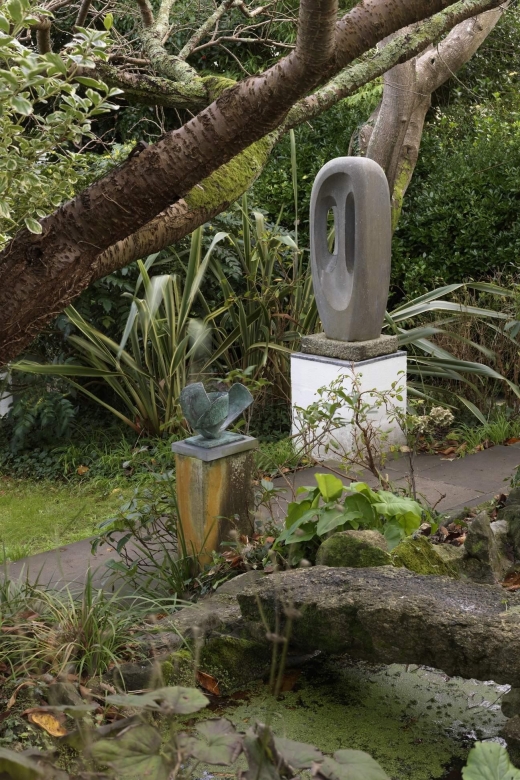
Barbara Hepworth’s former home gives you something a standard gallery cannot: her sculptures remain in the rooms and garden where her life and work unfolded. You begin with archive photographs and career material, then move through her old living area before stepping outside among larger works and subtropical planting.
I especially like the close link between the art and the place, and the way the garden gives the sculptures room to breathe. The friendly staff and clear information also help you understand Hepworth’s life and her connection with Ben Nicholson. The main drawback is size: this is an intimate site, not a full-day museum, and there is no café or refreshment facility.
Key points to know before you go
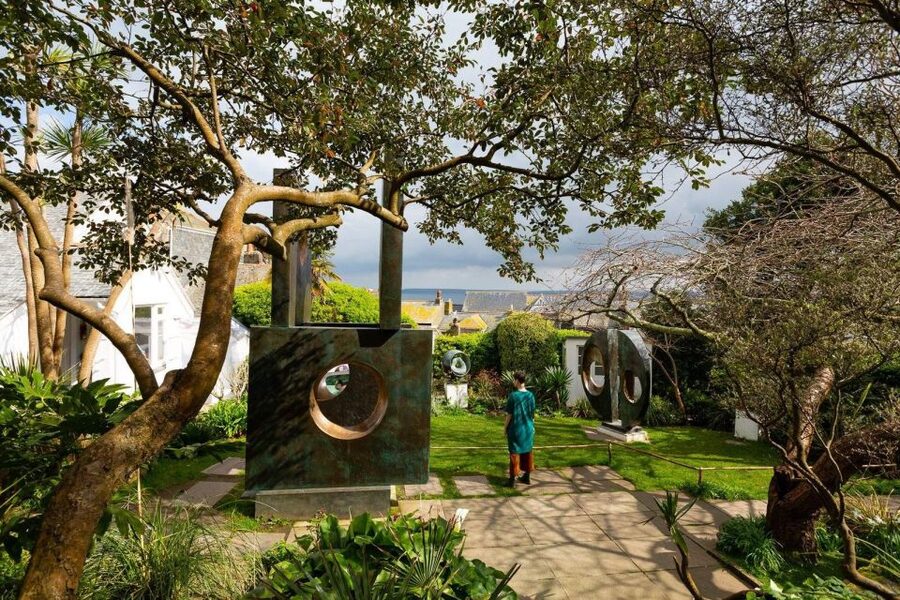
- See Hepworth’s original home and garden: The site remains largely as it was when she lived and worked in St Ives.
- Start with the archive display: Chronological photographs and objects help place the artwork in the story of Hepworth’s career.
- Compare indoor and outdoor sculpture: Smaller works, paintings, and drawings lead to larger pieces in the garden.
- Allow about an hour: The ticket is valid for one day, but the museum and garden are relatively compact.
- Expect a quiet, intimate visit: Entry is limited to a small group of up to nine people.
- Plan around the limited facilities: There is one toilet, no café, and only a small souvenir range.
Why Barbara Hepworth’s home feels different from a gallery
Barbara Hepworth Museum and Sculpture Garden is not simply a room full of modern art. It is the former home and workplace of one of Britain’s best-known sculptors, and that changes the way you see the work.
At a large gallery, a polished sculpture can feel separated from daily life. Here, the setting gives you clues. You see pieces in her former living area, then walk outside to works placed among plants and walls. The arrangement connects art with the ordinary spaces where Hepworth lived, thought, and worked.
I find that especially useful if modern sculpture seems hard to approach. You do not need a background in art theory to notice the contrast between the quiet indoor rooms and the larger outdoor pieces. You can look at shape, balance, openings, texture, and the way sunlight changes the work.
The site has been kept close to its original character. That is its greatest strength, but it also means you should not expect a large modern visitor center, a spacious café, or a long sequence of galleries. The appeal is personal scale and atmosphere rather than quantity.
More museums and galleries in Britain:
- Liverpool: Liverpool Football Club Museum and Stadium Tour
★ 4.8 · 10,764 reviews - London: Chelsea Football Club Stadium and Museum Tour
★ 4.8 · 4,576 reviews - London Transport Museum Entrance Ticket
★ 4.5 · 1,323 reviews
Begin with the archive photographs and career material
Your visit starts in the admission area, where you can see chronological photographs and artefacts connected with Hepworth’s career. Do not rush this section. It gives you a useful timeline before you reach the sculpture rooms.
The photographs help show how her work developed and how her artistic life was tied to St Ives. They also provide context for the people and places connected with her career. Information about Ben Nicholson is part of that story, and the material helps you understand the artistic circle surrounding Hepworth.
I like this opening because it prepares you to look rather than simply walk from object to object. The archive section is not described as a huge collection, but it gives the visit a clear starting point. You can see the person behind the famous name before meeting the work itself.
The staff are another plus here. Their approach is friendly and easy to talk to, and the information is presented in a way that makes Hepworth’s life easier to follow. If you have questions, this is the part of the visit where staff assistance can be most useful.
Upstairs among the paintings, drawings, and smaller sculptures
From the admission area, you head upstairs into the museum section, located in Hepworth’s former living area. This is where you see a selection of her abstract sculptures along with paintings and drawings.
The word selection matters. This is not intended to be a complete survey of every period and medium in Hepworth’s career. Instead, it gives you a focused look at work displayed within her own domestic surroundings.
That setting can make the pieces feel less formal. You are not walking through a huge white gallery with dozens of objects competing for attention. You can spend time with each work and notice how the room, light, and scale affect your response.
If you are new to Hepworth, pay attention to the relationship between solid form and open space. Her abstract work rewards slow looking. Rather than asking what a sculpture represents, try noticing how its curves, gaps, and surfaces guide your eye.
The paintings and drawings add another layer. They let you compare two-dimensional studies with the finished sculptural forms. I find these supporting works valuable because they make the creative process easier to imagine without needing a formal lecture.
The upstairs rooms are also part of the experience in their own right. You are seeing art in the former living area of the artist, not just art labelled with a name and date. That personal setting is one reason the visit feels more intimate than a standard museum stop.
Step outside into the sculpture garden
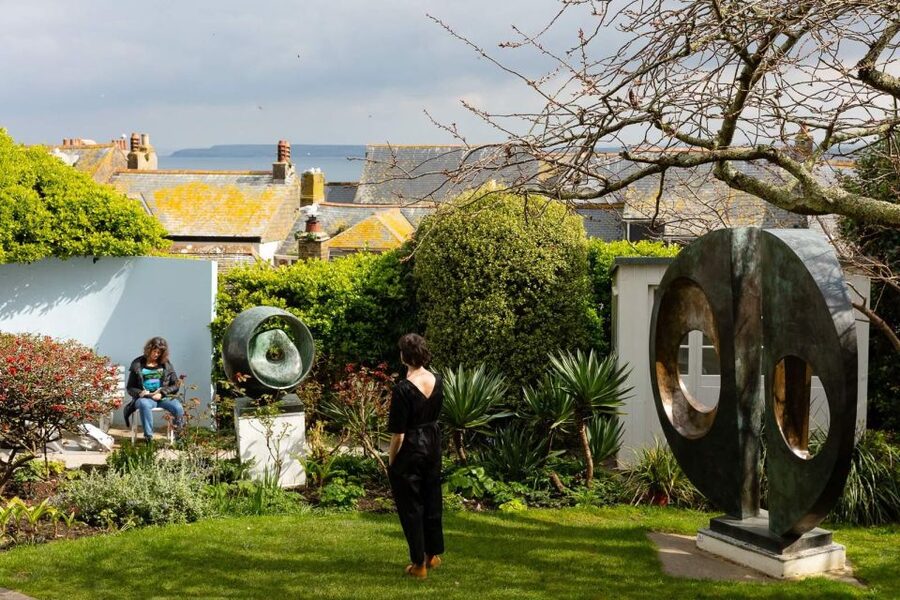
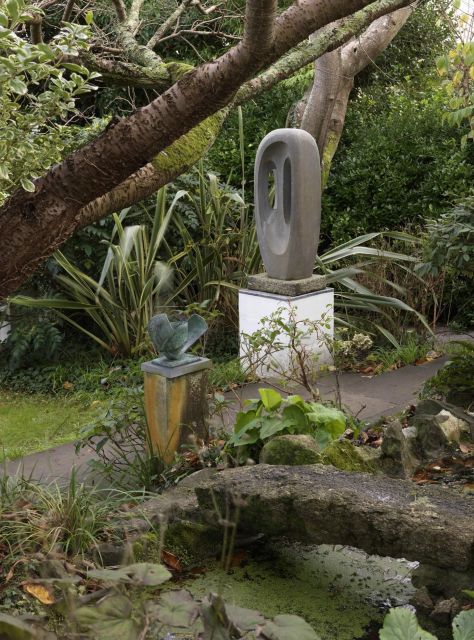
The garden is the main event for many visitors. After the indoor rooms, you step outside to see larger-scale works placed among subtropical planting.
The plants are not just decoration. They soften the surroundings and create changing views of the sculptures. A work that feels compact indoors can gain weight and presence outside, while another may seem lighter against leaves, sky, and open space.
The subtropical garden also gives you a pleasant break from close indoor viewing. You can move at a slower pace, look back at pieces from different angles, and notice how the setting changes their appearance. The combination of sculpture and garden design is one of the most praised parts of the experience.
I would give yourself time here, even if you are mainly visiting for Hepworth’s art. The garden is compact, but it is not something to hurry through. The work is positioned as part of the space, so the best view is not always the first one you see.
The garden also shows why preserving the original site matters. The sculptures are not merely placed in a convenient outdoor display area. They are shown in a setting linked to Hepworth’s own life and practice, which adds meaning without requiring a long explanation.
Same city, a completely different sort of afternoon:
- London: The London Eye Entry Ticket
★ 4.6 · 35,875 reviews - From London: Harry Potter Warner Bros Studio Tour
★ 4.7 · 26,588 reviews - London: Westminster to Greenwich River Thames Cruise
★ 4.5 · 22,836 reviews - Magical London: Harry Potter Guided Walking Tour
★ 4.7 · 22,044 reviews
Look for the work studios and the sense of daily life
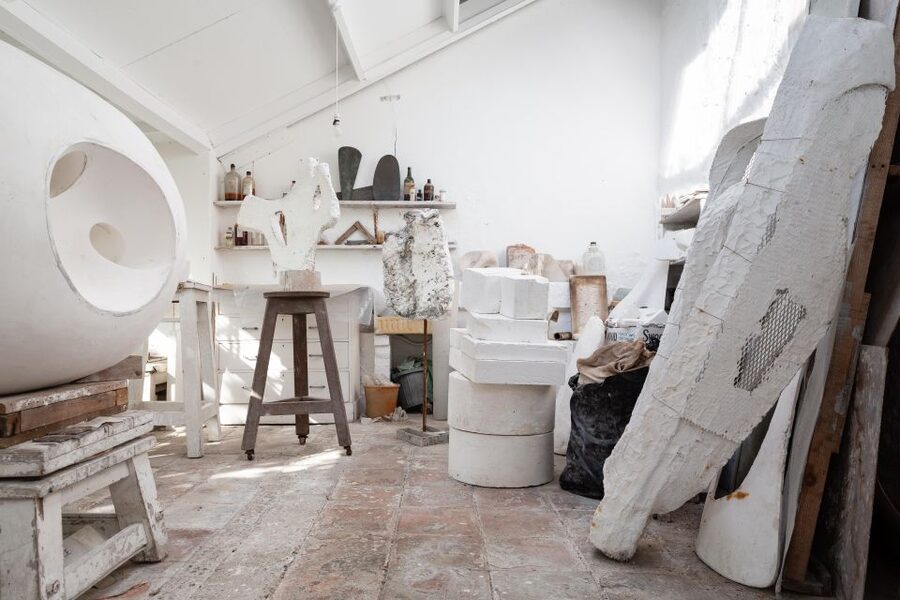
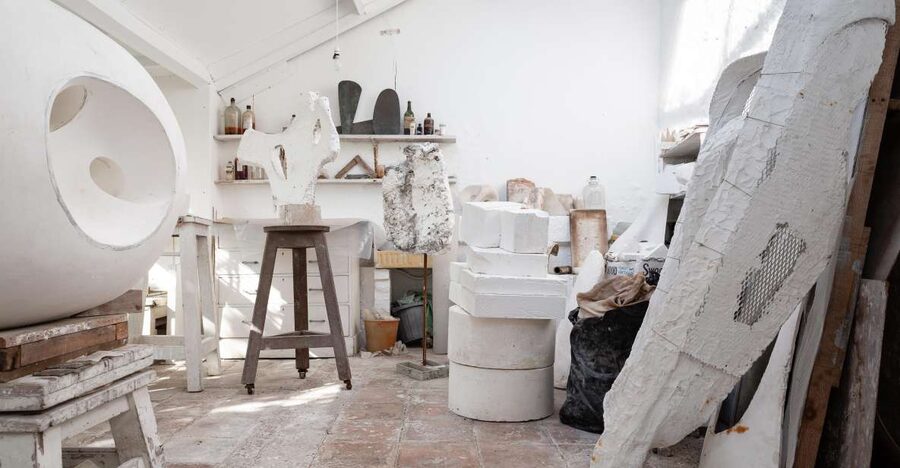
The ticket includes views of Hepworth’s work studios. These spaces help bridge the gap between the finished sculpture and the physical act of making it.
You may find the studios especially interesting if you want to understand how an artist’s surroundings shape the work. Even a brief view can make the pieces in the museum and garden feel less distant. The studios remind you that these objects began as hands-on work in a real working environment.
Because the site is largely unchanged, the visit has a preserved-home quality. You are not entering a newly designed exhibition venue built to imitate a historic setting. You are seeing a place kept close to the way it was when Hepworth lived and worked there.
That authenticity comes with limits. Rooms and passageways are relatively small, and the experience is not designed for large crowds moving freely in every direction. Entry is described as a small-group experience, with numbers limited to nine participants, which should help keep the visit manageable.
How long should you plan for the visit?
The ticket is valid for one day, but you probably will not need a full day at the museum itself. A visit of about an hour is a sensible starting point, especially if you move steadily through the archive, indoor collection, studios, and garden.
You can spend longer if you like reading the information, studying the drawings, or taking your time outdoors. Art lovers may want extra minutes in the garden, while someone making a quick St Ives stop can see the main areas without feeling rushed.
The compact size is both a benefit and a limitation. It makes the site easy to fit around other plans, and you do not face the fatigue that can come with a large museum. On the other hand, you should not book it expecting a morning or afternoon packed with galleries.
At $13 per person, I consider the ticket good value for anyone interested in Hepworth, modern art, historic artist homes, or garden design. You are paying for several connected elements: archive material, indoor art, outdoor sculpture, a preserved home, studio views, and the garden. The value is strongest when you appreciate the setting as much as the individual objects.
If your main goal is a café, a large shop, or a broad collection covering many artists, the price may feel less attractive. The souvenir range is limited, and there are no refreshments on site, so plan those needs elsewhere.
Practical details that affect your visit
There is no standard meeting point because this is a site-entry experience rather than a guided walking tour. You enter through the admission area and follow the museum route into the former living spaces and garden.
Food and drinks are not allowed, and there is no café or refreshment service. Do not arrive with a picnic expecting to eat inside. There is only one toilet on site, so this is worth keeping in mind before you begin.
Large bags, oversize luggage, and coolers are not allowed. The site also prohibits professional cameras, tripods, flash photography, drones, bikes, skateboards, skates, mobility scooters, and pets, though assistance dogs are allowed. You must not touch the exhibits, climb, smoke, vape, or bring alcohol.
Wheelchair access is available through a side-street entrance, but you need to arrange this ahead of your visit. Mobility scooters are not permitted. If access is important for you, contact the site before booking so the entrance arrangements are clear.
The experience is not suitable for unaccompanied minors or party groups. That fits the character of the place. This is a quiet museum and garden visit, not a large social attraction.
You can cancel up to 24 hours in advance for a full refund, and you can reserve now while paying later. These options are useful if your St Ives plans depend on weather or changing schedules, though the supplied information says you should check availability for starting times.
What kind of visitor will enjoy it most?
I would recommend this visit first to people who already like Barbara Hepworth or want an approachable introduction to modern sculpture. The preserved home makes the art easier to connect with, and the archive information gives you enough background to look with more confidence.
It also suits garden lovers. The subtropical planting is a major part of the experience, not a small extra behind the museum. If you enjoy seeing art placed outdoors, you may find the garden as memorable as the indoor collection.
The site works well for a short cultural stop in St Ives. You can experience it in roughly an hour, then continue with other plans. The small group size and intimate rooms may appeal to you if you prefer quieter attractions to large institutions.
I would be more cautious if you want a major collection, an extensive art-history survey, or a full day of activities. The museum is deliberately limited in scale. Its strength is focus, not volume.
A few ways to get more from the visit
Start with the archive rather than heading straight outside. The photographs and career material give you a better frame for the works you are about to see.
Inside, take time with both the sculptures and the paintings and drawings. The two forms of work help you see how ideas can move between paper and three-dimensional form.
In the garden, walk around each larger piece when the space allows. The view can change sharply as you move, and the plants create different backgrounds from one angle to the next.
Do not treat the studio views as an afterthought. They are part of the link between Hepworth’s working life and the sculptures on display.
Finally, bring realistic expectations. You are visiting a carefully preserved home, not a large purpose-built museum. The quieter pace, limited facilities, and compact display are central to the experience.
Should you book the Barbara Hepworth Museum and Sculpture Garden?
You should book it if you want to see Hepworth’s work in a personal setting, with her former home, studios, and garden all forming part of the visit. The combination of abstract sculpture and subtropical planting is the real reason to come, and the friendly staff and clear information make the site welcoming even if modern art is new to you.
Skip it if you need a full-day attraction, on-site refreshments, or a large collection with many artists. For most art lovers, garden enthusiasts, and visitors making a short St Ives cultural stop, $13 is a fair price for an intimate and distinctive experience.
FAQ
How long does a visit to the Barbara Hepworth Museum and Sculpture Garden take?
The ticket is valid for one day, but the site is relatively small. Allow about an hour, with extra time if you want to read the archive information and spend longer in the garden.
What does the admission ticket include?
Admission includes Barbara Hepworth’s original home and garden, archive information and images, abstract sculptures, paintings, drawings, subtropical planting, and views of her work studios.
Is the museum wheelchair accessible?
Yes, wheelchair access is available through a side-street entrance. You need to arrange this ahead of your visit.
Are there refreshments at the museum?
No. The site has no café or refreshment facilities, and food and drinks are not allowed. There is also only one toilet on site.
Can I bring a camera or tripod?
Flash photography, professional cameras, and tripods are not allowed. Drones are also prohibited, and you must not touch the exhibits.
Can I cancel my booking?
Yes. You can cancel up to 24 hours in advance for a full refund. A reserve-now-and-pay-later option is also available.
Just added around Britain
- London: Wimbledon Tennis Club and Westminster Walking Tour★ 4.5 · 86 reviews
- London: Westminster to Richmond River Thames Cruise★ 4.8 · 23 reviews
- Winchester: Historic Castles and Cathedrals Walking Tour★ 4.9 · 154 reviews
- Westminster Abbey Skip-the-Line Entry and Private Tour★ 4.6 · 4 reviews
- Best of London by LE GRAND – London’s Luxury Bus Tour★ 4.2 · 23 reviews
- Whitby: Guided Distillery Tour with Gin Tasting★ 5.0 · 28 reviews
- London: Westminster Walking Tour & St Paul’s Cathedral Entry★ 4.7 · 7 reviews
- Warwick: Entry Ticket for Warwick Castle★ 4.7 · 215 reviews
Museums, compared.

Liverpool Football Club Museum and Stadium Tour
Read our review →
Chelsea Football Club Stadium and Museum Tour
Read our review →




British Museum Audio Tour & Priority Entrance Ticket
Read our review →Browse the lists this tour appears in