
Reviewed · MUSEUMS
Hadrian’s Wall: Chesters Roman Fort and Museum Entry Ticket
Chesters Roman Fort gives you something rare on Hadrian’s Wall: a clear look at both military life and Roman comfort. The fort’s bathhouse survives unusually well, with rooms for hot, cold, and steam bathing beside the North Tyne. It is an easy place to picture cavalrymen from northern Spain washing off the dust after duty.
I like the included e-reader, which puts facts beside you as you walk, and I like the digital reconstructions showing how barracks and other rooms once looked. The main drawback is scale: if you expect a large, fully rebuilt Roman site, the ruins may feel modest, especially at the $13 entry price.
Key points
- Britain’s best-preserved military bathhouse: See the hot, cold, and steam rooms used by Roman soldiers.
- A cavalry fort with a practical layout: Explore the headquarters, courtyard, regimental shrine, barracks, and commandant’s house.
- Digital reconstructions add context: An e-reader helps you picture rooms that now survive only as foundations.
- Clayton Museum adds the human story: View Roman objects and inscriptions found at Chesters and elsewhere along Hadrian’s Wall.
- A calm riverside setting: The bathhouse sits beside the North Tyne, giving the visit a quieter feel than a busy city attraction.
- Useful for families and independent visitors: Pick up the Chesters Fort takeover trail for a more active way to explore.
Why Chesters Is Different From Other Hadrian’s Wall Sites
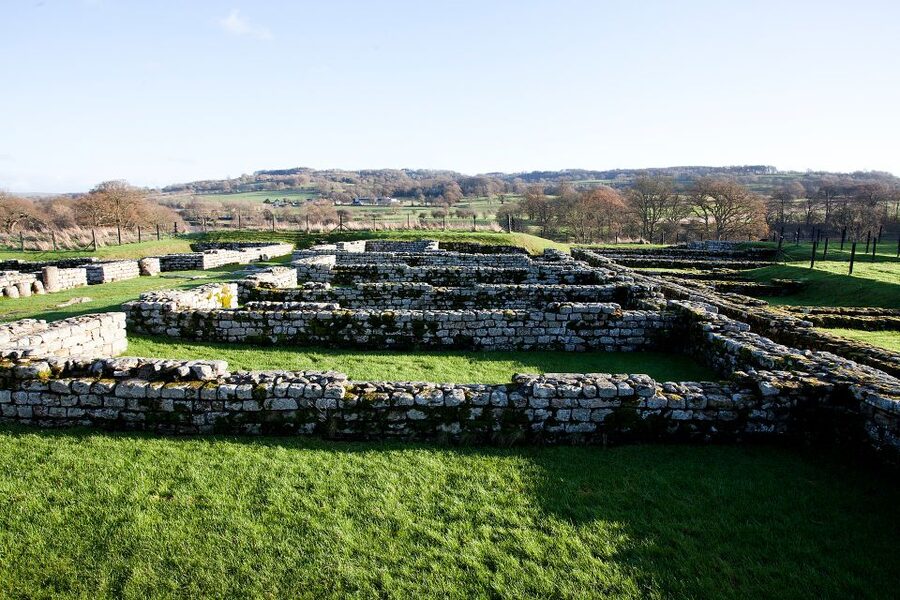
Hadrian’s Wall is not one single monument. It is a long chain of forts, milecastles, roads, museums, and scattered ruins. Chesters is especially useful because it lets you examine a Roman cavalry fort in a fairly complete setting.
The fort once housed mounted troops. That detail changes how you read the ruins. This was not only a defensive post. It had barrack blocks, offices, a headquarters, a shrine, officers’ quarters, and a large commandant’s house. The remains show a working military community with a strong social order.
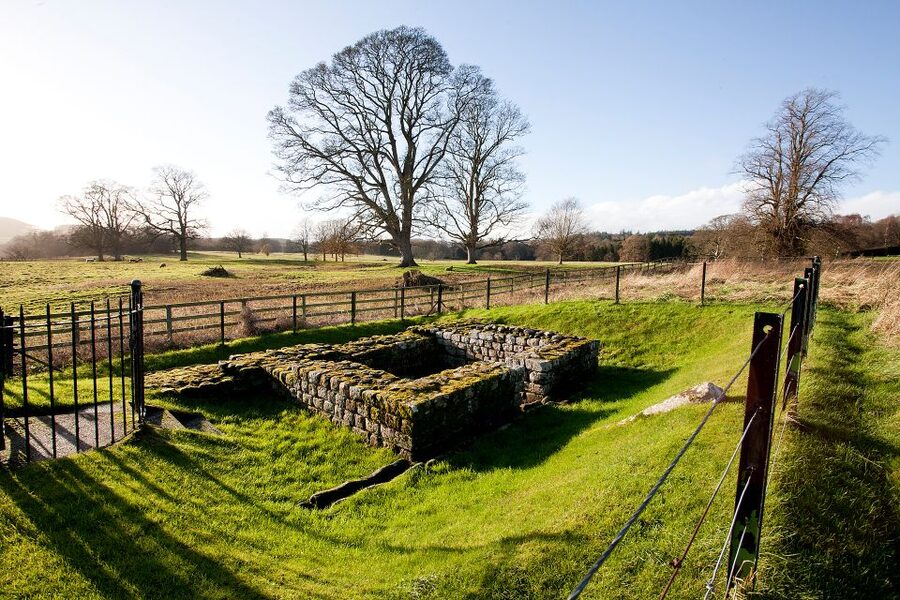
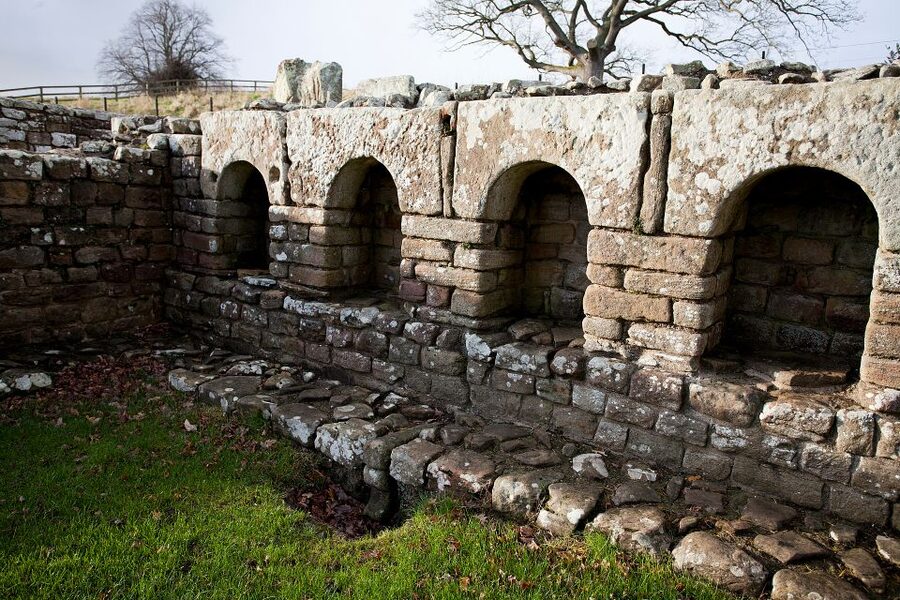
I find the bathhouse the most memorable part. It sits outside the main fort beside the river, in a peaceful spot that feels far removed from modern life. The Roman army often gets presented as endless marching and fighting, but the bathhouse reminds you that soldiers also ate, rested, socialized, and cared about daily comfort.
Chesters is also one of the better stops for visitors who want more than a quick photograph of a wall. You can spend time understanding how the fort functioned, then use the museum to examine small objects that make the Roman period feel less abstract.
More museums and galleries in Britain:
- Liverpool: Liverpool Football Club Museum and Stadium Tour
★ 4.8 · 10,764 reviews - London: Chelsea Football Club Stadium and Museum Tour
★ 4.8 · 4,576 reviews - London Transport Museum Entrance Ticket
★ 4.5 · 1,323 reviews
The Bathhouse Beside the North Tyne
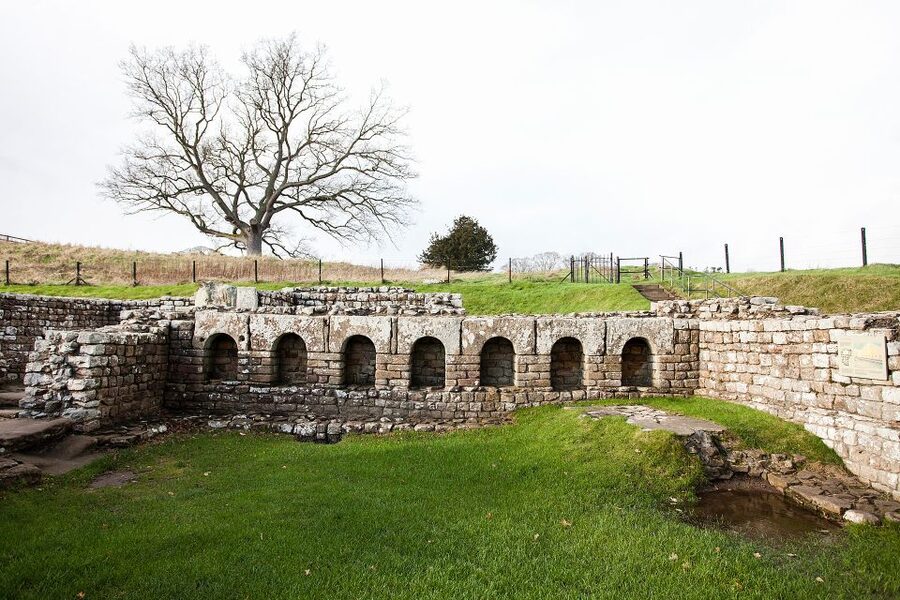
Start with the bathhouse if you want the strongest first impression. Its position by the river is part of its appeal. You can see why this was a place to relax, not merely another military building.
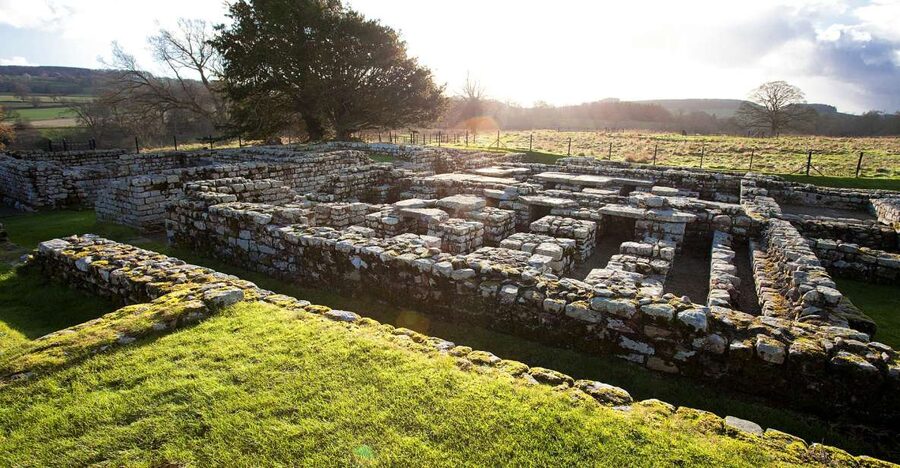
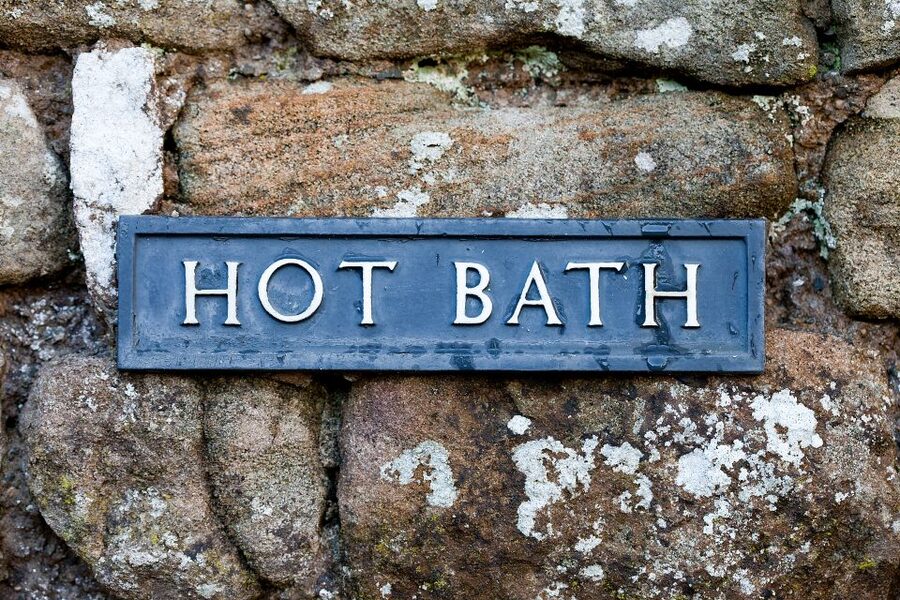
The complex included hot, cold, and steam rooms. Roman bathing was a social activity as well as a way to wash. Soldiers from northern Spain served far from home, and the bathhouse offered a familiar part of Roman life at the empire’s northern edge.
The remains are well preserved enough for you to follow the basic sequence of rooms. You can picture soldiers moving through different temperatures, resting, and talking after work. The stone walls and layout do more here than a pile of loose foundations would.
The bathhouse is not reconstructed, so you need to use the e-reader and your imagination. That is both its strength and its limitation. You get the real Roman masonry, but you will not walk through finished rooms with painted walls or working pools.
Take your time here. The riverside location makes it tempting to rush toward the main fort, but the bathhouse is the place where Chesters feels most distinctive. It is also a good stop for anyone who enjoys architecture, engineering, or the ordinary routines of ancient life.
Walking Through the Cavalry Fort
From the bathhouse, continue around the fort and pay attention to the layout rather than viewing each ruin as an isolated wall. Chesters was designed for order. The placement of the headquarters, barracks, officers’ quarters, and commandant’s house reflects the rank system of the Roman army.
The headquarters building and courtyard were central to administration. This was where the fort’s command structure operated, and the courtyard helps you understand the scale of the central compound. Look for the regimental shrine as part of that military and religious setting.
The barrack blocks are especially interesting because cavalrymen shared them with their horses. That arrangement gives the ruins a practical edge. These were not ordinary sleeping quarters. Men and animals had to be housed, supplied, and managed inside the same military compound.
The digital reconstructions are useful at this point. They help you see how a low stone outline may once have formed a proper room, corridor, or barrack block. You can compare the image on the e-reader with the stones under your feet instead of trying to guess the original shape from the ruins alone.
The headquarters and courtyard may appeal most to visitors who like Roman military organization. If your interest is mainly scenery, the bathhouse and river will probably hold your attention longer. Chesters works best when you give both sides a fair amount of time.
The Commandant’s House and Roman Status
Do not skip the commandant’s house. Its remains suggest a more comfortable and elaborate residence than the ordinary barracks. That contrast is important. The fort was a military post, but it also contained clear differences between the daily lives of ordinary soldiers and senior officers.
The commandant’s home was designed to reflect rank. You can use the digital material to picture a residence with more space and privacy than the shared accommodation elsewhere in the fort. The surviving ruins cannot show every detail, but they make the social hierarchy visible.
I like this part of the visit because it keeps Chesters from becoming only a story about walls and weapons. The site also tells you about power, comfort, and status. A Roman officer at the northern frontier could live quite differently from the men under his command.
The officers’ quarters add another layer. Together, these buildings help you read the fort as a small community rather than a single defensive block. You see administration, religion, work, accommodation, and leisure placed within a carefully organized settlement.
A few more Britain days worth weighing up
- London: The London Eye Entry Ticket
★ 4.6 · 35,875 reviews - London: Tower Bridge Entry Ticket
★ 4.7 · 15,560 reviews - London: Westminster Abbey Entrance Ticket
★ 4.6 · 11,254 reviews - London: St Paul’s Cathedral Entry Ticket
★ 4.7 · 9,813 reviews
The Clayton Museum and Its Edwardian Display Cases
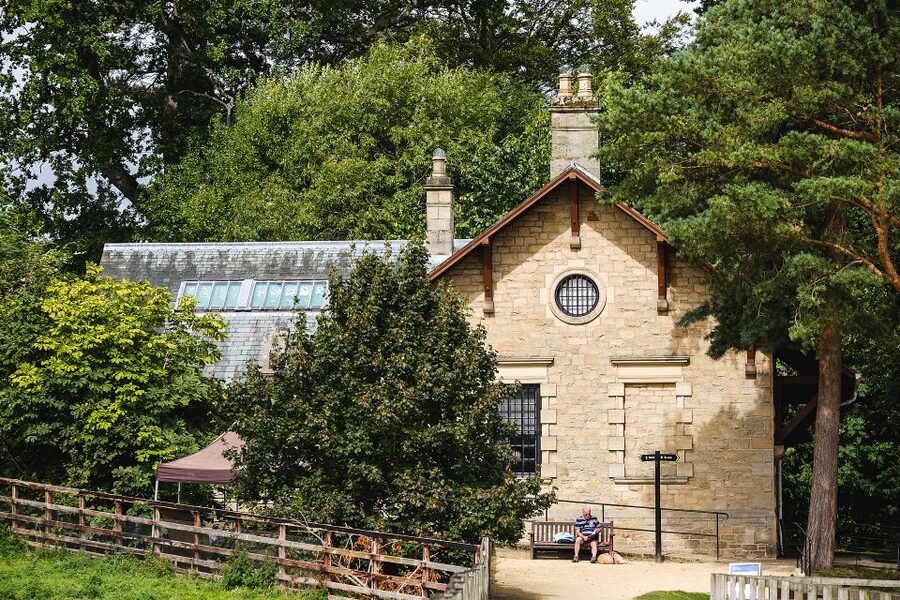
Allow time for the Clayton Museum, especially if the weather turns wet. It contains Roman objects and inscriptions found at Chesters and along Hadrian’s Wall, giving you details that the outdoor ruins cannot provide.
The museum was first opened in 1896 for the Trustees of the Clayton Collection. Many original Edwardian display cabinets remain, which gives the interior a period character of its own. The museum is not just a modern room added beside the ruins. It also reflects the Victorian and Edwardian effort to collect, protect, and explain the remains of the wall.
The museum introduces John Clayton, the Victorian lawyer often linked with the preservation of Hadrian’s Wall. His role is part of the wider story of how the site survived and became accessible to the public. Without that preservation work, many Roman remains along the wall would have been harder to see today.
The objects and inscriptions are valuable because they put names, duties, beliefs, and personal items alongside the larger buildings. A wall can tell you where people lived. An inscription or small object can suggest who they were and what mattered to them.
Pick up the e-reader before exploring the museum and outdoor ruins. Having the information in hand lets you move at your own pace. This is not a guided walking tour with a named guide, so the e-reader provides much of the interpretation.
How Long You Need at Chesters

Your ticket is valid for one day, but that does not mean you need a full day unless you want a slow visit. The fort, bathhouse, museum, and main ruins can be seen in a shorter visit, while extra time is useful for reading displays and using the digital reconstructions.
I would allow enough time to avoid treating Chesters as a rushed stop between other wall sites. The United States visitor who used Chesters as a starting point for several other Hadrian’s Wall locations found it a useful base for getting oriented. That makes sense: the fort gives you context before you see more fragmentary remains elsewhere.
Your schedule matters because the last entry time changes by season. From April 1 through October 29, last entry is at 4:00 PM. From October 30 through March 31, last entry is at 3:00 PM.
Do not arrive near the cutoff and expect a leisurely visit. The bathhouse, museum, and fort are separate parts of the site, and you will get more from them if you have time to read and look carefully.
The Tearoom and Northumbrian Stottie Cake
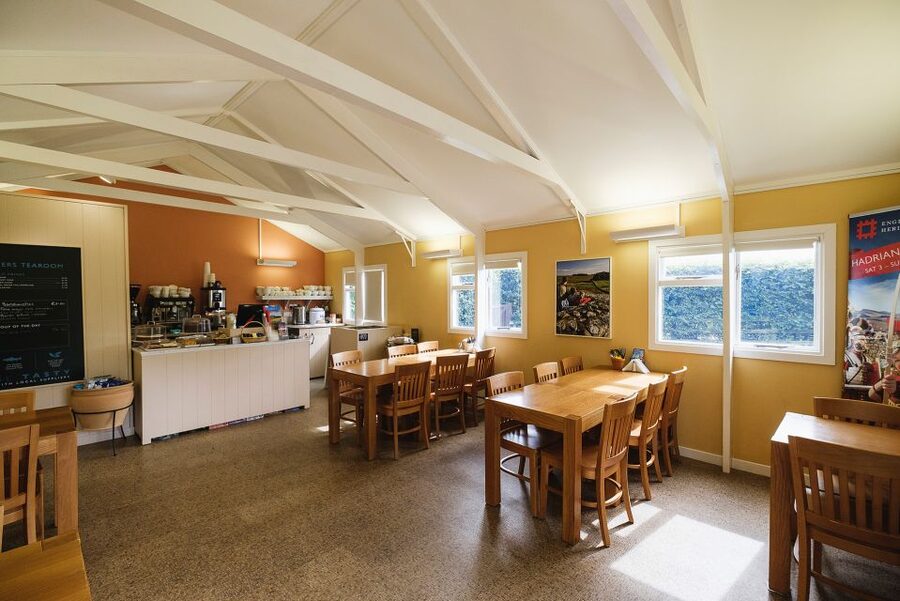
The Chesters tearoom gives you a convenient place to pause after the ruins. It serves light lunches made with locally sourced ingredients, along with hot and cold drinks and sweet treats.
Try a traditional stottie cake if you want a local food detail rather than a generic snack. It is a distinctly Northumbrian choice and fits the regional character of the visit.
The tearoom matters because Chesters is a rural historic site, not a city museum surrounded by restaurants. Having food and drinks on site makes it easier to build the visit into a longer stop. Still, the information provided does not give a full menu or serving schedule, so do not plan an elaborate meal around it.
Price, Value, and What You Actually Get
The listed price is $13 per person for entry to Chesters Roman Fort and Museum. That is a reasonable price if you appreciate Roman archaeology and plan to use the e-reader, museum, and digital reconstructions rather than making a quick circuit of the ruins.
The value is less convincing if you only want a brief look at stones. One British booking at a different total price felt the admission and parking cost were not worthwhile, and that criticism is useful. Chesters is not a large reconstructed attraction with constant activity. Its value depends on how much you enjoy reading a site and filling in missing details.
You are paying for access to several connected parts of the Roman settlement:
- The unusually well-preserved bathhouse
- The main fort and cavalry buildings
- The commandant’s house and officers’ quarters
- The Clayton Museum
- The e-reader and digital reconstructions
- The family takeover trail, if you choose to use it
For an adult interested in Hadrian’s Wall, that is a solid package. For a family that wants hands-on entertainment, the trail can help, but the site remains an archaeological ruin. Children who need constant activity may lose interest.
The ticket is valid for one day, and free cancellation is available up to 24 hours before the visit for a full refund. You can also reserve now and pay later, which helps if your Hadrian’s Wall plans depend on weather.
Who Will Enjoy Chesters Most
I would recommend Chesters to anyone who wants a clear introduction to Roman military life along Hadrian’s Wall. The fort is particularly good for people interested in architecture, army organization, bathing culture, Roman inscriptions, and the preservation of historic sites.
It also suits independent visitors. You can explore without keeping up with a guide, and the e-reader lets you choose how much detail you want. A small group option is available, but the main experience is an entry visit rather than a fixed, guide-led tour.
Families should pick up the Chesters Fort takeover trail at admission. It gives younger visitors a reason to look closely at the buildings and follow a task rather than simply walking past ruins.
You will need weather-appropriate clothing and comfortable shoes. This is an outdoor archaeological site, and the experience depends on walking between the main areas. The attraction is wheelchair accessible, though the supplied information does not describe the surface or conditions at each ruin, so you may want to check directly if you have specific mobility needs.
Should You Book Chesters Roman Fort?

Book it if you want one of the clearest Roman fort visits on Hadrian’s Wall, especially if the bathhouse appeals to you. The riverside setting, cavalry layout, museum, and digital reconstructions give you several ways to understand the site.
Skip it if you want a fully rebuilt Roman town, a guided performance, or a long list of interactive attractions. The ruins require attention, and the price will feel high if you only plan a quick walk around the walls.
For most history-minded visitors, Chesters is worth adding to a Hadrian’s Wall day. Arrive well before the seasonal last-entry time, begin with the bathhouse, use the e-reader as you move through the fort, and leave time for the museum. That approach gives you the best chance of seeing why this particular Roman outpost remains so memorable.
FAQ
Where is Chesters Roman Fort?
Chesters Roman Fort is in Northumberland, United Kingdom, along Hadrian’s Wall.
What does the ticket include?
The ticket includes entry to Chesters Roman Fort and the Clayton Museum.
How long is the ticket valid?
The ticket is valid for one day.
What is the last entry time in summer?
From April 1 through October 29, the last entry time is 4:00 PM.
What is the last entry time in winter?
From October 30 through March 31, the last entry time is 3:00 PM.
Is Chesters Roman Fort wheelchair accessible?
Yes, the experience is listed as wheelchair accessible.
What should I bring?
Bring weather-appropriate clothing and comfortable shoes.
Is there food available at Chesters?
Yes. The Chesters tearoom serves light lunches, sweet treats, and hot and cold drinks. A traditional Northumbrian stottie cake is also available.
Just added around Britain
- London: Wimbledon Tennis Club and Westminster Walking Tour★ 4.5 · 86 reviews
- London: Westminster to Richmond River Thames Cruise★ 4.8 · 23 reviews
- Winchester: Historic Castles and Cathedrals Walking Tour★ 4.9 · 154 reviews
- Westminster Abbey Skip-the-Line Entry and Private Tour★ 4.6 · 4 reviews
- Best of London by LE GRAND – London’s Luxury Bus Tour★ 4.2 · 23 reviews
- Whitby: Guided Distillery Tour with Gin Tasting★ 5.0 · 28 reviews
- London: Westminster Walking Tour & St Paul’s Cathedral Entry★ 4.7 · 7 reviews
- Warwick: Entry Ticket for Warwick Castle★ 4.7 · 215 reviews
Museums, compared.

Liverpool Football Club Museum and Stadium Tour
Read our review →
Chelsea Football Club Stadium and Museum Tour
Read our review →




British Museum Audio Tour & Priority Entrance Ticket
Read our review →Browse the lists this tour appears in