

Reviewed · BRITISH MUSEUM TOURS
London: British Museum Highlights Guided Small Group Tour
The British Museum can feel like an entire city devoted to the human past. This small-group highlights tour gives you a sensible route through that enormous collection, from the Rosetta Stone and Assyrian lion hunts to Samurai armor and the Lewis Chessmen.
I like the sharp focus and the guides’ ability to turn objects into stories. Guides such as James, Andy, Sasha, Stef, and Sheldon have been praised for making complex history clear, funny, and engaging for teenagers as well as adults. The main drawback is time: 2 to 2.5 hours is only enough for a selection, so you will need to return on your own if you want a fuller visit.
Key points at a glance
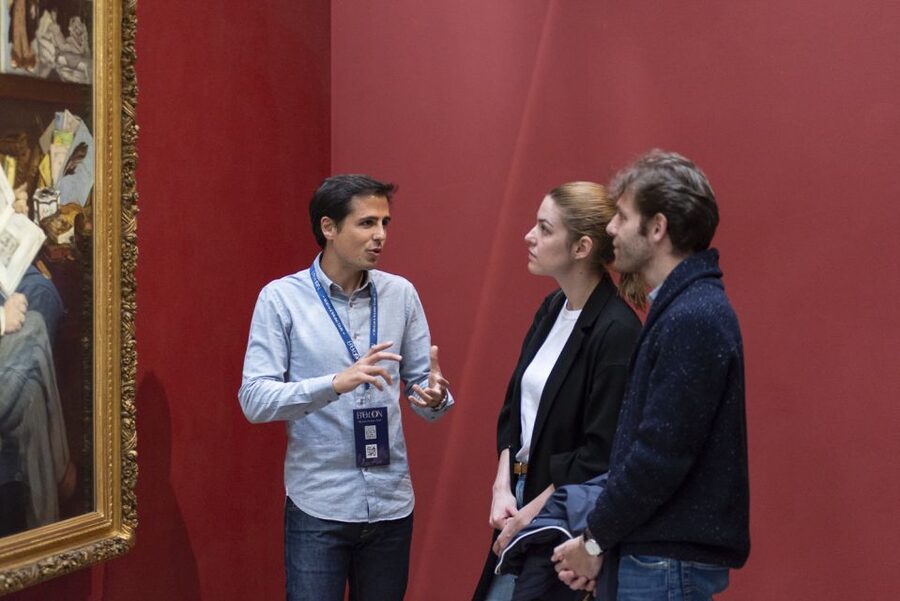
- The Rosetta Stone in person: See the actual inscribed stone that helped scholars read Egyptian hieroglyphs.
- A route through six millennia: Move between ancient Egypt, Assyria, Greece, Britain, Persia, Mesopotamia, and Japan.
- Small groups of up to eight: A semi-private format makes it easier to hear the guide and ask questions.
- Stories, not just labels: Guides explain why objects mattered, how they were used, and what they reveal about the people who made them.
- Useful for families: The lively approach has worked well for children and teenagers, especially when the guide connects history to memorable details.
- A focused first visit: If the museum feels too large to tackle alone, this tour gives you a clear starting point.
Why a guide helps inside this enormous museum

The British Museum holds objects from around 6,000 years of human history. That scale is both its great strength and its main problem. You can walk through room after room and still leave without understanding how the pieces fit together.
I like that this experience does not try to show you everything. Instead, the guide picks major objects that represent different cultures, periods, and human achievements. The point is not to race past hundreds of cases. It is to spend useful time with a smaller number of objects and understand why they matter.
That approach has a practical benefit. On your own, you might spot the Rosetta Stone but miss the connection between its three scripts and the work of decoding ancient Egyptian writing. You might admire the Parthenon sculptures without knowing how they reached Britain or why their ownership remains debated. A guide supplies the background that museum labels often cannot provide in a few lines.
The best guides also adjust their style to the group. Andy has been praised for combining academic depth with vivid storytelling, while Stef and Sasha brought humor and enthusiasm to the objects they presented. Luis made the tour work for adults and children aged eight and thirteen, and Ivo built a route that kept both children and adults interested.
More Museum Tours in London
- London: Chelsea Football Club Stadium and Museum Tour
★ 4.8 · 4,576 reviews - London: British Museum Guided Tour
★ 4.3 · 1,182 reviews - London: Jack the Ripper Museum Tickets
★ 4.2 · 894 reviews
Starting with the world-famous Rosetta Stone
The Rosetta Stone is the obvious anchor for a British Museum visit, and this tour normally includes it if the object is not on loan or being restored. You see the real stone, not the language-learning software that shares its name.
Its importance comes from the writing on its surface. The same decree appears in three scripts, giving scholars the key they needed to make progress with Egyptian hieroglyphs. Your guide can turn what might look like a dark, worn slab into a story about language, scholarship, and the recovery of a lost written world.
The stone is also a good early stop because it sets up a theme that runs through the whole tour: human beings leave clues behind. Some clues are written records. Others are carved images, burial objects, games, armor, or treasure.
The room can attract serious attention, so a small group helps. You have a better chance of hearing the explanation without being separated from your party. Still, do not expect a long private viewing. The museum is popular, and the stone is one of its best-known objects.
Assyrian kings, lions, and royal power
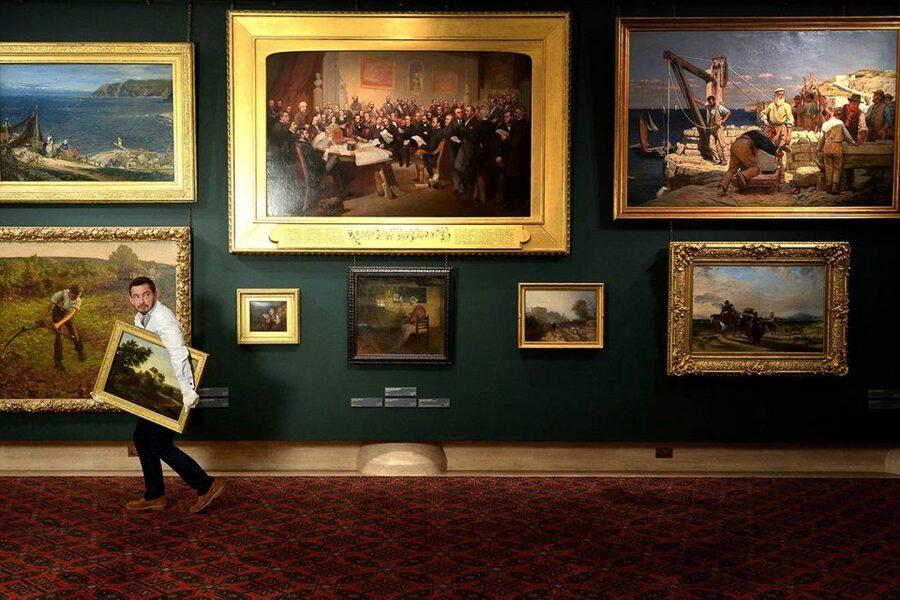
The Assyrian lion hunt reliefs offer a very different kind of historical evidence. These carved panels show royal hunts with striking detail, including the movement and suffering of the lions. Your guide explains how the scenes present the king as a powerful ruler who controls both nature and society.
This is one of the tour’s strongest stops for anyone who likes art with a clear political message. The reliefs are not simple hunting pictures. They tell you how an empire wanted its ruler to be seen.
I find these panels especially useful after the Rosetta Stone because they show another way of recording the past. Instead of words on a stone, the Assyrians used images carved into palace walls. You can compare the formal presentation of royal power with the very human details in the animals’ bodies and expressions.
The guide’s storytelling matters here. Without context, the reliefs can become another series of impressive carvings. With context, you begin to read them as propaganda, royal ceremony, and evidence of ancient artistic skill.
The Parthenon sculptures and the museum’s difficult questions
The Parthenon sculptures are among the British Museum’s most famous holdings. They show scenes and figures connected with the temple built on Athens’ Acropolis, and they demonstrate the technical skill of classical Greek sculptors.
A short guided visit cannot cover every argument surrounding the sculptures, but a good guide can explain why they are important and why their presence in London remains controversial. Emily was specifically appreciated for speaking frankly about less flattering parts of British history and the way objects came to the museum. That kind of honesty improves the experience.
You should not treat this stop as only an art lesson. It is also a chance to think about collecting, empire, ownership, and the duties of a modern museum. The British Museum presents objects from many parts of the world, and that global collection brings difficult questions along with great beauty.
The practical limitation is time. The sculptures deserve patient attention, and the tour has many other stops. You will get an introduction and useful context, not a full seminar on ancient Athens or the ownership debate.
More guided runs through the British Museum:
- London: Tour of the British Museum
★ 4.1 · 678 reviews - London: British Museum Audio Tour & Priority Entrance Ticket
★ 4.5 · 631 reviews - Afternoon Tea at the British Museum
★ 4.2 · 511 reviews - London: British Museum Guided Tour
★ 4.5 · 267 reviews
The Lewis Chessmen and the human side of history
The Lewis Chessmen are small medieval gaming pieces found on the Isle of Lewis in Scotland. Their carved faces make them unusually easy to connect with. Some look stern, some anxious, and some almost comical.
They are a fine reminder that museum history is not only about kings, battles, and monuments. People also played games, displayed status, entertained themselves, and made objects for daily use. The chessmen let your guide talk about medieval society through a group of pieces that feel surprisingly personal.
This stop often works well with families. Children can look closely at the figures and imagine how the game was played, while adults can consider trade, craft, and social rank. The object is approachable without being shallow.
Because the chessmen are small, a large crowd can make the display harder to appreciate. A small group and a guide who positions everyone well are useful here. You may still want to return later for a slower look.
The Oxus Treasure and a wider view of the ancient world
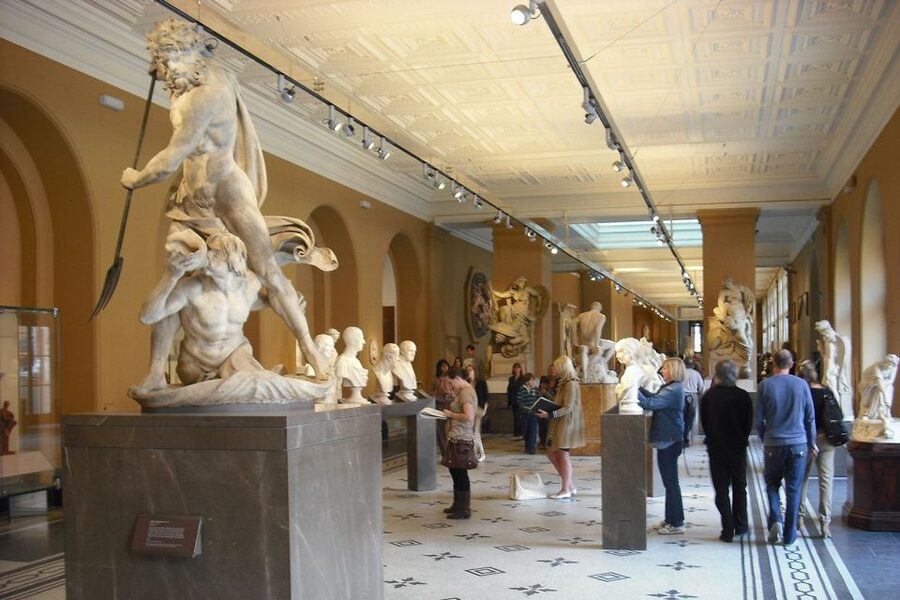
The Oxus Treasure gives the tour a chance to move beyond the most familiar Egyptian, Greek, and Roman material. The collection includes precious objects associated with the ancient Persian world, showing skilled metalwork and the movement of ideas across Central and Western Asia.
This is an important inclusion because many first-time visits to the British Museum concentrate on the best-known European and Egyptian displays. The Oxus Treasure broadens the picture. It shows that large, organized societies and advanced artistic traditions developed across many regions.
Your guide can help you look past the shine of gold and decorative objects. Ask what the pieces tell you about religion, status, trade, and the people who owned or deposited them. The value of this stop lies in the connection between objects and the wider networks that carried materials and ideas across long distances.
The collection is also a good example of why the museum can overwhelm you. Each display opens another chapter. A guide keeps the story moving and helps you understand why this group of objects earned a place on a two-hour route.
More highlights: Egypt, Mesopotamia, and Japan
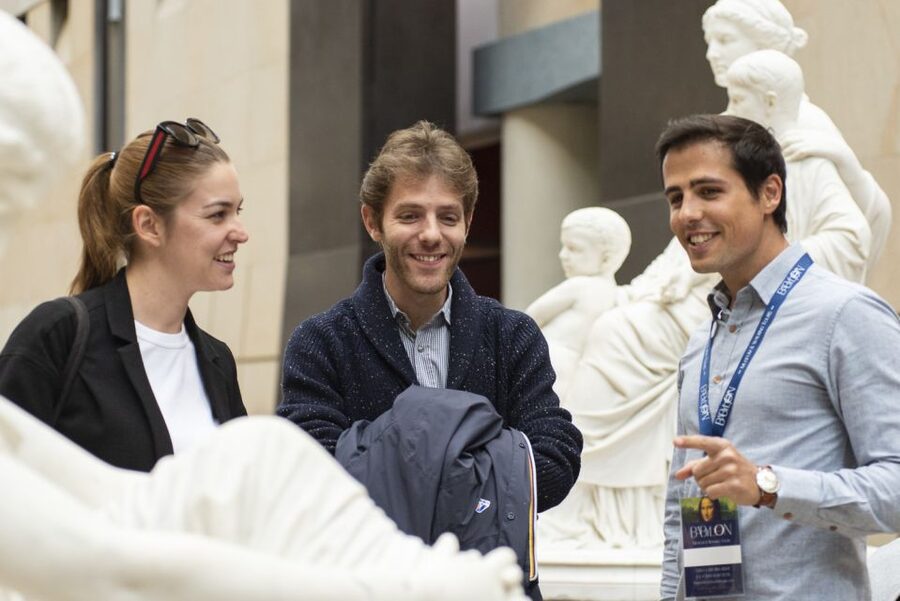
The advertised route may also include the Royal Game of Ur, the Mummy of Katebet, and Samurai armor, provided the objects are available. The exact selection can change if an item is on loan, being restored, or otherwise unavailable.
The Royal Game of Ur shows a very old form of leisure and competition. It helps break the idea that ancient societies were concerned only with survival, rulers, and religion. People played, strategized, and made time for recreation thousands of years ago.
The Mummy of Katebet brings the Egyptian galleries back to individual experience. Rather than seeing ancient Egypt only through monumental architecture, you encounter the remains and burial equipment connected with one person. A guide can explain what the mummy and its associated objects reveal about belief, identity, and preparation for the afterlife.
Samurai armor shifts the mood again. The armor is visually striking, but the guide can also explain how it relates to rank, warfare, craftsmanship, and the image of the warrior. It gives the tour a strong East Asian element and helps prevent the route from becoming narrowly focused on Europe and Egypt.
You will not see every important room. That is not a fault so much as the necessary trade-off. The value comes from connecting a handful of objects across several cultures rather than walking through the whole museum without a plan.
What the guiding style is really like
The strongest part of this experience is the human explanation. Guides have been praised for being friendly, funny, organized, and able to include the group in discussion. That combination matters in a museum, where too much information can quickly become tiring.
I would expect a serious approach to the subject, but not a dry lecture. The tour description promises discussion of forgotten empires and early societies, while the feedback points to guides who use humor and side details to hold attention. James, Andy, Stef, Sasha, Luis, and Sheldon are among the guides singled out for making objects easier to understand.
The guide also helps with physical movement through the museum. One party valued Luis’s ability to steer the group through crowded galleries while still giving enough time with each object. That is a real benefit. The British Museum is large, and a clear route saves energy.
The trade-off is that a guide may spend several minutes on one object when you would prefer to see three others. One person wanted another half hour and more highlights, while another liked focusing on fewer pieces in greater detail. If you prefer a quick checklist, the pace may feel deliberate. If you want meaning and context, it should suit you well.
Is $112 a fair price?
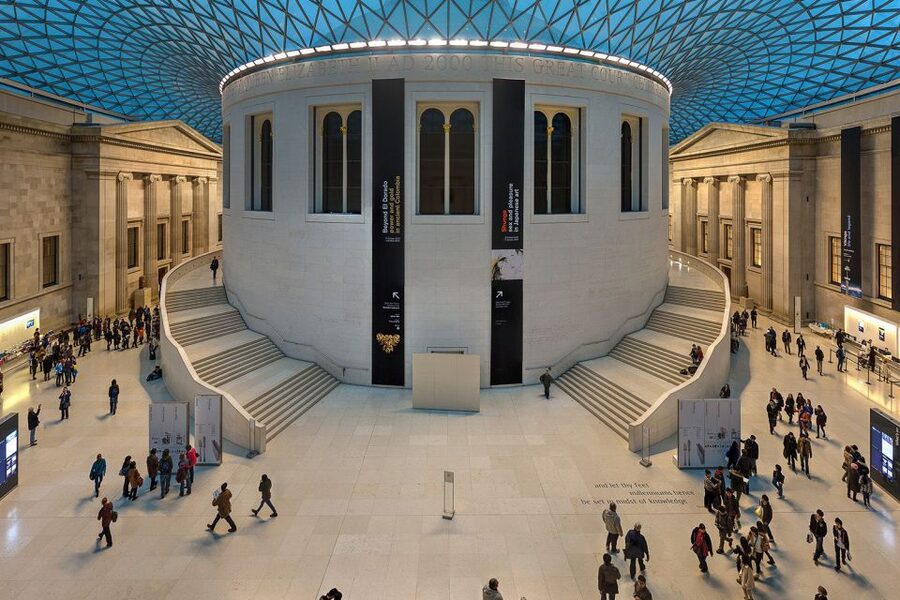
At $112 per person, this is not a budget museum visit. The British Museum is the sort of place you can approach independently, so the price needs to buy more than entry and a walk through familiar rooms.
The value is strongest if this is your first visit, your time in London is limited, or you feel lost in very large museums. You are paying for a professional local guide, a planned route, explanations, and the chance to ask questions in a private or semi-private setting.
A semi-private group has a maximum of eight people, and at least two people must book for the tour to run. That is a useful middle ground between a large coach-style group and the higher cost of a fully private tour. If you are traveling as a couple or family, you meet the minimum booking requirement, but an alternative date or full refund is offered if the minimum number for a semi-private tour is not reached.
The price is less attractive if you already know the museum well or plan to spend a full day reading every label at your own pace. You might prefer to explore independently and use the money for a longer visit. For a short London stay, though, a focused introduction can be worth the cost.
Timing, bags, and practical details
Plan on 2 to 2.5 hours, with a small amount of walking. The tour is offered daily, but you need to check available starting times when booking.
The meeting point can vary with the option you choose, so check your confirmation carefully. Hotel pickup and drop-off are not included, and neither are food, drinks, or temporary exhibitions.
Bring a passport or other identification. Large bags and luggage are not allowed, so do not arrive with your main suitcase or a bulky day bag.
The tour is in English. Private and semi-private options are available. Wheelchair arrangements require special care: wheelchair tours can be requested as private tours, while the small-group format is not available for people who require a wheelchair. The activity information also lists wheelchair users as not suitable, so contact the provider before booking if access is essential.
Free cancellation is available up to 24 hours before the start time, and you can reserve now and pay later. Those terms are helpful when your London schedule is still changing.
Who should book this British Museum tour?
I would choose this tour for a first-time visitor who wants a clear introduction rather than an unplanned walk through endless rooms. It is also a good fit for families with older children or teenagers, especially if they respond better to stories, questions, and humor than to rows of display cases.
History fans should enjoy the range. The route can move from writing and royal power to games, burial customs, sculpture, treasure, and armor. You get a broad sense of what people have made and believed over thousands of years.
It may be less suitable for someone who wants to focus on one narrow subject, such as Egyptian mummies or Greek sculpture. The tour is designed to cross the collection. It is also not the best choice if you want a slow photographic visit, since the group has a set route and limited time.
If you have already visited the museum alone and felt overwhelmed, this is precisely the kind of experience that can make a second attempt more rewarding. Use the guided portion to understand the major objects, then stay afterward to revisit the rooms that caught your attention.
Should you book it?
Book this British Museum highlights tour if you want the museum to make sense quickly. The strongest reasons are the small group, the wide range of objects, and guides who can explain difficult subjects without turning the visit into a classroom lecture.
Do not book it expecting to see everything. You will see selected highlights, not all five million or more objects, and some listed pieces may be unavailable on the day. At $112, the tour is a premium way to spend a morning or afternoon, but it can be good value when your London time is short and you want context rather than aimless wandering.
For most first visits, I would choose the tour, then leave time afterward to explore one or two galleries at your own speed.
FAQ
How long does the British Museum tour last?
The tour lasts 2 to 2.5 hours.
What language is the tour offered in?
The tour is conducted in English with a live English-speaking guide.
What objects are usually included?
Highlights generally include the Rosetta Stone, Assyrian Lion Hunt reliefs, Parthenon sculptures, Lewis Chessmen, Oxus Treasure, Royal Game of Ur, Mummy of Katebet, and Samurai armor. Objects can be unavailable if they are on loan or being restored.
Is this a private tour or a group tour?
You can book either a private tour or a semi-private tour. Semi-private groups have a maximum of eight people.
How many people are needed for the semi-private tour?
A minimum of two people is required for a semi-private tour to run. If the minimum is not met, an alternative date or full refund will be offered.
Is hotel pickup included?
No. Hotel pickup and drop-off are not included.
Can I bring luggage or a large bag?
No. Luggage and large bags are not allowed. Bring a passport or other identification.
Is the tour suitable for wheelchair users?
Wheelchair tours are available on request as private tours only. The guide cannot provide a small-group tour for guests who require a wheelchair, and the activity is otherwise listed as not suitable for wheelchair users.
Can I cancel the booking?
Yes. You can cancel up to 24 hours in advance for a full refund. You can also reserve now and pay later.
More Museums in London
- London: Paradox Museum Entry Ticket
★ 3.9 · 441 reviews - London: National Gallery Guided Tour with Art Expert Guide
★ 4.7 · 440 reviews - London: Postal Museum Entry Ticket and Underground Rail Ride
★ 4.6 · 363 reviews - London: Royal Museums Greenwich Day Pass
★ 4.5 · 309 reviews
Just added around London
- London: Wimbledon Tennis Club and Westminster Walking Tour★ 4.5 · 86 reviews
- London: Westminster to Richmond River Thames Cruise★ 4.8 · 23 reviews
- Westminster Abbey Skip-the-Line Entry and Private Tour★ 4.6 · 4 reviews
- Best of London by LE GRAND – London’s Luxury Bus Tour★ 4.2 · 23 reviews
- London: Westminster Walking Tour & St Paul’s Cathedral Entry★ 4.7 · 7 reviews
- From London: Oxford, Stratford-upon-Avon & Cotswolds Trip★ 4.5 · 64 reviews
- From London: Warwick, Oxford, Stratford & Cotswolds Day Tour★ 4.0 · 270 reviews
- Warner Bros. Studios and 1-Day London Hop-on Hop-off tour★ 4.7 · 9 reviews
British Museum Tours, compared.



British Museum Audio Tour & Priority Entrance Ticket
Read our review →
British Museum Archaeology Course and Guided Tour
Read our review →
British Museum Guided Tour with Priority Entrance
Read our review →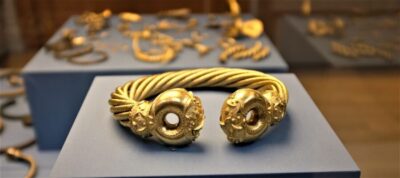
Browse the lists this tour appears in