
Reviewed · MUSEUMS
Sheffield: National Emergency Services Museum Entry Ticket
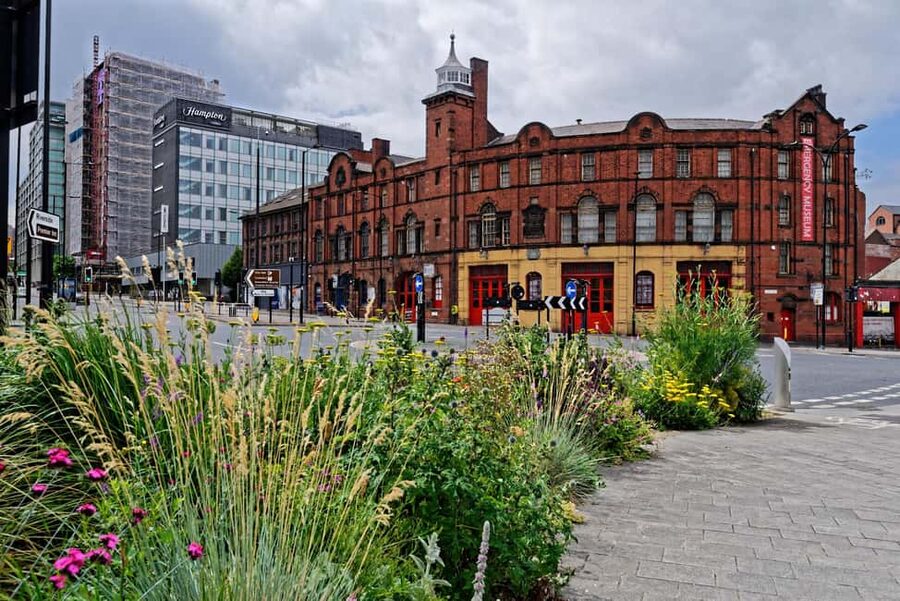
The most unusual thing here is the building itself: a Victorian police, fire, and ambulance station where you can walk through original police cells and an old engine house. Across three floors, the museum links real objects with the everyday work of people who answered emergencies, from vintage police cars to life-saving medical equipment and a 47ft lifeboat.
I like the mix of hands-on exhibits and clear display boards. Children can play and learn without being parked in front of a glass case, while adults get plenty of context about UK emergency services. The main drawback is the old building: it is wheelchair accessible, but some areas may be difficult for visitors with limited mobility.
Key points to know
- Original Victorian setting: Explore former police cells, a fire engine house, and two additional floors.
- A 47ft lifeboat indoors: One of the museum’s largest and most memorable objects.
- Good for mixed ages: Interactive games help children stay involved while adults read the detailed displays.
- Allow a couple of hours: That is enough for a solid visit, though you can take longer if you read everything.
- One-day entry: Your ticket includes all exhibitions, with food and drinks not included.
- Check access needs first: The historic building has some limits for wheelchair users and people with mobility impairments.
A Victorian police, fire, and ambulance station
The museum begins with a sense of place that a modern gallery cannot copy. You are not simply looking at emergency-service objects in a neutral room. You are walking through a former working building designed for police, firefighters, and ambulance crews.
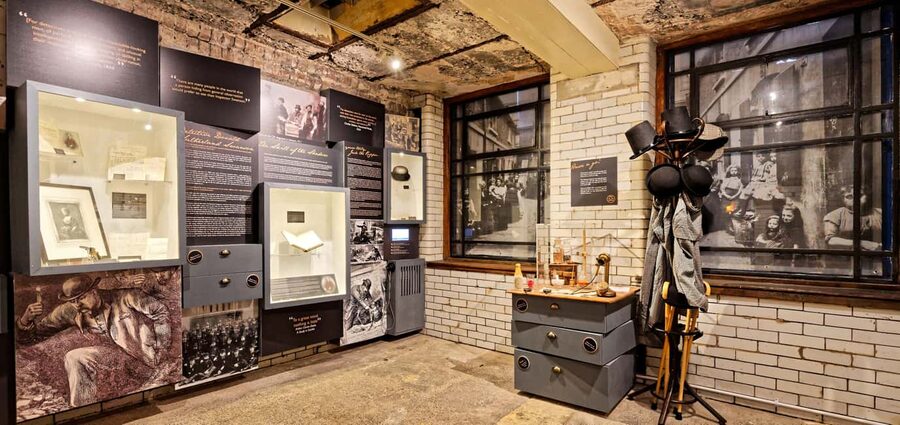
The original police cells give the visit its strongest opening. They are practical, spare spaces, and they help you picture how a police station once operated. For children, the cells are an immediate hook. For adults, they add weight to the displays because the setting is part of the story.
The old engine house brings the fire-service side into view. Even without a large narrated tour, the building helps explain how equipment, vehicles, and crews fitted together. You can take your time, look closely, and move on when your family is ready.
This is a self-guided museum visit rather than a tightly timed tour with a named guide. Staff are English-speaking, and the exhibits provide the main interpretation. That format works well if you have different interests in your group. One person can study a display board while another tries an interactive activity nearby.
More museums and galleries in Britain:
- Liverpool: Liverpool Football Club Museum and Stadium Tour
★ 4.8 · 10,764 reviews - London: Chelsea Football Club Stadium and Museum Tour
★ 4.8 · 4,576 reviews - London Transport Museum Entrance Ticket
★ 4.5 · 1,323 reviews
Three floors of police, fire, and ambulance stories
The museum spreads its material over three floors, so the visit feels larger than the modest ticket price might suggest. The ground-level rooms and original station spaces give you the strongest architectural experience, while the extra floors add more objects, displays, and activities.
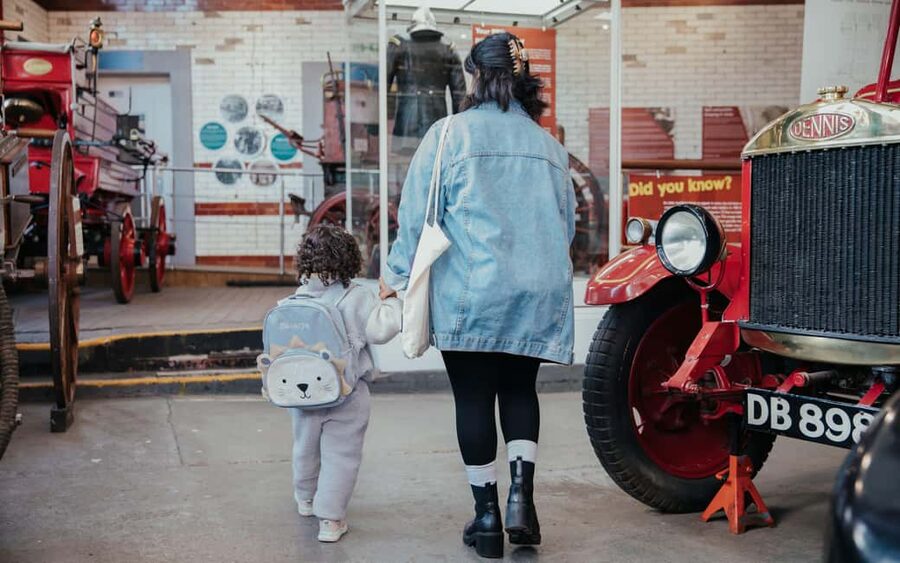
You will find vintage police cars, firefighting archives, and medical equipment connected with emergency care. These items show how tools and working methods changed over time. A vehicle gives you scale and visual impact, while a piece of medical equipment can reveal the practical problems emergency workers had to solve.
The museum also focuses on the people behind the objects. Its central subject is not only machinery. It is courage, service, resilience, and compassion. That human angle helps keep the visit from feeling like a simple collection of old vehicles.
The information boards are worth reading. They are described as highly informative, which matters because hands-on displays can sometimes leave you entertained but uninformed. Here, you can give children a simple activity, then use the nearby text to explain what they are seeing and why it mattered.
I would plan on about two hours for a normal visit. That gives you time to explore the main rooms and let children try activities without rushing. If you read every board carefully, you may want longer. The ticket is valid for one day, so you are not forced into a short, timed circuit.
Police cells, vehicles, and the work of protection
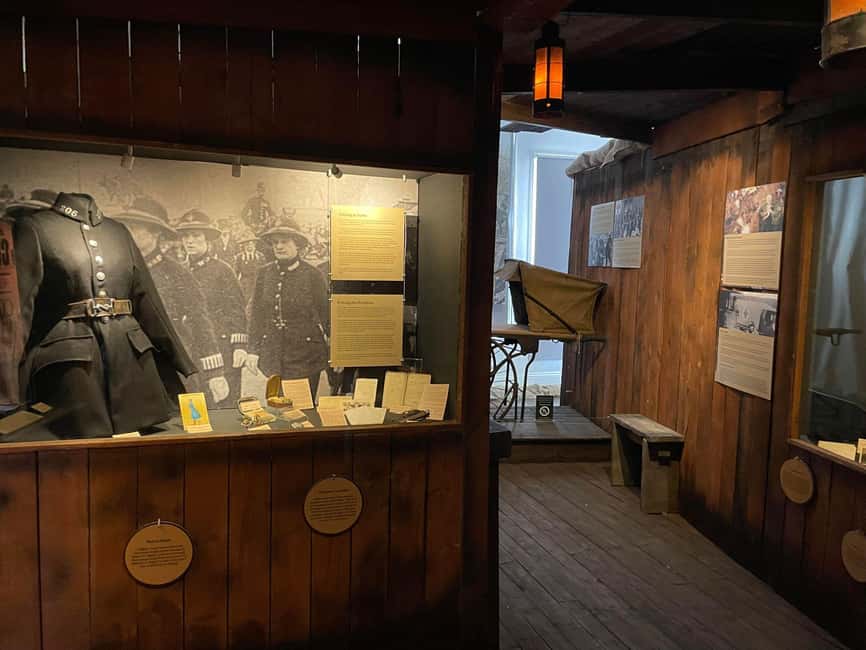
The police section has a useful balance of atmosphere and equipment. The cells make the past feel close, while vintage police cars provide the familiar visual appeal that younger visitors often notice first.
A car is an easy starting point for a child. You can talk about how emergency vehicles need to be seen, heard, and ready to respond, then connect that object to the wider displays. The museum’s hands-on approach gives you ways to turn a vehicle into a conversation rather than just a photograph.
The original cells also add a more serious note. They remind you that emergency services deal with difficult situations as well as dramatic rescues. The museum’s focus on service and compassion is important here, since the work of police and other responders is about people, not just uniforms and vehicles.
I appreciate that the exhibits are not aimed only at young children. A 13-year-old and a 10-year-old can both find enough to do, while adults can spend time with the written material. That makes the museum a sensible choice for families with an age gap, a group that often struggles to find one attraction everyone can enjoy.
The engine house and firefighting archives
The engine house is one of the building’s key spaces. It gives you a direct link to firefighting operations and provides a natural setting for the firefighting archives.
The archives help fill in details that a vehicle alone cannot show. They can connect equipment with training, response work, and the demands placed on fire crews. The museum presents emergency services as practical systems, built around people using the right tools under pressure.
You should expect a visit based on exhibits rather than a live emergency demonstration. There is no supplied promise of a scheduled performance or a fire engine ride, so book this for its displays and interactive learning. That is useful to know if you are comparing it with a more theatrical attraction.
The building may feel cool, especially in colder weather. Warm clothing is specifically recommended, and it is sensible advice for a Victorian property with large historic spaces. A warm jumper will help you focus on the exhibits instead of the temperature.
A few more Britain days worth weighing up
- London: The London Eye Entry Ticket
★ 4.6 · 35,875 reviews - London: Tower Bridge Entry Ticket
★ 4.7 · 15,560 reviews - London: Westminster Abbey Entrance Ticket
★ 4.6 · 11,254 reviews - London: St Paul’s Cathedral Entry Ticket
★ 4.7 · 9,813 reviews
Medical equipment and ambulance service
The medical displays add a different tone. Police and fire exhibits often have instant visual appeal, while ambulance equipment asks you to think about care, treatment, and time.
Life-saving medical equipment shows how emergency workers support people before they reach hospital care. You can see the practical side of that work, including the tools and systems designed to help someone in a crisis.
This section may appeal most to adults and older children, but the interactive format keeps it from feeling too formal. The museum aims to offer learning through play as well as through reading. I would use the medical displays as a chance to explain how emergency services overlap: police may secure a scene, firefighters may rescue someone, and ambulance crews may provide urgent treatment.
That shared purpose is one reason the museum works better as a combined emergency-services visit than as a collection of separate displays. You see how police, fire, and ambulance work each have different roles, but all depend on quick decisions and public service.
The 47ft lifeboat is the big surprise
The 47ft lifeboat is the museum’s most unexpected object. Sheffield is inland, so seeing a vessel of that size inside a former emergency-services station gives the visit a memorable twist.
Its scale helps you understand the demands of rescue work at sea. Even if you are not especially interested in boats, a lifeboat this large makes a strong impression because you can appreciate how much equipment and space a rescue crew needs.
The boat also widens the museum’s subject beyond local police, fire, and ambulance work. It places Sheffield within a larger UK emergency-services story, showing that public rescue work can happen on roads, in buildings, in medical settings, and at sea.
This is a good example of why the museum suits adults as well as children. A child may first notice the size and shape of the boat. You can then use it to discuss the different conditions emergency crews face and the design choices that help them respond.
Interactive learning for children and adults
The strongest family feature is the number of activities that invite you to do something. Games and hands-on exhibits give children a reason to keep moving through the museum.
That matters in a three-floor historic building. A child who has spent too long reading can lose interest quickly. An interactive station breaks up the information and lets the whole group reset before tackling another display.
The activities are not only distractions. Used well, they help children understand emergency work through action. You can connect the game to the police, fire, or ambulance material nearby, making the visit feel like learning rather than a reward after learning.
The museum also works for adults who enjoy information boards and real objects. It does not force you to choose between a children’s attraction and a serious museum. The balance is not perfect for every family, of course. If your group wants a quiet art-gallery atmosphere, the active exhibits may feel lively. If you need a place where children can participate, this is a major advantage.
I would bring children old enough to read some labels and follow simple activities, though the displays are designed for a broad age range. Teenagers may appreciate the more serious stories and equipment, while younger children will usually respond first to the vehicles, cells, boat, and interactive features.
Is a $12 ticket good value?
At about $12 per person, the ticket is modestly priced for access to a three-floor museum with all exhibitions included. The value is strongest if you want a family activity lasting a couple of hours and your group includes both adults and children.
You are paying for more than a single display room. The ticket covers the original police cells, engine house, two extra floors, interactive areas, vehicles, archives, medical equipment, and the lifeboat. You also have a full day of validity, although most people may not need to spend the entire day inside.
Food and drinks are not included, so plan for those separately. The supplied information does not promise an in-house meal option, and it is best not to treat the ticket as an all-day package with refreshments.
There is an optional upgrade to a year ticket, but it is not included in this entry price. I would consider that only if you live nearby or expect to return. A repeat visit can make sense because the museum has enough material for a second look, but visitors from farther away should compare the annual cost with their likely return plans.
Parking deserves care. Directions around car parks can be confusing, and an NCP car park may be expensive if you pay without its app. I would check parking details before setting off rather than following general car-park signs and hoping the right facility appears. The ticket itself may be good value, but parking can change the total cost of the outing.
Access, comfort, and planning your visit
The museum is wheelchair accessible, but the Victorian building creates limits. Historic cells, stairways, narrow areas, and changes in layout can make some parts harder for wheelchair users and people with mobility impairments.
If access is important for your group, contact the museum before booking and ask which floors and exhibits are easiest to reach. The general accessibility information is encouraging but not a promise that every corner of the old station is equally easy to use.
Wear warm clothing. This is one of the most practical tips for the visit, especially during colder months. The setting is historic rather than a newly built, climate-controlled gallery.
The ticket is valid for one day, and availability determines the starting times shown when you book. Free cancellation is available up to 24 hours in advance, and you can reserve now and pay later. Those terms are useful if your Sheffield plans may change, but they do not replace checking the exact opening or entry time for your chosen date.
Who will enjoy the National Emergency Services Museum?
I would recommend this museum most strongly to families looking for a hands-on indoor activity. Children can engage with games and vehicles, while adults get a serious look at emergency-service work and social history.
It also suits anyone interested in police, firefighting, ambulance services, rescue equipment, or historic working buildings. You do not need specialist knowledge. The exhibits provide enough background for a casual visit, and the real objects give enthusiasts plenty to examine.
The museum is a good choice on a day when you want structure without a guided group. You can move at your own pace, spend longer in the police cells or with the lifeboat, and let different members of your party follow their own interests.
I would be more cautious if your group includes someone who cannot manage historic-building access challenges or is sensitive to cool indoor spaces. The building is part of the attraction, but it also creates the main practical limitation.
Should you book it?
Book this if you want an affordable Sheffield attraction with real objects, a distinctive Victorian setting, and enough interactive material to keep children involved. The original cells, engine house, and 47ft lifeboat give the visit more character than a standard display of uniforms and photographs.
I especially like it for mixed-age groups. The informative boards reward adults, while the activities give children something to do. Check mobility needs in advance, wear warm clothing, and investigate parking carefully, particularly if you plan to use an NCP car park without its app.
For roughly $12 per person, it is a sensible couple-of-hours outing and an easy choice for families interested in how emergency services protect and care for the public.
FAQ
Where is the National Emergency Services Museum?
The museum is in Sheffield, South Yorkshire, in the United Kingdom. It is housed in a Victorian police, fire, and ambulance station.
What does the entry ticket include?
The ticket includes entry to the National Emergency Services Museum and access to all exhibitions.
How long is the ticket valid?
The ticket is valid for one day. Starting times depend on availability when you check your chosen date.
Is the museum suitable for children?
Yes. The museum includes interactive exhibitions, games, and hands-on learning designed for families and a broad range of ages.
Is the museum wheelchair accessible?
The museum is wheelchair accessible, but its Victorian building may limit access for some wheelchair users and people with mobility impairments.
Should I bring warm clothing?
Yes. Warm clothing is recommended because the museum is located in a historic Victorian building.
Can I cancel my booking?
You can cancel up to 24 hours in advance for a full refund. A reserve-now, pay-later option is also available.
Just added around Britain
- London: Wimbledon Tennis Club and Westminster Walking Tour★ 4.5 · 86 reviews
- London: Westminster to Richmond River Thames Cruise★ 4.8 · 23 reviews
- Winchester: Historic Castles and Cathedrals Walking Tour★ 4.9 · 154 reviews
- Westminster Abbey Skip-the-Line Entry and Private Tour★ 4.6 · 4 reviews
- Best of London by LE GRAND – London’s Luxury Bus Tour★ 4.2 · 23 reviews
- Whitby: Guided Distillery Tour with Gin Tasting★ 5.0 · 28 reviews
- London: Westminster Walking Tour & St Paul’s Cathedral Entry★ 4.7 · 7 reviews
- Warwick: Entry Ticket for Warwick Castle★ 4.7 · 215 reviews
Museums, compared.

Liverpool Football Club Museum and Stadium Tour
Read our review →
Chelsea Football Club Stadium and Museum Tour
Read our review →




British Museum Audio Tour & Priority Entrance Ticket
Read our review →Browse the lists this tour appears in