
Reviewed · WALKING TOURS
Birmingham: Guided City Center Walking Tour (10:30am & 2pm)
Birmingham’s story comes into focus on foot. This 90-minute walk links St Philip’s Cathedral, the industrial boom, the famous canals, Cadbury chocolate, Broad Street, and the city’s grand civic squares. It is a useful way to see how a small market town became Britain’s second-largest city.
I like the local guides, especially the personal touch brought by guides such as Dee, Peter, Phil, and Richard. I also like the route’s mix of old and new, from English Baroque architecture to Symphony Hall and the Ikon Gallery. The main consideration is pace: the guide keeps talking while you walk, so stopping for photographs can mean choosing between listening and taking pictures.
Key points to know
- Start beneath St Philip’s Cathedral: Meet by the flag pole in Cathedral Square, where the English Baroque cathedral provides an immediate sense of place.
- A compact Birmingham history lesson: The walk explains the city’s growth, industrial success, canals, and connection with Cadbury chocolate.
- Several major squares in one route: You’ll pass Victoria Square, Chamberlain Square, and Centenary Square, each showing a different side of central Birmingham.
- Friendly guides make the difference: Dee, Peter, Phil, and Richard have been praised for clear explanations, humor, local knowledge, and useful city tips.
- Good value for a first visit: At $20.20 per person, the tour gives you 1.5 hours of orientation without paying for transportation or museum admission.
- Rain or shine: Wear comfortable shoes and weather-ready clothing. The tour stays outdoors throughout.
Birmingham’s story begins at Cathedral Square
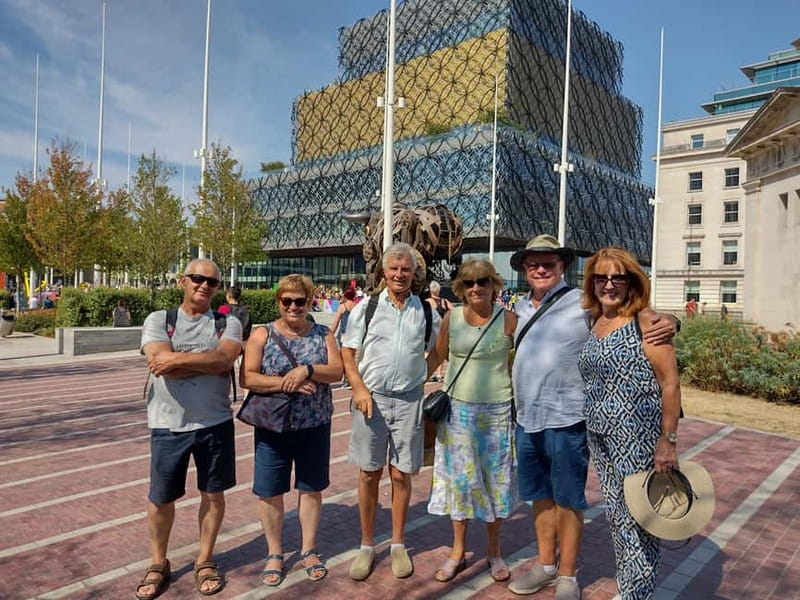
Your meeting point is the flag pole in Cathedral Square. Look for a guide wearing an orange jacket or lanyard. This is an easy place to find in the city center, and the setting gives the tour a strong opening rather than sending you straight into an anonymous shopping street.
The first sight is St Philip’s Cathedral, a handsome English Baroque building at the heart of the square. Your guide uses it to introduce Birmingham before the factories and railways changed its fortunes. The city began as a small market town, then grew through trade, manufacturing, and invention into a major urban center.
That change is the backbone of the walk. You are not simply collecting building names. You are following the shift from a modest market settlement to an industrial powerhouse, then on to the modern cultural city you see today.
The guides bring different personalities to the same route. Dee is described as warm and passionate about her home city. Peter is praised for clear English, humor, and a polished way of speaking. Phil is a strong choice if you want a guide who can connect history with the city’s character, while Richard brings an engaging and entertaining approach.
A few more Birmingham days worth weighing up
- Birmingham: Cadbury World Entry Ticket
★ 4.4 · 230 reviews - Birmingham: Slogging Gangs Guided Walking Tour
★ 4.2 · 216 reviews - From Birmingham: Cotswolds Full-Day Tour
★ 4.7 · 215 reviews
St Philip’s Cathedral sets the historical tone
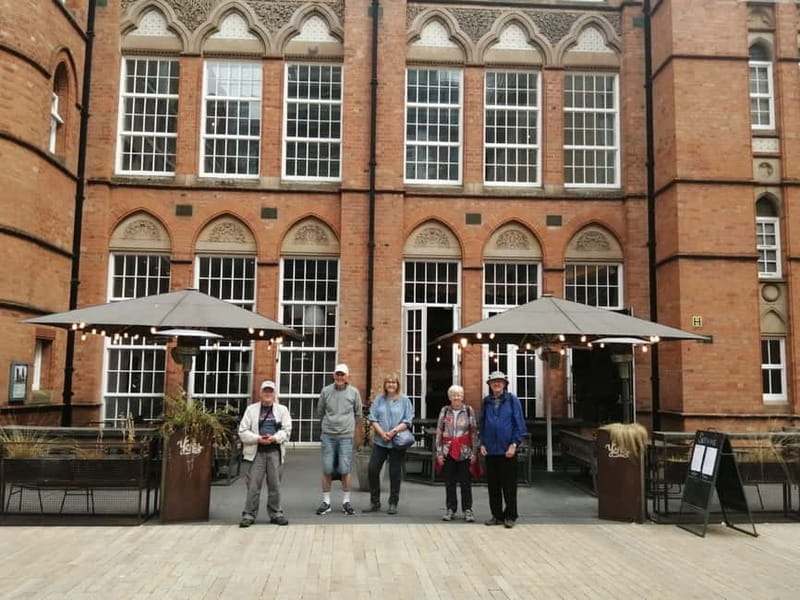
St Philip’s Cathedral is the first proper sightseeing stop. Its architecture gives you a calm contrast to Birmingham’s busy commercial center, and Cathedral Square is a useful place to pause and orient yourself.
Your guide explains how the city developed around work, trade, and industry. That context matters because Birmingham can seem modern at first glance. The polished squares, shopping streets, offices, and cultural buildings do not always reveal the manufacturing story beneath them.
This is also where a good guide adds real value. A sign or building can tell you what it is, but a local guide can explain how the city grew and why its center looks the way it does. The strongest comments about this walk focus on that ability to connect Birmingham’s past with its present.
If you want a quiet cathedral visit, remember that this is a walking tour, not a dedicated church tour. The emphasis is on the building as part of Birmingham’s wider story. You will see it and hear about it, but the schedule covers many other landmarks in a relatively short time.
Broad Street links industry with modern city life
The route continues toward Broad Street, one of Birmingham’s best-known central streets. Your guide discusses the city’s industrial boom and the famous canal network, then connects that past with the area’s modern nightlife and entertainment.
This contrast is one of the walk’s most useful ideas. Birmingham’s canals are not treated as decorative leftovers. They are part of the story of how goods and materials moved during the city’s industrial age. At the same time, Broad Street shows how central Birmingham has been reused for restaurants, nightlife, and leisure.
The Cadbury connection adds another memorable thread. Birmingham’s industrial identity was not only about metalwork and engineering. Chocolate became part of the city’s international reputation too, and the guide includes that story within the wider account of local industry.
Broad Street may feel less picturesque than the cathedral or the civic squares. That is not a flaw in the route. It gives you a more ordinary, lived-in view of the center, along with a sense of how Birmingham changes character from daytime sightseeing to evening entertainment.
Victoria Square reveals Birmingham’s civic face
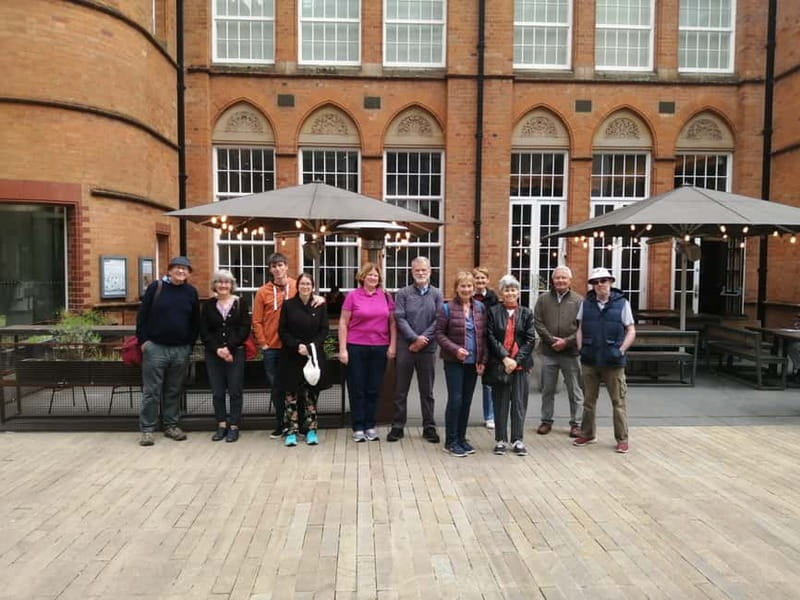
Victoria Square is one of the most important stops on the route. Here you can view Birmingham Town Hall and the Council House, two major civic buildings that give the city center a formal, impressive character.
The square is a good place to understand Birmingham as a city of public institutions, not just factories and shops. Your guide explains the role of the center as you move between historic architecture and newer developments.
The tour also includes Birmingham Museum & Art Gallery and Chamberlain Square. The museum is a major visual landmark, even though this experience does not include entry. Chamberlain Square helps connect the civic core with the cultural quarter around it.
Do not expect long indoor visits. This is an outdoor walking tour, so you will view the museum and other buildings from the route. If you want to explore the museum’s collections, plan a separate visit after the walk.
More walking tours in Birmingham:
- Birmingham: Discovering Birmingham Guided Walking Tour
★ 4.9 · 26 reviews - Digbeth, Public art and Peaky Film Guided Walking Tour
★ 4.7 · 11 reviews - Birmingham: City Walking Tour and Exploration Game
★ 4.6 · 7 reviews - Birmingham : Must-see Attractions Private Walking Tour
★ 5.0 · 3 reviews
Centenary Square brings in the modern city
Centenary Square changes the mood again. The fountains and open space give you a broader view, while Symphony Hall introduces Birmingham’s modern cultural life.
This section works well because it avoids presenting the city as a museum piece. Birmingham’s story continues beyond the industrial revolution. The square and nearby performance spaces show a city that has invested in public areas, music, arts, and new ways for people to use the center.
You will also pass the Hall of Memory and Baskerville House. These stops add more detail to the route without requiring long detours. The Hall of Memory has a commemorative role, while Baskerville House contributes to the architectural sequence around the square.
Since the tour moves through several open public spaces, the weather matters. The activity takes place rain or shine. A waterproof layer, sensible shoes, and clothing suited to the forecast will make a noticeable difference, especially if the day is cold or wet.
The walk ends at the Ikon Gallery
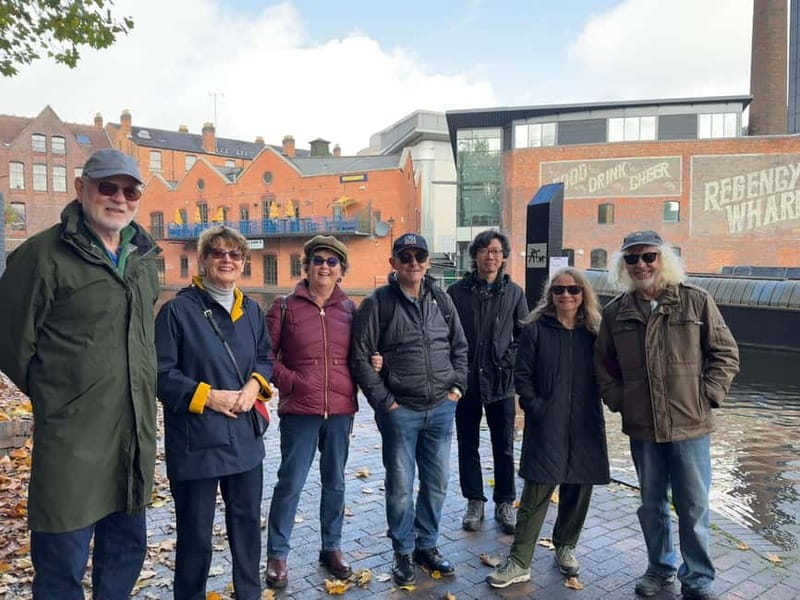
The final stop is the 19th-century Ikon Gallery. Its location provides a fitting close to a route that moves from cathedral architecture and civic buildings toward Birmingham’s current arts scene.
The gallery is useful as a final marker because it helps you understand the city’s cultural side. The tour does not include gallery admission, so you can decide later if you want to continue inside or explore the surrounding area independently.
The published route lists the Ikon Gallery as the finish, while the meeting information describes the activity as ending back at the meeting point. Check the exact meeting and end details when booking, especially if you have a train, meal, or timed admission afterward.
What the 1.5-hour format means for you
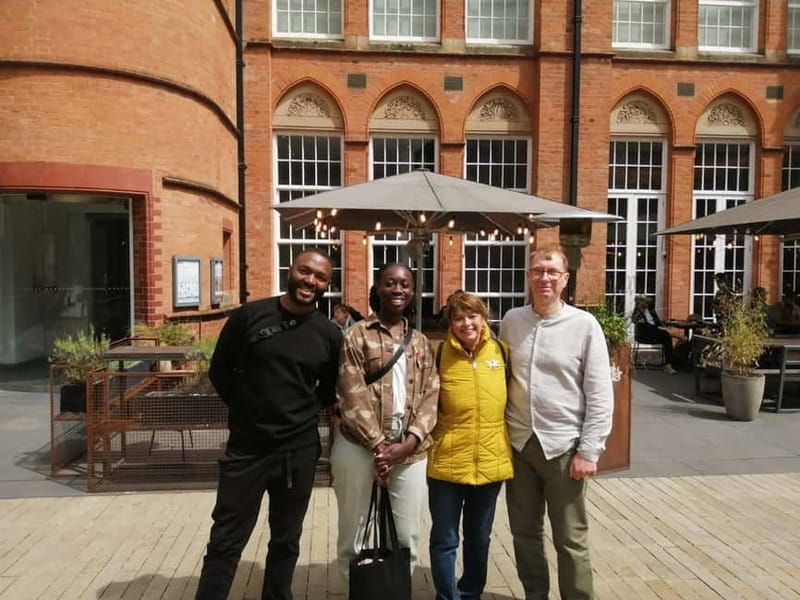
Ninety minutes is long enough to get a clear introduction without taking over your day. You can fit this walk into a morning before lunch, or use the 2pm departure as a first activity after arriving in Birmingham.
The short format also keeps the route focused. You will cover many important central sights, but you should not expect lengthy stops at every building. The experience works best as an orientation walk, with enough history to give meaning to what you see and enough practical direction to help you explore afterward.
One useful benefit is navigation. A local guide shows how the main squares, cultural buildings, cathedral, Broad Street, and central streets relate to each other. That can save you time later, particularly if you are visiting Birmingham for the first time.
The only real trade-off is photograph time. One participant specifically suggested allowing a few minutes to take pictures without missing the guide’s explanation. If photography matters to you, take quick shots as the group pauses, then return later for a slower look at your favorite places.
The guides are the heart of the experience
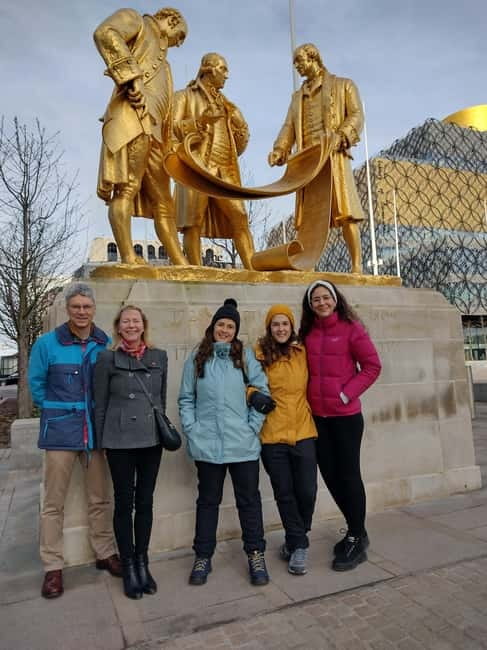
The strongest part of this tour is not a single landmark. It is the person leading you through the city.
Dee receives especially warm praise for her enthusiasm, local background, and ability to answer questions. She is also described as welcoming to a person using a wheelchair, with the route making no difference to that participant’s enjoyment. That is encouraging, although you should still confirm your own access needs before booking because the tour operator does not provide detailed accessibility information here.
Peter is a good match for anyone who values clear delivery and a bit of humor. Phil is recommended for discovering Birmingham’s history and character, while Richard is described as engaging and fun. The guides are not presented as interchangeable scripted voices. Their personalities are part of what makes the walk feel personal.
You can ask questions during the tour, and the guides offer practical tips for seeing more of the city. That makes the experience more useful than a simple list of landmarks. You leave with a basic map in your head and ideas for what to return to.
Is $20.20 good value?
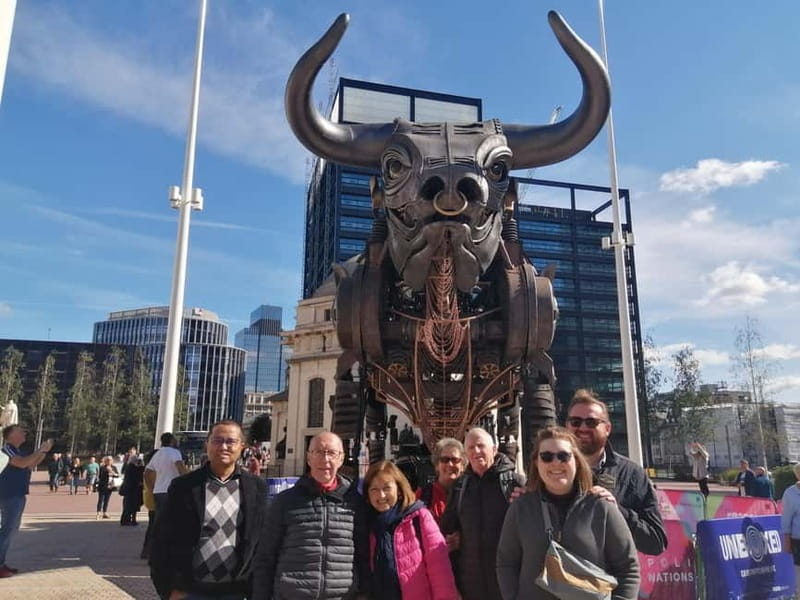
At $20.20 per person, the price is reasonable for a 1.5-hour guided introduction to central Birmingham. You are paying for a live English-speaking guide, local context, and a route that brings together major civic, cultural, and historical sights.
There is no transportation included, but that should not be a problem. The activity is designed to stay in the city center, and you move between the stops on foot. There are also no admissions included, which keeps the price down and lets you choose your own museum or gallery visits later.
I would see this as particularly good value if you have only one day in Birmingham. The tour covers enough ground to help you decide where to spend the rest of your time. If you already know the center well, the value depends more on your interest in local stories and guide-led history.
The booking terms are flexible. You can reserve now and pay later, and cancellation is free up to 24 hours before the activity for a full refund. Check availability for the current 10:30am and 2pm starting times.
Who should book this Birmingham walk?
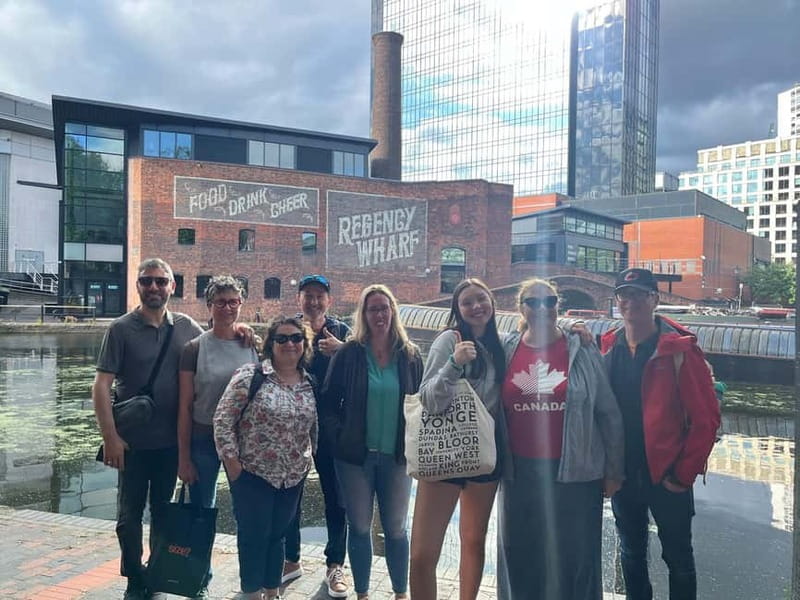
I would recommend it to first-time visitors, couples, solo sightseers, and anyone who wants a quick introduction before exploring alone. It also suits people who enjoy history but prefer short explanations at real places rather than a long indoor lecture.
Families may appreciate the compact length, though younger children need to be comfortable walking and listening outdoors. The tour is also a sensible choice for visitors who want local tips and a friendly guide instead of navigating the city center entirely by themselves.
You should think twice if you want substantial free time at each stop, a museum visit, or a tour focused only on architecture. The route is broad rather than specialist. It gives you the main story and many useful landmarks, then leaves you to return to the places that catch your interest.
Practical advice before you go
Meet by the flag pole in Cathedral Square. Your guide should be identifiable by an orange jacket or lanyard.
Wear comfortable shoes. The tour is entirely on foot, and the route includes several squares, streets, and public areas. Bring weather-appropriate clothing because the walk continues in rain.
Use the 10:30am departure if you want the tour to shape a full day of sightseeing. Choose 2pm if you prefer a slower morning or are arriving in the city around midday.
Keep your camera ready, but do not let it distract you from the commentary. The best approach is to listen during the explanation, take a few quick photographs, and return later if you want more time.
Should you book it?
Book this tour if you want Birmingham’s main central sights tied together by a clear local story. The combination of St Philip’s Cathedral, industrial history, canals, Cadbury, Broad Street, civic squares, Symphony Hall, and the Ikon Gallery gives you a well-rounded first look for a modest price.
The deciding factor is the guide. Dee, Peter, Phil, and Richard are all described as friendly, engaging, and well-informed, but the exact person may vary by departure. If you value local character, useful answers, and a gentle city orientation, this is a strong choice. If you prefer to explore at your own pace or spend time inside museums, use the walk as a starting point rather than your entire Birmingham sightseeing plan.
FAQ
Where does the Birmingham walking tour start?
Meet your guide by the flag pole in Cathedral Square. The guide will wear an orange jacket or lanyard.
Where does the tour finish?
The route lists the Ikon Gallery as the final stop and finish. The meeting information also says the activity ends back at the meeting point, so check the exact end details when booking.
How long does the tour last?
The walking tour lasts 1.5 hours.
What time does the tour begin?
The available departures are listed as 10:30am and 2pm. Check availability for the current starting times.
What language is the tour in?
The tour is conducted in English with a live guide.
Is transportation included?
No. This is a city center walking tour, and transportation is not included.
What should I bring?
Bring comfortable shoes and clothing suitable for the weather. The tour takes place rain or shine.
Just added around Birmingham
- Birmingham: City Center Highlights Private Guided Tour★ 5.0 · 4 reviews
- MATRIX VR – Virtual Reality Gaming Experience Session – 1hr★ 4.9 · 7 reviews
- From Birmingham: Stonehenge & Bath Day Tour★ 4.6 · 158 reviews
- Digbeth, Public art and Peaky Film Guided Walking Tour★ 4.7 · 11 reviews
- Birmingham: Victorian Canals and Modern-Day Birmingham Tour★ 4.7 · 92 reviews
- Birmingham: Legoland Discovery Centre Entry Ticket★ 4.1 · 74 reviews
- Birmingham : Must-see Attractions Private Walking Tour★ 5.0 · 3 reviews
- Birmingham: Cadbury World + SEA LIFE + LEGOLAND Discovery★ 5.0 · 5 reviews
Walking Tours, compared.

Magical London: Harry Potter Guided Walking Tour
Read our review →

University and City Walking Tour with Alumni Guide
Read our review →
Harry Potter Movies Walking Tour (Kids Go Free)
Read our review →
The Great British Rock and Roll Music Walking Tour
Read our review →
Jack the Ripper Walking Tour – Ripper Vision Tours
Read our review →

Browse the lists this tour appears in