
Reviewed · BRITISH MUSEUM TOURS
British Museum & National Gallery Highlight Tour 8 guests 5h
London’s two great museums become far less bewildering when a guide leads you straight to the important rooms. This tour connects famous paintings at the National Gallery with ancient objects at the British Museum, giving you stories and context instead of a long march past labels.
I like the small-group format, capped at eight, and the chance to request guides such as Becky or Matilda, both singled out for lively, witty teaching. I also like the clear change of pace: paintings in the morning, a lunch break, then sculptures and artifacts from six thousand years of human history.
The main catch is the price, about $206 per person, and the tight schedule. You will see highlights, not every gallery. A reported last-minute cancellation also shows why you should confirm the meeting point and museum arrangements before setting out.
Key points to know before booking
- Two major museums in one day: Visit the National Gallery and British Museum with one English-speaking guide.
- Small group size: Semi-private tours allow no more than eight people, with private options also available.
- Big-name paintings: Look for works linked to Van Gogh, Leonardo da Vinci, Rembrandt, Vermeer, Monet, Botticelli, and Seurat.
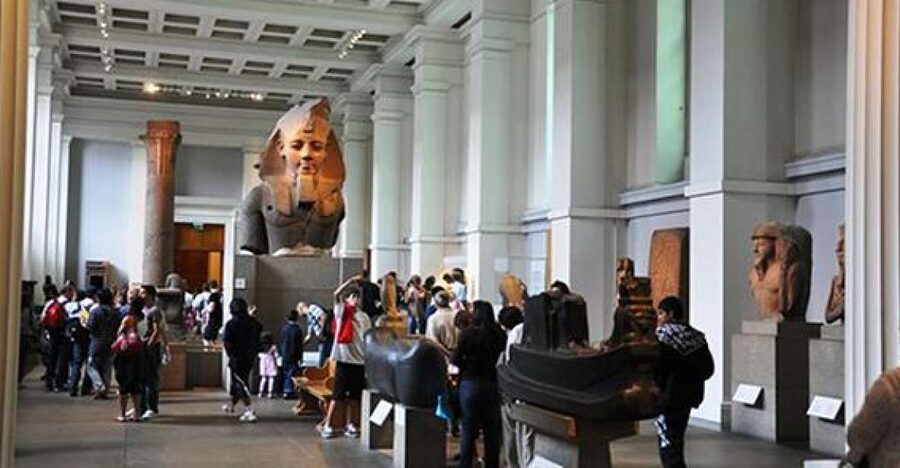
- Ancient treasures: The British Museum portion can include the Rosetta Stone, Parthenon sculptures, Assyrian lion hunt reliefs, and Lewis Chessmen.
- Lunch is on your own: There is a break between museums, but food and drinks are not included.
- Expect plenty of walking: Bring identification, leave large bags behind, and ask in advance about wheelchair arrangements.
Why this museum pairing works
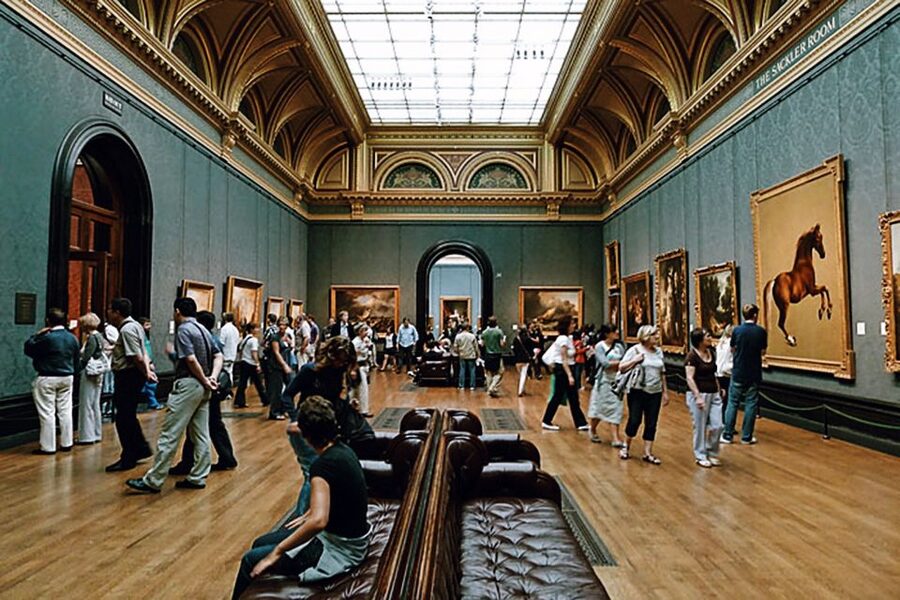
London gives you an embarrassment of museum riches, but that can create a practical problem. At the National Gallery, more than 2,300 paintings fill the collection. At the British Museum, objects from six thousand years of human culture occupy a huge building. Without a plan, you can spend hours wandering and still miss the pieces you most wanted to see.
This tour solves that problem with a guide-led route through selected highlights. You are not signing up for a quiet, independent museum visit. You are paying for a person who can point out what matters, explain why it matters, and keep the day moving.
The two museums also make a good intellectual pair. The National Gallery follows the development of Western painting from the 1300s onward. The British Museum shifts the focus to objects made by societies across time and place. One stop asks how artists represented the world. The other asks how people built, worshipped, traded, fought, and remembered.
That broad sweep is the tour’s real appeal. In roughly half a day, you can move from Leonardo’s careful composition to Assyrian royal hunting scenes, then from a Dutch interior to a medieval chess piece. You will not become an art historian in five and a half hours, but you should leave with a stronger sense of how to look.
More Museum Tours in London
- London: Chelsea Football Club Stadium and Museum Tour
★ 4.8 · 4,576 reviews - London: British Museum Guided Tour
★ 4.3 · 1,182 reviews - London: Jack the Ripper Museum Tickets
★ 4.2 · 894 reviews
The National Gallery: famous paintings with a storyline
The first part centers on the National Gallery. Your guide introduces the artists before taking you through selected paintings. That approach is useful because a famous name does not automatically make a painting easy to understand.
You may know Van Gogh’s Sunflowers from posters and postcards. Seeing it in a museum gives the work a different weight, but a guide can help you look past the familiar image. You can pay attention to brushwork, color, and the way the painting has become part of modern popular culture.
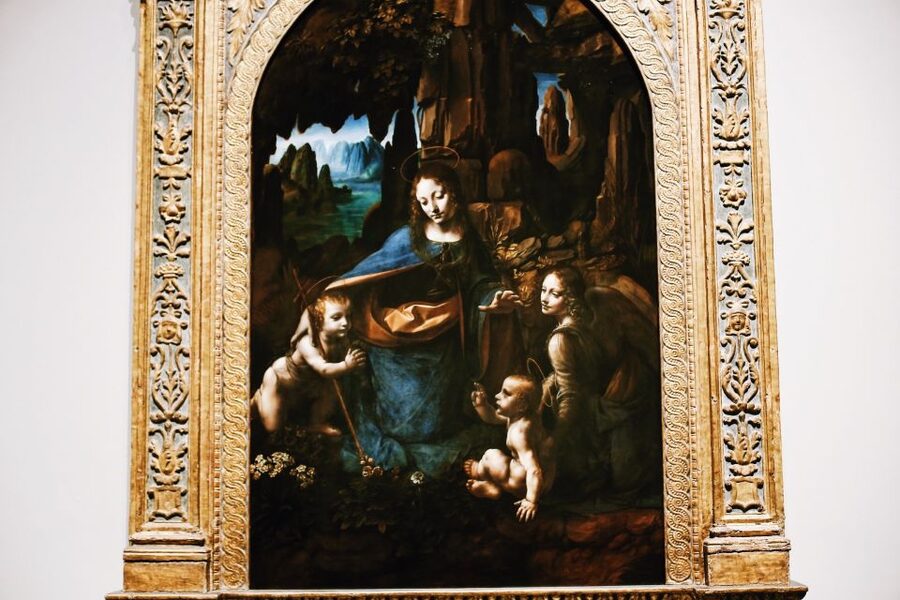
Leonardo da Vinci’s The Virgin of the Rocks offers a very different experience. The painting rewards close attention to its figures, setting, and soft transitions of light. Your guide may also place it within the development of Renaissance art, making the work easier to understand than it would be from a brief wall label.
The suggested route can also include The Madonna of the Pinks, The Ambassadors, The Arnolfini Portrait, Venus and Mars, and The Rokeby Venus. These are not simply a parade of famous titles. They represent changing ideas about religion, portraiture, status, mythology, and the human body.
A Young Woman Standing at a Virginal and works by Vermeer can give you a quieter look at domestic life and light. Botticelli brings a different elegance, while Rembrandt shows how portraiture can carry age, emotion, and personality. Monet shifts the conversation again, with a looser interest in atmosphere and sensation.
One especially helpful comparison is between Leonardo and Seurat. The National Gallery’s collection lets you move from The Virgin of the Rocks to Seurat’s Bathers at Asnières, seeing how painting changed over several centuries. The point is not to rank one artist above another. It is to notice the shift in color, composition, subject matter, and technique.
The guide’s role matters here. A good explanation can turn a room full of old paintings into a sequence of human choices. Why is a figure positioned that way? Why does a certain color draw your eye? What does the clothing tell you about the sitter? Why did a new style seem daring at the time?
The strongest feedback about this experience centers on the guides. Becky is praised for combining wit with a great deal of information, while Matilda is specifically recommended by name. You can request a preferred guide, but the request is not a promise of availability.
What you will and will not see
The named works are generally included when they are on display and not on loan or undergoing restoration. That qualification matters at a museum. A painting can be unavailable on the day of your visit, so treat the list as a guide to the likely focus rather than a fixed guarantee.
You should also understand the limits of the visit. The National Gallery has far more paintings than you can reasonably see in this time. The guide will select major works and use them to explain broader ideas. If you want to study one artist for an hour or linger over every room, an independent visit will suit you better.
For a first visit, though, the selection makes sense. You get a framework that you can use if you return later. Instead of trying to remember 40 disconnected facts, you may remember a handful of paintings and the visual changes they represent.
The lunch break: useful breathing room
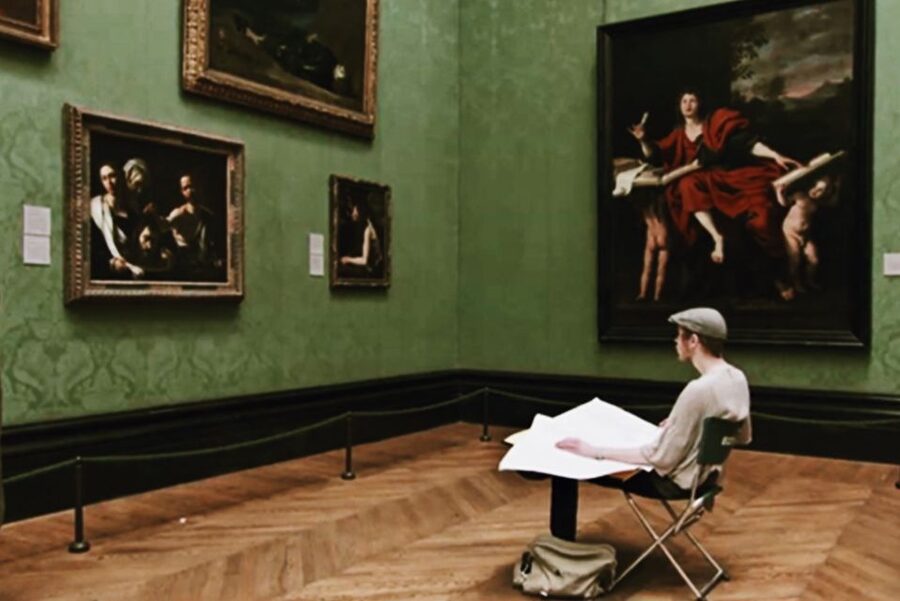
A lunch break separates the two museum visits. Food and drinks are not included, so plan to pay for your own meal and do not expect this part to be arranged as part of the tour.
This pause is more important than it sounds. Five and a half hours of museum viewing, standing, and walking can wear you down. A short break lets you eat, rest your feet, and reset before the British Museum’s larger collection.
Because the meeting point can vary with the option you book, read the booking information carefully. You need to know where the first portion begins and where you must regroup after lunch. The tour does not include hotel pickup or drop-off, so you are responsible for reaching the meeting point and making your way home afterward.
More guided runs through the British Museum:
- London: Tour of the British Museum
★ 4.1 · 678 reviews - London: British Museum Audio Tour & Priority Entrance Ticket
★ 4.5 · 631 reviews - Afternoon Tea at the British Museum
★ 4.2 · 511 reviews - London: British Museum Guided Tour
★ 4.5 · 267 reviews
The British Museum: objects that explain whole civilizations
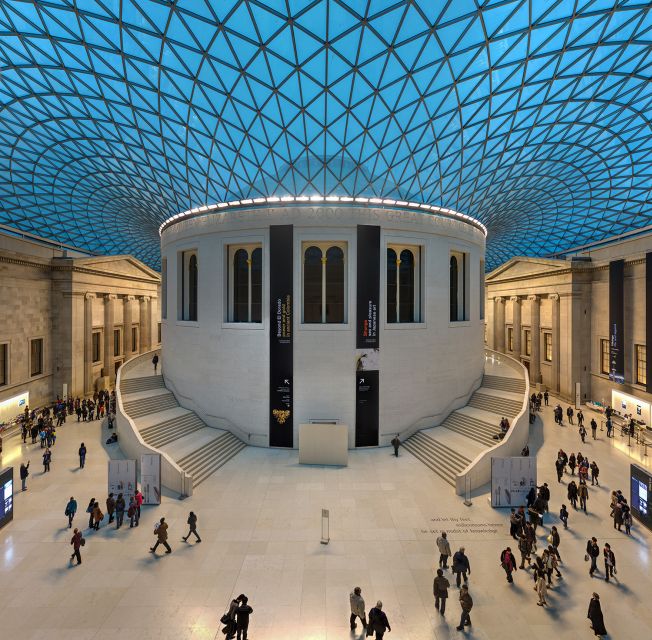
After lunch, the tour turns to the British Museum. This section is less about individual artists and more about how societies expressed power, belief, skill, and daily life.
The Rosetta Stone is the obvious anchor. It is famous because its inscriptions helped scholars understand Egyptian hieroglyphs, but the stone is also a reminder that one object can change how an entire civilization is studied. Your guide can give you the basic story and help you see why this slab became so important.
The Assyrian lion hunt reliefs offer a look at royal power. These carved scenes show a ruler presenting himself as a skilled hunter, a theme that says as much about propaganda as it does about sport. The animals, movement, and physical detail also give you plenty to examine at close range.
The Parthenon sculptures raise different questions about classical art, ownership, and the movement of objects between countries. A guide can explain what you are looking at without reducing the issue to a quick label. This is one of the museum’s displays where historical context matters as much as visual beauty.
The Lewis Chessmen bring the scale down to something more personal. These small medieval figures are easy to enjoy because their faces and poses feel surprisingly expressive. They also show how an everyday game can preserve details about craftsmanship, status, and leisure.
You may also see the Oxus Treasure and the Royal Game of Ur. These objects take you farther into the past and show that fine metalwork, games, and symbols of power are not modern inventions. They help place the museum’s collection in a long human story rather than a list of dates.
The Mummy of Katebet gives the tour a more direct connection to an individual person. Samurai armor offers another change of subject, with attention to warfare, ceremony, and skilled construction. The range is wide, but that is exactly why a guide helps. You need someone to provide a thread between the objects.
The supplied plan describes the guide as a living Rosetta Stone. The wording is playful, but the point is practical: the British Museum can be difficult to read on your own. Objects from different periods and cultures are displayed under one roof, and a short explanation can tell you what to notice before you move on.
How the small-group format changes the visit
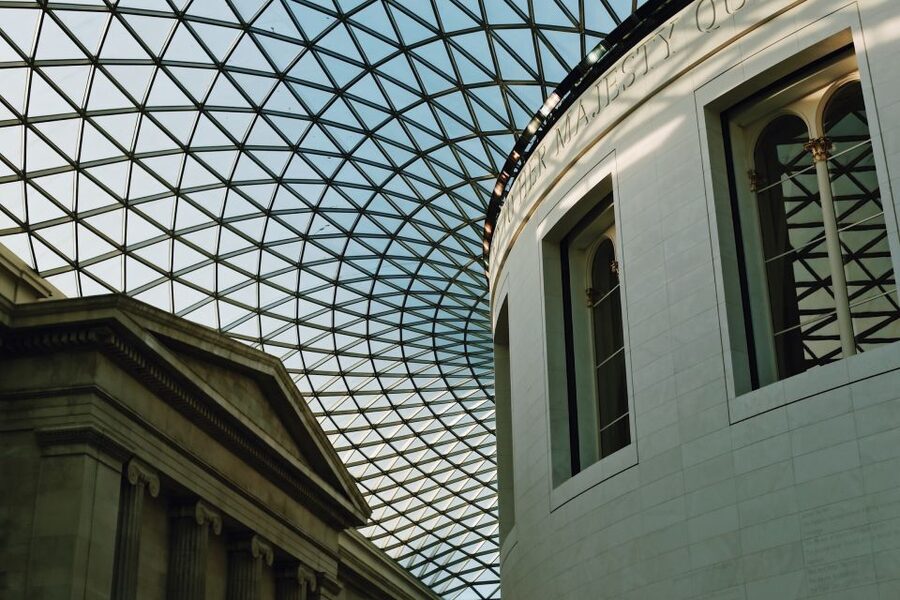
A maximum of eight people is a useful middle ground. You get more room to ask questions than you would in a large coach group, yet the price may be lower than booking a fully private guide.
A small group also helps inside crowded galleries. You can stay close enough to hear the commentary without being part of a large moving cluster. That said, the museums themselves can still be busy, and a small tour group cannot control the number of other people in a room.
A private option gives you more control over pace and interests. You might ask for extra attention to Dutch painting, ancient Egypt, or military objects. The semi-private option offers less flexibility but may be the sensible choice if you want guided highlights without paying for a guide alone.
English is the stated tour language. Live commentary is included, so this is not an audio guide or a self-guided route. If you learn best by listening to stories and asking questions, that is a meaningful part of the value.
Is $206 a fair price?
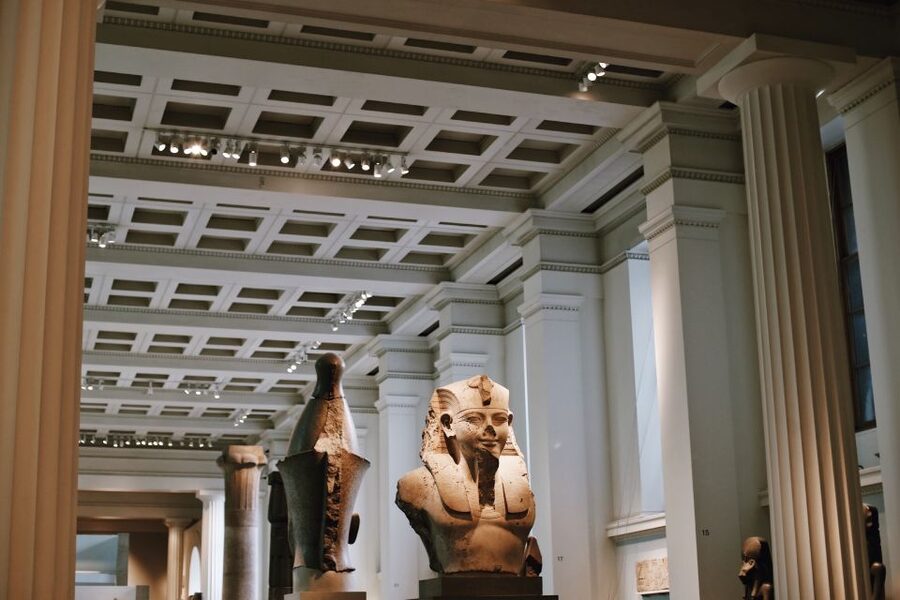
At $206 per person, this is not a cheap museum visit. You are paying for a professional local guide, a small group, and a focused route through two of London’s most visited museums.
The value depends on how you use the day. If you would otherwise wander for hours, miss the key works, or struggle to understand what you are seeing, the guide may justify the cost. This is especially true for a first-time visitor with limited time in London.
The price is harder to defend if you already know both museums well or prefer to set your own pace. Admission arrangements, temporary exhibits, food, transportation, and hotel transfers are not included. You should also remember that the tour cannot guarantee every named artwork will be visible.
For many people, the strongest value is not the number of objects. It is the selection and explanation. Seeing 15 important works with a clear story can be more useful than seeing 150 without one.
Walking, bags, and access
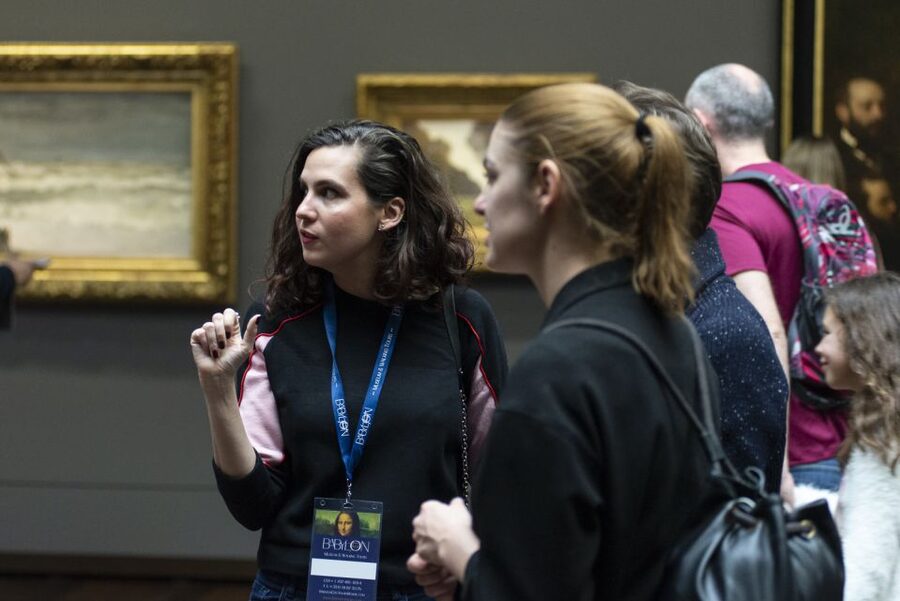
A moderate amount of walking is involved. You will be on your feet inside large museums, and the day includes a change of location plus a lunch break. Comfortable shoes are a basic requirement.
Large bags and luggage are not allowed. Do not arrive with your main suitcase and assume it can come along. Bring a passport or other identification, as that is specifically listed among the things to carry.
The accessibility information needs careful attention. Tours are described as available for wheelchair users on request, but the activity is also marked as unsuitable for wheelchair users. Contact the provider before booking and get a clear answer about the exact route, museum access, and group arrangement.
The meeting point varies by the option selected. Confirm it before the day begins, and allow time to reach it. One serious problem reported with this experience involved a last-minute cancellation, confusion over a third-party voucher, and a long museum entry line. That does not define every departure, but it is a good reason to keep your confirmation details and provider contact information handy.
Who will get the most from this tour?
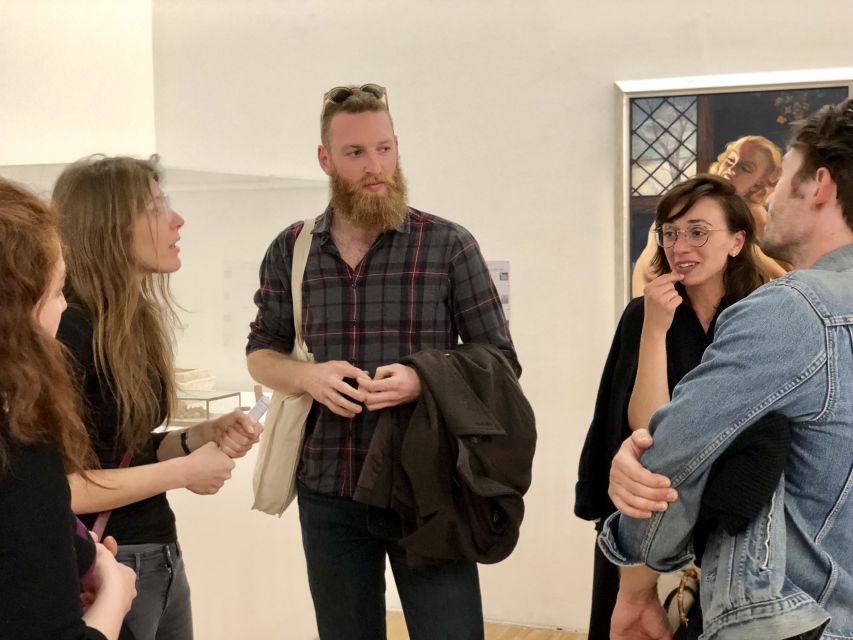
I would recommend this experience to a first-time London visitor who wants an organized introduction to both museums. It suits you if you like stories, famous objects, and a guide who can connect one room to the next.
It is also a good match for families with older children, couples, and adults who want help choosing what deserves attention. The mix of Sunflowers, the Rosetta Stone, Samurai armor, and the Lewis Chessmen gives the day enough variety to hold interest.
You may want another plan if you dislike fixed schedules or want long periods of quiet looking. Art students, repeat museum visitors, and people with a very specific research interest may find the guided route too broad.
The tour is offered daily, but availability and starting times should be checked for your chosen date. Free cancellation is available up to 24 hours in advance, and you can reserve while paying later, which gives you some flexibility when London plans are still changing.
Should you book it?

Book this tour if you want a short, guided path through two enormous museums and value explanation more than independence. The small group, the range of masterpieces, and the chance to request a guide such as Becky or Matilda make it more personal than a large group outing.
Think twice if $206 feels high for a museum day, if you need guaranteed access to one particular painting, or if you want to explore at your own speed. Before paying, confirm the meeting point, the guide request, the voucher arrangements, and the wheelchair policy.
For the right visitor, this is a strong orientation to London’s museum treasures. You will not see everything, but you should come away knowing what to revisit and how to look at it.
FAQ
How long does the tour last?
The advertised experience lasts about 5.5 hours. It includes visits to both the National Gallery and British Museum, with a lunch break between them.
Which museums are included?
The tour visits the National Gallery and the British Museum in London.
What language is the tour offered in?
The live tour commentary is provided in English.
Is lunch included?
No. There is a lunch break between the museum visits, but food and drinks are at your own expense.
How large is the group?
The semi-private option allows a maximum of eight guests. A private option is also available.
Are all the named artworks guaranteed to be on display?
No. The listed paintings and objects are included only when they are not on loan, being restored, or otherwise unavailable. Temporary exhibits are not included.
More Museums in London
- London: Paradox Museum Entry Ticket
★ 3.9 · 441 reviews - London: Postal Museum Entry Ticket and Underground Rail Ride
★ 4.6 · 363 reviews - London: Royal Museums Greenwich Day Pass
★ 4.5 · 309 reviews - London: Freud Museum Entry Ticket
★ 4.8 · 233 reviews
More National Gallery Tours
- London: National Gallery Guided Tour with Art Expert Guide
★ 4.7 · 440 reviews - London: National Gallery Guided Tour
★ 3.8 · 67 reviews - London: National Gallery Guided Tour and Afternoon Tea
★ 4.5 · 64 reviews - Westminster and National Gallery 3.5-Hour Tour in Italian
★ 4.9 · 28 reviews
Just added around London
- London: Wimbledon Tennis Club and Westminster Walking Tour★ 4.5 · 86 reviews
- London: Westminster to Richmond River Thames Cruise★ 4.8 · 23 reviews
- Westminster Abbey Skip-the-Line Entry and Private Tour★ 4.6 · 4 reviews
- Best of London by LE GRAND – London’s Luxury Bus Tour★ 4.2 · 23 reviews
- London: Westminster Walking Tour & St Paul’s Cathedral Entry★ 4.7 · 7 reviews
- From London: Oxford, Stratford-upon-Avon & Cotswolds Trip★ 4.5 · 64 reviews
- From London: Warwick, Oxford, Stratford & Cotswolds Day Tour★ 4.0 · 270 reviews
- Warner Bros. Studios and 1-Day London Hop-on Hop-off tour★ 4.7 · 9 reviews
British Museum Tours, compared.



British Museum Audio Tour & Priority Entrance Ticket
Read our review →
British Museum Archaeology Course and Guided Tour
Read our review →
British Museum Highlights Guided Small Group Tour
Read our review →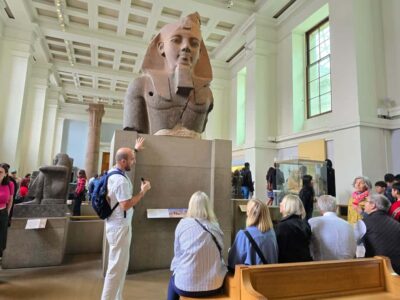
British Museum Guided Tour with Priority Entrance
Read our review →Browse the lists this tour appears in